
Cannes sells a fantasy of endless flutes and impossible luxury. The reality, especially at mealtime, is much more interesting.
The first surprise is that Cannes is not powered by caviar alone
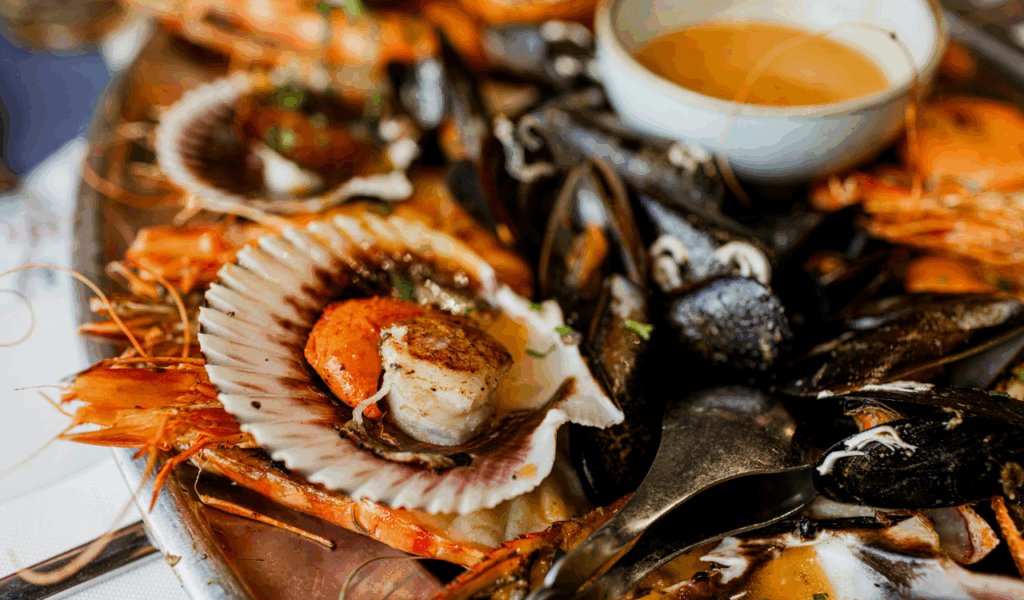
The global image of Cannes is built on red carpets, tuxedos, and champagne towers, so it is easy to assume the food follows the same script. Some of it does. High-end hotels along the Croisette still put out polished seafood platters, truffle-accented canapés, and tasting menus designed to impress producers, buyers, and celebrity entourages. At the famous palace properties, menus often lean into Riviera luxury with blue lobster, turbot, langoustines, and carefully plated seasonal vegetables sourced from Provence.
But that is only one layer of the city's food culture. During the Cannes Film Festival and the many trade events that follow, much of the crowd is not dining in private salons every night. Publicists, assistants, journalists, camera crews, sales agents, and hospitality staff eat on deadlines, not fantasy schedules. That changes everything about what actually gets ordered.
In practice, the food scene runs on contrast. One table may be opening oysters and chilled rosé at noon, while another nearby is splitting a club sandwich, a Niçoise salad, and espresso because there is a screening in 40 minutes. According to long-time festival coverage in French and international media, the city's busiest dining rhythm is less about decadent excess and more about speed, visibility, convenience, and strategic reservation timing.
That is why Cannes feels unexpectedly practical once you look beyond the velvet-rope version. Luxury exists, absolutely, but so do quick lunches, bakery runs, and repeated orders of simple grilled fish. The most common question is not whether something is extravagant. It is whether it is good, fast enough, and close to the next meeting.
The Riviera classics still dominate, and that is exactly the point
If you want to understand what is really served in Cannes, start with the Mediterranean basics that locals and repeat visitors trust. Menus across the city regularly center on sea bream, sea bass, red mullet, octopus, tuna, anchovies, zucchini flowers, tomatoes, olives, lemons, and herbs. These are not filler dishes for tourists. They are the backbone of coastal eating in this part of France, and they appear in forms ranging from rustic to highly refined.
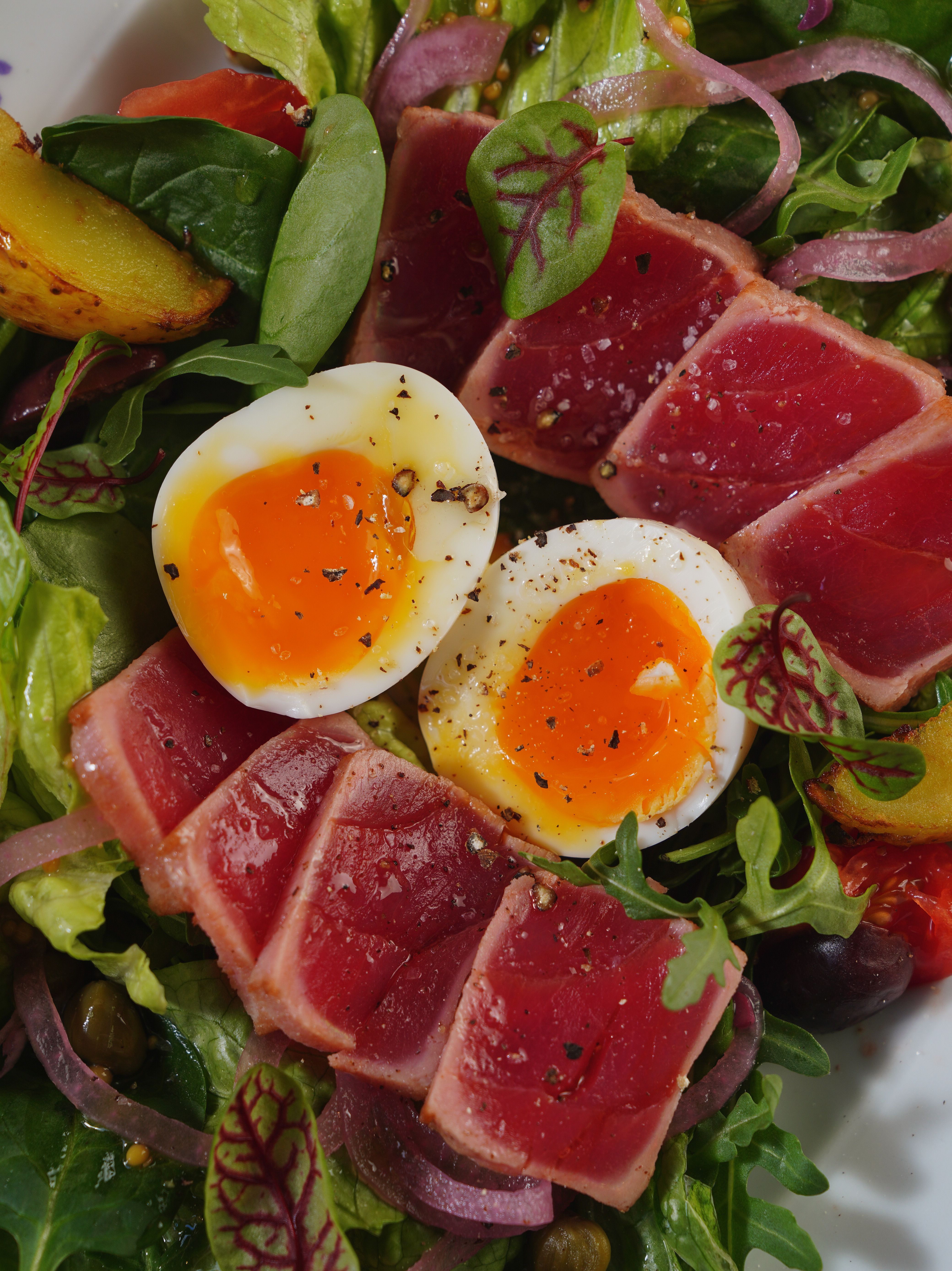
Salade Niçoise remains one of the clearest examples. In its best versions near Cannes, it is not a generic hotel salad but a sharp, composed plate built around tomatoes, eggs, anchovies or tuna, olives, green beans, and quality olive oil. Pissaladière, a caramelized onion tart with anchovy and olive, also shows up as a snack or starter that says more about regional identity than any gold-leaf garnish ever could.
Then there is socca, the chickpea flatbread more strongly associated with nearby Nice but readily found across the Riviera. It is crisp at the edges, soft in the middle, and deeply practical as a quick bite between appointments. Pan bagnat, another southern staple, also fits the Cannes tempo. It is portable, filling, and rooted in exactly the same flavor profile many expensive beach menus dress up in more elaborate form.
What makes these foods important at Cannes is not nostalgia. It is functionality paired with authenticity. In a city temporarily flooded with global visitors, these dishes keep the region recognizable. They remind diners that the Riviera's culinary identity was built on produce, olive oil, and seafood long before it became a backdrop for international spectacle.
Hotel terraces and beach clubs serve business as much as dinner
A Cannes meal often doubles as a negotiation. That is why hotel restaurants and beach clubs matter so much, even when the food itself is less groundbreaking than the setting. Places on or near the Boulevard de la Croisette are valuable because they offer privacy, prestige, and a reliable service rhythm. You can hold a breakfast meeting, a working lunch, and an evening drinks session without changing addresses, which is priceless during festival week.
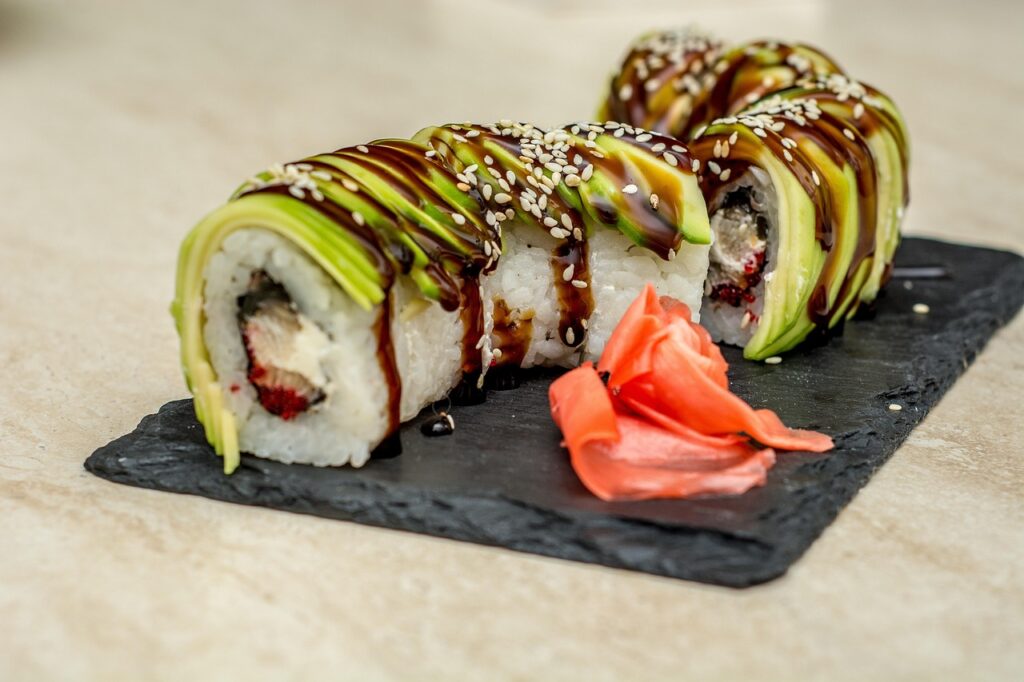
This practical role shapes what is served. Menus tend to favor dishes that travel well from kitchen to table and please a broad international crowd. Expect crudo, burrata, grilled prawns, Caesar salads, premium burgers, pasta with shellfish, steak frites, sushi platters, and fruit-forward desserts. These are not accidental choices. They are familiar, photogenic, and easy to pace over a long conversation.
At the same time, the pricing reflects the real commodity on offer, which is location. On the Croisette, diners are paying for access, comfort, and social visibility as much as for ingredients. A plate of simple fish can cost significantly more than it would a few streets inland, not because the fish is rare, but because the table comes with a view, a scene, and proximity to the industry's power centers.
That does not mean these venues are irrelevant to the food story. Quite the opposite. They reveal how Cannes eats when hospitality becomes part stage set, part office, part social theater. The meal is designed not only to satisfy hunger, but to keep people seated, talking, and being seen.
The real daily diet is shaped by bakeries, markets, and late-night necessity

Step away from the waterfront image for a moment and Cannes becomes much more grounded. Bakeries, cafés, and food shops quietly feed the city's working population and a large share of festival attendees. Early in the day, counters fill with croissants, pain au chocolat, baguette sandwiches, quiche slices, espresso, and fresh juice. These are not glamorous meals, but they are often the most realistic ones people consume between screenings and press calls.
The Marché Forville, Cannes' best-known covered market, is central to this side of the city. Vendors there typically sell seasonal fruit, vegetables, cheeses, charcuterie, olives, herbs, and fish that reflect the wider agricultural life of Provence and the Côte d'Azur. Chefs shop there, residents shop there, and observant visitors quickly understand that the region's luxury reputation still rests on raw product quality.
Late at night, another version of Cannes dining appears. After premieres, receptions, and parties, many people are no longer looking for a formal meal. They want pizza, pasta, fries, kebabs, burgers, or a straightforward plate of roast chicken. Nearby cities on the Riviera show the same pattern during major events, and Cannes is no exception. Appetite eventually strips away performance.
This is one of the clearest truths about what is actually served. Behind the polished restaurant reservations sits a city sustained by everyday food systems. The glamour may dominate photographs, but bakeries, market stalls, and informal kitchens keep Cannes functioning from morning to midnight.
International tastes have changed Cannes more than outsiders realize
Cannes is in France, but its dining scene during major events is unmistakably global. The guest list includes Americans, Britons, Italians, Middle Eastern travelers, East Asian executives, Latin American buyers, and visitors from across Africa and the rest of Europe. Restaurants respond accordingly. Menus often stretch well beyond classic Provençal cooking, not as a gimmick, but because the city's temporary population expects range, speed, and familiarity.
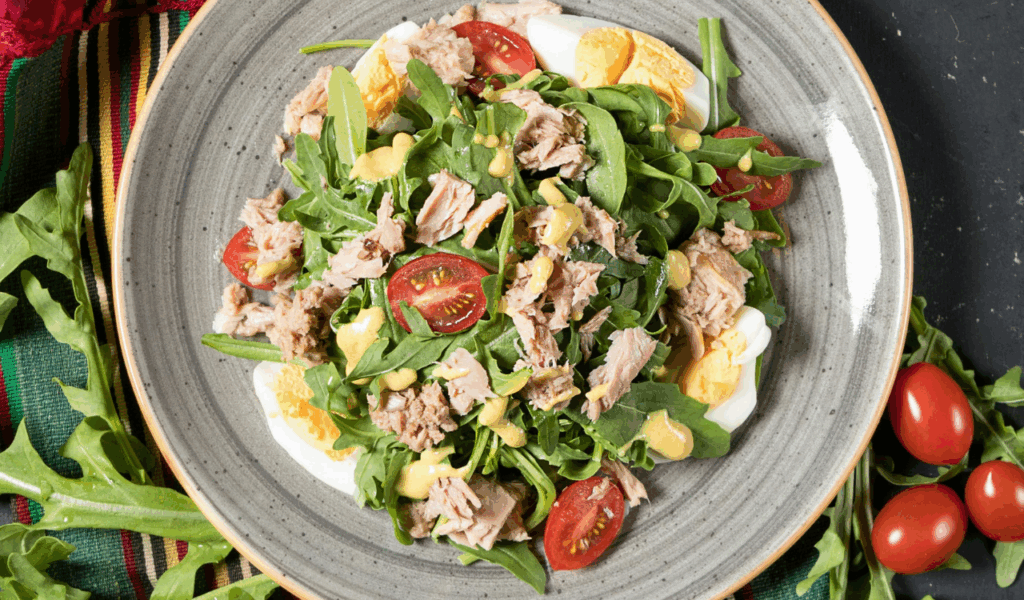
That is why Japanese restaurants, Italian trattorias, sushi lounges, cocktail bars, and modern brasseries remain so important. In recent years, health-conscious ordering has also become much more visible. Grilled vegetables, raw fish, fruit plates, alcohol-free cocktails, vegan options, and gluten-aware substitutions are now common in the Cannes orbit. The assumption that everyone wants butter-heavy French excess no longer matches how many high-profile diners actually eat.
Social media has accelerated this change. A beach club dessert or rooftop sashimi platter now works as both meal and image asset, which affects plating, interiors, and menu construction. Yet the strongest operators avoid becoming purely decorative. They understand that repeat business in Cannes still depends on consistency, not just aesthetics.
So while the old stereotype says French Riviera dining means one narrow kind of luxury, the current reality is broader. Cannes serves wealth, yes, but it also serves cosmopolitan habits. The city has become a place where local seafood, Italian comfort, Japanese precision, and wellness-minded dining all compete on the same block.
What Cannes really serves is a mix of status, stamina, and regional identity
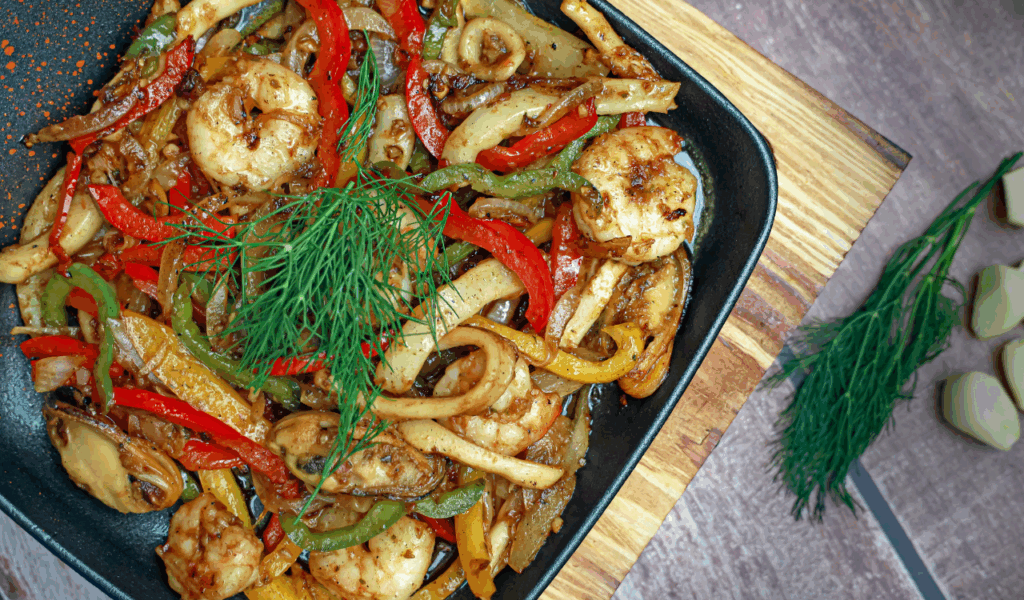
The easiest mistake is to think Cannes food can be explained by extravagance alone. In reality, the city serves different needs at once. It feeds dealmakers who need discreet lunch spots, journalists who need a fast sandwich, celebrities who want private terrace dining, and locals who continue eating according to the rhythms of the Mediterranean coast. All of those food cultures overlap in a very small space.
Seen this way, Cannes becomes less of an exception and more of a concentrated version of modern luxury travel. High-end dining is there, but it coexists with regional staples, practical convenience, and globalized tastes. The best meals are often the ones that combine those elements: a simply grilled fish with excellent olive oil, a market-fresh tomato salad, or a bakery lunch eaten between demanding appointments.
Food in Cannes is also a lesson in perspective. The headlines may focus on champagne brands and celebrity after-parties, but those images rarely capture how the city really eats. The actual menu is more sensible, more local, and more varied than outsiders expect.
That is what makes the food scene genuinely compelling. Cannes is not just serving opulence. It is serving a working Mediterranean city under international pressure, where image matters, but flavor, timing, and regional ingredients still decide what ends up on the plate.

Leave a Reply