
Some Father's Day meals come and go. One classic keeps earning its place at the table.
Why steak dinner remains the Father's Day favorite
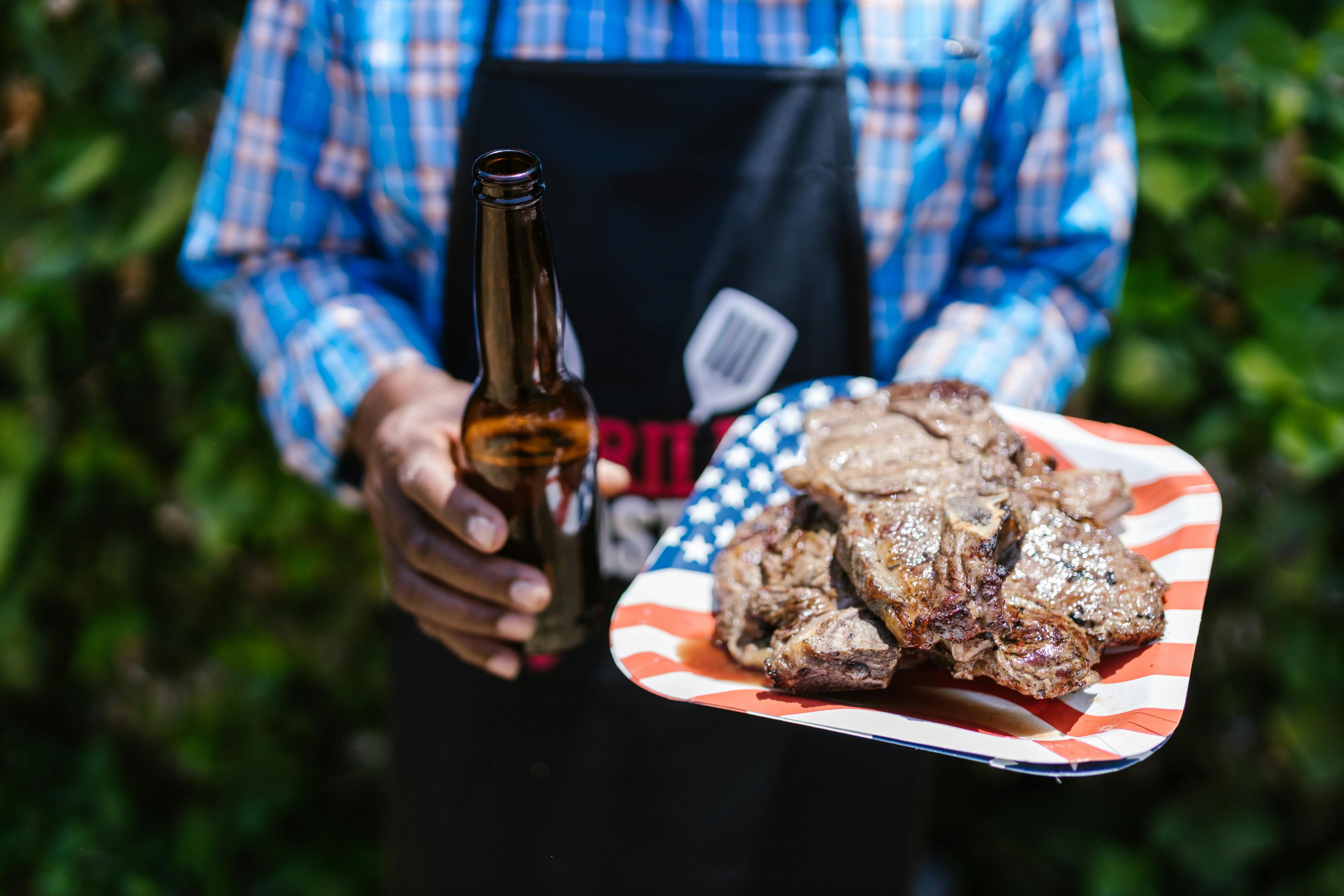
Traditions last when they feel both special and manageable, and that is exactly why a steak dinner continues to dominate Father's Day menus. It carries the feeling of a restaurant-quality celebration without forcing families into crowded reservations, fixed menus, or high holiday prices. For many readers, it delivers the ideal middle ground between indulgence and simplicity.
The appeal is also deeply emotional. Father's Day cooking often centers on foods associated with comfort, confidence, and a little ceremony, and steak checks every box. It is hearty without being fussy, familiar without being boring, and celebratory without requiring advanced culinary training. That combination matters for home cooks who want the day to feel elevated but still relaxed.
Consumer behavior supports that instinct. Beef consistently ranks among the top proteins chosen for celebratory grilling holidays, and Father's Day sits right in the middle of peak grilling season. Grocery retailers often report increased sales of ribeye, strip steak, and burger blends in June, reflecting a pattern that home cooks have reinforced for years.
There is another reason readers keep returning to this recipe format. It is highly adaptable. A cast-iron sear works for apartment kitchens, while a charcoal grill gives backyard cooks the smoky flavor many dads love. Add potatoes, a green vegetable, and a compound butter, and the meal feels timeless in a way trend-driven recipes rarely do.
The recipe formula that works every time
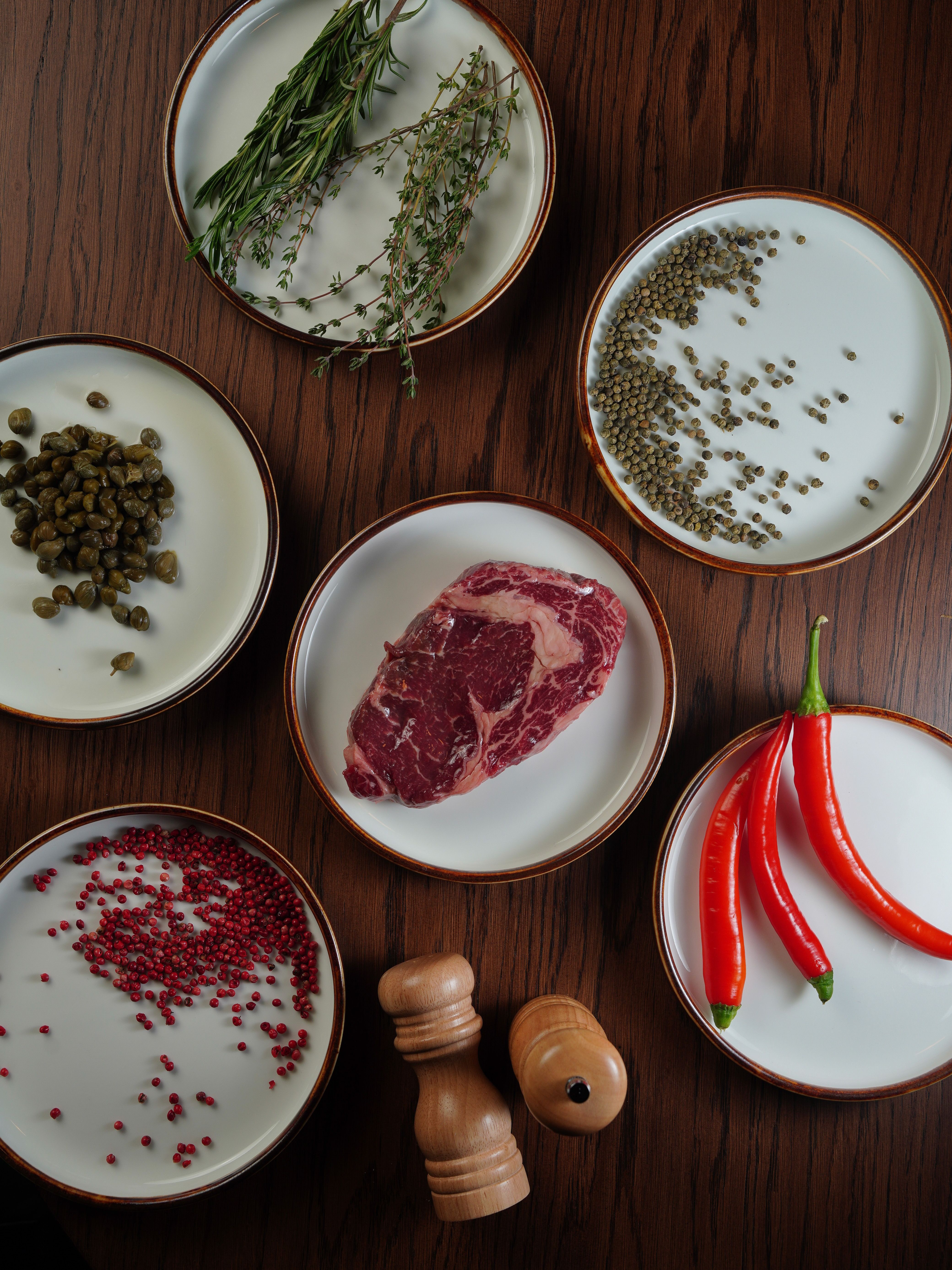
The most dependable Father's Day version starts with thick-cut steak, usually ribeye or New York strip, because both offer strong beef flavor and forgiving fat content. A steak around 1 to 1 ½ inches thick gives the cook enough time to build a crust before the interior overcooks. That one detail alone dramatically improves results for less experienced cooks.
Seasoning should stay disciplined. Kosher salt and freshly ground black pepper are often all that is needed, especially for well-marbled cuts. Applied at least 40 minutes before cooking, salt has time to penetrate the surface and improve browning. Some cooks add garlic powder or smoked paprika, but restraint usually produces the cleanest, most steakhouse-like flavor.
The method is equally straightforward. Bring the meat closer to room temperature, pat it dry, and cook it over high heat, either in a heavy skillet or on a hot grill. Flip every 1-2 minutes for an even crust, then rest it for 5-10 minutes before slicing. That rest period allows juices to redistribute and prevents the plate from filling with liquid.
The winning formula usually includes two supporting players. Crispy roasted potatoes or a baked potato provide substance, while asparagus, green beans, or a chopped salad adds freshness. Finish the steak with herb butter made from softened butter, parsley, garlic, and lemon zest, and the meal feels complete without becoming complicated.
What makes this meal so reliable for home cooks
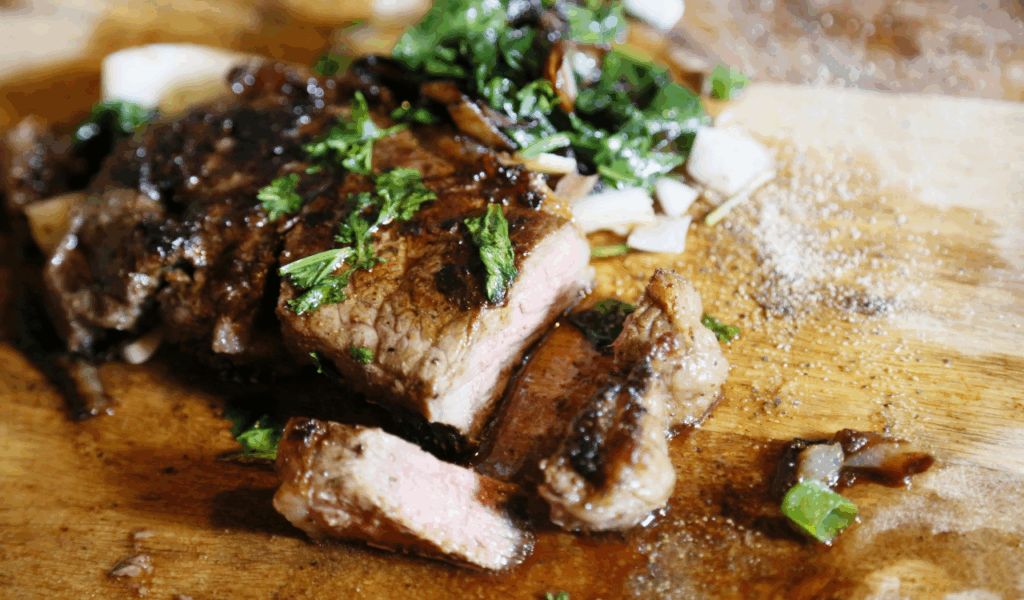
A returning favorite needs to be forgiving, and steak with classic sides is exactly that. Unlike delicate fish or timing-sensitive pastries, this meal offers a wider margin for error. If dinner runs 10 minutes late because guests arrive slowly or kids need attention, the menu can absorb that delay better than many holiday dishes.
It also scales remarkably well. Cooking for two is as feasible as cooking for ten, which matters on a holiday marked by different kinds of gatherings. Some families host a large backyard crowd, while others plan a quiet dinner for one father figure and a few close relatives. The same core recipe can handle both situations with minimal adjustment.
Equipment flexibility is another advantage. A gas grill, charcoal kettle, cast-iron pan, oven, or even a broiler can all produce excellent results. That versatility explains why the recipe keeps attracting readers across regions and living situations. A city cook in a small kitchen and a suburban grill enthusiast can both follow the same basic template successfully.
Then there is the issue of taste. Steak and potatoes are broadly liked across generations, making the meal easier to serve to a mixed table than trendier options. It avoids the polarization of intensely spicy dishes, obscure ingredients, or niche diets, yet still leaves room for customization through sauces, rubs, and side dishes.
The small upgrades that make it memorable
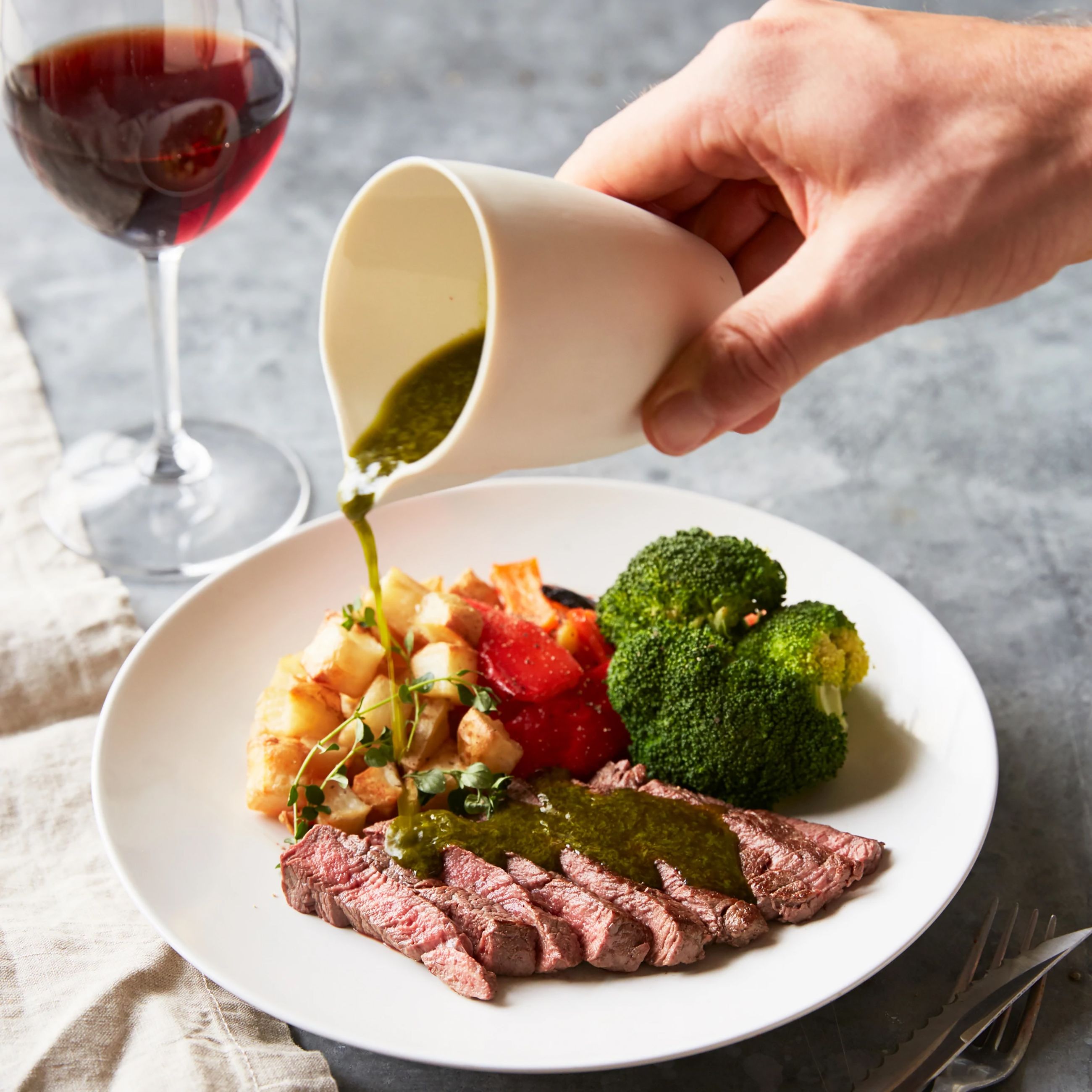
What turns a good Father's Day steak dinner into the one readers save and repeat is attention to details that create a restaurant feel at home. Dry-brining the steak with salt in advance is one of the smartest upgrades because it improves both flavor and crust. It is a simple step, but it creates a noticeably better result.
Butter is another game changer, especially when it is flavored with herbs, roasted garlic, blue cheese, or horseradish. A tablespoon melting over a rested steak adds aroma, shine, and richness that people tend to remember. It also lets the cook personalize the plate to the father being celebrated, whether his taste leans classic or bold.
Texture matters just as much as flavor. Pairing the steak with crisp-edged potatoes, grilled corn, or a sharp slaw prevents the meal from feeling heavy. Acidic elements such as chimichurri, lemon, or pickled onions can brighten the plate and balance the richness of the beef. These contrasts are often what make the dinner feel thoughtfully composed.
Presentation finishes the job. Slicing steak against the grain, using a warm platter, and scattering herbs or flaky salt over the top instantly improves visual appeal. Even a simple board-style serving setup can make dinner feel festive. Readers return to recipes that make them look capable, generous, and calm under pressure.
How families adapt the tradition year after year

The strongest holiday recipes survive because they can evolve with the family, and this one does exactly that. Some households center the day on ribeye and baked potatoes, while others prefer flank steak tacos, steak sandwiches, or steak and eggs for a Father's Day brunch. The core idea remains the same: serve something hearty, familiar, and celebratory.
Regional habits shape the meal as well. In the South, the plate may lean toward grilled corn, potato salad, and sweet tea. In the Midwest, you are more likely to see thick steaks, loaded baked potatoes, and a creamy coleslaw. On the West Coast, cooks often add chimichurri, grilled vegetables, and lighter seasonal produce.
Dietary needs have also reshaped the tradition without erasing it. Families now regularly include plant-based sides, lower-sodium seasoning approaches, or alternate proteins for guests who do not eat beef. A father-focused meal no longer has to be identical for everyone at the table to feel unified and generous.
What keeps readers loyal is not rigidity but reliability. They know the recipe can absorb personal taste, budget changes, and shifting guest lists while still delivering the atmosphere they want. That kind of trust is rare, and it explains why this meal keeps reappearing every June in kitchens across the country.
The best way to serve it this Father's Day
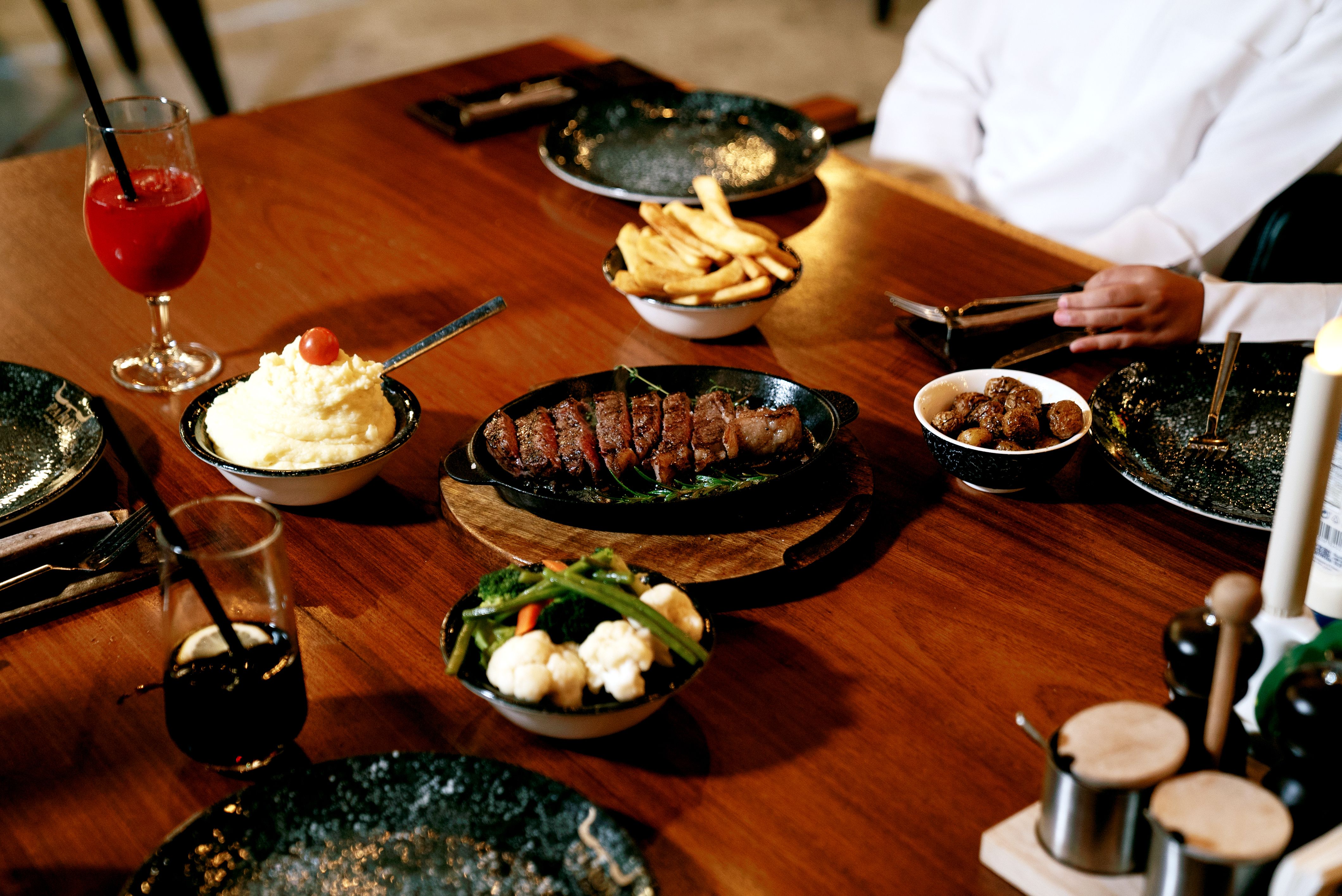
A successful Father's Day meal begins with planning, not complication. Buy the steaks early, choose sides that can be prepped ahead, and set the table before cooking starts. That approach frees the cook to focus on timing and hospitality instead of scrambling through the kitchen at the last minute.
For the most consistent result, start potatoes first, since they hold well. Next, prep vegetables and herb butter, then cook the steak last so it reaches the table hot and rested. If using a thermometer, aim for around 130°F for medium-rare after resting, though preferences should always guide the final target. Precision helps, but attentiveness matters just as much.
Drinks and dessert can stay simple. A cold beer, iced tea, red wine, or sparkling water works beautifully with steak, while dessert can be as easy as brownies, pie, or ice cream. The point is not to overwhelm the table with options but to create a meal that feels complete and generously considered.
That is why this recipe endures. It gives families a proven centerpiece, a clear cooking strategy, and enough flexibility to feel personal every year. In a holiday built around appreciation, that balance is powerful. The best Father's Day recipe is the one that delivers comfort, celebration, and confidence all at once.

Leave a Reply