
Some of the best food on earth began as a survival strategy. Few dishes prove that more clearly than ribollita, the old Tuscan pot of bread, beans, and vegetables that turns scarcity into comfort.
Why ribollita became the food of hard times
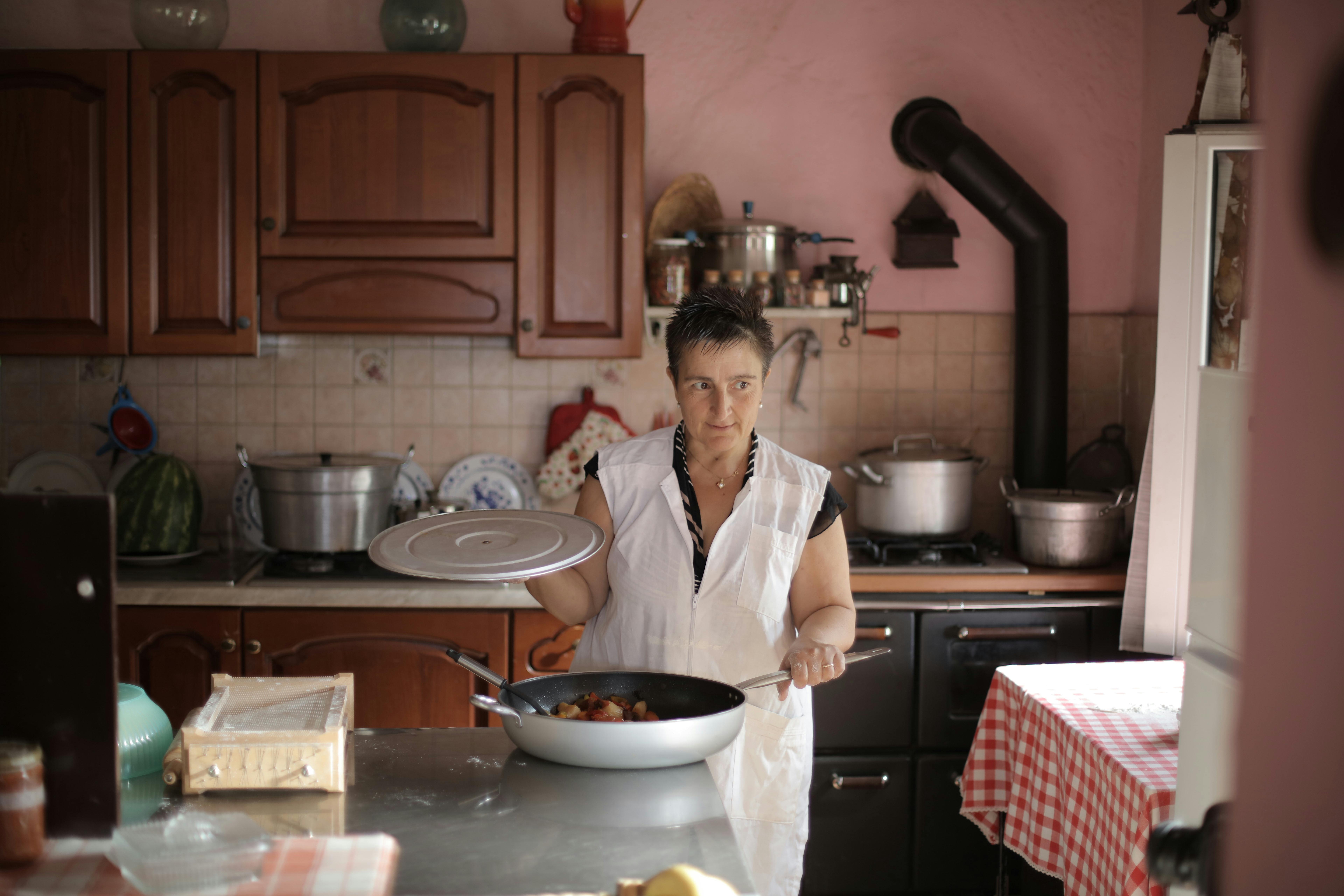
Ribollita was born in rural Tuscany, where farm families and servants often had to stretch food across several days. The name means "reboiled," which tells you almost everything about its origin. It was not designed by chefs chasing elegance. It was built by people who could not afford waste and needed every ingredient to work twice.
In medieval and early modern Italy, meat was expensive and irregular, especially for peasants. What people had instead were beans, onions, carrots, cabbage, kale, and stale country bread. Bread mattered enormously because it filled stomachs, lasted well, and could be revived in broth when it went hard. According to food historians who study cucina povera, the wider Italian tradition of "poor cooking," these dishes were less about deprivation than disciplined thrift.
Tuscany's unsalted bread also shaped the dish. Because it dries firmly rather than turning gummy, it absorbs broth beautifully and gives ribollita its dense, almost spoon-standing texture. Cannellini or other white beans provide protein and body, while black kale, known as cavolo nero, contributes a deep, slightly bitter edge. What sounds plain on paper becomes, in the pot, a complete and deeply satisfying meal.
The brilliance of ribollita is that it was never a fixed formula. Families used what the season and pantry allowed, then reboiled the leftovers the next day, when many cooks insist it tasted even better. That second cooking melded starch, broth, bean creaminess, and greens into something richer than the cost of its ingredients suggests. Scarcity did not weaken the dish. It sharpened it.
The genius lies in how simple ingredients behave together

At first glance, ribollita can seem too basic to deserve the devotion it inspires. But cooking science helps explain why it tastes so full and layered. The onion, carrot, and celery base slowly releases sweetness as it softens, while beans contribute starches and proteins that thicken the liquid naturally. This creates a texture closer to a stew than a thin soup.
Greens are equally important. Cavolo nero, savoy cabbage, or chard bring bitterness, mineral depth, and a slightly chewy structure that prevents the dish from feeling flat. That bitterness matters because it balances the sweetness of cooked vegetables and the mellow richness of olive oil. Good ribollita does not taste heavy, even when it is thick. It tastes balanced, grounded, and complete.
Then there is the bread, which is not a garnish but a structural ingredient. Stale slices layered into the pot absorb broth, bean liquor, and vegetable juices, then slowly break down into a silky mass. In modern terms, this is flavor concentration through absorption and rest. The dish becomes greater after sitting because its components stop tasting separate and begin tasting unified.
Olive oil finishes the transformation. A final drizzle of peppery extra virgin oil adds fruitiness, aroma, and a faint bitterness that wakes everything up. Black pepper and herbs such as thyme or rosemary can deepen the profile, but restraint is key. Ribollita works because nothing competes for attention. Every ingredient strengthens the next.
What poverty cooking understood long before modern food culture

Modern cooking often confuses complexity with quality. Ribollita comes from a very different philosophy, one that values extraction, patience, and the full use of ingredients. In practical terms, that means bean cooking liquid is not discarded, stale bread is not thrown away, and yesterday's soup is not seen as inferior. It is seen as tomorrow's improved dinner.
This approach is now admired by chefs, sustainability experts, and food economists for obvious reasons. The United Nations has repeatedly highlighted food waste as a major global issue, and dishes like ribollita show how older food cultures solved part of that problem instinctively. They created systems in the kitchen where flavor increased as waste decreased. That is not nostalgia. That is efficiency with taste.
There is also a nutritional lesson here. Beans and greens together deliver fiber, minerals, and plant protein, while olive oil improves satiety and flavor without requiring expensive additions. Bread adds energy and structure. For laboring families, this combination was practical fuel. For modern eaters, it remains a highly satisfying meal that feels substantial without depending on large amounts of meat or processed ingredients.
Perhaps most importantly, ribollita respects appetite in a human way. It is warm, soft, deeply aromatic, and built for sharing. You do not need refined technique to appreciate it, only attention and time. In an age of fast novelty, that can feel almost radical. The dish reminds us that comfort and excellence are not opposites.
Why it often tastes better the next day than when it is first made
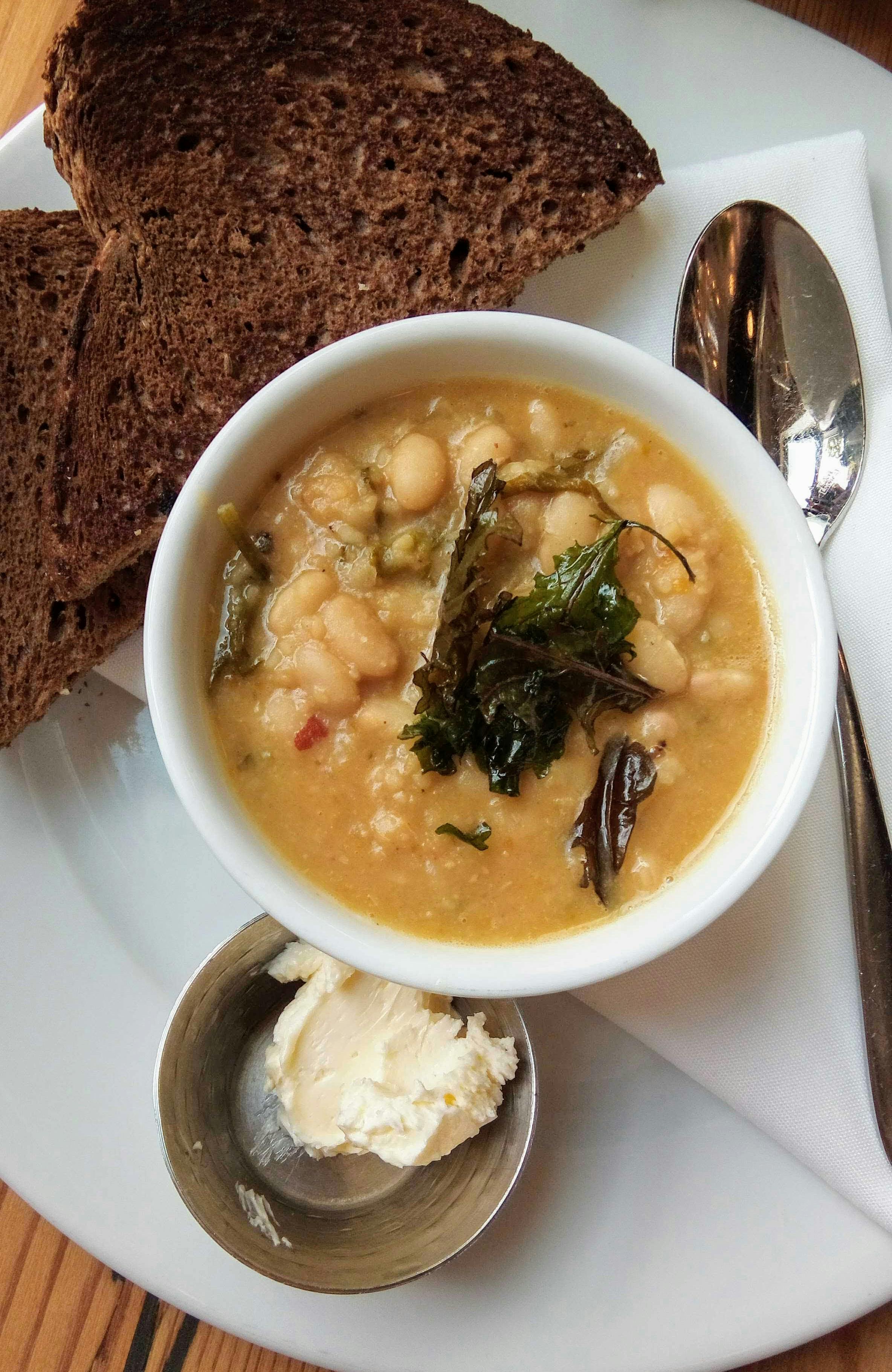
Most leftovers decline after reheating. Ribollita is famous because it does the opposite. As it rests, starch from the beans and bread continues binding with the broth, while the greens soften further and the aromatics spread more evenly through the pot. The next day, the soup loses any rough edges and gains a rounded, integrated flavor.
This is one reason traditional cooks often made a large quantity at once. The first serving was dinner, but the second boiling was part of the plan, not an afterthought. Reheating also allowed the bottom of the pot to develop slight caramelized notes if done carefully, introducing a hint of toastiness. Those darker flavors contrast beautifully with the sweetness of the vegetables.
Professional kitchens use a similar principle in braises, ragùs, and stocks. Resting time allows volatile flavors to settle and deeper savory notes to emerge. Ribollita achieves that without expensive cuts of meat or long ingredient lists. Time becomes one of the main seasonings, which is a hallmark of many great traditional foods around the world.
There is a practical beauty to this as well. A dish that improves overnight reduces pressure on the cook and makes home eating easier. It can be made ahead, portioned, and revived with a splash of water or broth. Few meals are as forgiving. Even fewer reward patience so dramatically.
How the best versions are still made today
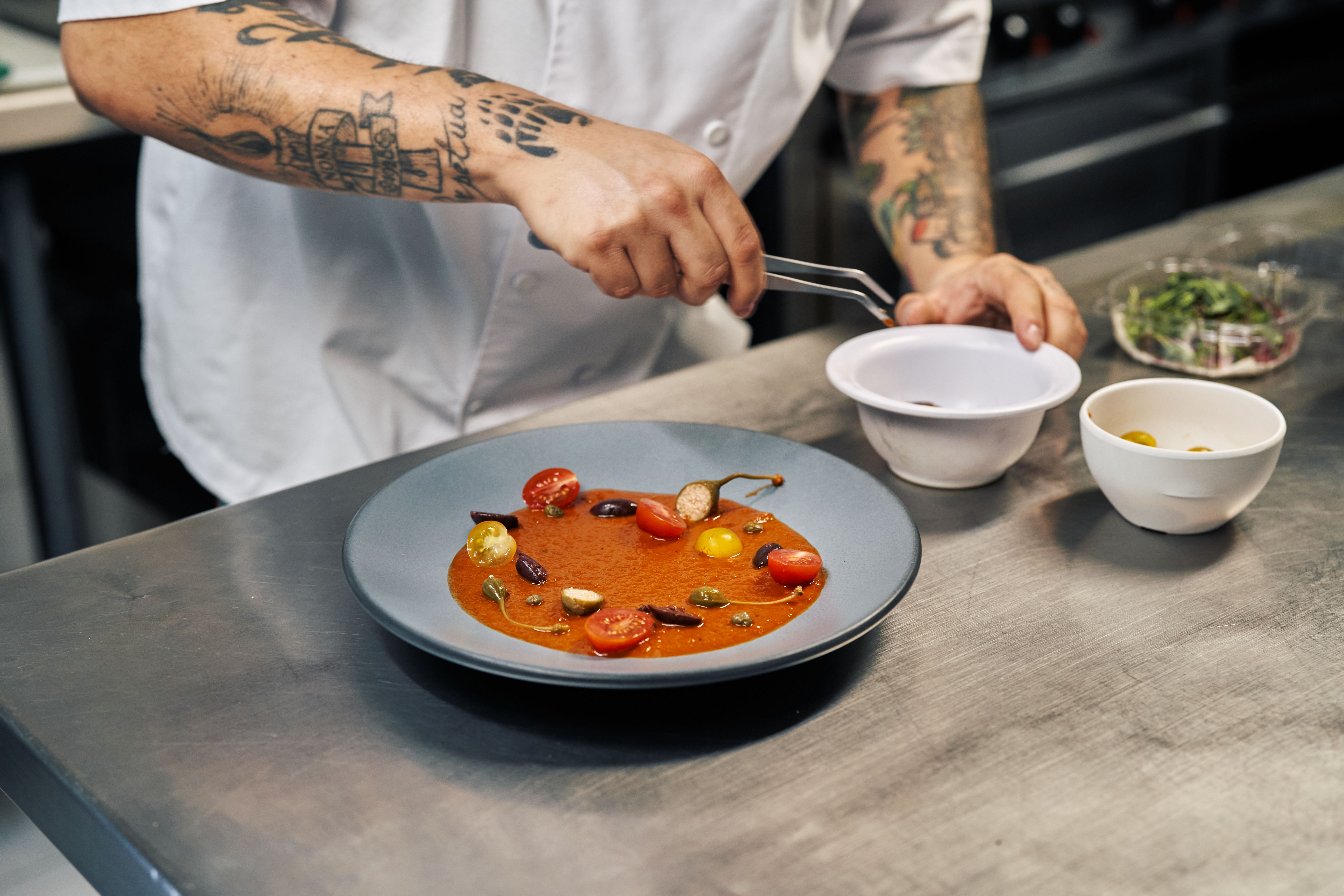
Authentic ribollita remains common in Tuscan homes, trattorias, and food-focused agriturismi, though recipes vary by town and family. Some versions lean heavily on cavolo nero, while others include savoy cabbage, potatoes, or a spoonful of tomato for brightness. The essentials, however, stay consistent: white beans, stale bread, greens, olive oil, and the discipline not to rush.
Good cooks usually start with dried beans because they deliver better texture and more flavorful cooking liquid, though quality canned beans can work in a pinch. The vegetables are cooked gently rather than aggressively browned. That matters because ribollita should taste sweet and earthy, not charred. Bread is layered in, not scattered on top like croutons, so it becomes part of the body of the dish.
Restaurants that understand ribollita do not make it too soupy or too refined. The best bowls are rustic, thick, and visibly built from real ingredients rather than pureed into uniformity. A final pour of excellent olive oil is nonnegotiable. In many places, the oil is as important to the finish as cheese is to pasta.
Outside Italy, thoughtful home cooks and chefs have adapted the dish with local greens and bean varieties. That flexibility is faithful to its history. Ribollita was never about rigid luxury. It was always about making the most of what was available and making it taste like enough.
What ribollita teaches anyone trying to cook better now
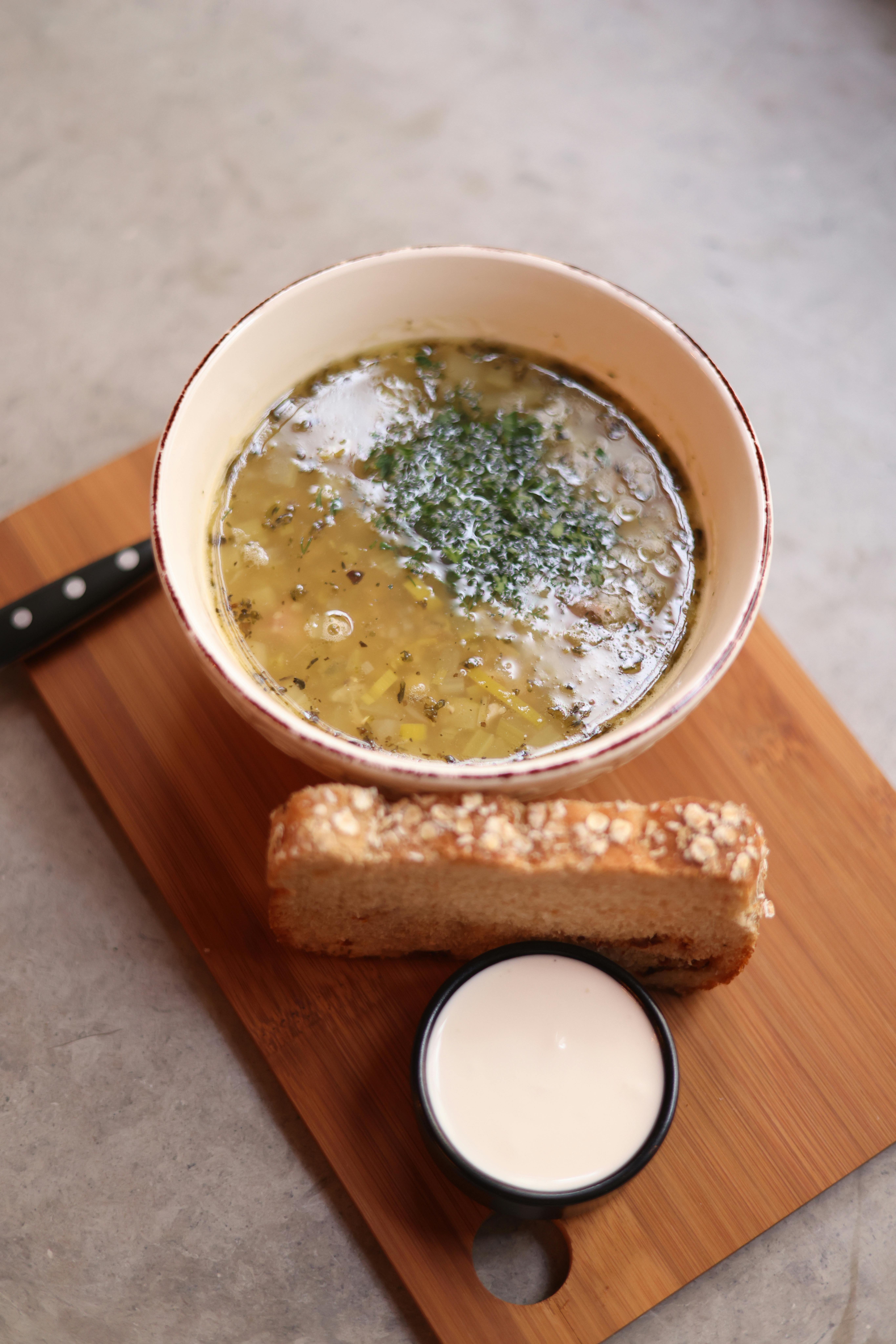
The lasting power of ribollita is not just historical. It offers a direct lesson for modern kitchens overwhelmed by recipes that demand more ingredients, more gadgets, and more expense. Better food often begins with using fewer things more intelligently. A pot of beans, a loaf going stale, a bunch of greens, and good oil can produce a meal with extraordinary depth.
It also teaches that texture matters as much as flavor. Ribollita succeeds because it is creamy without cream, hearty without excess meat, and rich without being greasy. Every spoonful carries softness from bread, tenderness from beans, and structure from greens. That mix creates satisfaction in a way many flashy dishes never manage.
There is a moral dimension to its appeal too, though it never feels preachy. The dish honors labor, memory, and the old kitchen skill of paying attention. It rewards planning, frugality, and care, values that can seem old-fashioned until you taste the result. Then they seem timeless.
If many modern meals feel busy but forgettable, ribollita explains why. It does not chase stimulation. It builds flavor slowly, honestly, and with complete confidence in humble ingredients. That is why a soup made when people had almost nothing can still outshine the overloaded food on many tables today.




Leave a Reply