
Some foods were never really delicious in the way people claimed. They were social signals served on small plates.
The cocktail-party bite that launched a thousand fake compliments
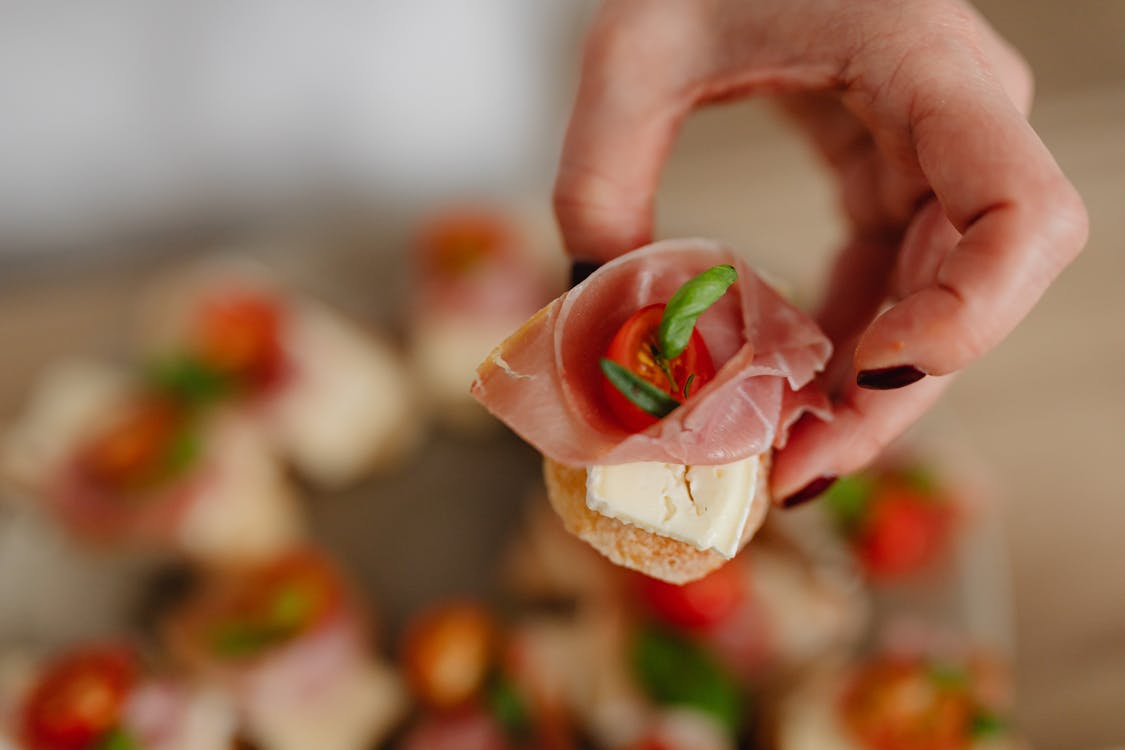
Few foods capture performative adulthood better than the stuffed mushroom. It showed up at dinner parties, holiday gatherings, and apartment-warming nights as if it were the natural endpoint of becoming a competent grown-up. Hosts presented it with pride because it suggested effort, sophistication, and fluency in entertaining. Guests praised it because rejecting a warm cap of baked fungus filled with breadcrumbs and cheese felt strangely impolite.
The appeal was never only about flavor. Stuffed mushrooms belonged to a larger era of passed appetizers that looked refined without requiring restaurant training. Food historians have long noted that postwar American entertaining prized dishes that could be assembled in advance and served with drinks, and this one fit the formula perfectly. It was manageable, slightly European in spirit, and just earthy enough to seem serious.
Yet many people did not actually love the texture. Mushrooms release moisture as they cook, which often left the filling dry while the base turned slippery. That combination was described politely as savory, even when guests were quietly reaching for another cracker instead. The compliment often went to the idea of the dish more than to the experience of eating it.
That is what made it such a useful adulthood food. It allowed hosts to appear gracious and cultivated, and it allowed guests to perform appreciation for complexity. In reality, the stuffed mushroom often functioned as edible etiquette, a bite-sized agreement that everyone in the room knew how to play the part.
The cheese board that was more about identity than appetite
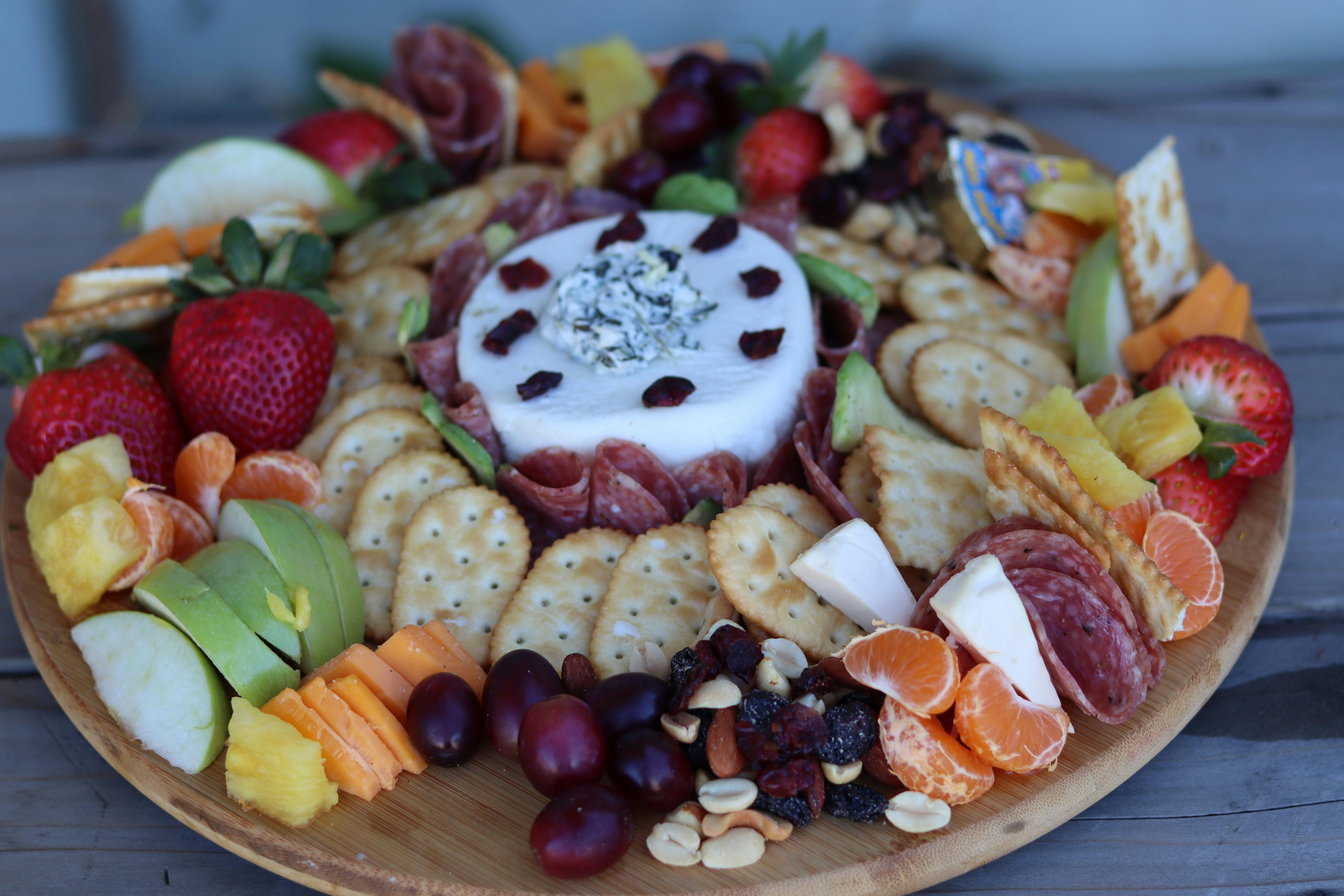
The modern cheese board now gets thoughtful treatment, but for years the classic dinner-party version was less about pleasure than posture. A wedge of brie sweating under room-temperature lights, a blue cheese few people touched, and a sharp cheddar cut into apologetic cubes formed a tableau of cultural ambition. To serve cheese this way was to signal literacy in wine, travel, and good taste, whether or not anyone was hungry for it.
Part of the performance came from language. Guests often praised the nuttiness, funk, or finish of cheeses they found overpowering because adulthood seemed to require a developed palate. Surveys from the specialty food industry have repeatedly shown that consumers often associate artisan cheese with sophistication and confidence. In practice, many diners still preferred milder flavors but felt juvenile admitting it in a room where everyone was discussing rind and terroir.
The most commonly exaggerated enthusiasm centered on blue cheese. Its sharp aroma and salty bite can be genuinely rewarding, but it also has one of the steepest learning curves of any common party food. People learned to take the smallest sliver possible, spread it thinly on a cracker, then say something approving about boldness. This was less deception than social adaptation.
Cheese boards endured because they solved multiple hosting problems at once. They required no last-minute cooking, looked abundant, and invited self-service. But they also turned taste into theater. What people often enjoyed was not every cheese on the board, but the feeling of belonging to the kind of adults who knew how to stand around one.
Aspic, pâté, and the cold foods that asked guests to be brave

Nothing tested dinner-party sincerity like the chilled spread course. Pâté on toast points and, in earlier decades, the wobbling spectacle of aspic both carried a message that the host was worldly, exacting, and immune to pedestrian tastes. These dishes were rooted in real culinary traditions, especially French cuisine, but in many home settings they were admired far more than they were relished.
Pâté had the stronger staying power because it came with inherited prestige. It evoked bistros, wine bars, and the broad American belief that French food represented seriousness. Culinary writers have pointed out that from the 1960s onward, French-derived dishes became shorthand for aspiration in home entertaining. Serving liver pâté or mousse suggested that one had moved beyond ordinary dips and into the realm of cultivated appetite.
The problem, of course, was that many guests did not enjoy liver. Its mineral intensity can be deeply satisfying to some and instantly alienating to others. Still, people spread it onto baguette slices with ceremonial restraint and complimented its richness as though they were evaluating art. To dislike it felt unsophisticated, and that pressure mattered.
Aspic was an even clearer case of food as social theater. By the late 20th century, its reputation had already become shaky, but it lingered as a symbol of formal entertaining. Savory gelatin never needed mass affection to survive. It only needed enough cultural authority to make diners wonder if their own dislike was the immature response.
Olives, anchovies, and other bitter badges of grown-up taste
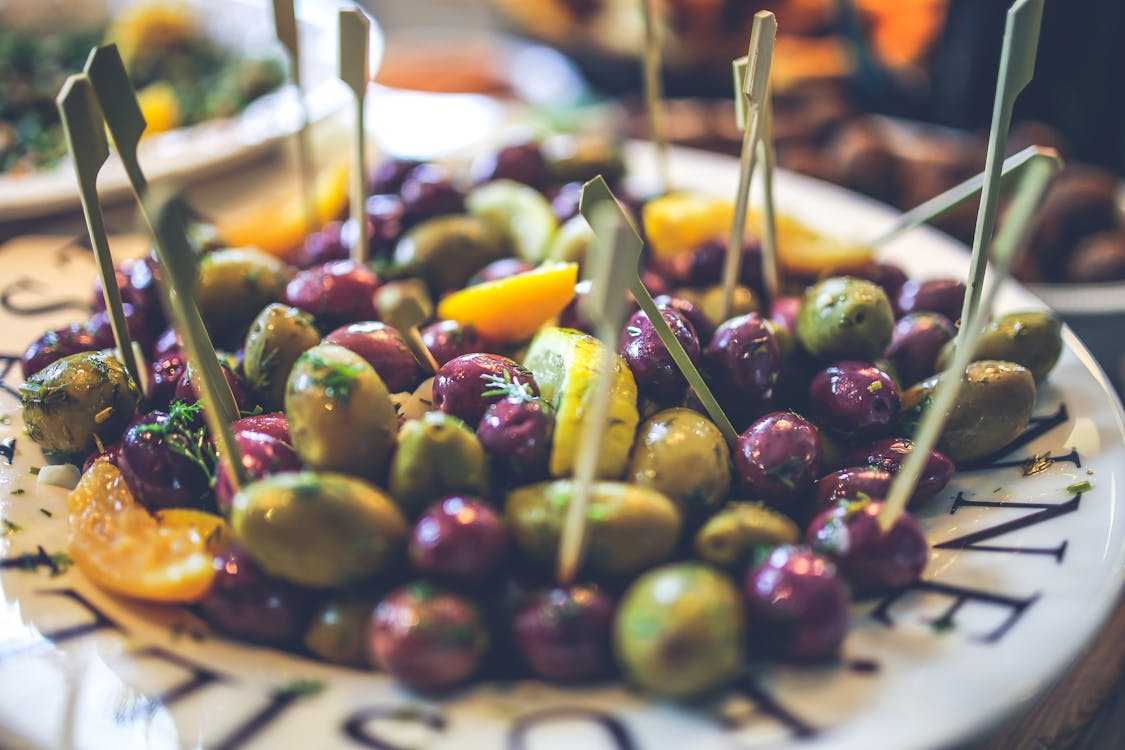
Some dinner-party foods became rites of passage because they trained the palate away from instant gratification. Olives, anchovies, and similarly assertive bites were the culinary equivalent of learning to enjoy black coffee. They were offered as proof that one had matured past sweetness and predictability. To turn them down too quickly could make a person feel inexperienced, even if the reaction was completely honest.
Olives occupied a special place in this system. They were cheap enough to serve casually but coded as continental and chic, especially alongside wine. Market data over the past decade has shown sustained interest in Mediterranean snack foods, partly because they are tied to ideas of health and effortless elegance. At the dinner party, though, many people were still navigating bitterness, brine, and the awkward mechanics of the pit.
Anchovies carried even more social charge. They appeared in canapés, dressings, and pasta puttanesca as a mark of culinary seriousness. Chefs love them because they add depth and umami, and food media helped transform them into an insider ingredient. But outside professional kitchens, plenty of diners mainly tolerated them in tiny doses while praising their complexity with the strained confidence of people trying to pass an exam.
These foods were not frauds. They can be delicious, and millions of people genuinely love them. What made them performative in dinner-party culture was the pressure to embrace them publicly before private taste had fully caught up. Adulthood often asks people to confuse acquired taste with moral progress, and few foods exposed that confusion more clearly.
The salad course that looked virtuous and tasted like obligation
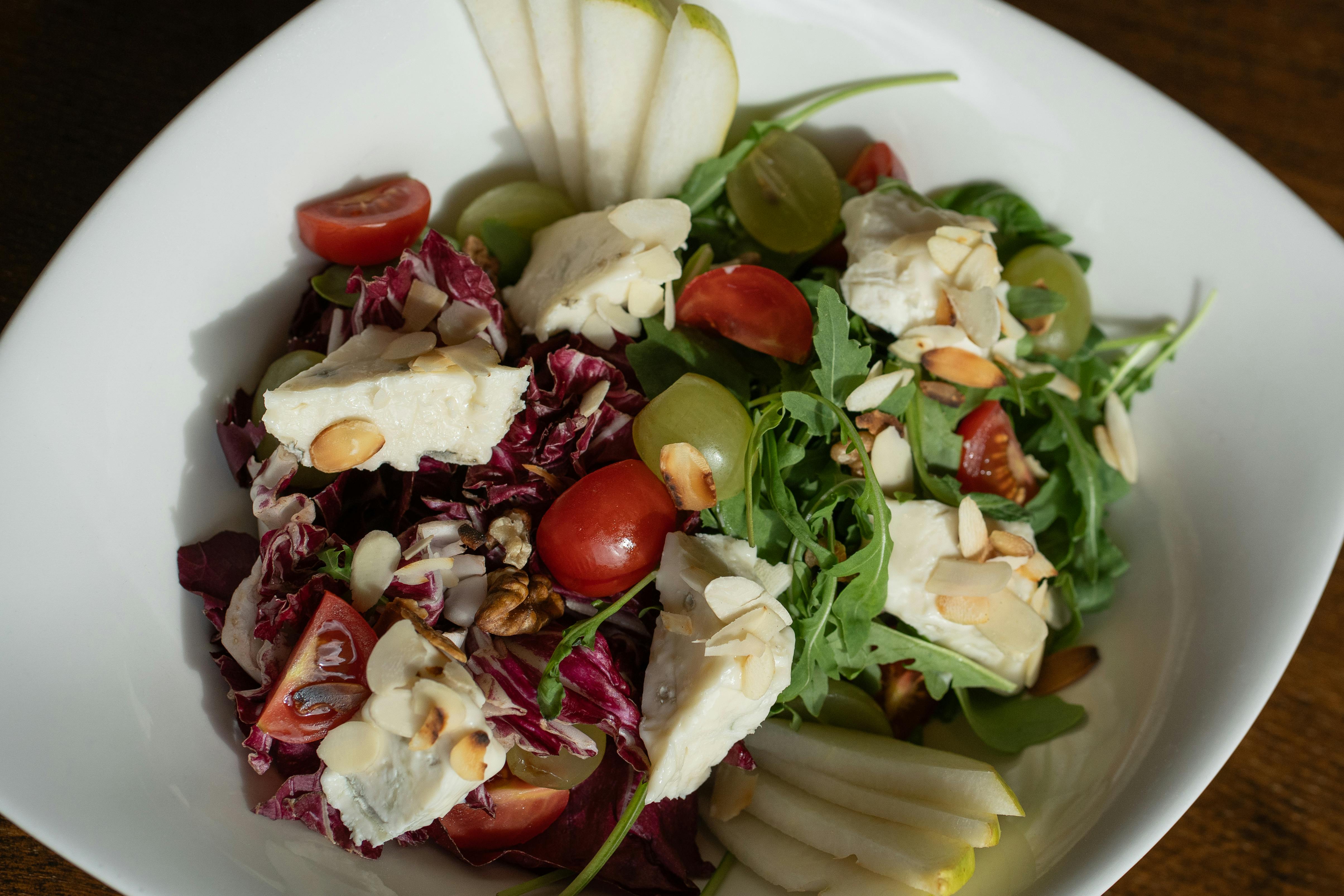
Before salad became genuinely varied and textural, the dinner-party salad often functioned as a moral statement. It arrived lightly dressed, aesthetically arranged, and only faintly satisfying. Mesclun with vinaigrette, endive with walnuts, or radicchio with shaved Parmesan all signaled restraint and discernment. Guests praised the freshness even when they were privately hoping for bread.
This was especially true in the era when entertaining culture borrowed heavily from restaurant plating. Bitter greens came to represent refinement because they seemed adult in contrast to iceberg lettuce or sweeter dressings. Nutrition messaging played a role too. Public health campaigns and food media alike elevated leafy greens as symbols of discipline, so the dinner-party salad became a place where health and status met on one plate.
Radicchio deserves special mention. Its beautiful color made hosts feel artistic, but its bitterness often shocked guests who had expected something more welcoming. The same was true of frisée and endive, which were treated as elegant upgrades rather than ingredients with distinctly challenging flavor profiles. People learned to describe these salads as clean and balanced, even while chasing them with wine.
The performance here was subtle. Nobody hated salad in principle. What they often resisted was the expectation that visible restraint should count as pleasure. A dish could be admired for its aesthetics, nutritional halo, and adult tone while still leaving diners emotionally loyal to Caesar salad and secretly wondering why virtue had to be so chewy.
Why these foods mattered more as symbols than as meals
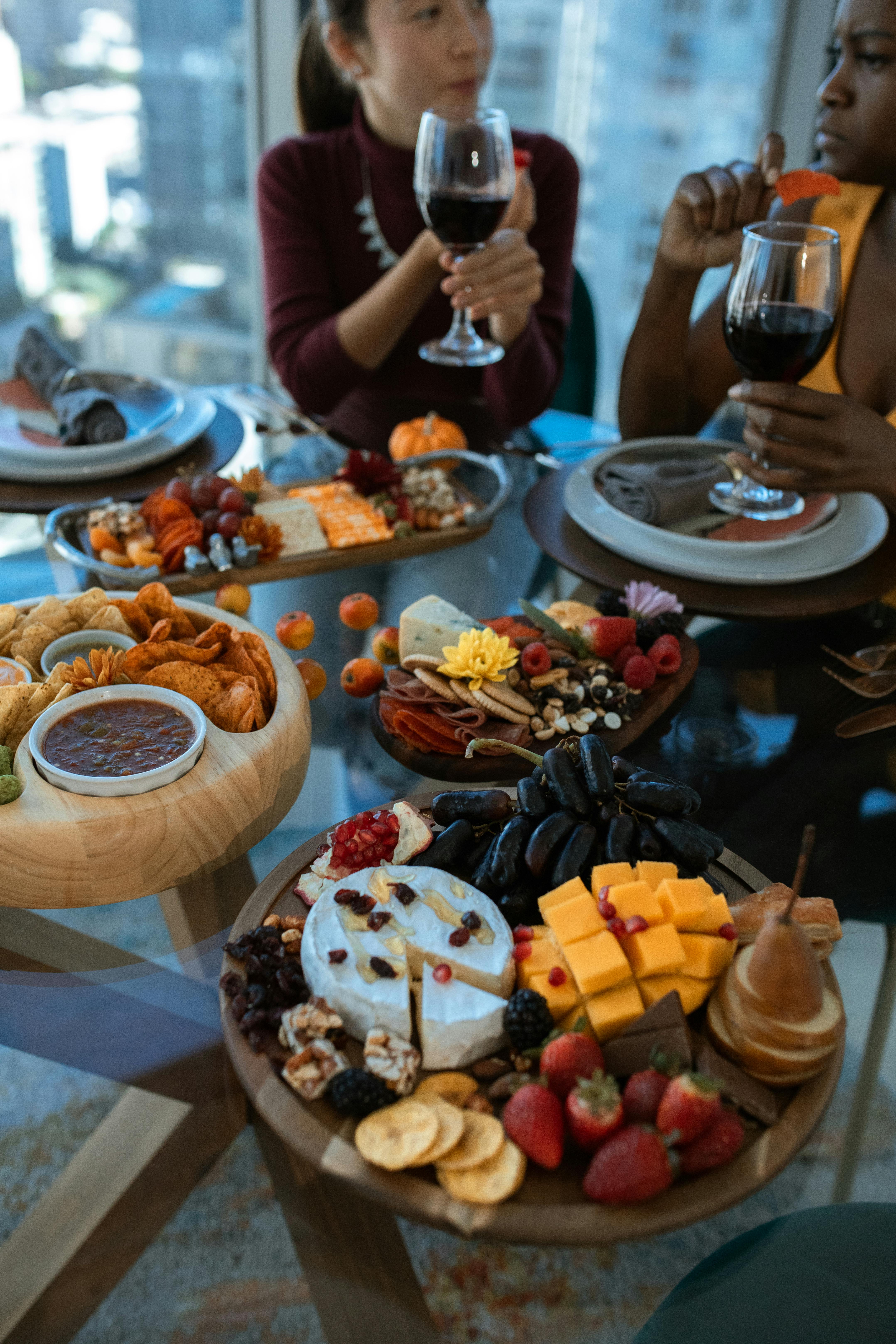
The most revealing thing about these dinner-party foods is that they were rarely chosen by accident. They belonged to a larger script about what adulthood was supposed to look like: competent hosting, adventurous eating, measured indulgence, and easy familiarity with elite taste. Sociologists who study food culture often describe meals as tools for signaling class, belonging, and identity. The dinner party simply made that signaling highly visible.
In that setting, enthusiasm itself became a social skill. Guests were not always lying when they praised pâté, olives, or bitter greens. Often they were participating in a shared fiction that adulthood meant rising to the occasion of difficult foods. Complimenting the dish affirmed the host, protected the mood, and reinforced the idea that everyone present knew the rules of cultivated taste.
Today, entertaining has loosened in many homes. Comfort foods, nostalgic menus, and openly personal preferences carry less stigma than they once did. According to hospitality trend reporting in recent years, hosts increasingly value authenticity over formality, which helps explain the rise of pasta nights, sheet-pan dinners, and openly unfussy desserts. People want connection more than culinary theater.
That shift is healthy because it separates discernment from pretense. A person can genuinely love anchovies, blue cheese, or pâté without treating them as proof of superior adulthood. The old performative menu mattered because it revealed how often people ate for approval. The better lesson is simpler: a good dinner party is one where nobody has to pretend.




Leave a Reply