
Tipping can feel simple until you cross a border. Then the same restaurant bill starts to reveal two different cultural mindsets.
Why tipping feels bigger in the United States
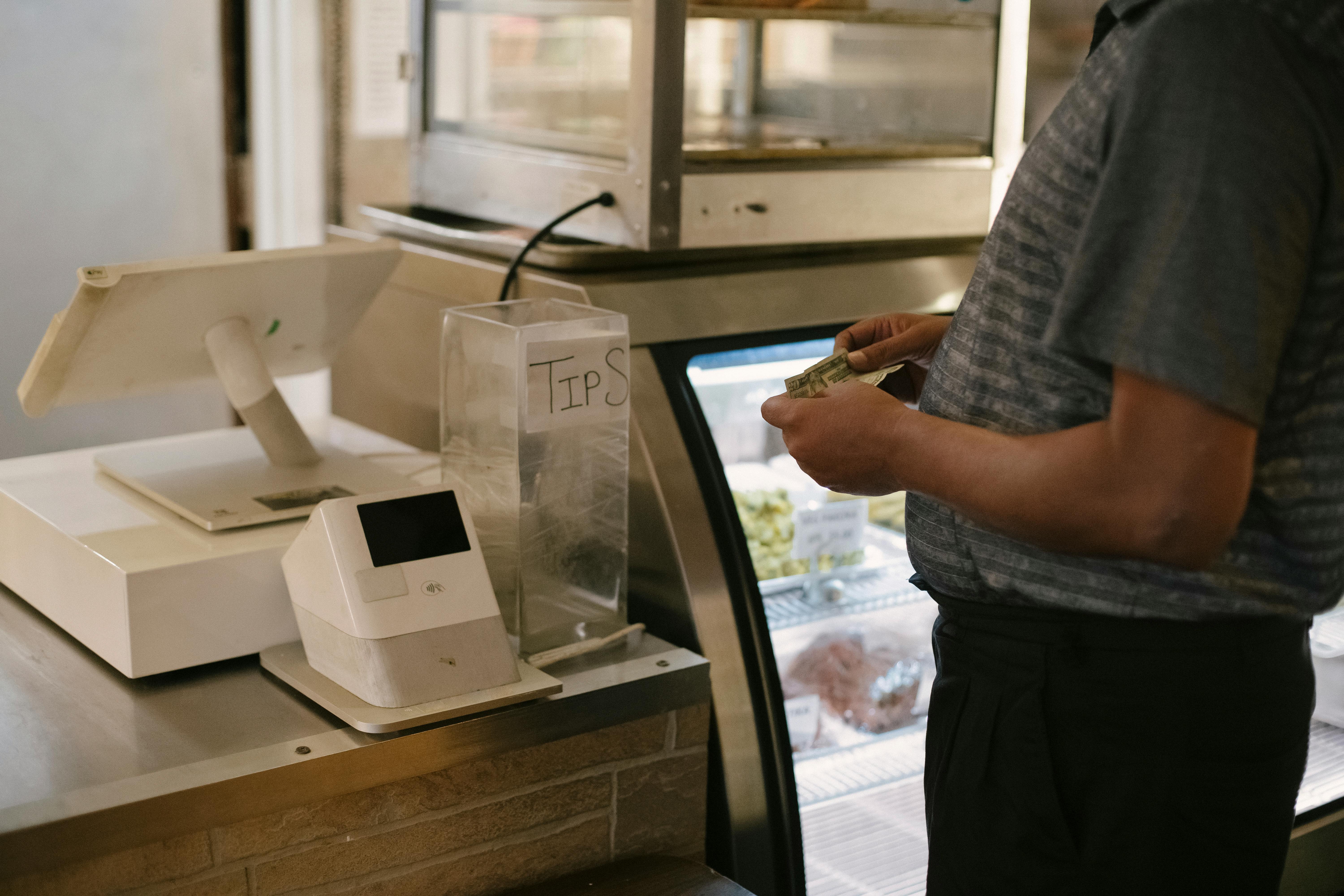
In the United States, tipping is often treated less like a bonus and more like a built-in part of a worker's income. That is the key reason many Americans feel a strong obligation to tip, especially in full-service restaurants, bars, hotels, and ride-share services. The social expectation is not merely to reward good service, but to help workers reach a livable paycheck.
A major reason is the wage structure. Under U.S. federal law, employers can pay tipped workers a cash wage well below the standard minimum wage if tips bring earnings up to the required level, although state laws vary widely. In some states, tipped workers receive the same base minimum wage as everyone else, but in many others, tips still play a central role in take-home pay.
That system shapes behavior. Americans often view leaving 18% to 20% as standard, while 15% can be interpreted as underwhelming unless service was poor. Payment screens have also nudged expectations upward by presenting preset options that start high, making tipping feel more automatic and more public than before.
Because the tip is so closely tied to earnings, Americans often discuss gratuities in moral terms. Not tipping can be seen as punishing a worker for a system they did not design. That helps explain why tipping debates in the U.S. can become emotionally charged very quickly.
Canada often shares the practice but not always the same intensity

Canada has a strong tipping culture too, but the emotional weight around it is usually somewhat lighter. Canadians commonly tip in restaurants, bars, salons, taxis, and food delivery, and 15% to 20% is familiar in most cities. Still, many Canadians see tipping more clearly as a gesture of appreciation rather than an absolute income obligation.
One reason is that provincial wage rules generally do not mirror the lowest U.S. tipped wage model in the same way. In recent years, several provinces moved toward giving liquor servers and other tipped workers the general minimum wage rather than a separate lower one. That does not make hospitality work easy or highly paid, but it changes how the public thinks about the tip.
The result is a subtle difference in tone. A Canadian diner may still leave 18%, but may be more likely to ask whether the service genuinely added value, while an American diner may begin from the assumption that tipping is mandatory unless something went wrong. The custom looks similar on the receipt, yet the reasoning can differ.
Regional culture matters too. In large urban centers such as Toronto, Vancouver, and Montreal, tipping norms can feel almost indistinguishable from major U.S. cities. In smaller communities, however, people may be more resistant to aggressive tip prompts and more skeptical of expanding tipping into every checkout interaction.
Service charges, tax, and the psychology of the bill
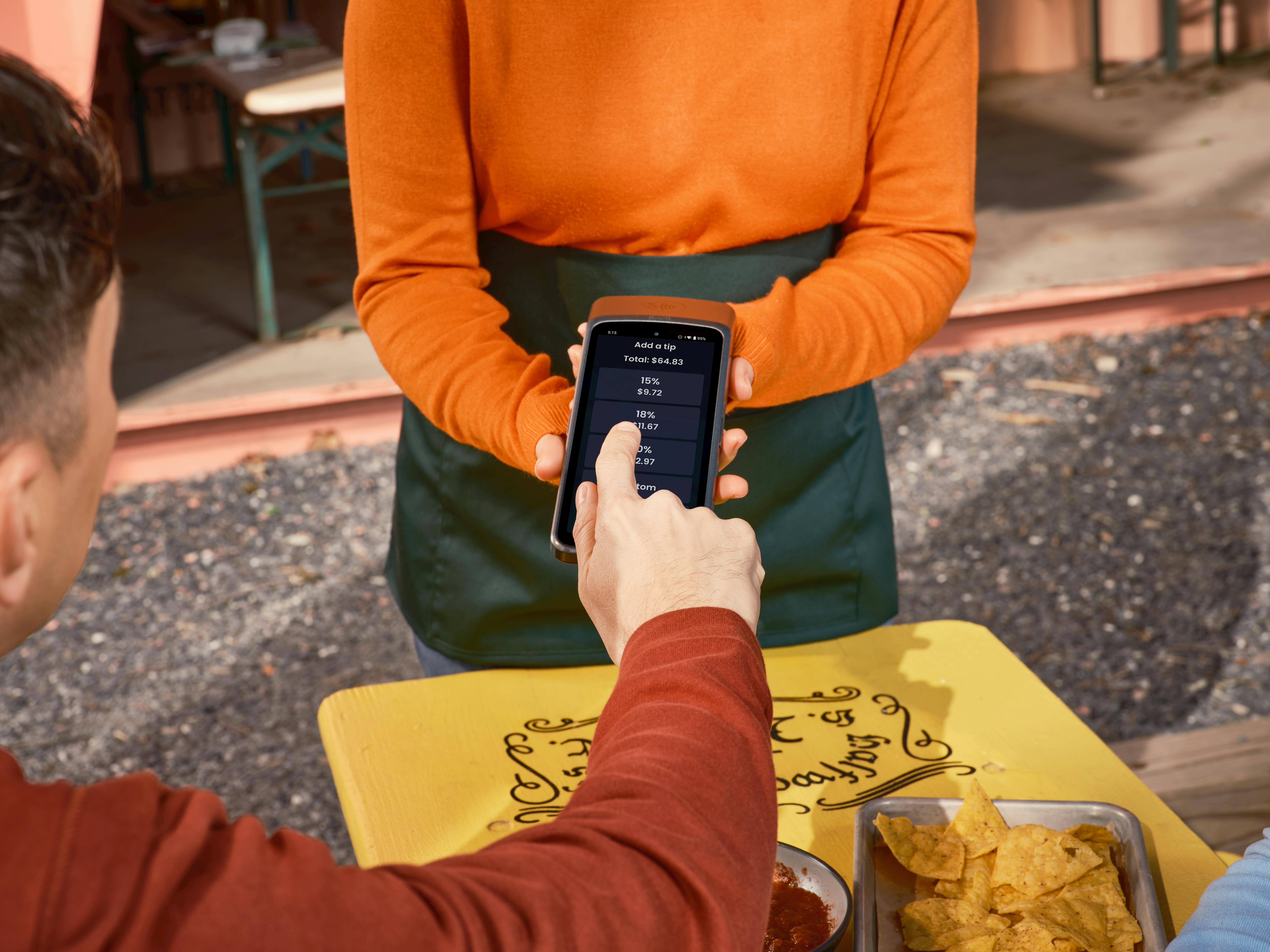
One of the most practical differences between the two countries is not the tip itself, but how consumers experience the final bill. In both Canada and the United States, menu prices often do not reflect the full amount a customer will pay after tax and tip. That can create frustration, especially for travelers who think they are comparing prices directly.
In Canada, sales taxes differ by province and can noticeably change the total, just as state and local taxes do in the U.S. American travelers in Canada may recognize the structure, but they are sometimes surprised that tip suggestions are calculated after tax rather than before tax. Canadians notice this too, and some actively recalculate to tip on the pre-tax amount.
Digital payment systems have amplified the issue. A coffee purchase, takeout order, or bakery stop may now trigger options such as 18%, 20%, or 25%, even where tipping was once minimal. According to payment industry reporting and consumer surveys in both countries, many people now describe this as tip fatigue.
That fatigue does not always produce the same reaction. Americans often complain but still tip because the social cost of refusing feels high. Canadians are more likely to see some prompts as overreach, especially in situations where there is limited personal service and workers are already earning standard minimum wage.
The role of politeness, fairness, and social pressure

Canadian and American stereotypes can be simplistic, but they do help explain some tipping behavior. Canadians often place strong value on politeness, fairness, and avoiding unnecessary confrontation. Americans also care about fairness, but they are often more direct about treating tipping as part of a market-style exchange between customer and server.
That difference appears in how people talk about bad service. Many Americans still leave a reduced tip rather than no tip at all, but they may use the amount to send a message. Canadians are often more hesitant to make such a pointed statement and may instead leave a moderate tip while quietly deciding not to return.
Social pressure also operates differently. In the U.S., there is often a sharper sense that other people, including the server, can judge what you leave. Handheld payment terminals, signature slips, and on-screen prompts make the decision visible. The pressure is strongest in urban areas where tipping expectations have become highly standardized.
In Canada, the pressure is real but can feel less ideological. People may dislike being seen as stingy, yet they are often more open to debating whether a particular transaction deserves a gratuity at all. That helps explain why conversations about tipping reform in Canada are sometimes less polarized than in the U.S.
Younger consumers are challenging old tipping rules

A new generation is testing long-standing assumptions in both countries. Younger consumers, especially those used to cashless payments and app-based services, encounter tip requests constantly. They are also more likely to question whether employers are shifting compensation responsibility onto customers.
In the United States, this debate is tied closely to broader arguments about labor rights, minimum wage laws, and the rising cost of living. Many younger Americans support higher wages for hospitality workers but dislike a system in which nearly every service interaction now comes with a tip screen. The result is a split between supporting workers and resisting endless prompts.
Canadian consumers express similar frustration, though often with a slightly different emphasis. Many accept tipping at sit-down restaurants but push back on tip creep at self-serve counters, retail checkouts, and automated kiosks. A 2024 pattern seen in polling and consumer reporting across North America is that people are not necessarily against tipping, but they want clearer boundaries.
Workers themselves are divided. Some servers and bartenders still prefer tipping because strong nights can outpace flat wages. Others say the model creates income volatility, customer bias, and emotional strain, especially when workers feel forced to perform gratitude for compensation that should be more predictable.
Where the two countries may be headed next

The future of tipping in Canada and the United States will likely be shaped by wage policy, technology, and public patience. If more jurisdictions raise base pay for hospitality workers, the moral pressure to tip may weaken, even if the custom survives. If prices continue rising while tip prompts spread, consumer resistance will likely grow.
In the United States, the biggest question is whether restaurants can move away from reliance on tips without losing staff or raising menu prices to levels customers reject. Some no-tip experiments have been tried in major cities, but results have been mixed. Diners often say they support reform in theory, yet still compare sticker prices rather than all-in costs.
Canada may move more gradually. Because the country already tends to frame tipping somewhat less as a wage substitute, it may have an easier cultural path toward moderation rather than abolition. That could mean stable restaurant tipping norms paired with stronger resistance in fast-casual and retail settings.
For now, the difference between the two countries is not that one tips and the other does not. Both do. The real divide is how people explain the act: Americans often treat it as an economic duty, while Canadians are somewhat more likely to see it as a social courtesy that should still have limits.




Leave a Reply