
Food additives are tiny ingredients with an outsized public image. In Canada and the United States, they reveal a surprisingly deep divide in how people think about safety, regulation, and trust.
Two neighboring markets, two different public instincts

On the surface, Canadians and Americans eat from a highly integrated North American food system. Grocery chains stock similar brands, multinational companies formulate products for both countries, and regulators often review the same scientific evidence. Yet public attitudes toward food additives are not identical, because the two countries approach food policy with different instincts about precaution, corporate power, and the role of government.
In Canada, consumers tend to assume that if a product is on the shelf, Health Canada and the Canadian Food Inspection Agency have cleared a meaningful safety bar. That does not mean Canadians are unconcerned, but the baseline attitude is often one of guarded trust. Public debate usually intensifies when an additive becomes linked to children's health, cancer fears, or imported ultra-processed foods.
In the United States, attitudes are more polarized. Many consumers accept additives as part of modern convenience, while others see them as symbols of a food system driven by shelf life, marketing, and industrial scale rather than nutrition. That skepticism has grown as social media, advocacy groups, and state-level policy fights have pushed terms like artificial dyes, brominated vegetable oil, and titanium dioxide into mainstream conversation.
Regulation shapes perception as much as science

A key reason for the perception gap lies in how each country governs additives. In Canada, food additives generally require premarket approval, and permitted uses are listed in official regulatory frameworks maintained by Health Canada. That process gives the impression of a gatekeeping system in which regulators actively decide what can be used, in what foods, and at what levels.
The United States also regulates additives through the Food and Drug Administration, but the public debate often centers on the GRAS system, short for "generally recognized as safe." Critics argue that GRAS can sound too permissive because companies may rely on expert determinations without the same visible level of premarket scrutiny consumers expect. Even when the underlying toxicology is complex, the optics matter, and the system has become a lightning rod for mistrust.
That difference in structure influences consumer psychology. Canadians are more likely to frame additive issues as regulatory questions, asking whether Ottawa has approved a substance carefully enough. Americans more often frame the issue as a fight between public health and industry influence, which turns specific additives into broader symbols of whether the food system deserves confidence at all.
Labels and ingredient lists carry different emotional weight

Walk through a supermarket in either country and the ingredient panel does more than describe a product. It signals whether a food feels engineered, convenient, suspicious, or acceptable. In Canada, shoppers increasingly respond to clean-label language, but many still rely first on broad trust in national standards rather than treating every unfamiliar ingredient as a red flag.
American shoppers, by contrast, are more likely to read long ingredient lists as evidence that something is overly processed. That reaction has been strengthened by wellness culture, influencer messaging, and repeated media attention on ingredients banned or restricted elsewhere. A cereal or sports drink may contain legally permitted additives, yet the consumer response is often emotional before it is scientific.
Artificial colors offer a clear example. Concerns over dyes such as Red 40 and Yellow 5 have circulated in both countries, especially regarding children's behavior, though the evidence remains debated and nuanced. In the United States, those dyes have become central to a much larger movement against ultra-processed foods, while in Canada the same concerns exist but are often filtered through institutional reviews and bilingual labeling norms rather than full-scale culture-war rhetoric.
Health culture and risk tolerance are not the same

Canadians and Americans also differ in the way they talk about risk. Canada's public health culture tends to favor moderation and incremental policy changes, which can make additive debates less explosive. When concerns arise, the discussion often turns to updated evidence, acceptable daily intake levels, or whether labeling should be clearer for families making routine shopping decisions.
The United States has a stronger strain of consumer activism built around personal choice and confrontation. That produces faster swings in opinion, especially when additives are linked to fertility, endocrine disruption, hyperactivity, or chronic disease. A 2024 wave of state-level action on food dyes and other ingredients showed how additive policy in America can move through local political pressure even when federal rules remain unchanged.
Risk tolerance also differs because the health conversation differs. In Canada, additives are often one concern among many in broader debates about sodium, sugar, affordability, and access to healthier food. In the United States, additives are more frequently singled out as shorthand for everything perceived to be wrong with industrial food, which gives them a larger symbolic role than toxicology alone would justify.
Industry response follows the mood of each country
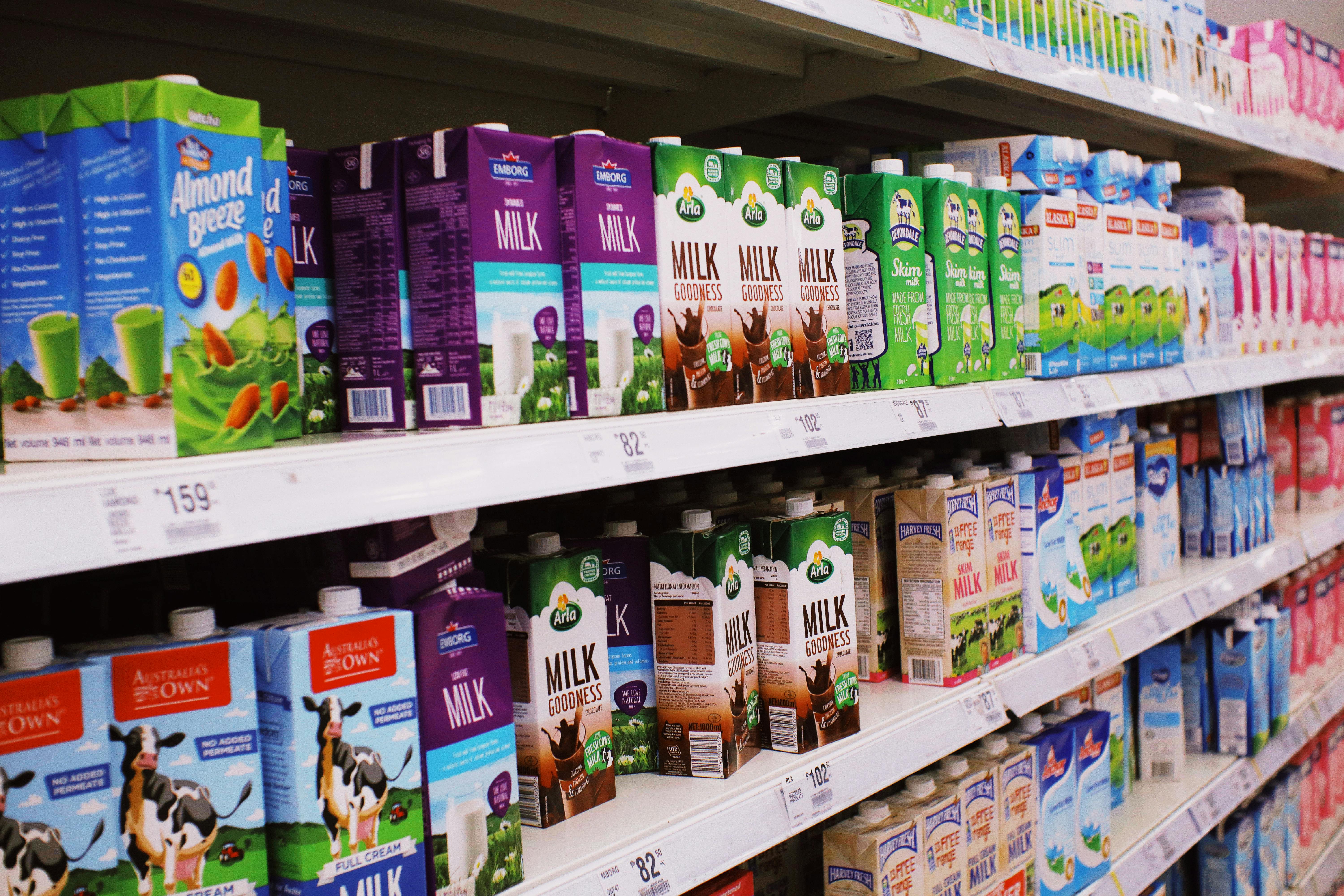
Food companies pay close attention to these differences, because public mood affects product design. In Canada, reformulation often happens quietly. Brands may remove artificial colors, reduce preservatives, or use more familiar ingredient names without turning the change into a loud political statement. The emphasis is typically on reassurance, compliance, and alignment with consumer expectations for transparency.
In the United States, reformulation is often more visible and more aggressively marketed. Packaging that says no artificial preservatives, no synthetic dyes, or made with recognizable ingredients speaks directly to a public that has been trained to see additives as warning signs. Companies know that in the American market, ingredient changes can influence brand identity as much as taste or price.
Cross-border brands sometimes end up with different formulas or different messaging for essentially the same product. That can fuel suspicion among consumers who notice that a snack sold in Canada contains one set of additives while the U.S. version contains another, or vice versa. These comparisons spread quickly online and reinforce the belief that one country is stricter, even when the actual regulatory explanation is more technical than dramatic.
What these attitudes say about food trust in North America

At its core, the additive debate is not just about chemistry. It is about who people trust to define safety in a modern food system. Canadians, on average, place somewhat more faith in centralized oversight and are more likely to assume regulators should manage complexity on the public's behalf. That does not eliminate concern, but it changes the tone of the concern.
Americans are more likely to view additive safety through a lens of vigilance, skepticism, and self-protection. They often expect consumers, journalists, advocacy groups, and increasingly state governments to challenge what federal regulators and manufacturers allow. This creates a louder, more adversarial conversation in which additives become cultural flashpoints as much as scientific subjects.
Neither attitude is entirely right or wrong. Canada's stronger baseline trust can reduce unnecessary panic, but it can also dampen scrutiny. America's skepticism can push useful reform, but it can also blur the difference between emerging evidence and alarmism. Together, the two countries show that public opinion on food additives is shaped not only by science, but by national habits of trust, risk, and accountability.




Leave a Reply