
Breakfast did not become modern by accident alone. But one small trading nation did more than most to decide what ended up on the world's morning table.
A Small Country With Outsized Food Influence
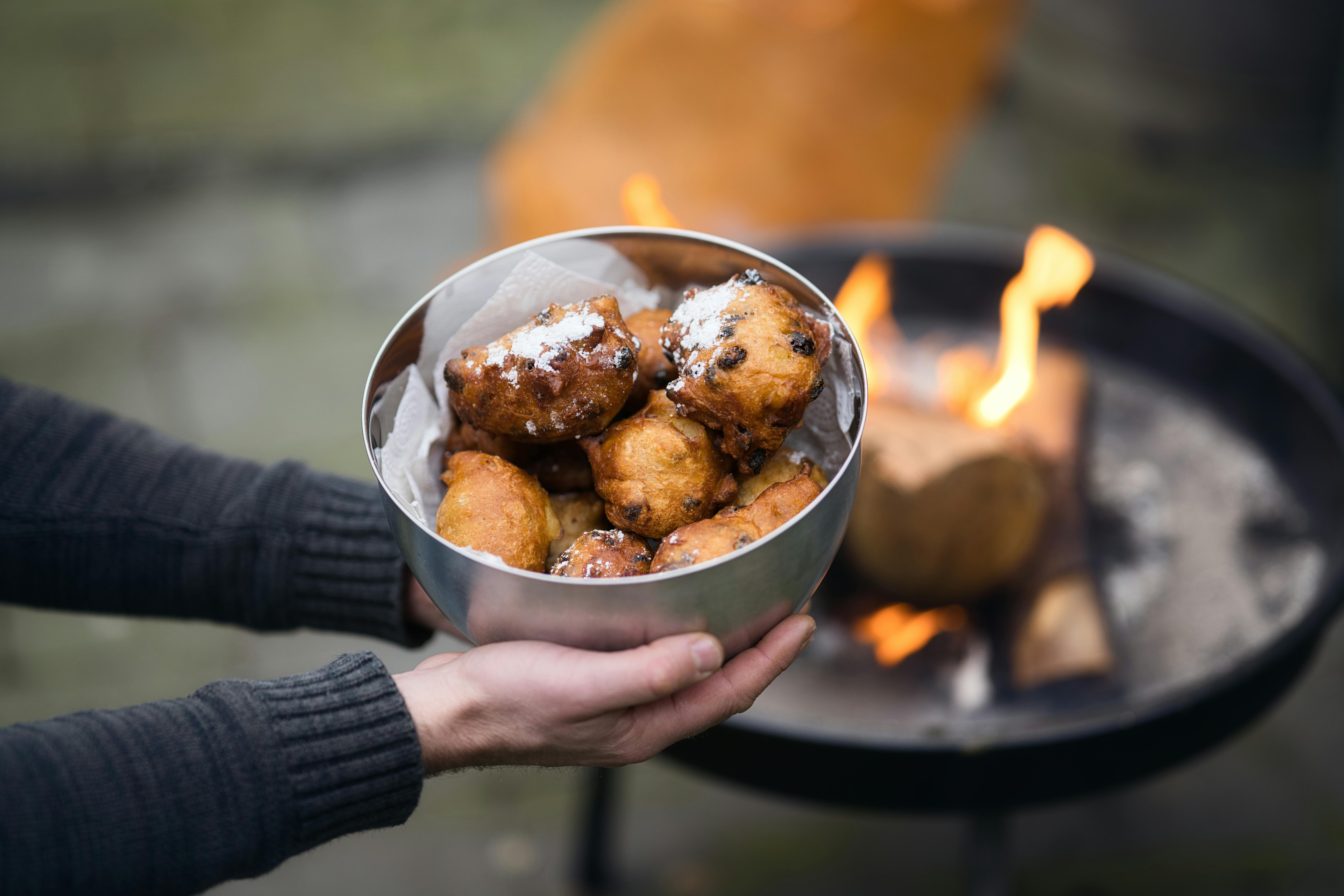
The Netherlands has long punched above its weight in food. Despite its size, it became one of the world's great agricultural and trading powers, moving butter, cheese, cocoa, sugar, and grain through European markets for centuries. That mattered because breakfast is rarely just about taste. It is shaped by what is cheap, portable, and available before the workday begins.
Dutch ports connected producers and consumers with unusual efficiency. Amsterdam and Rotterdam helped turn imported ingredients into everyday staples, especially from the 17th century onward. When a country becomes good at handling commodities, it also becomes good at normalizing them.
That is part of why Dutch breakfast culture mattered. It was practical, bread-based, dairy-heavy, and built on shelf-stable toppings. Those features now feel ordinary in many countries, but they had to be systematized somewhere first.
Bread, Butter, and the Logic of Efficiency

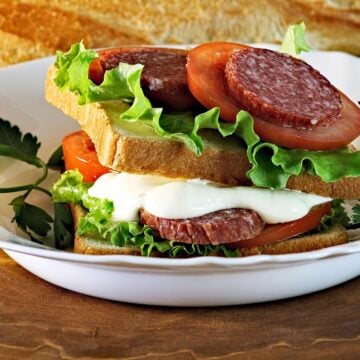
What made the Dutch morning meal distinctive was not luxury. It was discipline. A typical breakfast centered on sliced bread, butter, cheese, and sweet or savory toppings that required little cooking, little cleanup, and almost no wasted time.
This sounds simple, but simplicity scales. In growing cities and trading households, fast breakfasts worked better than elaborate hot meals. The Dutch approach suited merchants, laborers, schoolchildren, and later office workers. It fit a society that valued thrift and regularity.
That pattern spread indirectly through migration, commerce, and imitation. Northern European breakfast tables increasingly embraced breads, preserved spreads, and cold dairy. Even where people kept local traditions, the idea of breakfast as a quick assembly job rather than a cooked ritual gained ground.
The Sweet Invention That Traveled Furthest
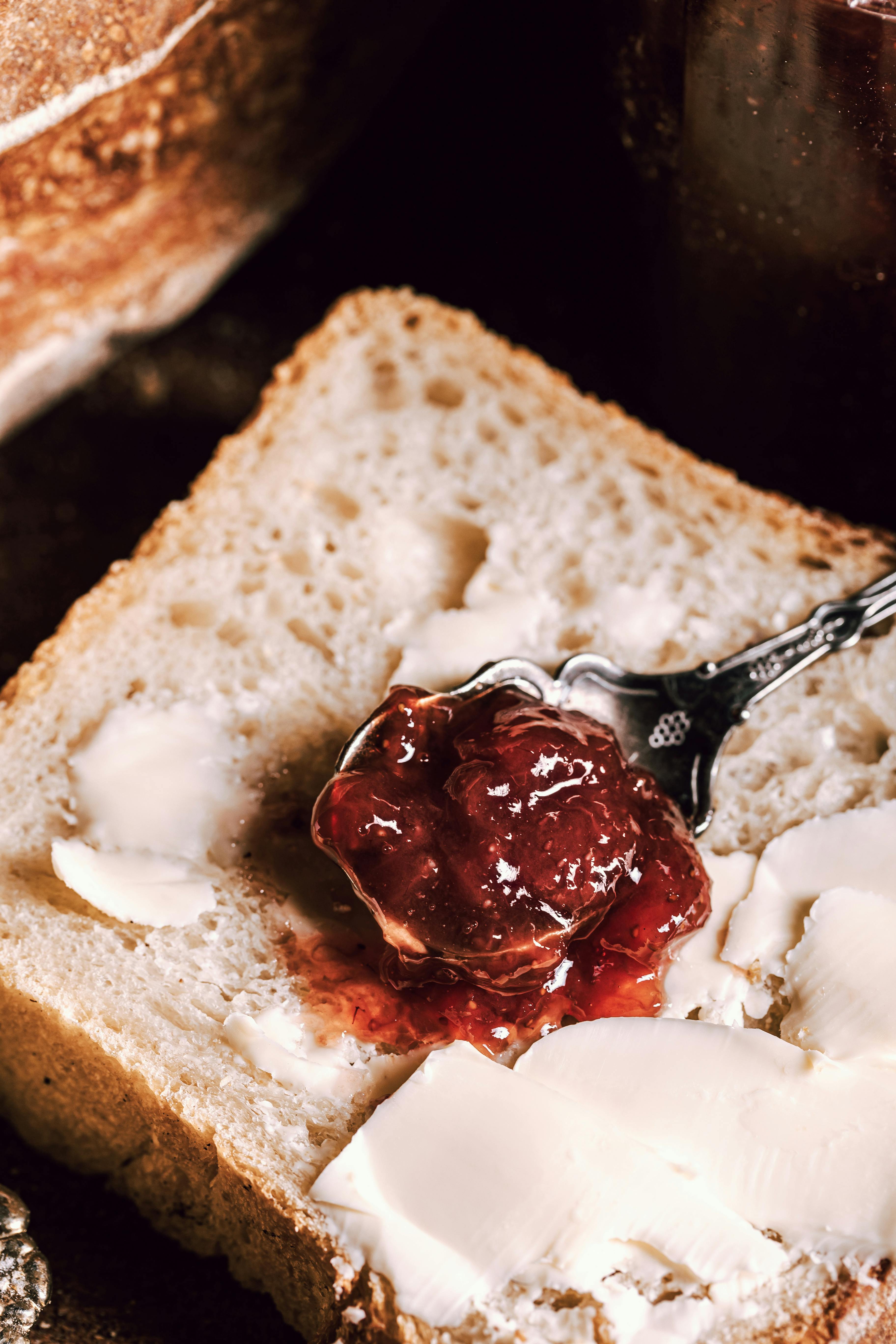
If one Dutch breakfast item symbolizes global influence, it is hagelslag, the chocolate sprinkles famously eaten on buttered bread. To outsiders, it can seem whimsical. In reality, it reflects a deeper Dutch talent for turning processed ingredients into normalized daily food.
The Netherlands sat close to major cocoa processing networks and became highly skilled in chocolate manufacture. By the late 19th and early 20th centuries, Dutch cocoa technology had already influenced how chocolate was made and consumed worldwide. Coenraad van Houten's cocoa press helped create smoother, more versatile cocoa products, according to food historians.
That innovation mattered beyond desserts. Once chocolate became easier to process, package, and distribute, it could move into breakfast. Sweet toppings for bread, cereal products, and cocoa drinks all benefited from the same industrial logic. The Dutch did not invent every sweet breakfast, but they helped make sweetness portable and routine.
Dairy Science Helped Redefine the Morning Meal

Another Dutch contribution was less flashy but more foundational. The country became a leader in dairy production, preservation, and export, building systems that made milk, butter, and cheese reliable daily foods. For breakfast culture, reliability is everything.
Dutch farmers and cooperatives refined methods that supported consistency and scale. In a pre-refrigeration world, producing dairy that could travel and keep quality was a serious advantage. Cheese on bread and butter as a standard base became easier to sustain when supply chains improved.
This model influenced neighboring countries and later global food industries. As nutrition science in the 19th and 20th centuries elevated protein, calcium, and milk fat, dairy-rich breakfasts gained legitimacy. The Dutch were well positioned because their food culture already treated dairy as a morning essential.
Trade Networks Turned Local Habits Into Global Norms
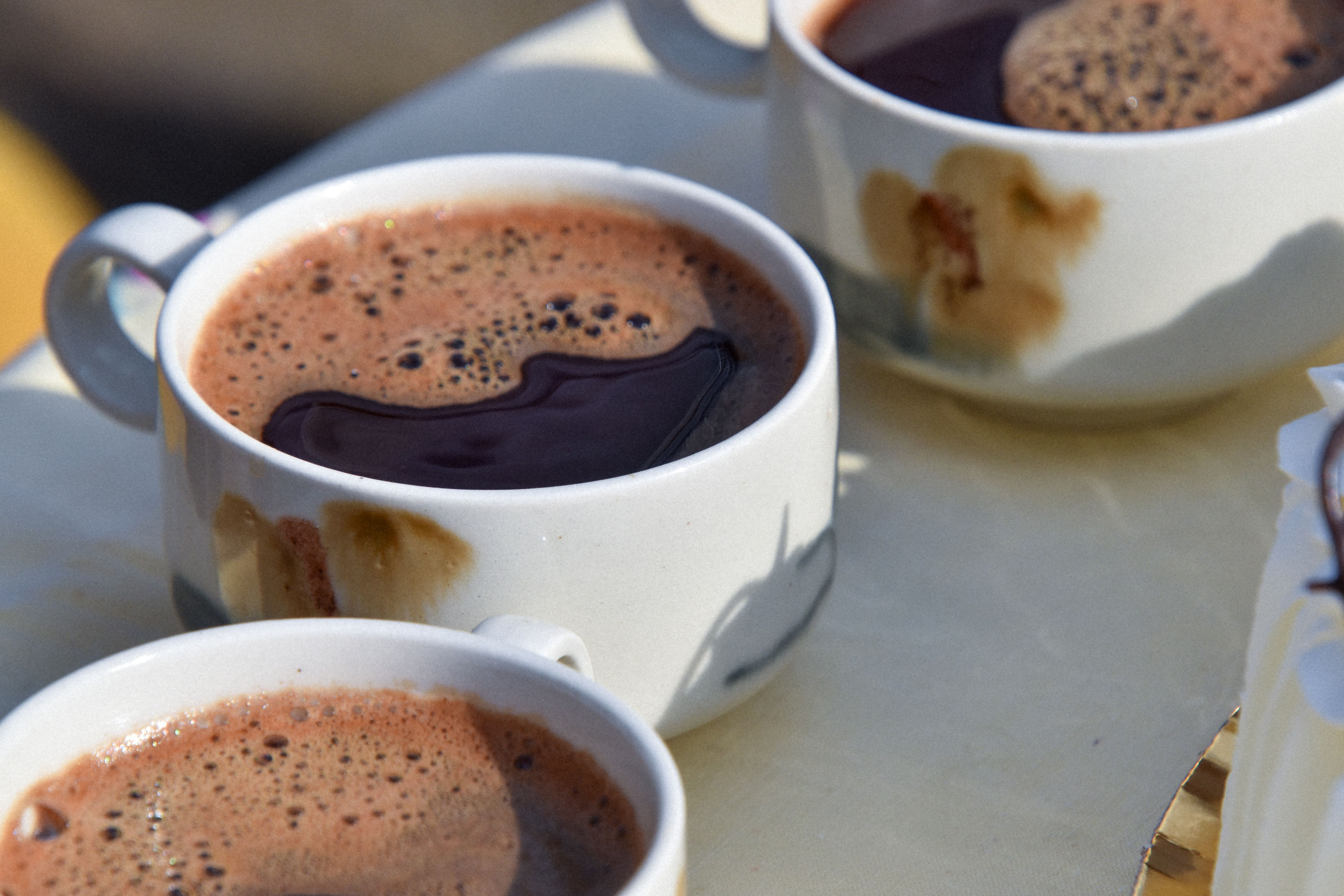
The most important Dutch effect may have been distribution. A breakfast style only changes the world if goods, habits, and formats travel. The Netherlands excelled at all three, first through maritime trade and later through food processing, packaging, and retail systems.
Colonial and commercial networks connected Dutch consumers to sugar, spices, coffee, tea, and cocoa. Those imports did not stay exotic for long. They were absorbed into ordinary eating patterns, then mirrored elsewhere as global trade intensified.
This is how breakfast modernized. Coffee became a morning expectation, sweetened bread toppings became familiar, and processed convenience foods became respectable. The Dutch were not alone in that transformation, but they were early, efficient, and unusually influential in making imported foods feel everyday.
Why Dutch Breakfast Still Feels Surprisingly Modern
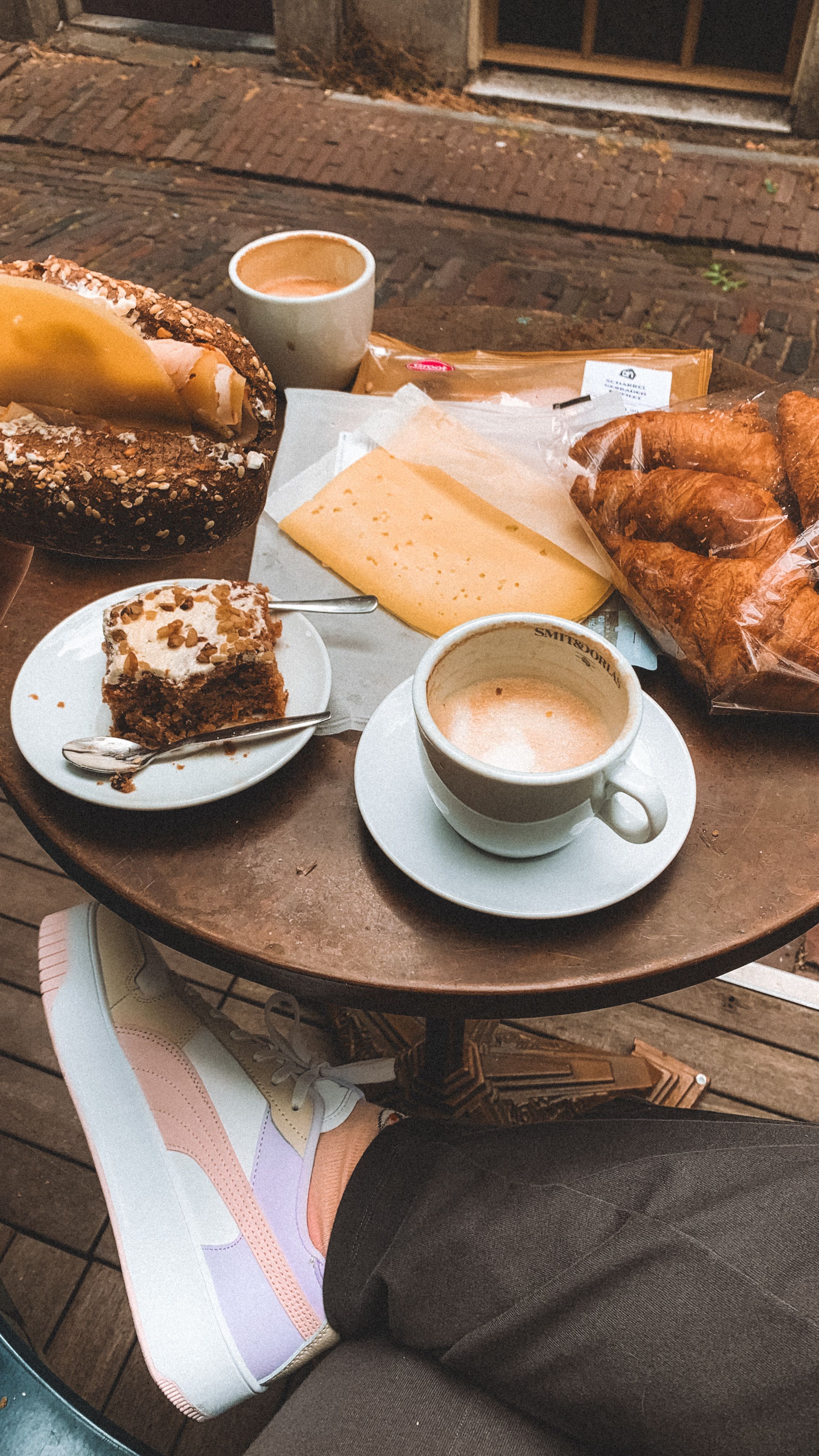
What is striking today is how contemporary the Dutch formula still looks. Bread, dairy, coffee, packaged toppings, and minimal preparation describe millions of breakfasts worldwide. It resembles the weekday meals of students, commuters, and families from Europe to Latin America and beyond.
Modern food companies thrive on exactly this template. They sell convenience, consistency, portion control, and shelf stability, all qualities embedded in Dutch breakfast habits long ago. Even cereal bars and toaster snacks follow the same principle: make the morning fast, tidy, and dependable.
So the Netherlands did not conquer breakfast through a single dish. It changed breakfast by perfecting a system. In that system, trade supplied ingredients, industry standardized them, and culture made them feel normal. That is how a modest national habit became a global routine.
Leave a Reply