
Grocery bills are still stinging across Canada. Yet inside Costco, some products keep selling because shoppers see them as practical answers to rising prices.
Rotisserie chicken remains the clearest value signal
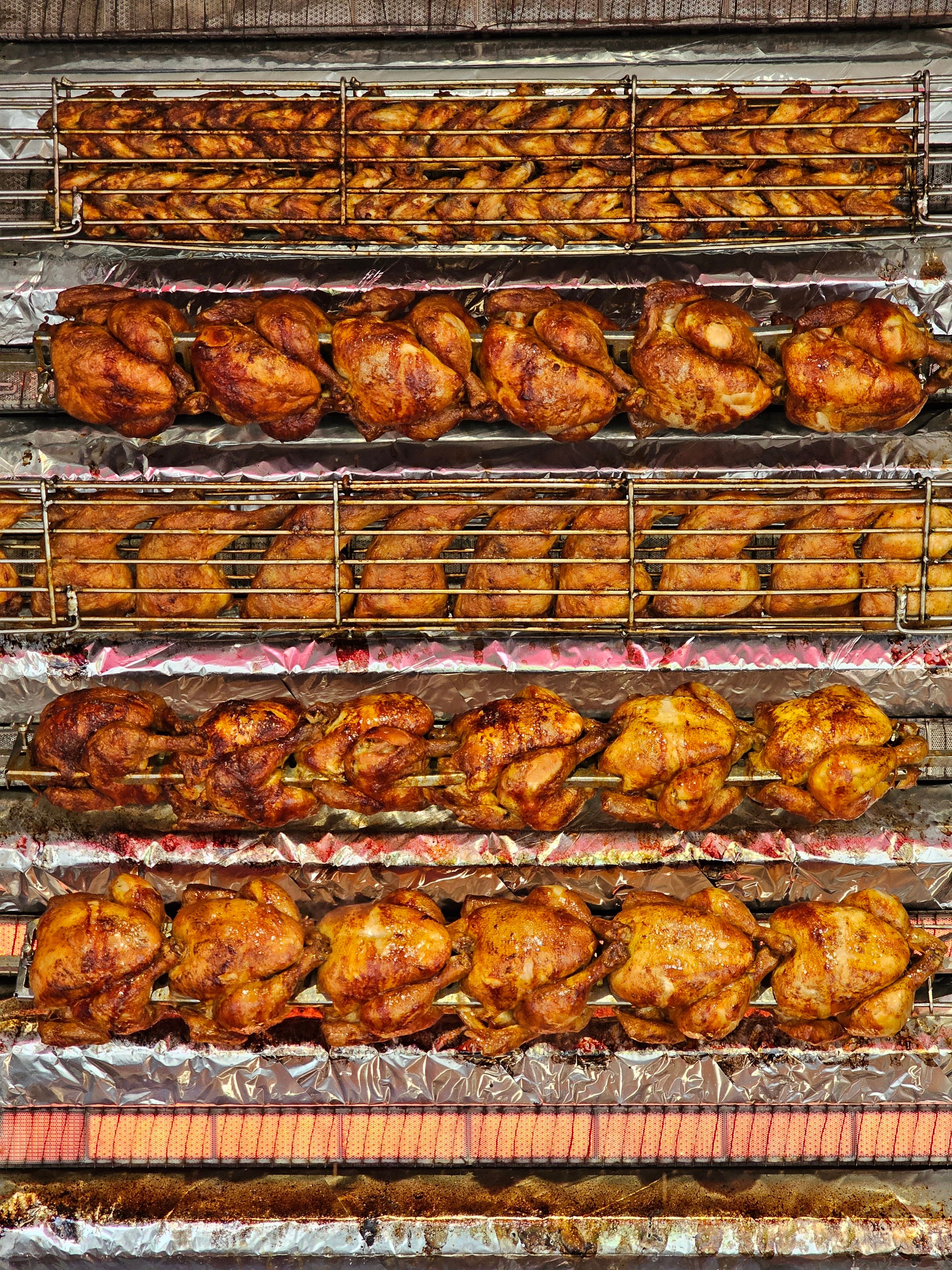
Nothing captures Costco's value reputation better than its rotisserie chicken. In Canada, it remains one of the store's most talked-about grocery buys because it solves two problems at once: price and convenience.
For families comparing protein costs, a ready-to-eat chicken often beats the per-meal cost of takeout and can compete with raw meat once preparation time is considered. Shoppers stretch it across several meals, using breast meat for dinner, leftovers for sandwiches, and the rest for soup or pasta.
That flexibility matters more during inflation. When households are watching waste closely, products that can be repurposed easily gain a clear advantage, and Costco's chicken keeps earning repeat purchases for exactly that reason.
Eggs, milk, and butter keep drawing budget-minded households
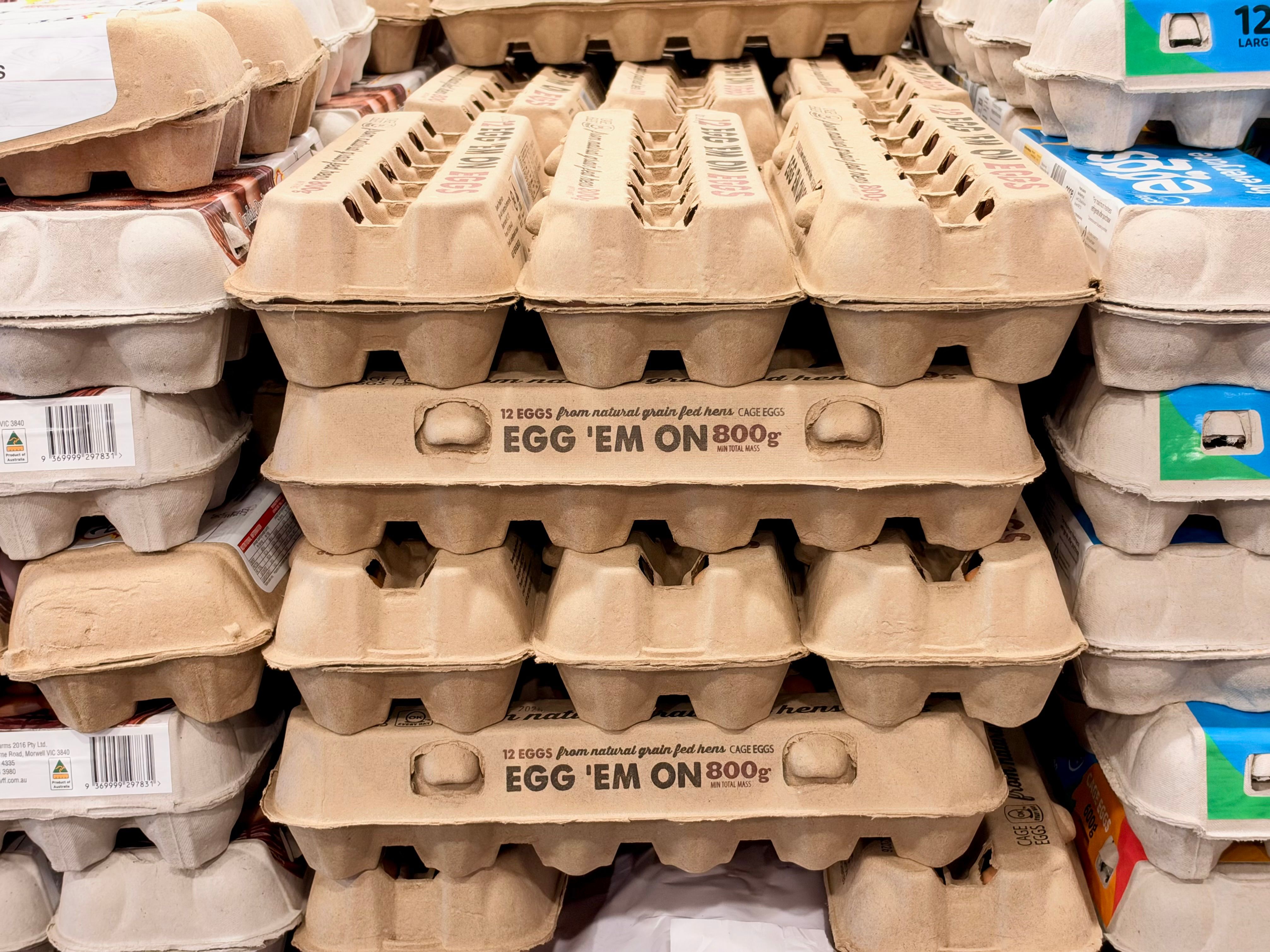
Staples do not generate excitement, but they drive repeat traffic. Canadians continue buying eggs, milk, and butter at Costco because these basics sit at the center of everyday cooking, school lunches, and baking, making them hard to cut from the budget.
According to Statistics Canada reporting over the past two years, dairy and egg prices have stayed under pressure even when headline inflation has cooled. That has pushed more consumers toward warehouse formats where unit pricing is often more attractive, especially for larger households.
Costco benefits because shoppers do the math quickly. If a family knows it will use two dozen eggs, multiple litres of milk, or a large package of butter before expiry, buying in bulk feels less like indulgence and more like a defensive budgeting move.
Pantry basics win because predictability now matters

Inflation changes how people shop, but it also changes how they think. One reason pantry goods such as rice, pasta, flour, canned tomatoes, peanut butter, and cooking oil keep moving at Costco is that they offer predictability in a market where weekly flyers can feel erratic.
These are ingredients Canadians rely on to build affordable meals at home. A large bag of rice or flour can anchor dozens of servings, while multipacks of canned goods reduce the risk of paying higher prices later in the month when grocery budgets are already stretched.
Kirkland Signature plays an important role here. Store-brand products are often perceived as a quality-to-price compromise that works, and in an inflationary period, trust in that balance becomes a powerful reason shoppers return for the same pantry items again and again.
Cheese and deli items still feel worth the bulk purchase
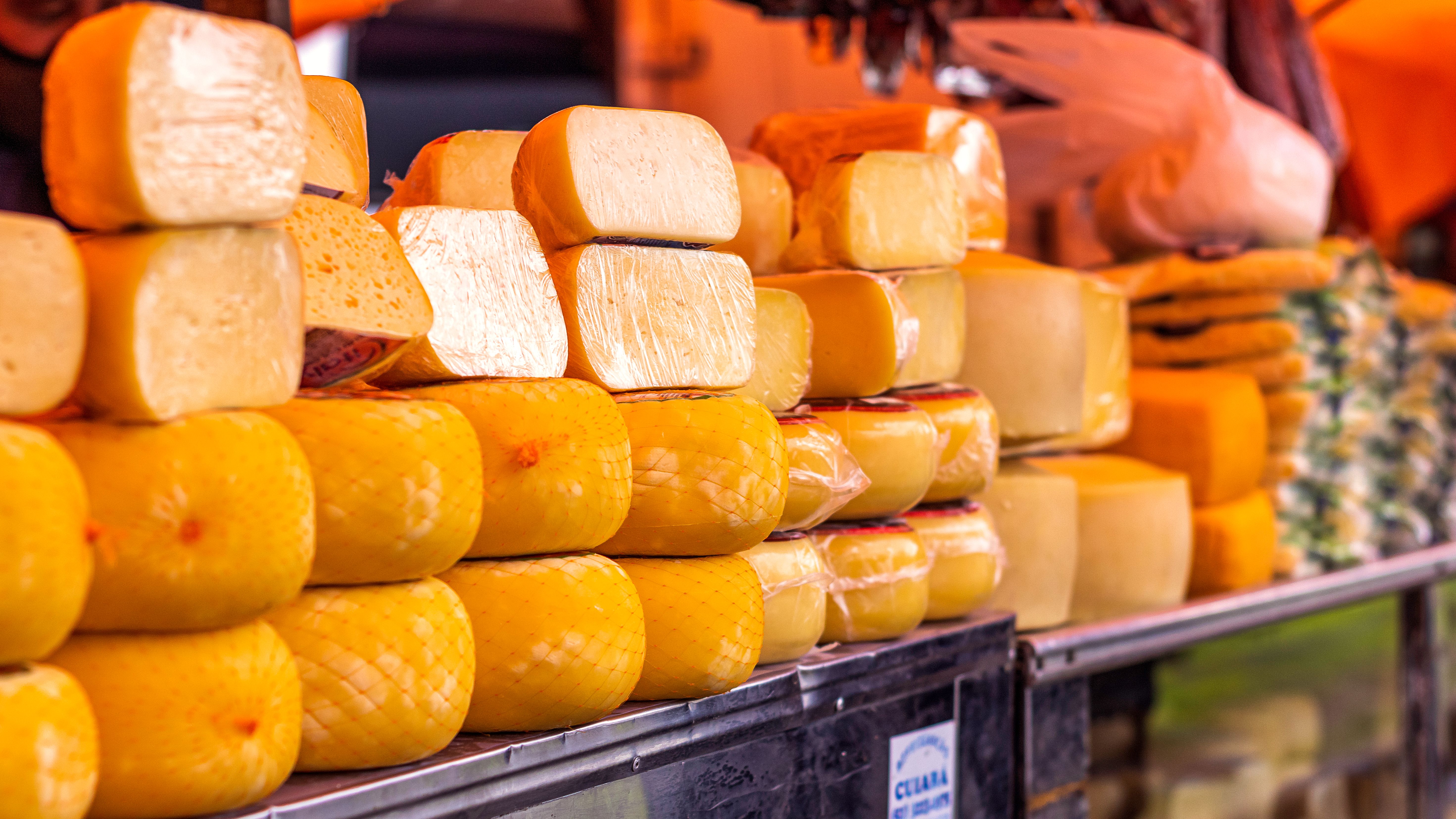
At first glance, cheese may seem like a product shoppers would trim back on. In practice, many Canadians continue buying large Costco packs because the per-unit savings can be meaningful, particularly for families packing lunches or cooking at home several nights a week.
Cheddar blocks, shredded cheese, sliced cheese, and deli meats often serve multiple functions. They move from breakfast to sandwiches to casseroles, which makes them versatile enough to justify a warehouse-sized purchase when household consumption is steady.
There is also a substitution effect at work. When restaurant meals become more expensive, consumers look for small ways to make home food feel satisfying, and better-priced cheese, cured meats, and deli staples help recreate that sense of abundance without the full cost of dining out.
Frozen foods help shoppers control both cost and waste

Freezer aisles are benefiting from a very practical consumer mindset. Canadians continue stocking up on frozen berries, vegetables, pizzas, breaded chicken, and seafood at Costco because frozen products offer long shelf life, portion control, and less spoilage.
That matters in a high-price environment. Food waste is effectively money thrown away, so products that can sit safely for weeks or months give shoppers more control over when and how they use what they buy.
Costco's larger formats can actually work well here. A big bag of frozen fruit for smoothies or a large box of frozen vegetables for side dishes may look like a splurge upfront, but the cost per serving often makes strong financial sense over time.
Why these Costco staples keep surviving price fatigue

The common thread across Costco's bestselling grocery items is not just low sticker price. It is usefulness. Canadians keep returning to products that serve many meals, store well, and reduce the need for more expensive alternatives like takeout, convenience foods, or repeated small-store trips.
There is also a psychological factor. In uncertain times, shoppers reward retailers and products that feel consistent, and Costco has built loyalty around the idea that certain staples will remain dependable value plays even when the wider market feels volatile.
That is why these products keep landing in Canadian carts. They are not merely popular items. They are budgeting tools, meal-planning shortcuts, and a practical response to the reality of paying more for food almost everywhere else.




Leave a Reply