
Costco looks familiar across Canada, but Quebec warehouses tell a different story. Their shelves reveal how local taste can reshape even the country's biggest big-box experience.
Fresh cheese curds are one of Quebec's clearest advantages
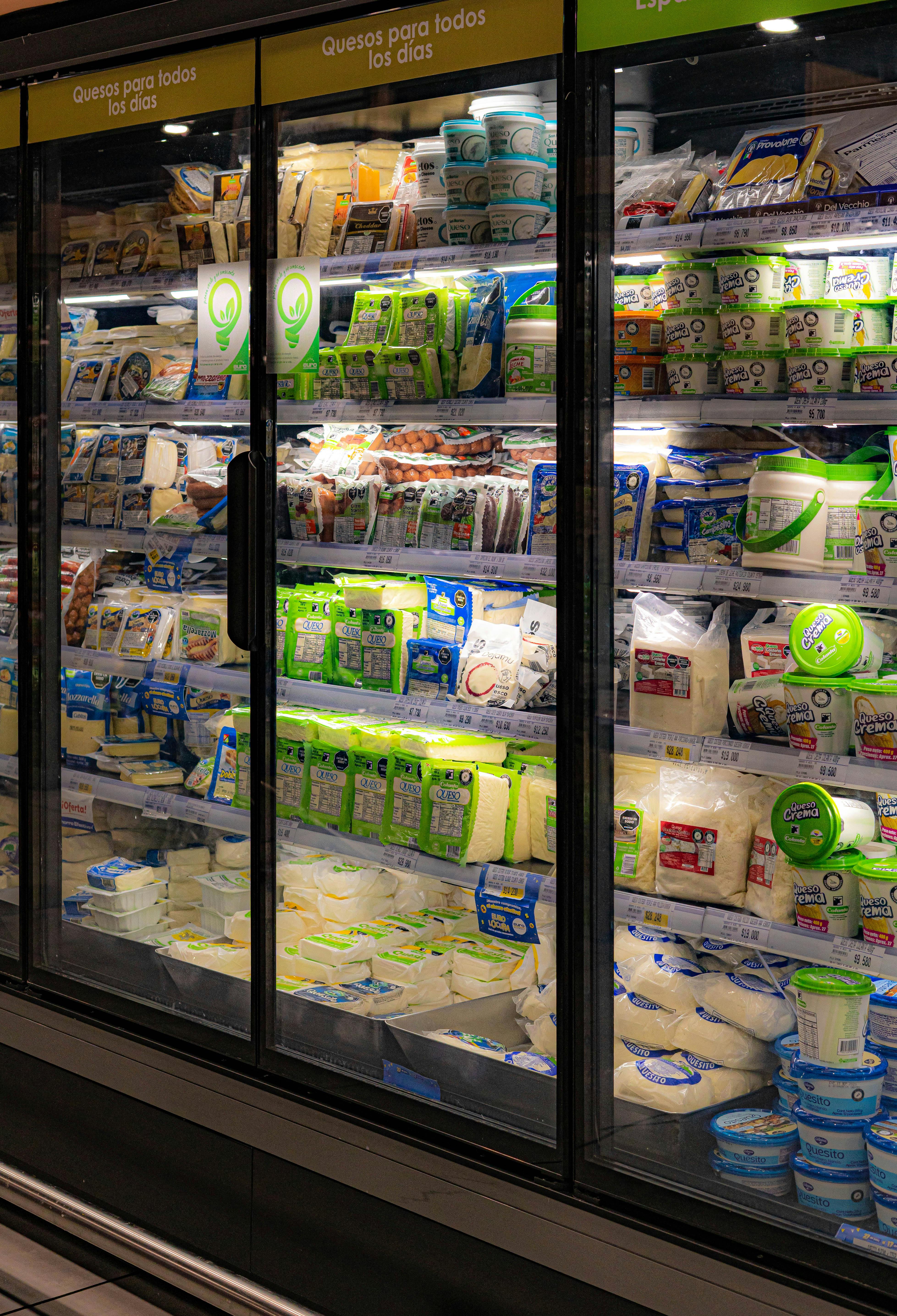
Nothing says Quebec convenience food culture quite like fresh cheese curds. In many Quebec Costco locations, shoppers can find bags of squeaky curds that are noticeably fresher and easier to get than in most other provinces.
That matters because curds are not just a snack here. They are a daily ingredient tied directly to poutine, casse-croûte culture, and the province's strong dairy identity, which has long supported local cheesemakers and high-turnover fresh production.
Outside Quebec, Costco shoppers may see shredded cheese, blocks, and specialty imports, but truly fresh curds are less consistent. Quebec's stronger distribution network makes the product viable at warehouse scale, which is exactly why locals treat it as normal and visitors see it as a lucky score.
Tourtière and meat pies reflect deep regional food traditions

Walk through a Quebec Costco during colder months and the prepared food selection often feels distinctly regional. One standout is tourtière, the savory meat pie associated with holiday tables, family gatherings, and generations of French Canadian home cooking.
This is not just nostalgia in a box. Retailers stock tourtière because demand is real, especially around Christmas and New Year's, when traditional foods still drive significant grocery spending across the province.
Some locations also carry related meat pies and pâté-style products that echo old-school butcher counters. These items are practical for busy families, but they also show how Costco responds when a regional dish has enough emotional pull and steady sales to justify valuable freezer and refrigerated space.
Maple desserts and sugar shack flavours get more room here
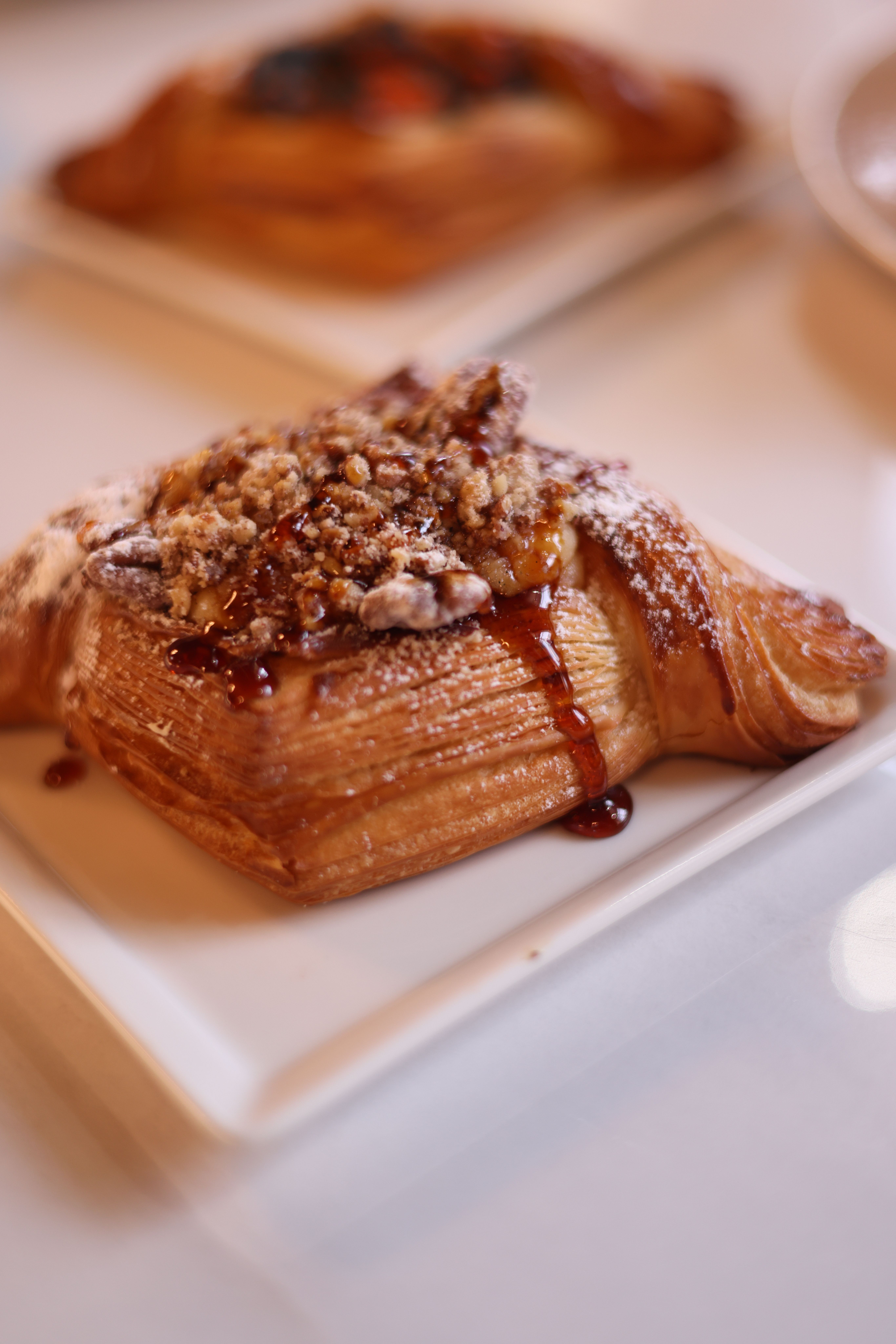
Quebec does not merely like maple. It builds seasonal identity around it, and Costco reflects that with a stronger assortment of maple-forward foods than many shoppers in Western or Atlantic Canada typically encounter.
You may see maple cookies, maple butter, maple tarts, and desserts inspired by cabane à sucre traditions. These are not random souvenirs but products that connect directly to a provincial industry in which Quebec remains the dominant producer of maple syrup in Canada.
That local supply matters. With shorter sourcing chains and a customer base already primed for maple-rich flavours, Quebec warehouses can carry larger volumes and more variation, including giftable items and bakery treats that might be too niche for broader national distribution.
French brands and Quebec labels have a bigger presence

Modified version: Cornischong at lb.wikipedia/Wikimedia Commons
One of the most noticeable differences in Quebec Costco locations is the heavier presence of French-language packaging and Quebec-made grocery brands. This is partly regulatory, but it is also a straightforward response to shopper preference and familiarity.
Regional sauces, deli items, desserts, and frozen foods often come from Quebec companies that already have loyal followings in supermarket chains across the province. Costco benefits by bringing those same names into bulk formats or multipacks that suit warehouse shoppers.
For consumers, this changes the feel of the store. Instead of a mostly national assortment with a few local touches, Quebec locations can seem more rooted in their own food economy, proving that scale retail still leaves room for distinct cultural merchandising.
Smoked meat and deli culture leave their mark
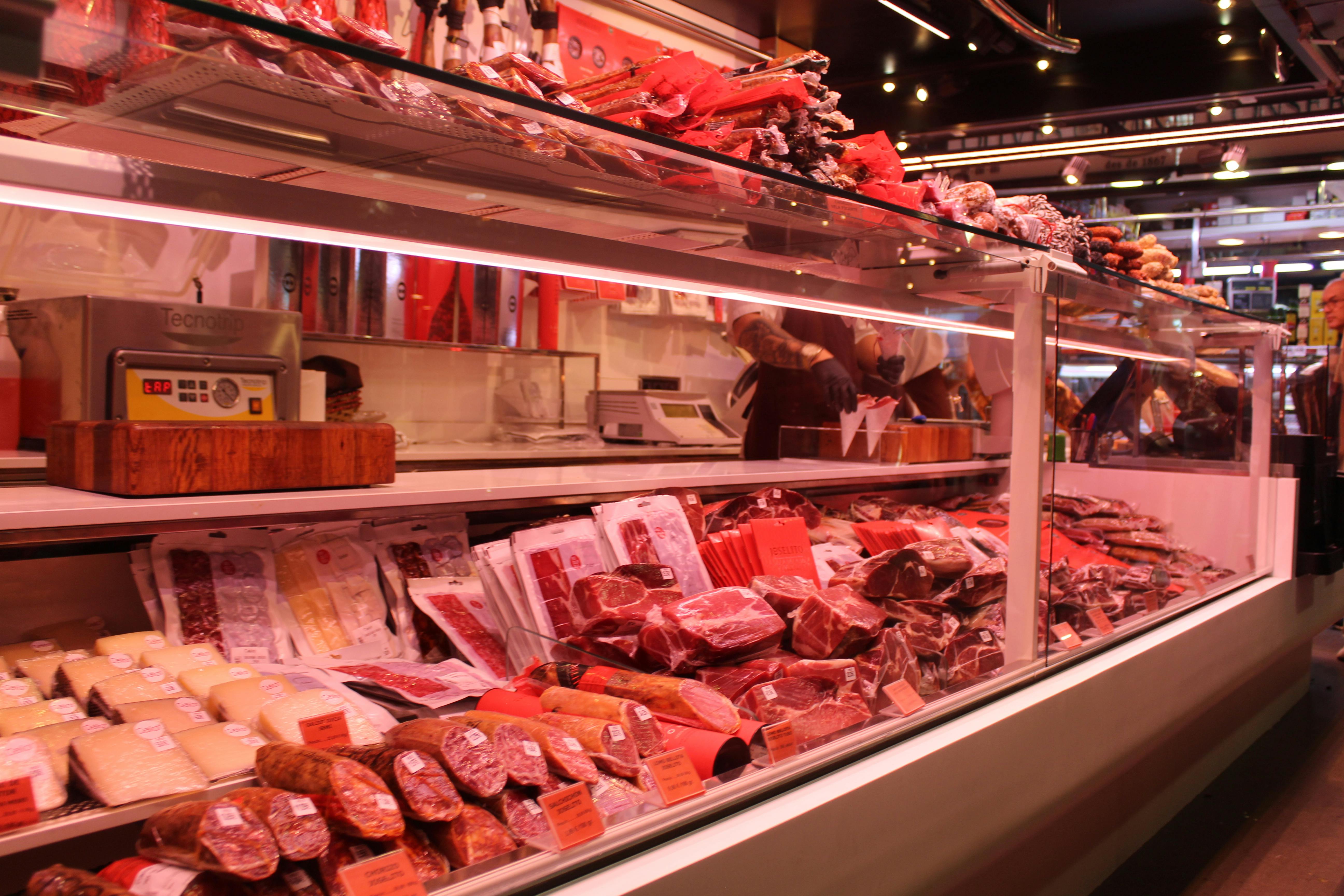
Montreal's deli heritage has enormous influence, and Costco in Quebec reflects that with products linked to smoked meat, mustard, rye, and ready-to-serve charcuterie traditions. Even when the exact assortment varies, the regional influence is easy to spot.
Smoked meat in Quebec is not just another sandwich filling. It is a category shaped by legendary delis, local competition, and customers who know exactly what texture, spice balance, and slice thickness should look like.
That creates a higher bar for retailers. Quebec Costco locations are more likely to support these items because there is built-in demand, and because shoppers there recognize quality differences quickly, rewarding stores that stock products with real local credibility rather than generic imitations.
Why Quebec Costco feels more localized than the rest of Canada

The bigger lesson is not that Quebec gets a few special treats. It is that Costco's Quebec strategy shows how a warehouse giant can still operate like a regional merchant when the local food culture is strong enough.
Language, regulation, supplier networks, and consumer loyalty all play a role. So do practical economics, since products with deep regional demand tend to move faster, making them ideal for Costco's high-volume model.
For shoppers outside Quebec, that can feel like missing out, and in many ways it is. Quebec locations often offer a richer sense of place, where bulk buying meets genuine local identity and familiar products become a snapshot of an entire province's eating habits.




Leave a Reply