
Few food stories have endured like this one. The controversy around Coke's recipe changes still shapes how people talk about taste, trust, and brand loyalty.
Why this debate never really went away
At the center of the conversation is a simple question: when people say Coke changed, which change do they mean? For many Americans, the answer is New Coke in 1985, the reformulation that replaced the original flagship taste after Coca-Cola's own research suggested consumers preferred a sweeter profile in blind tests.
That move quickly became a case study in how product testing can miss emotional attachment. People were not just comparing flavor notes. They were reacting to the loss of a familiar product tied to memory, identity, and routine, and the backlash arrived through protest calls, letters, and national media coverage.
Even after Coca-Cola brought back the original formula as Coca-Cola Classic, suspicion lingered. Fans began treating every slight taste difference, packaging update, or ingredient label shift as possible evidence that the company had changed something again, and that reflex has never fully disappeared.
The shadow of New Coke still defines the story
What made New Coke so explosive was not simply that it tasted different. It arrived at a moment when Coca-Cola represented continuity, and changing it felt, to many customers, like rewriting a piece of everyday American culture in pursuit of market share against Pepsi.
According to company histories and reporting from the time, New Coke was developed after extensive taste testing. In controlled sips, many participants liked the sweeter formula. But people do not drink soft drinks in isolated laboratory moments. They buy them in habits, meals, celebrations, and rituals that shape perception.
The lesson has echoed across the consumer goods industry ever since. A brand can own a flavor, but it also owns expectations. When those expectations are disrupted, even a technically successful formula can fail in the market because customers believe the company no longer understands what made the product matter.
Modern recipe changes are quieter but still controversial
Today's Coke debates are less dramatic, but they are real. In different markets, Coca-Cola adjusts formulas for regulation, local taste, ingredient availability, and health policy, especially around sugar reduction. That means a bottle purchased in Mexico, the United States, or the United Kingdom may not taste exactly the same.
One of the biggest talking points is sweetener choice. U.S. Coca-Cola is commonly made with high-fructose corn syrup, while Mexican Coke is often associated with cane sugar, leading many fans to claim it tastes cleaner or less syrupy. Food writers and sensory experts note that packaging, temperature, and expectation can influence those judgments too.
There have also been reformulations linked to public health pressure. In markets facing sugar taxes or stricter nutrition goals, beverage makers have reduced sugar or blended sweeteners to preserve taste while lowering calories. These changes can be subtle, but regular drinkers often notice even small shifts immediately.
Why fans insist they can taste every difference
Regular Coke drinkers tend to build a powerful sensory memory. They know how the drink should hit the tongue, how quickly the sweetness arrives, how sharp the carbonation feels, and even how the aftertaste should fade. When any one of those elements changes, the product can seem off, even if the label looks familiar.
Psychologists and food researchers have long noted that expectation shapes flavor perception. The same beverage can seem different depending on whether it comes from a glass bottle, plastic bottle, or aluminum can. Branding, nostalgia, and context all affect what people believe they are tasting.
That helps explain why online debate remains so intense. Some consumers describe a flatter finish, others point to sweeter notes, and still others blame packaging changes rather than formula shifts. What sounds subjective is often rooted in a real combination of chemistry, memory, and brand psychology.
Coca-Cola has had to balance heritage with reality
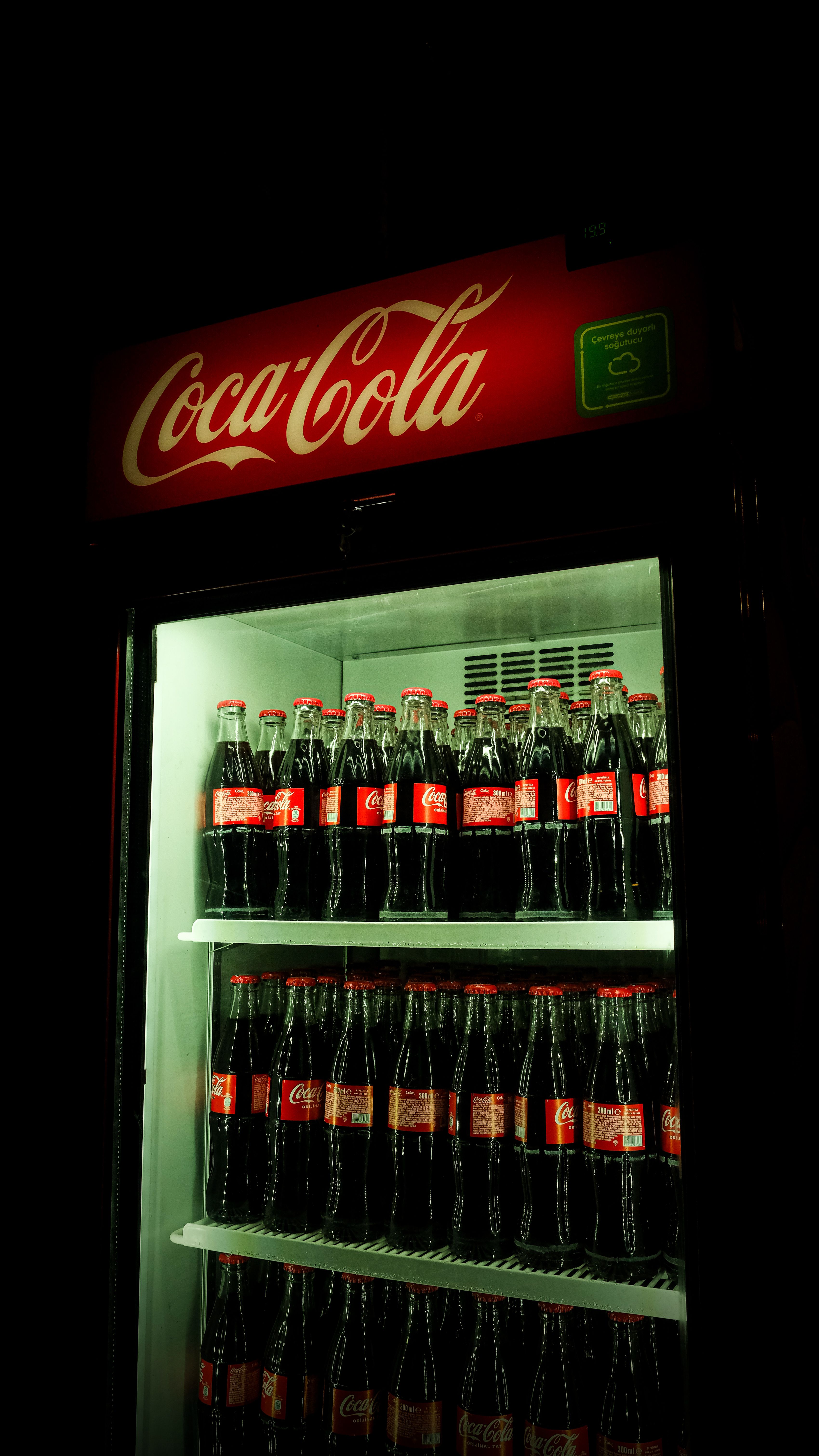
For Coca-Cola, the challenge is unusually difficult. It must protect one of the most recognizable flavors in the world while adapting to changing consumer habits, ingredient economics, and government rules. A global brand at that scale cannot operate as if every market has the same cost structure, tax policy, and public health environment.
The company has often responded by emphasizing choice rather than one universal answer. Alongside original Coca-Cola, it offers Diet Coke, Coke Zero Sugar, regional package formats, and in some cases market-specific formulations. That strategy reduces risk, but it also keeps the recipe conversation alive among dedicated fans.
Brand experts often cite Coca-Cola as proof that transparency matters when changing beloved products. Consumers may accept reformulation if the reason is clear and the taste remains close to expectations. What they resist is the feeling that something fundamental changed without an honest explanation.
What this says about modern food loyalty

The lasting fascination with Coke's recipe is really a story about trust. People expect famous products to stay stable, especially when those products are woven into family meals, holidays, road trips, and daily routines. A change in flavor can feel bigger than it is because it touches memory as much as preference.
That is why this debate still resonates decades later. Coke is not just a soft drink to its most loyal fans. It is a benchmark, and any change, whether major like New Coke or subtle like a sweetener adjustment, becomes a test of whether the brand still respects its own identity.
In that sense, the conversation will probably never end. As long as recipes evolve, markets differ, and consumers compare notes, people will keep asking the same question with surprising passion: does Coke still taste the way it is supposed to taste?



Leave a Reply