
It was once the kind of item many Canadians kept in the cupboard without much thought. Now, that same staple is being poured, brushed, reduced, and paired with luxury ingredients in some of Europe's most ambitious restaurants.
Why maple syrup has become a luxury ingredient

The pantry staple in question is maple syrup, and its rise is not a passing fad. In Canada, especially in Quebec, it has long been affordable, familiar, and woven into everyday cooking. In Europe's fine-dining circles, however, chefs increasingly treat it less like a pancake topping and more like a rare finishing ingredient with real culinary depth.
Part of the appeal is flavor complexity. Good maple syrup carries notes of caramel, toasted nuts, vanilla, smoke, coffee, and even dried fruit, depending on the harvest and grade. That layered profile gives chefs a natural sweetener that can do more than add sugar. It can add structure, aroma, and a sense of place.
According to industry figures from Quebec's maple sector, Canada produces the overwhelming majority of the world's maple syrup, with Quebec dominating global supply. That concentration matters. In luxury food culture, ingredients tied to a specific region often gain prestige, especially when chefs can talk about craft, climate, and origin in the same breath.
What European Michelin-star chefs see in it
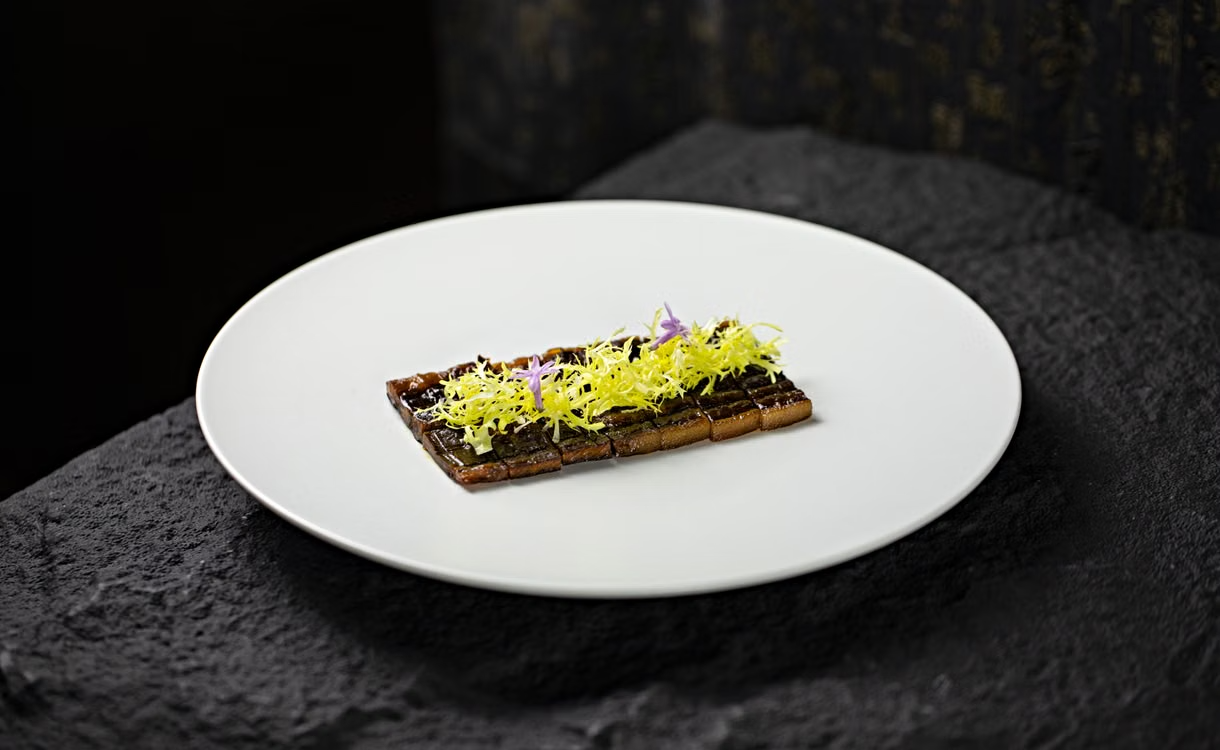
For elite chefs, maple syrup solves several problems at once. It offers sweetness, yes, but also acidity, bitterness, and color when heated correctly. That means it can replace or reduce the need for refined sugar in glazes, sauces, and desserts while delivering a more nuanced result on the plate.
In Michelin kitchens, it is showing up in surprising places. Chefs use it to lacquer duck, deepen jus, balance root-vegetable purées, and sharpen vinaigrettes. It also works with luxury products that might seem unlikely at first, including foie gras, lobster, venison, and aged cheeses. The best versions bring contrast rather than blunt sweetness.
European chefs are also responding to diners' preferences. Guests increasingly want ingredients that feel authentic, minimally processed, and traceable. Maple syrup fits that mood perfectly. It comes from sap, relies on seasonal conditions, and carries a story of forests, freeze-thaw cycles, and careful boiling that feels worlds apart from anonymous industrial sweeteners.
The quality gap between supermarket syrup and chef-grade bottles
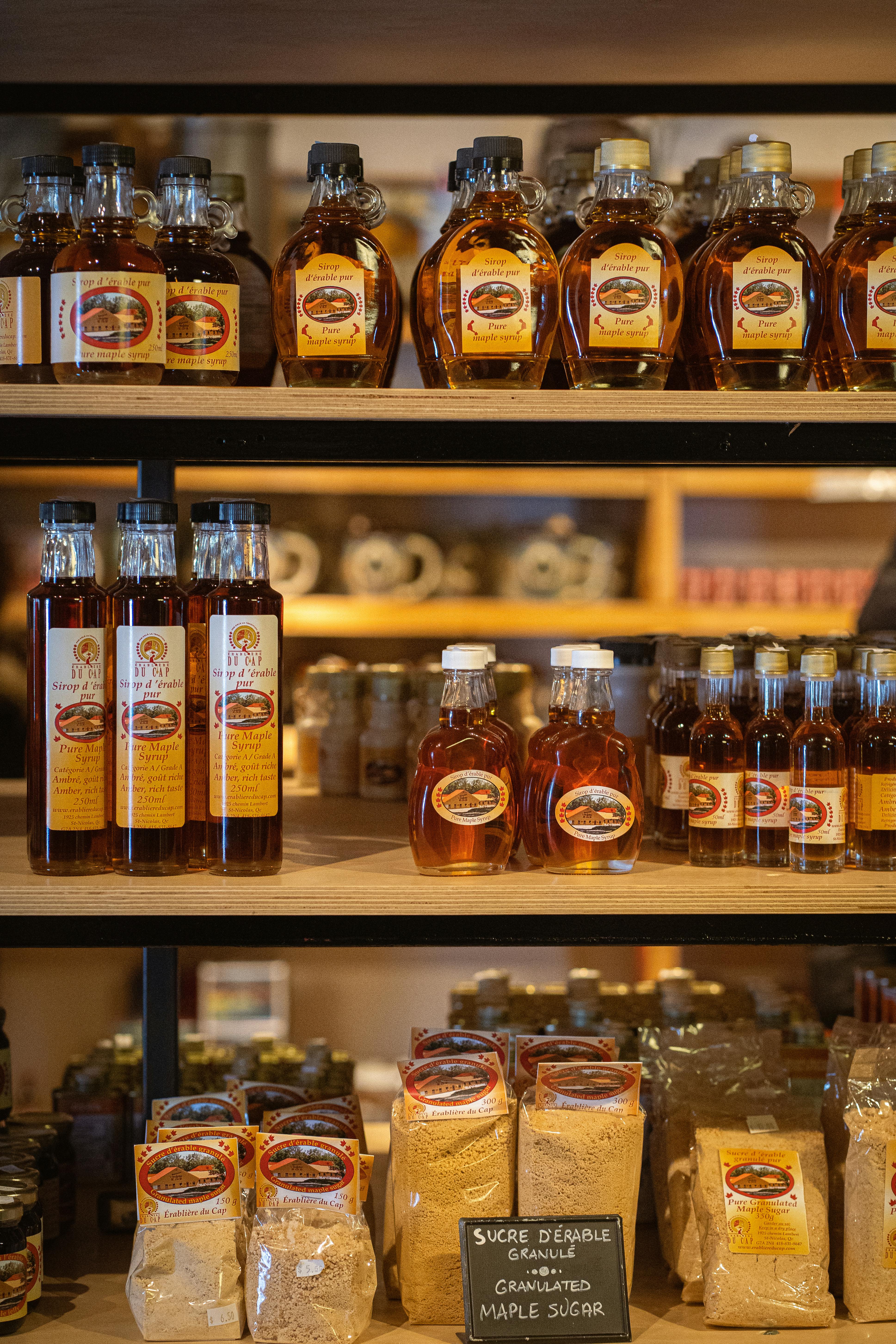
Not all maple syrup is equal, and this is where the premium pricing begins to make sense. Mass-market bottles sold for everyday use are often perfectly good, but chefs usually seek specific grades, darker late-season syrups, or small-batch products with pronounced flavor. These bottles can command noticeably higher prices in export markets.
The grading system matters. Golden syrup is delicate and light, while amber is richer and versatile. Dark and very dark syrups often have the robust, almost savory intensity chefs love for reductions and meat cookery. In a restaurant setting, those distinctions are as meaningful as choosing between different olive oils or vinegars.
There is also the issue of transport, supply, and scale. A product that feels commonplace in Canada can become expensive once it is bottled for specialty export, imported through gourmet distributors, and positioned for high-end restaurants. Scarcity at the right end of the market often has less to do with total production than with access to the best lots.
How chefs are using it beyond dessert
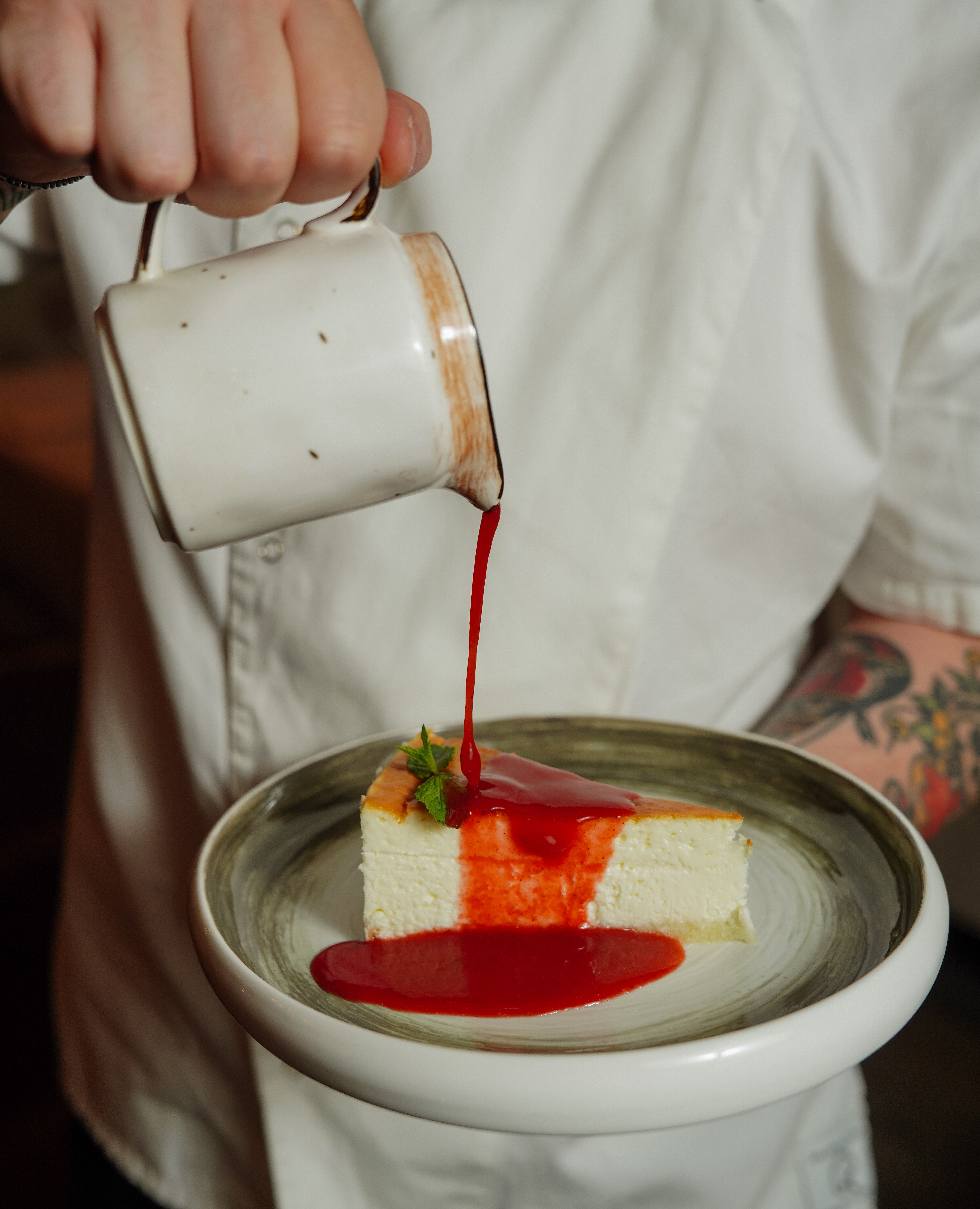
One reason maple syrup has gained serious respect is its versatility. In modern European kitchens, it is no longer limited to tarts, cakes, or breakfast-inspired plates. It appears in savory applications where its mineral edge and gentle bitterness can bring balance instead of obvious sweetness.
A chef might whisk a small amount into a sauce for roasted pigeon, where it rounds out gamey notes without overwhelming them. Another might reduce it with cider vinegar and stock to glaze carrots or turnips. Fermentation-focused kitchens use it in marinades and pickling liquids because it contributes both flavor and browning potential.
Pastry chefs, meanwhile, are using it more precisely than ever. Rather than making everything taste "mapley," they use it to add warmth to custards, mousses, ice creams, and laminated pastries. Paired with buckwheat, hazelnut, apple, pear, or rye, it can create desserts that feel elegant, regional, and far less predictable than standard sugar-based sweets.
Why Canada still sees it differently
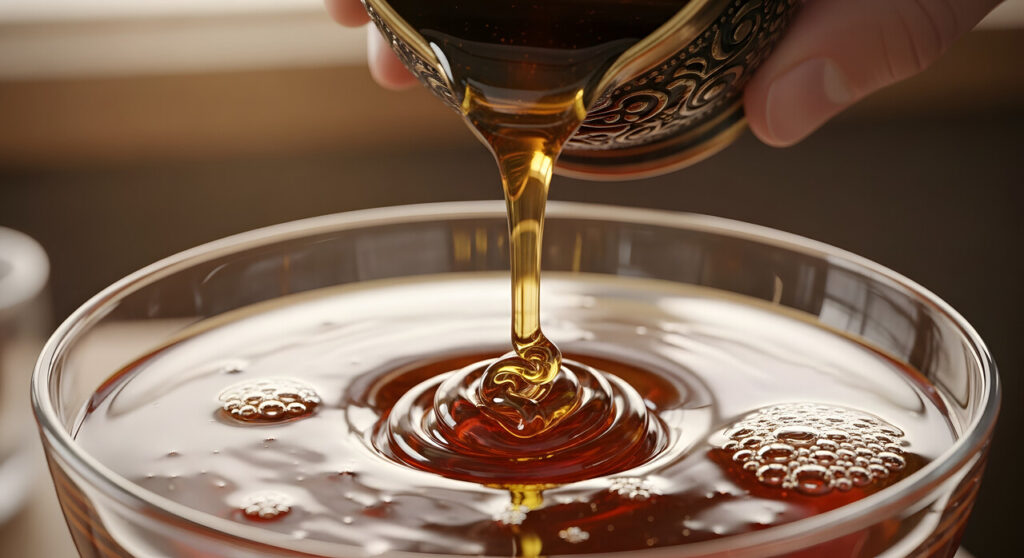
In Canada, maple syrup remains culturally close to home. It is sold in grocery stores, roadside sugar shacks, farm kiosks, and bulk formats that make it feel practical rather than exclusive. That familiarity can hide how unusual it seems to cooks elsewhere, particularly those encountering high-grade expressions for the first time.
There is a pattern here seen with many foods. Everyday products in one country often become luxury imports in another once distance, branding, and culinary fashion reshape their image. Think of how tinned fish, regional salts, or single-origin grains have traveled from humble staples to status ingredients in upscale markets.
Maple syrup follows that same path, but with one advantage. Its story is not manufactured. It really is tied to geography, seasonality, and labor. When European chefs pay premium prices, they are not just buying sweetness. They are buying a product with provenance, variability, and a flavor identity refined enough to stand beside the world's best pantry ingredients.
What this trend says about the future of fine dining
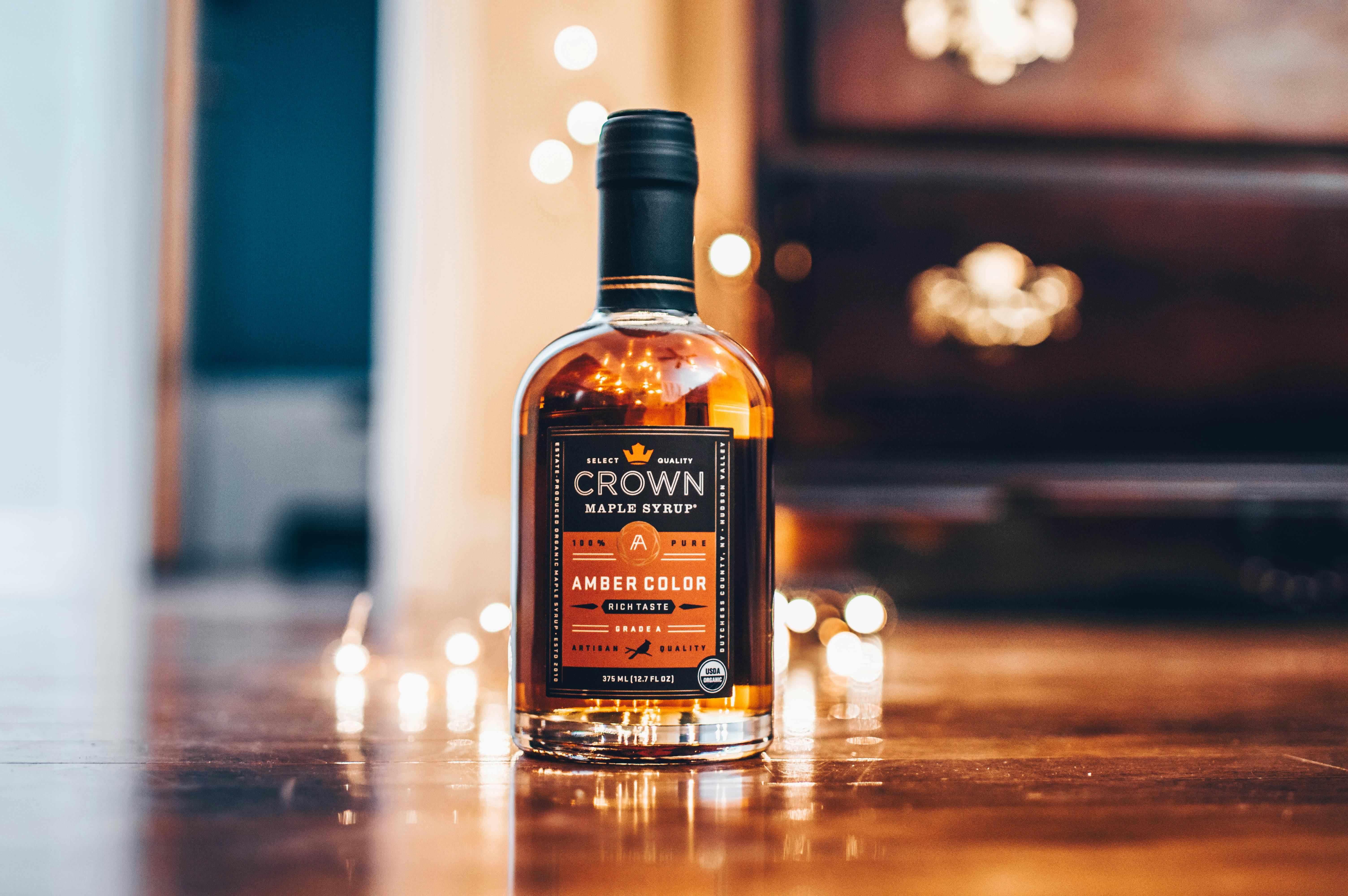
The maple syrup story reveals a broader shift in luxury cooking. Fine dining is moving away from showing off only through rarity and expense. Increasingly, chefs want ingredients that can signal authenticity, sustainability, and craftsmanship while still delivering technical performance in the kitchen.
That is why a once-modest Canadian staple can suddenly matter so much in Europe. Maple syrup offers a clean-label sweetener, deep flavor concentration, and a strong narrative of origin. In an era when diners care about how food is made as much as how it tastes, those qualities translate directly into value.
The result is a quiet reordering of culinary prestige. Ingredients once dismissed as simple or rustic are being reexamined by top chefs with sharper attention and better technique. Maple syrup may have started as a familiar cupboard item, but in the right hands, it has become exactly what fine dining now prizes most: honest, distinctive, and exceptionally useful.



Leave a Reply