Takeout and food court lunches add up fast, especially when workdays get hectic and cooking feels like one more task. Across Canada, plenty of people are falling back on simple packed meals that are affordable, filling, and realistic to make on a busy night. These are the kinds of lunches that rely on pantry basics, leftovers, and familiar grocery staples rather than aspirational meal-prep perfection.
Leftover Pasta Salad
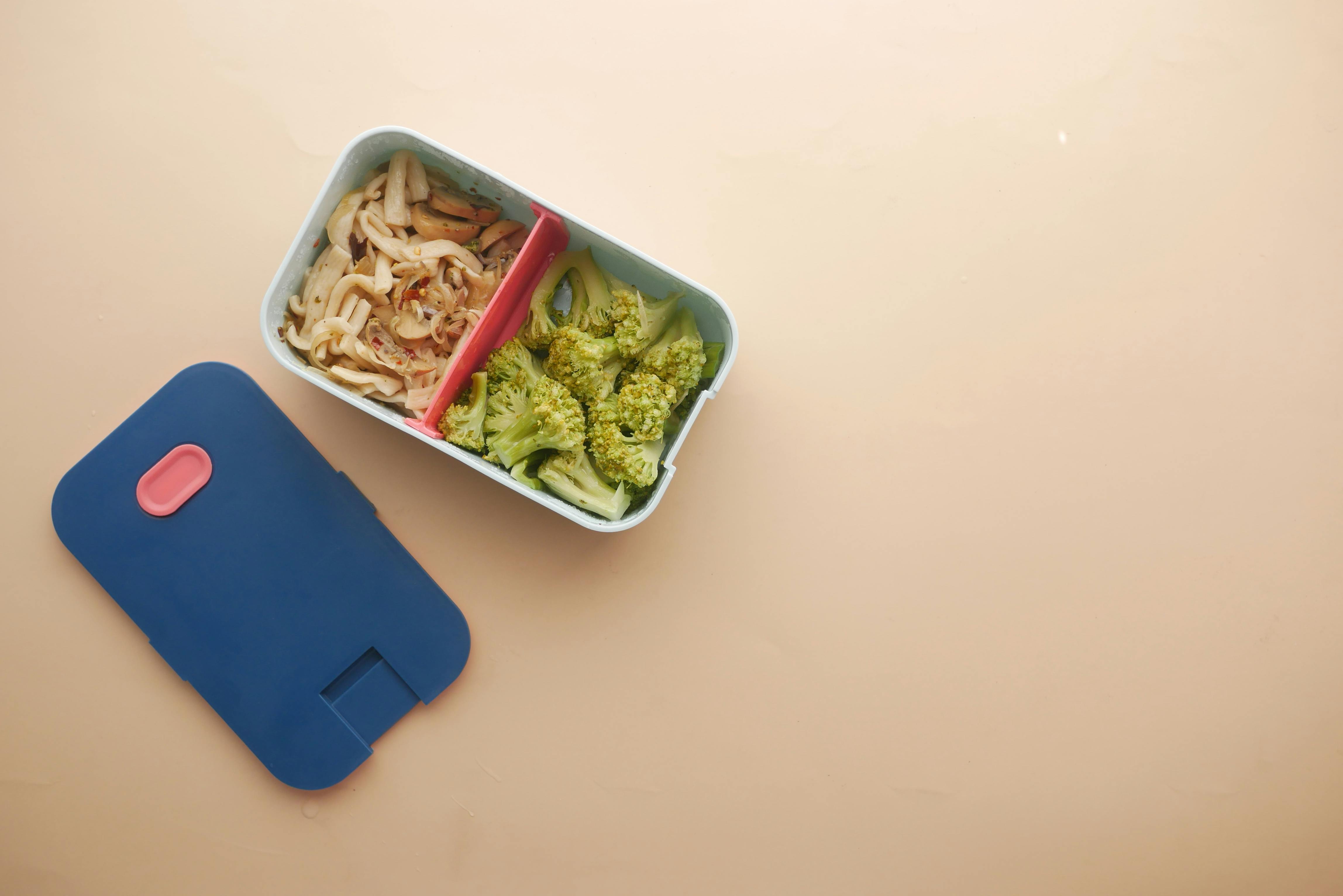
This is one of the easiest next-day lunches because it turns a small amount of dinner into something that feels new. Canadians often use leftover rotini, penne, or fusilli, then add chopped cucumbers, peppers, cheese, and whatever protein is around, from deli turkey to canned tuna.
It works because it is cheap, flexible, and good cold, which matters when the office fridge is crowded or reheating is inconvenient. A quick dressing made from bottled Italian, mayo, or even a little olive oil and vinegar gives it life again, and it stretches ingredients that might otherwise sit in the fridge unused.
Egg Salad Sandwich and Fruit
When grocery budgets tighten, eggs do a lot of heavy lifting. A classic egg salad sandwich is inexpensive, filling, and made from ingredients many households already keep on hand, including bread, mayo, mustard, and a few hard-boiled eggs prepared the night before.
This lunch stays popular because it asks very little from a tired cook. Add apple slices, grapes, or a banana and it feels complete without getting expensive. It is also easy to scale, whether someone is packing for one person or boiling a whole batch of eggs to cover several lunches during a busy stretch of the week.
Soup in a Thermos

A thermos lunch is a cold-weather staple in much of Canada, and it remains one of the smartest ways to use leftovers. Big-batch soups like lentil, chicken vegetable, tomato, or minestrone are affordable to cook and easy to portion, especially when made from pantry items and vegetables that need to be used up.
It also feels more comforting than a cold sandwich in the middle of a long day. Heat it in the morning, pour it into a good insulated container, and lunch is handled. Pair it with crackers, a bun, or a piece of cheese, and it becomes a practical meal that costs far less than buying soup downtown.
Wraps with Rotisserie Chicken
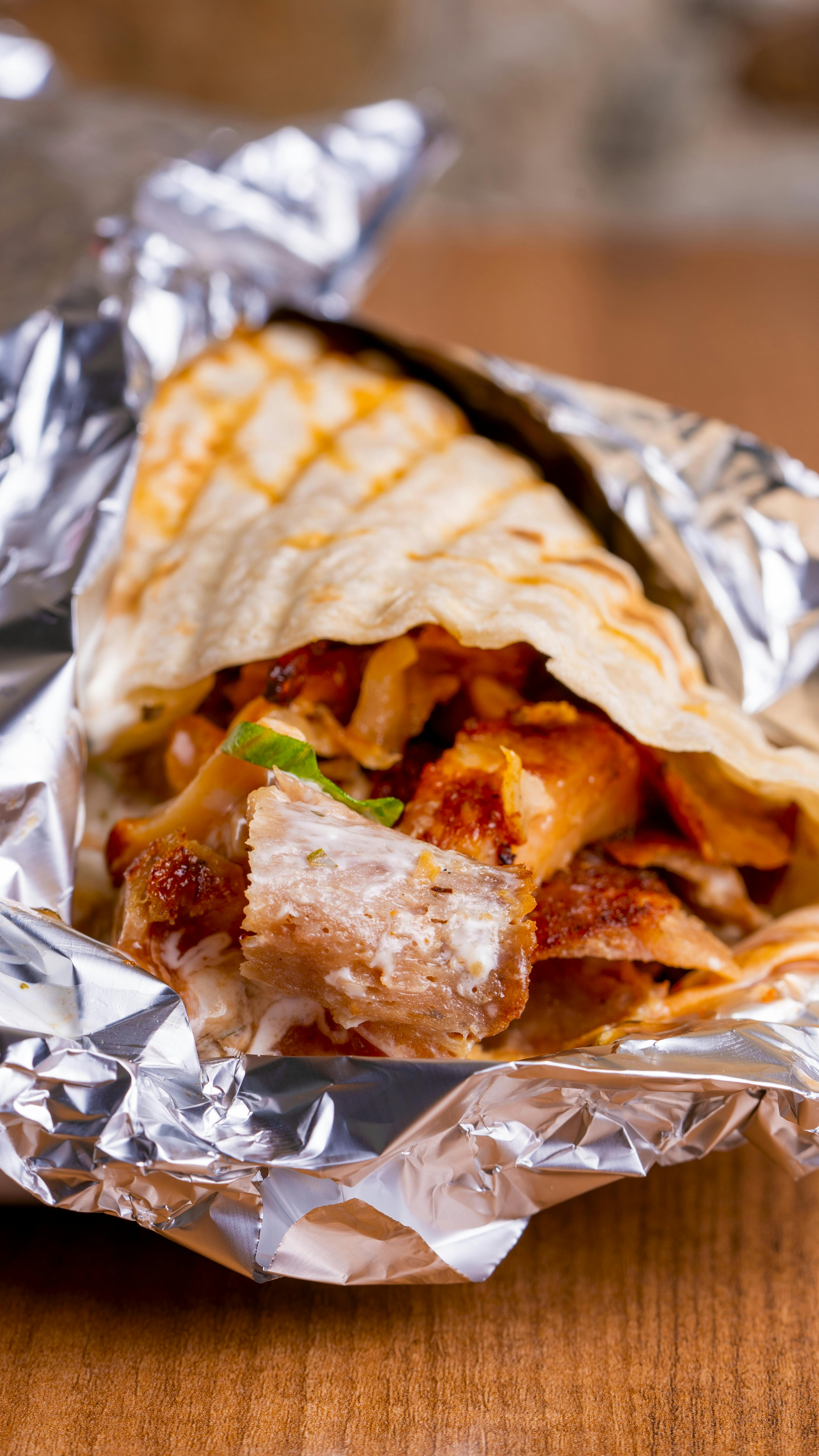
Rotisserie chicken earns its place in many Canadian kitchens because it can cover more than one meal with almost no extra work. For lunch, the meat gets tucked into wraps with lettuce, shredded carrots, cucumber, and a spread like hummus, ranch, or plain mayo.
This kind of lunch feels fresher than a standard sandwich, but it is still fast enough for a weeknight assembly line. It is also a smart bridge between convenience and savings. Buying one cooked chicken can be cheaper than several takeout lunches, and the leftovers often stretch into wraps, salads, quesadillas, and even soup later in the week.
Rice Bowl with Roasted Vegetables
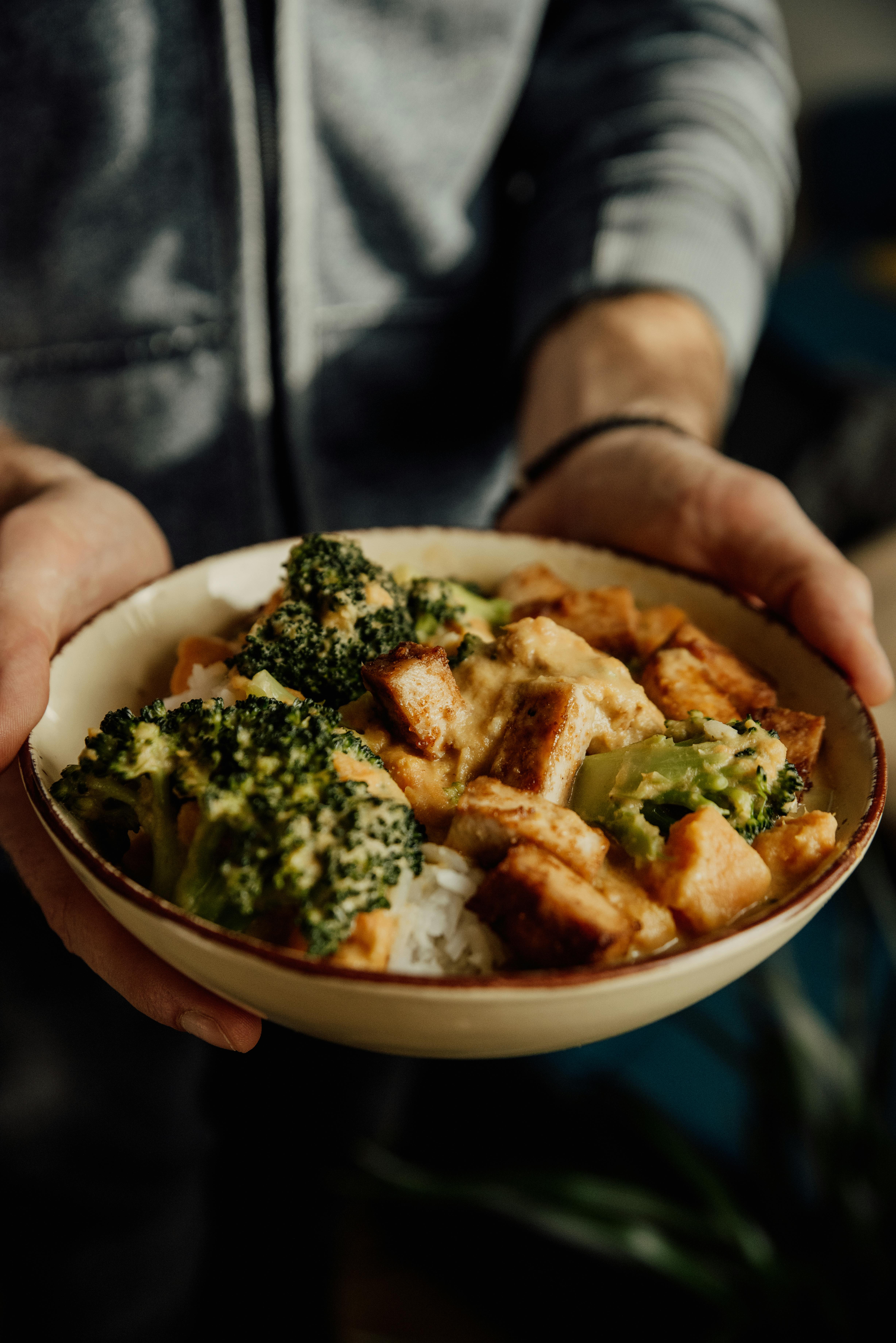
Rice bowls are popular because they turn leftovers into something that looks organized and intentional, even when the components were simply made in batches. Cooked rice, roasted broccoli, carrots, sweet potatoes, and a protein like tofu, chicken, or beans make a filling lunch that travels well.
The appeal is partly financial and partly practical. Rice is inexpensive, vegetables can be roasted all at once, and the bowl changes with whatever is on sale. A spoonful of sauce, like teriyaki, tahini, or chili crisp, makes the meal feel less repetitive. For many people, that is exactly the balance that keeps packed lunches realistic instead of aspirational.
Bean Chili and Cornbread Leftovers
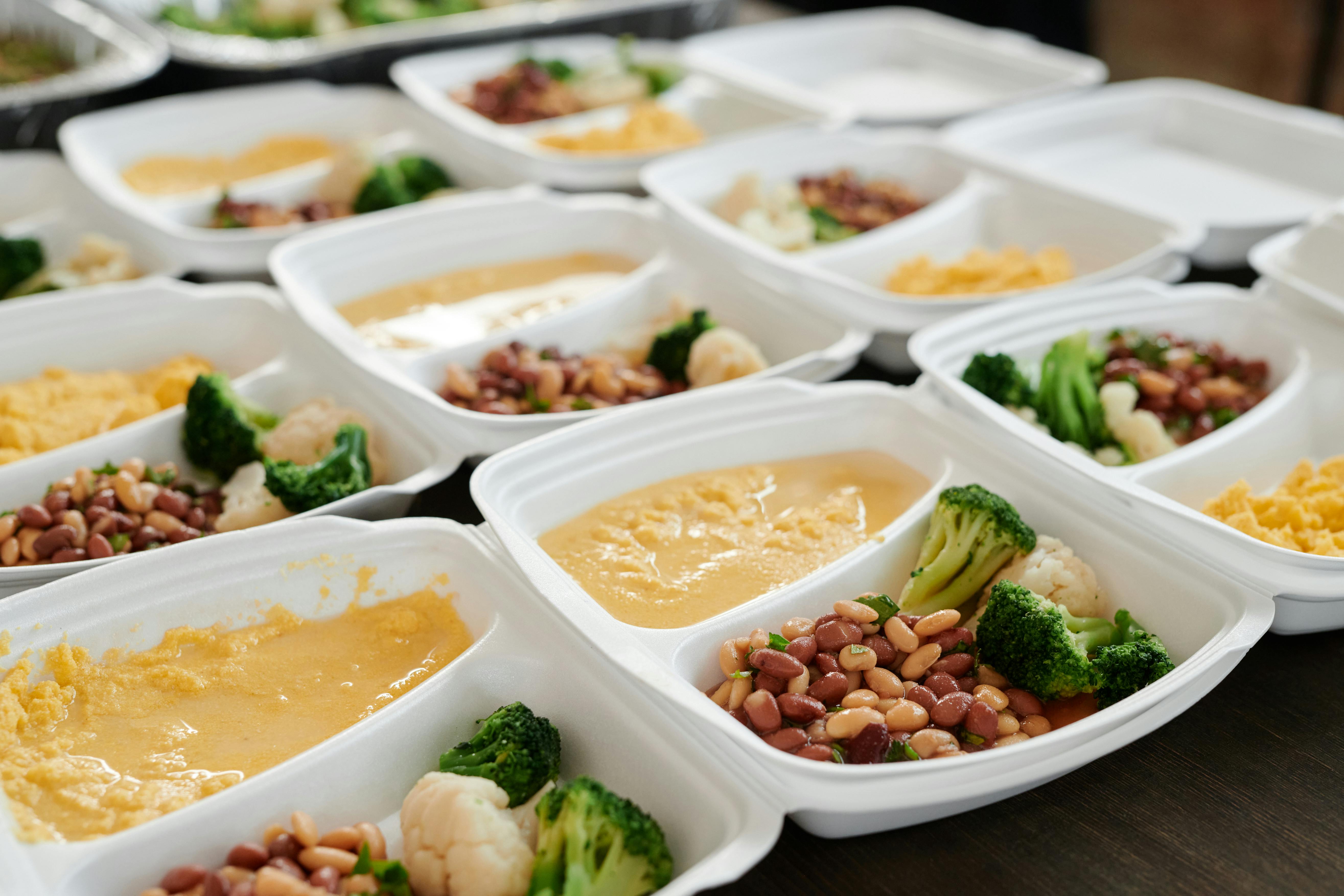
Chili is one of those meals that rewards a little effort with several days of food. A pot made with beans, tomatoes, onions, and ground meat or extra vegetables is relatively low-cost, and it packs especially well for lunch because the flavour often improves after a night in the fridge.
For people trying to avoid spending on lunch, this is the kind of meal that genuinely helps. It reheats easily, feels substantial, and can be portioned into containers right after dinner. Add a square of cornbread or a few tortilla chips and it feels satisfying enough to compete with the kind of hot lunch many people would otherwise buy.
Snack Plate Lunch

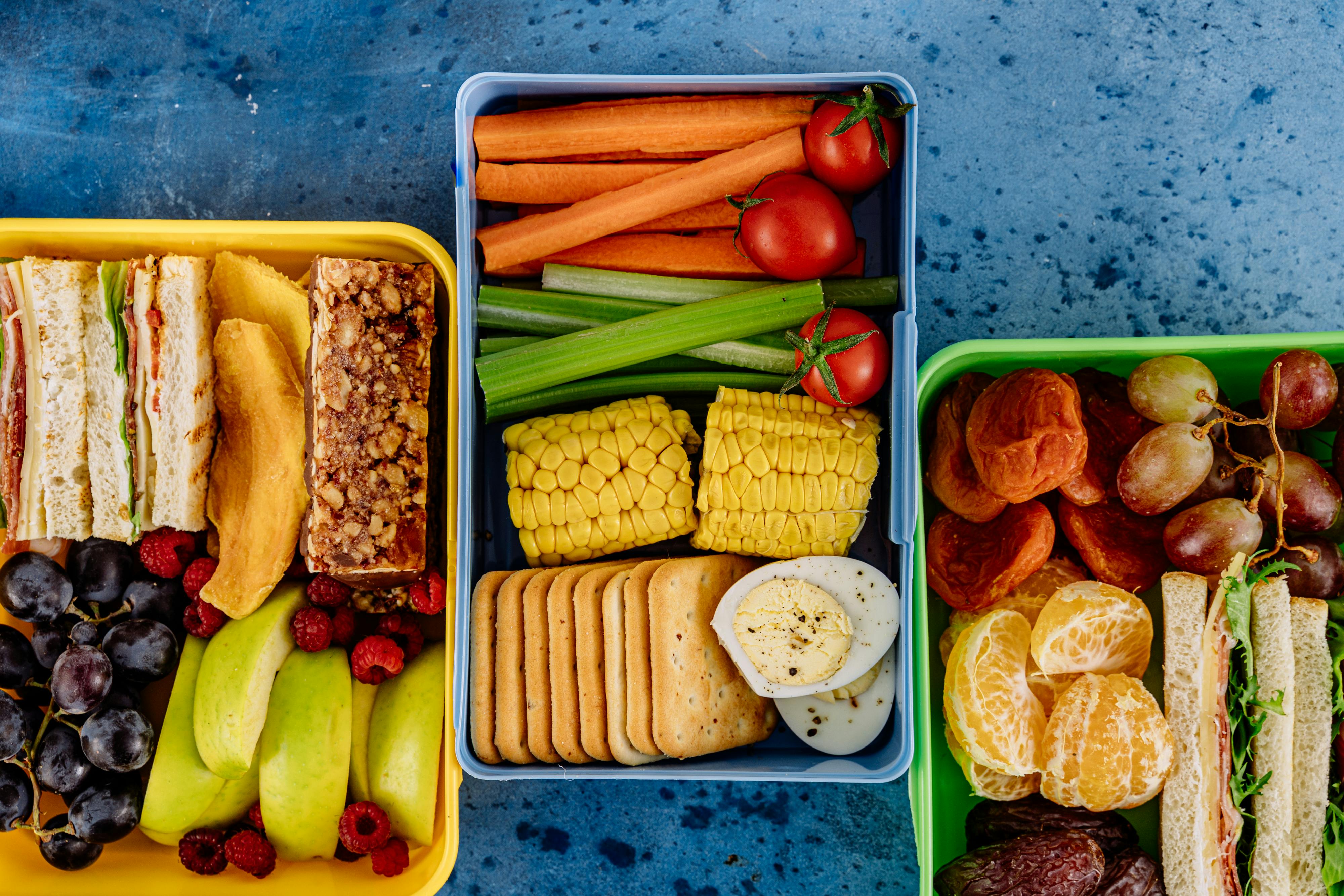
Not every packed lunch has to be a cooked meal, especially on nights when nobody wants to prep. A snack plate lunch usually combines cheese, crackers, sliced vegetables, fruit, boiled eggs, deli meat, or hummus, using small amounts of foods already in the fridge.
This approach works well for busy households because it reduces waste while cutting down on effort. It also appeals to people who prefer grazing to one heavy midday meal. When packed thoughtfully, it can be balanced and surprisingly filling, and it often costs much less than buying a prepared bistro box, convenience-store meal, or café lunch during the workweek.
Peanut Butter Sandwich with Yogurt and Granola

Some lunches stay in rotation because they are fast, familiar, and reliably cheap. A peanut butter sandwich, or a seed butter version where needed, still makes sense for plenty of adults when time and money are both tight. Pair it with yogurt and a little granola, and the meal feels more complete.
It is not trendy, but that is part of the point. This kind of lunch depends on shelf-stable basics and a short prep window, which makes it realistic for busy evenings. It also travels well and does not require reheating, helping it remain a common fallback for commuters, students, and anyone trying to spend less without skipping lunch.