
Grocery carts are becoming a quiet reflection of trade politics. As tensions with the United States reshape supply chains and pricing, more Canadians are deliberately choosing food grown, raised, and made at home.
Why "Buy Canadian" Is Showing Up in the Produce Aisle

Patriotism is part of the story, but price and availability are doing just as much work. When trade friction raises uncertainty around imports, shoppers often look first for items that feel dependable, and that usually means domestic produce with clearer labeling and fewer border-related risks.
That shift becomes most visible with staples like greenhouse tomatoes, cucumbers, peppers, and mushrooms. Canada's controlled-environment farming sector, especially in Ontario, British Columbia, and Quebec, gives retailers a strong domestic option when imported U.S. produce becomes more expensive or harder to source consistently.
Seasonality still matters, of course. In winter, Canada cannot replace every fruit and vegetable from the U.S., particularly berries, citrus, and leafy greens. But shoppers are increasingly prioritizing what can be bought locally in season, including apples, potatoes, onions, carrots, and squash, all of which tend to hold shelf space well.
Retail analysts have noted that country-of-origin labels matter more during political or economic disputes. In practice, that means a shopper choosing Ontario apples over Washington apples is not just making a symbolic decision. They may also be responding to freshness, transport distance, and a belief that domestic supply is less exposed to sudden trade shocks.
Dairy and Cheese Are Natural Winners in a Trade Dispute

Dairy is one of the most obvious categories where Canadian products already dominate, thanks in part to supply management and strong domestic production. When trade disputes make cross-border food politics more visible, consumers often lean even harder into familiar Canadian milk, yogurt, butter, and cheese brands.
Cheese is especially important because it blends identity with everyday use. Quebec cheddars, British Columbia artisan cheeses, and Ontario mozzarella are not niche items anymore. They are now routine purchases for households that want quality and a clear Canadian origin without having to change their eating habits dramatically.
Butter and yogurt have also gained from this mood. Consumers who may once have compared imported specialty dairy products are more willing to stick with Canadian-made alternatives, especially when inflation has already made grocery budgets tighter and shoppers less interested in paying extra for foreign labels.
There is also a trust factor. Food economists often point out that in periods of trade tension, buyers simplify decisions by sticking with domestic systems they know. In Canada, dairy fits that pattern neatly because shoppers already associate it with national regulation, stable standards, and broad availability in nearly every supermarket chain.
Meat Counters Are Shifting Toward Canadian Beef, Pork, and Poultry
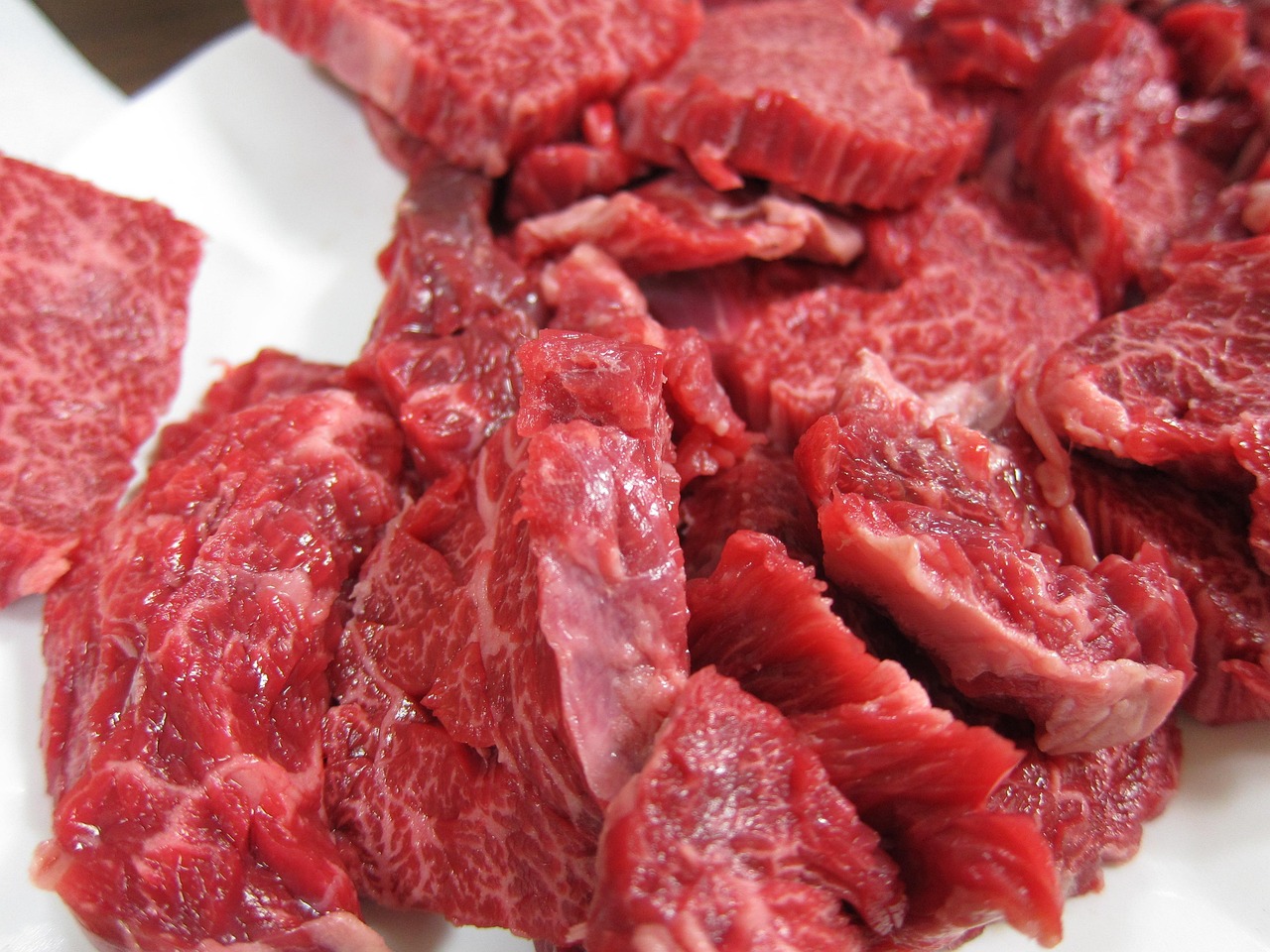
Protein purchases are often where values and budget meet most directly. If imported goods become less predictable in price, shoppers tend to move toward meat products that offer clear domestic sourcing, especially when stores highlight labels such as Product of Canada or Raised by Canadian Farmers.
Canadian beef has strong recognition, particularly in Alberta, where the industry has long been central to the national food economy. Pork from Quebec and Manitoba and poultry from multiple provinces also fit the growing preference for domestic staples that feel familiar, accessible, and less vulnerable to tariff-related cost swings.
The appeal is not only political. Shorter supply chains can help retailers promote freshness and consistency, and that matters in categories where consumers are paying close attention to both quality and value. A family comparing two packs of chicken breasts may be influenced as much by confidence in origin as by a small difference in price.
This trend also extends into processed meats and frozen products. Canadian bacon, sausages, meat pies, and prepared entrées can benefit when shoppers want convenience without relying on imported ingredients. In that sense, the trade fight does not just affect raw food purchases. It reshapes the prepared food aisle too.
Pantry Staples Are Getting a Homegrown Reassessment

Some of the clearest changes are happening in center-store categories, where shoppers once gave little thought to national origin. Dry pasta, oats, flour, canola oil, peanut butter, cereal, and canned goods are all being reexamined through a new lens: can a Canadian brand do the job just as well?
Often, the answer is yes. Canada is a major producer of wheat, oats, pulses, and canola, which gives domestic manufacturers a solid base for staples that fit ordinary meal planning. That makes it easier for shoppers to swap imported crackers, baking mixes, soups, and snack foods for products made closer to home.
Private-label store brands are part of this story too. Many retailers have expanded Canadian sourcing where possible, not only to manage costs but also to respond to customers who want visible alternatives to U.S. products. In-store signage, shelf tags, and flyer promotions increasingly guide people toward those substitutions.
The result is subtle but meaningful. A pantry stocked with Canadian flour, prairie-grown oats, canola oil, and domestically processed canned beans reflects more than consumer sentiment. It shows how a trade dispute can push shoppers to notice supply chains they previously ignored and reward producers positioned to meet that demand.
Seafood, Frozen Foods, and Regional Specialties Are Benefiting Too

Not every shift is happening in obvious categories. Seafood is one area where Canadian producers, especially in Atlantic Canada and British Columbia, can gain attention when shoppers think more carefully about origin. Salmon, lobster, snow crab, mussels, and other fish products carry both export prestige and strong domestic appeal.
Frozen foods also offer an easy route for substitution. Canadian frozen vegetables, fries, berries, and prepared meals give shoppers convenience while reducing dependence on imported alternatives. In periods of uncertainty, freezer staples become attractive because they stretch budgets and lower the risk of waste if fresh imports become pricier.
Regional specialties are seeing renewed interest as well. Quebec maple syrup, Saskatchewan lentils, Manitoba wild rice, Atlantic chowders, and Alberta beef products all benefit from a broader desire to support domestic food systems. These are not just premium identity purchases anymore. They are increasingly part of regular weekly shopping.
That matters for smaller producers. When trade tensions push consumers to scan labels more carefully, local and regional brands can win shelf attention they might not receive in calmer times. A dispute at the border, in other words, can create unexpected opportunity for food makers much closer to home.
What This Shift Means for Canadian Shoppers and Stores
The immediate effect is not that U.S. food disappears from shelves. Canada and the United States remain deeply integrated agricultural trading partners, and many categories will continue to depend on cross-border flows. But shoppers are clearly showing a stronger willingness to substitute when a Canadian option is visible, credible, and competitively priced.
For grocers, that creates both a challenge and an opening. They must manage supply, maintain variety, and keep prices reasonable while responding to a consumer mood that is more origin-conscious than usual. Stores that communicate sourcing clearly are better positioned to convert that sentiment into repeat purchasing behavior.
For households, the shift may outlast the current dispute. Once people discover a domestic yogurt, frozen vegetable, loaf of bread, or pasta sauce they like, they often keep buying it. Trade tensions may trigger the first trial, but habits are formed through taste, reliability, and price that holds up week after week.
In that sense, the grocery aisle becomes a long-term market test for Canadian agriculture and food manufacturing. If domestic producers can match convenience, consistency, and value, they may emerge stronger even after political tensions ease. The cart, more than any speech or slogan, is where that verdict will be delivered.




Leave a Reply