
Canada's food scene seems easy to read at first glance. Then the small daily habits start to surprise people.
Bagged milk is normal in some provinces

For many newcomers, the first shock comes in the dairy aisle. In Ontario and parts of Eastern Canada, milk is often sold in large plastic bags containing three smaller pouches, a format that looks impractical until people see how households actually use it.
The system became common in the 1970s, when metric conversion changed package sizes and dairies adjusted production. Industry historians often point to that transition as the moment bagged milk became deeply rooted, especially in Ontario, where consumers simply kept buying it.
Canadians who use bagged milk usually place one pouch into a reusable pitcher and cut a small corner. The method reduces hard packaging and can cost less than cartons or jugs, though critics argue the plastic still creates waste and confuses anyone expecting a screw-top container.
Sweet, salty, and very specific snack preferences

A grocery store snack aisle in Canada can feel oddly familiar until one flavor stops newcomers in their tracks. Ketchup chips, all-dressed chips, and dill pickle chips are treated as ordinary choices, even though visitors often describe them as novelty foods.
These flavors reflect a broader Canadian preference for bold seasoning that mixes vinegar, sweetness, salt, and spice. All-dressed, for example, combines elements of barbecue, sour cream and onion, and salt and vinegar, creating a profile that many Canadians consider balanced rather than overwhelming.
The pattern shows up beyond chips. Butter tarts, Nanaimo bars, and maple candies all lean into strong, recognizable flavors, which helps explain why Canadians often embrace foods that are more intense than outsiders expect from a country with a mild culinary reputation.
Coffee culture is casual but deeply ingrained

What surprises many newcomers is not that Canadians drink coffee, but how routinely and informally they do it. Coffee is less a ritual of ceremony and more a steady part of commuting, working, socializing, and even quick convenience-store stops.
Chains such as Tim Hortons helped define this habit by making coffee accessible, cheap, and tied to everyday identity. Market research has long shown Canada ranking among the world's highest per-capita coffee consumers, with brewed coffee still beating many trendier specialty drinks.
That culture also comes with its own language. Asking for a "double-double," meaning two creams and two sugars, is immediately understood across much of the country, and newcomers often find that mastering these small ordering codes helps them feel included faster than expected.
Seasonal eating matters more than people expect

Canadian eating habits are shaped by weather in ways that newcomers from warmer climates notice quickly. Long winters encourage comfort foods, pantry stocking, and a strong attachment to hot meals, soups, stews, and baked dishes that feel practical as much as pleasurable.
In summer, the shift is dramatic. Farmers' markets, backyard barbecues, fresh berries, corn, and cottage-country meals take over, reflecting a short but intense growing season that makes local produce feel highly valued when it arrives.
This seasonal swing helps explain why Canadians may freeze fruit, buy root vegetables in volume, or talk excitedly about the first asparagus and strawberries of the year. In many households, food is still closely tied to climate, storage, and making the most of limited harvest windows.
Quebec and regional food rules surprise many people
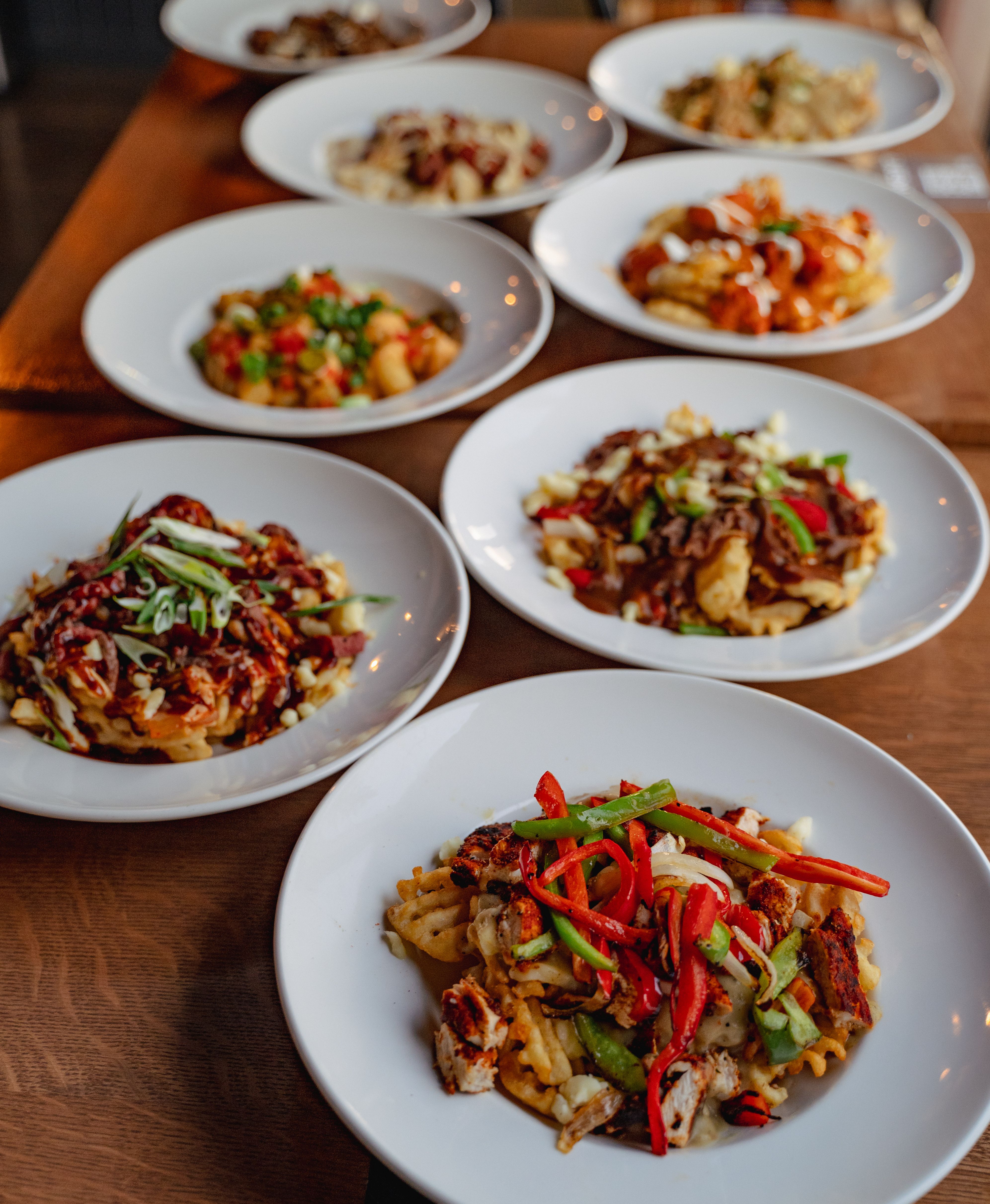
One common misunderstanding is treating Canadian food as if it were nationally uniform. In reality, regional habits are strong, and nowhere is that clearer than in Quebec, where poutine, tourtière, sugar shack meals, and French culinary influence create a distinct food identity.
Even staple products can vary by region. Atlantic Canada has strong traditions around seafood, canned brown bread, and donairs, while the Prairies reflect grain farming, Ukrainian influence, and hearty meat-and-potato meals shaped by settlement history and agricultural production.
For newcomers, this means learning Canada through province-by-province food habits rather than assuming one national menu. The country's immigration patterns, Indigenous foodways, and regional economies all affect what feels "normal," making Canadian cuisine more diverse than its stereotypes suggest.
Politeness, portions, and potluck culture shape the table

Some of the most confusing food habits are social rather than culinary. Canadians often say "help yourself," bring dishes to gatherings, split restaurant bills with little drama, and ask about dietary restrictions in ways that reflect both politeness and multicultural awareness.
Potlucks are especially important in schools, workplaces, religious communities, and neighborhoods. For newcomers, they can feel uncertain at first, but they also serve as a quiet social bridge, allowing people to share cultural foods while participating in a familiar Canadian group custom.
Portion expectations can also vary. Restaurant servings are often large by global standards, yet everyday home meals may be simpler and less formal, with salads, roasted vegetables, soup, or sandwiches treated as complete dinners rather than side items or light snacks.




Leave a Reply