
Some habits outlast flags and constitutions. In Canada, one of the clearest is the quiet persistence of Britain's tea-drinking culture.
A Daily Ritual That Survived a Political Break
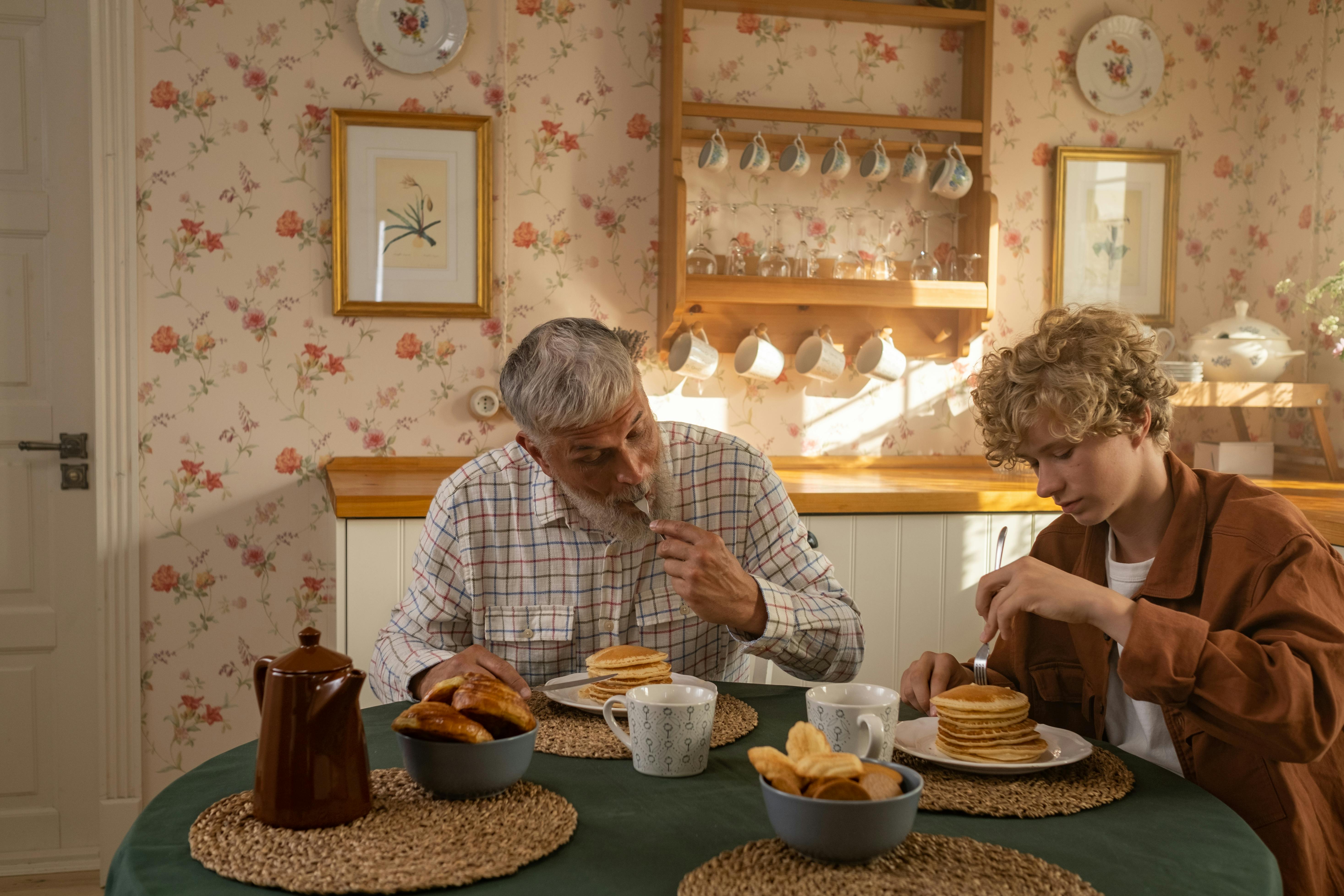
Independence did not erase taste overnight, and tea is one of the best examples. While Canada gradually moved away from Britain in constitutional terms, ordinary households kept pouring the same hot drink that had anchored British domestic life for generations. In English Canada especially, tea remained tied to respectability, hospitality, and routine.
By the late 19th and early 20th centuries, tea was already deeply built into Canadian homes, hotels, church halls, and railway dining cars. It was not just a beverage but a social code. Offering a guest tea signaled warmth and good manners, much as it did across Britain.
What makes this habit notable is that it lasted even as North American food culture changed around it. Coffee grew rapidly, especially under U.S. influence, yet tea never vanished from the Canadian day. It stayed in cupboards, office kitchens, and family conversations with remarkable staying power.
Why Tea Fit Canadian Life So Well

Climate helped tea thrive in practical ways. In a country defined by long winters, cold mornings, and vast distances, a hot drink was more than comforting. It was reliable, inexpensive, and easy to prepare in homes that often centered daily life around the kitchen table.
Tea also matched the rhythms of work and settlement. From Atlantic ports to Prairie towns, it could be stored well, transported easily, and shared in large quantities. That mattered in an era when imported foods had to travel far and households valued staples that were simple and dependable.
There was also a cultural fit. British migrants brought tea habits with them, then reinforced them through schools, churches, military life, and women's community organizations. Over time, the drink became less an imported custom and more an ordinary Canadian expectation.
The Empire Behind the Cup
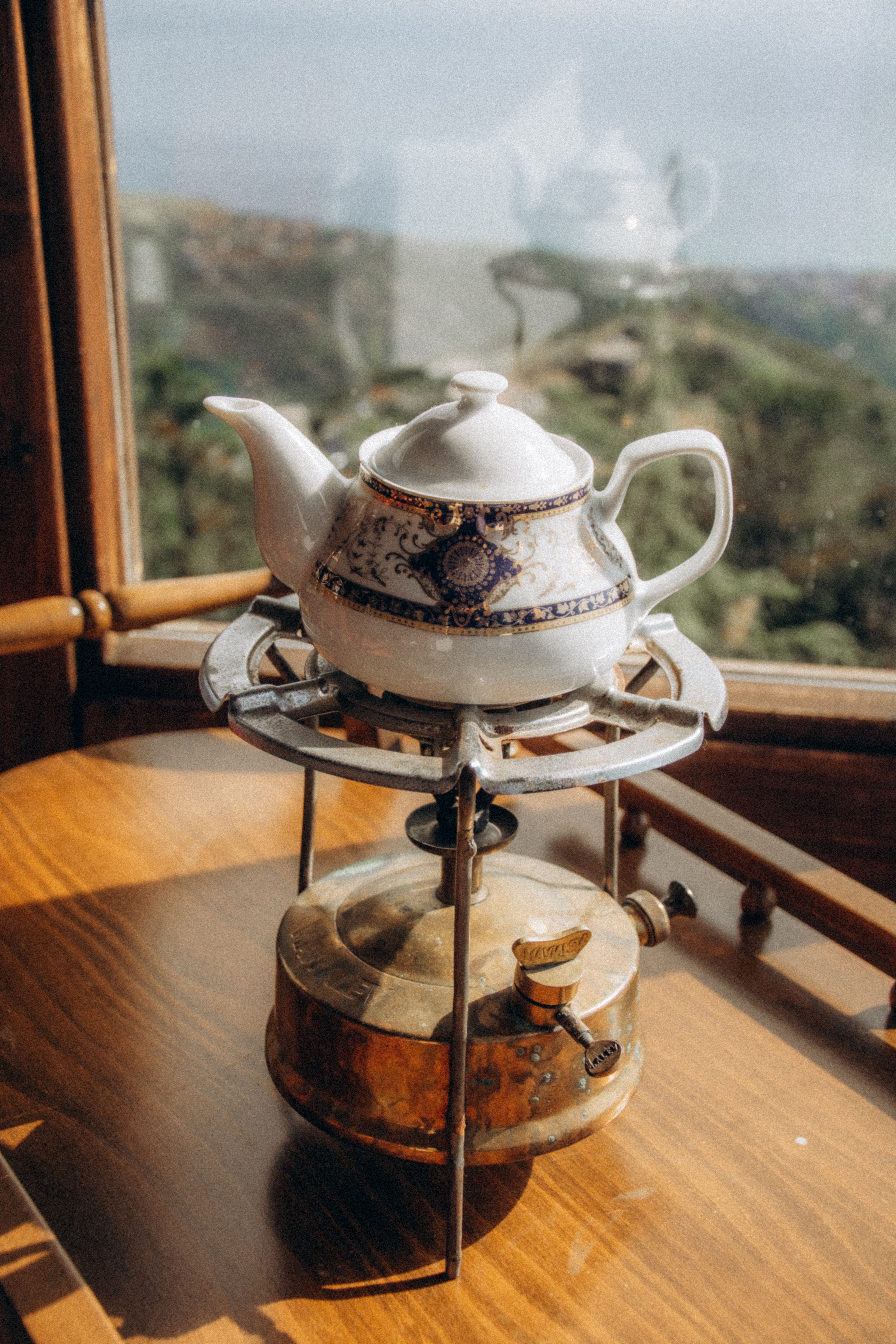
Every cup of tea in Canada carried imperial economics with it. Britain's trade networks, especially with India and Ceylon, made tea widely available across the empire. Canadian consumers benefited from these routes, and merchants marketed tea as both wholesome and civilized.
Major grocery chains and wholesalers helped standardize the habit. Branded blends promised consistency, while department stores and catalog sellers pushed tea sets, kettles, and serving rituals that echoed British domestic ideals. In that sense, the habit was not only inherited but actively sold.
This is where food history becomes especially revealing. Tea in Canada was never just about flavor. It was tied to shipping, tariffs, advertising, and imperial identity, showing how global politics can settle quietly into daily routines and feel completely natural within a generation or two.
Afternoon Tea Changed Shape in Canada
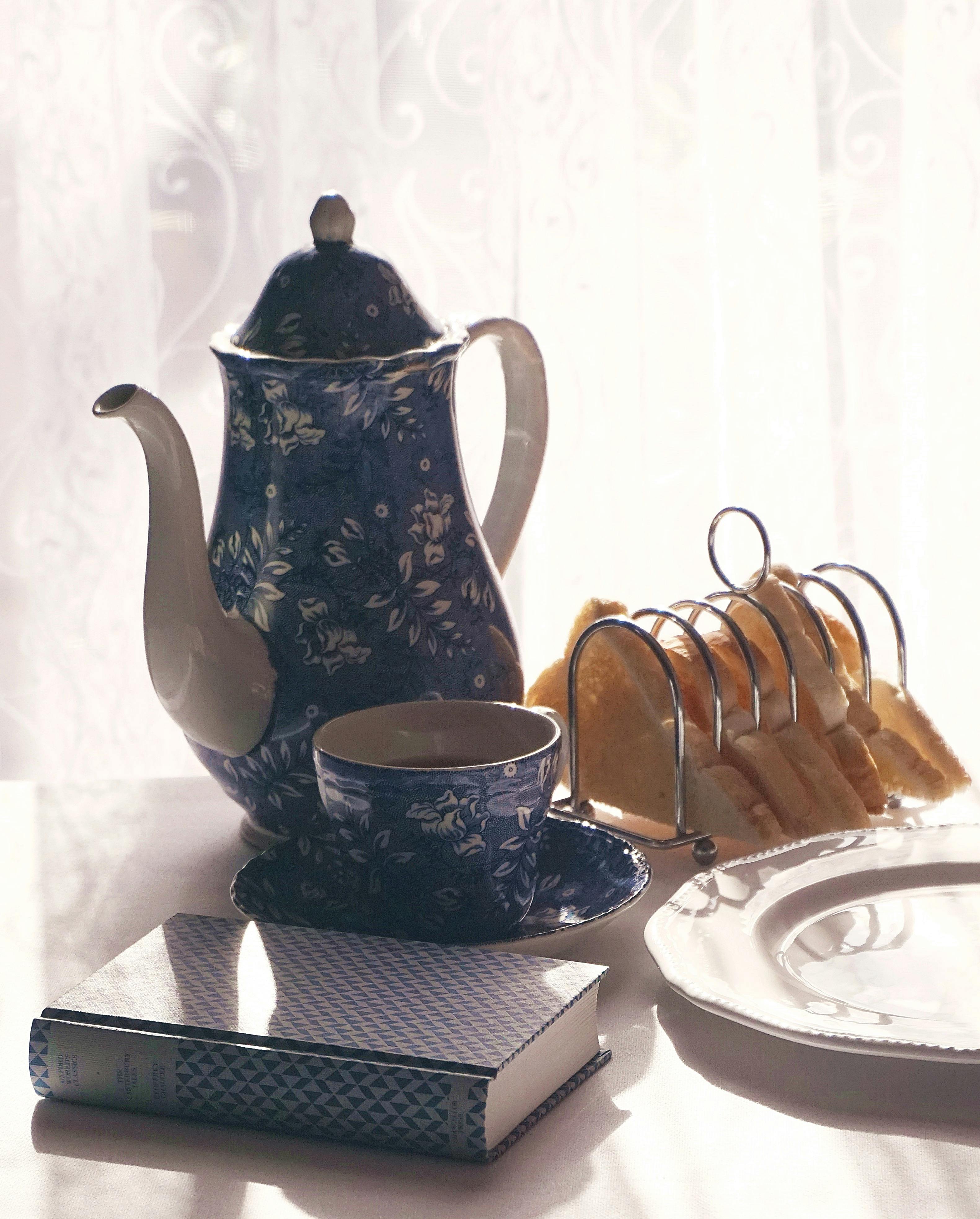
Canada did not copy Britain perfectly. Instead, it adapted the ritual to local realities. Formal afternoon tea existed in upper-class homes, hotels, and civic settings, but in most households the custom became simpler: a strong cup of tea with toast, biscuits, pie, or bread and jam.
That flexibility helped the habit last. Canadians could make tea elegant or practical, ceremonial or quick. In many homes, it appeared after work, after church, during visits, or whenever weather and conversation called for something warm.
Regional variation mattered too. In the Maritimes, where ties to Britain remained especially visible, tea culture stayed strong. In Newfoundland, now famous for its deep tea attachment, the drink became woven into identity itself, often served dark, hot, and generously throughout the day.
Immigration Changed the Cup, Not the Habit
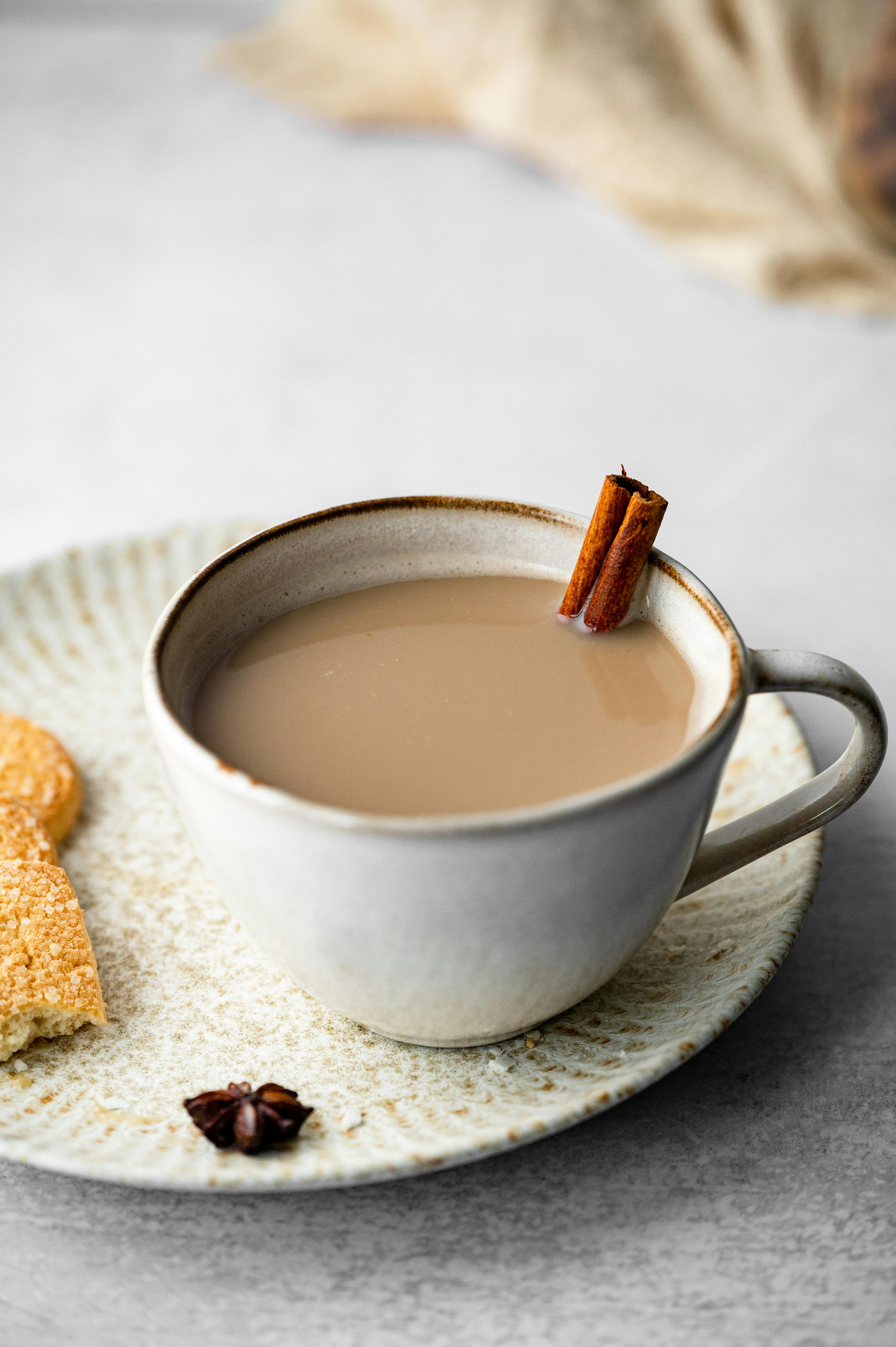
One reason tea endured is that newer Canadians did not necessarily displace it. They expanded it. Scottish, Irish, South Asian, Caribbean, and Hong Kong communities all brought their own tea traditions, strengthening rather than weakening Canada's broader habit of making tea central to home life.
This is a key distinction. The British pattern established the framework, but later immigration diversified the contents of the cup. Black tea with milk remained common, yet it eventually shared space with masala chai, orange pekoe, builder-style blends, and sweet milky teas shaped by many traditions.
As a result, tea in Canada became both old and new at once. It retained a British inheritance while absorbing global influence. That makes it one of the clearest examples of how a colonial food habit can survive by adapting instead of staying frozen in the past.
Why the Habit Still Matters Today

Modern Canada often appears more coffee-driven, and in many settings it is. Yet tea still holds unusual emotional and cultural force. It remains the drink of condolence visits, kitchen-table talks, winter afternoons, and community fundraisers, especially where tradition still shapes everyday hospitality.
Market research has repeatedly shown strong tea consumption in Canada, with black tea still important even as herbal and specialty categories grow. That endurance says something larger about national culture. Food habits often survive not because they are officially protected, but because they continue to meet emotional and social needs.
So the British food habit Canadians quietly kept was not roast beef or pudding, but the reflex of putting the kettle on. It is modest, easy to overlook, and deeply revealing. In that simple act, centuries of migration, empire, adaptation, and comfort still meet.




Leave a Reply