
A puffy chip bag looks like a scam to plenty of shoppers. In Canada, though, that empty-looking space is not left entirely to chance.
The rule sounds stranger than it is

At the center of this odd food mystery is a Canadian packaging standard tied to slack fill, the industry term for the empty space inside a package. For prepackaged potato chips and certain similar snack foods, Canada has long used container-fill requirements that limit how much of the package can be empty when sold.
The commonly cited benchmark is that the container must be at least 65% full by volume for chips, meaning no more than 35% can be unoccupied space. That is the headline figure people remember, and it is why Canada is often said to have a law about how much air is allowed in a chip bag.
This is not a rule invented because regulators disliked puffy bags. It reflects a practical effort to prevent misleading packages while recognizing that fragile foods need room, cushioning, and manufacturing tolerance during shipping and handling.
Why the bag is full of gas in the first place

What most people call air is usually not ordinary room air at all. Chip makers typically flush bags with nitrogen, a stable gas that helps protect oils from oxidation and keeps chips tasting fresh longer.
That gas also acts like a cushion. Without it, chips would be crushed much more easily during transport from factories to warehouses, then onto trucks, then onto store shelves.
So the empty space has a job. The legal issue is not whether space may exist, but whether there is so much of it that the package gives a misleading impression about how much product a buyer is actually getting.
Where the law comes from

The underlying authority comes from Canadian food packaging and consumer protection rules enforced through federal regulation. Historically, standards for products such as potato chips were set under food and drug packaging rules and industry-facing guidance that aimed to standardize honest fill levels across the market.
In practice, regulators were trying to solve a familiar retail problem. A large bag can create the impression of abundance even when the actual edible contents are modest, especially when shoppers make quick decisions based on visual size rather than net weight.
That is why net quantity labeling matters too. Canadian shoppers are supposed to be told clearly how much product is inside, usually by weight, while fill rules help address the separate visual impression created by the package itself.
Why shoppers still feel cheated

Here is the catch that frustrates consumers. A bag can satisfy net weight rules and still look underfilled because chips settle, break, and compact after packaging.
A legally compliant bag may also seem deceptive if the chips are irregularly shaped. Ridged chips, kettle-cooked varieties, and mixed snack products do not settle in exactly the same way, so the same fill percentage can look different from brand to brand.
That gap between legal compliance and customer expectation is where most complaints live. People are reacting to optics, while regulators are measuring volume, label accuracy, and whether the package crosses the line into nonfunctional slack fill.
How Canada compares with other places

Canada is not alone in policing slack fill, but its chip rule has earned unusual attention because it sounds so specific. In the United States, the legal focus is often on whether empty space is functional, with disputes sometimes ending up in consumer lawsuits over allegedly deceptive packaging.
The European approach also tends to emphasize labeling, fair presentation, and consumer protection rather than a famous single percentage that the public can easily repeat. That makes Canada's standard feel unusually concrete, even if the broader policy goal is widely shared.
For manufacturers, these differences matter. A package design suitable for one market may need adjustment in another because rules, enforcement culture, and accepted tolerances are not identical.
What the law really tells us about chip bags
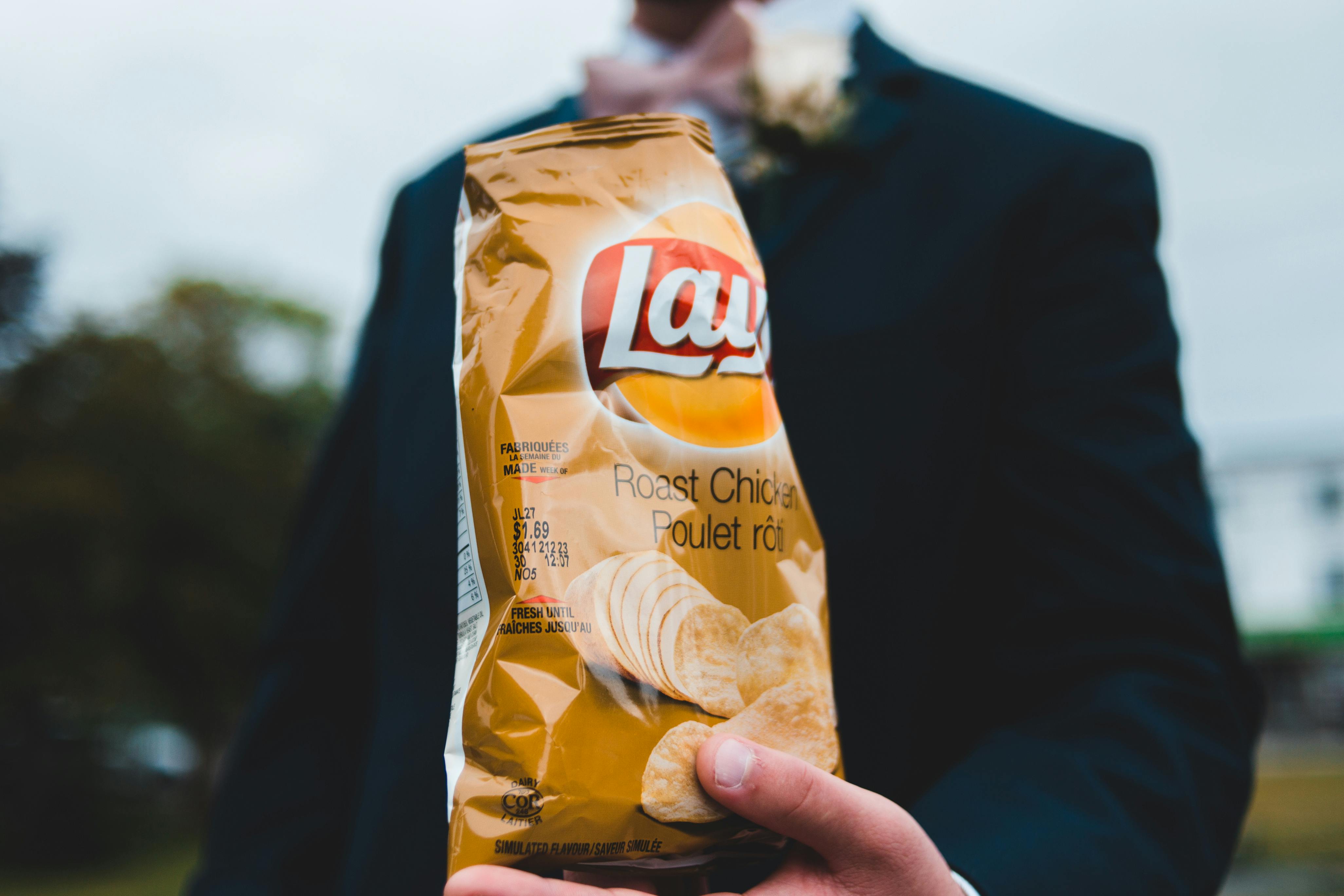
The Canadian chip-bag rule is best understood as a compromise. It accepts that some empty space is necessary for freshness and protection, but it rejects the idea that brands should be free to inflate package size far beyond the food inside.
For consumers, the most reliable guide remains the net weight printed on the label, not the puffiness of the bag. For regulators, the package must also avoid creating a misleading overall impression on the shelf.
That is what makes the law memorable. It turns an everyday annoyance into a clear public standard, and it shows how even a snack aisle can become a test of truth in packaging.



Leave a Reply