
Hard cheese has long carried an aura of authenticity. That is exactly why it has become a prime target for food fraud scrutiny in Canada.
Why hard cheese is drawing fraud attention
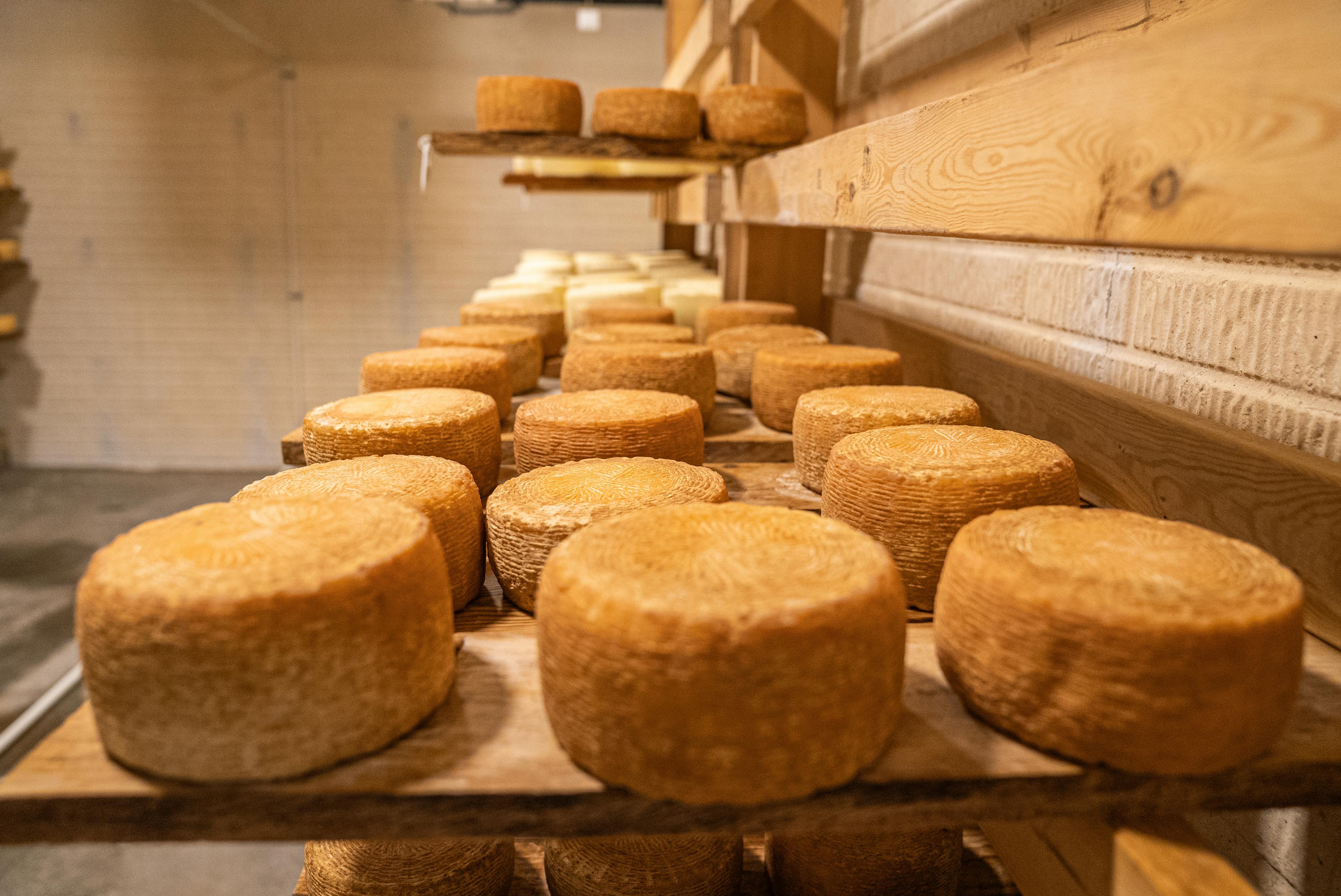
The first thing to understand is simple: hard cheese is expensive to make, slow to age, and easy to market as premium. That combination creates strong incentives for dishonest shortcuts. In Canada, where imported specialty cheeses and domestic artisan products both command high prices, regulators have become more alert to whether labels truly match what is being sold.
Food fraud in cheese usually does not mean something unsafe or bizarre. More often, it means a product is diluted, substituted, or misrepresented in ways shoppers cannot easily detect. A wedge sold as Parmesan-style cheese, for example, may contain fillers, anti-caking agents, or milk from a different source than the label suggests.
Experts in food authentication have warned for years that high-value dairy products are especially vulnerable. According to reporting from Canadian and international food oversight bodies, the concern is economic deception first, though quality and allergen risks can follow if ingredients are not fully disclosed.
What can actually be inside these cheeses
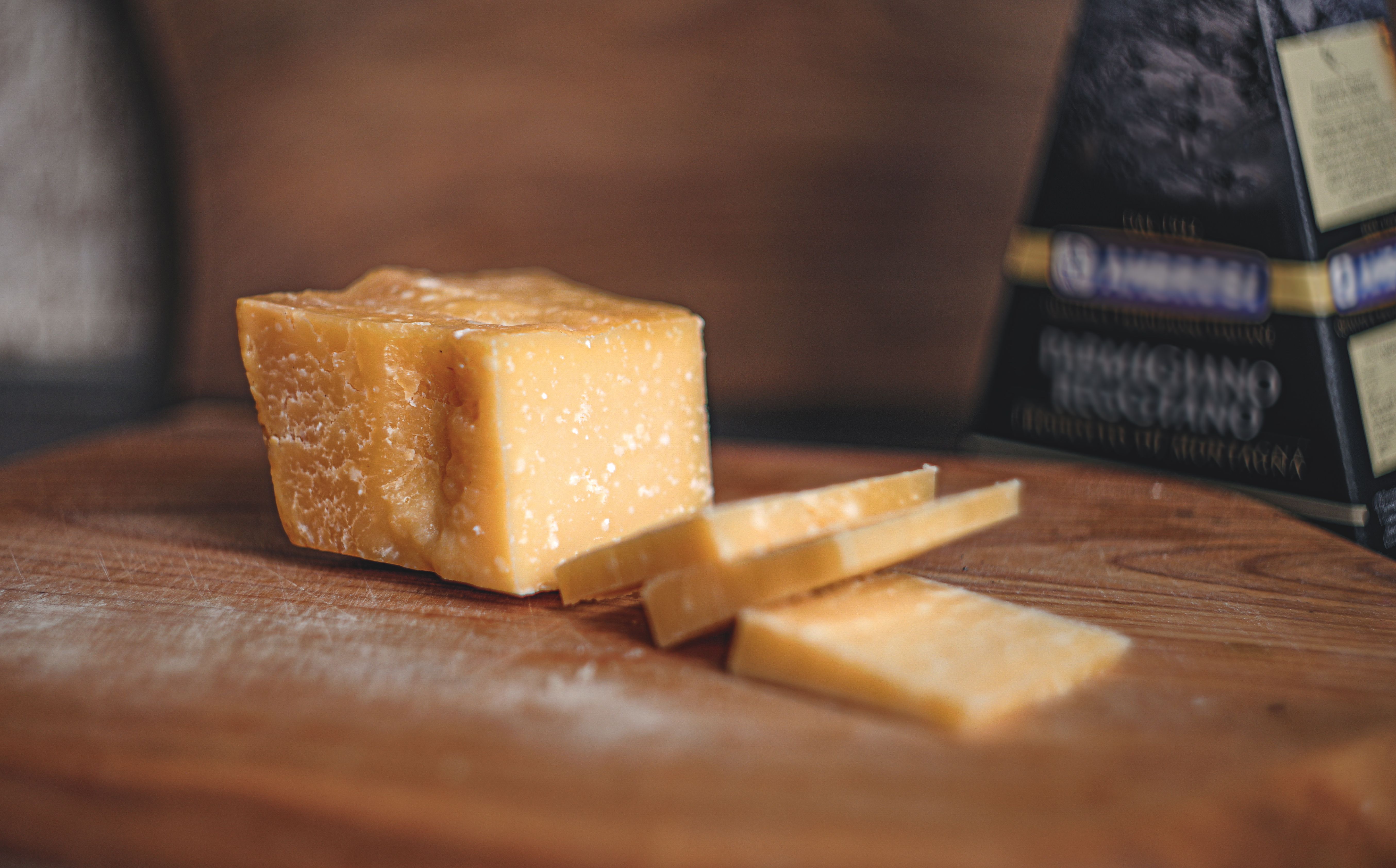
A common misconception is that fraudulent cheese must contain something shocking. In reality, the most likely issues involve undeclared blends and processing aids. Some hard cheeses may include cheaper curd, more moisture than traditional standards allow, or milk solids used to stretch yield while preserving a familiar texture.
Another area of concern is cellulose, which is derived from plant fiber and is legally used in some grated cheese products to prevent clumping. The problem begins when consumers think they are buying pure cheese but are actually getting a mixture with additives that alter weight, texture, and value. In Canada, labeling rules matter because grated, shredded, and processed formats can differ significantly from whole-wheel cheeses.
There can also be confusion around animal source. A cheese marketed in ways that imply sheep or buffalo milk may in some cases contain a larger share of cow's milk. That matters to buyers paying for tradition, flavor profile, or digestibility, and it matters even more when the label does not clearly explain the blend.
How authorities and scientists detect deception

This is where modern food science becomes crucial. Labs can now test cheese with DNA analysis, isotope testing, and chemical fingerprinting to verify species, origin, and production methods. These tools help distinguish a true aged hard cheese from one that has been reformulated to mimic the real thing.
Canadian food enforcement relies on inspections, labeling reviews, and product sampling, especially in categories where premium claims raise the stakes. When a cheese claims a protected style, a specific milk source, or a particular aging period, regulators can compare those claims against what laboratory data and supply records show.
Scientists also examine moisture, fat, protein balance, and rind development. Those details reveal whether a cheese was naturally aged or industrially adjusted. Fraud often hides in technical margins, not just in dramatic fake labels, which is why routine testing has become more important.
Why shoppers should care beyond price

At first glance, this may sound like a luxury-food problem. It is not. When labels become unreliable, consumers lose the ability to compare products fairly, manage dietary needs, or decide whether a premium price is justified. Trust is the real product being damaged.
There is also an allergy and sensitivity angle. Undeclared milk blends or additives can matter for people who avoid certain ingredients for health, religious, or ethical reasons. Even when the substitute ingredient is legal, poor disclosure can turn an economic issue into a personal one.
Then there is the broader market effect. Honest cheesemakers who follow traditional methods, age their wheels properly, and use higher-cost milk are undercut when look-alike products trade on the same reputation. Fraud does not just cheat buyers. It distorts competition across the dairy sector.
The cheeses most likely to face scrutiny
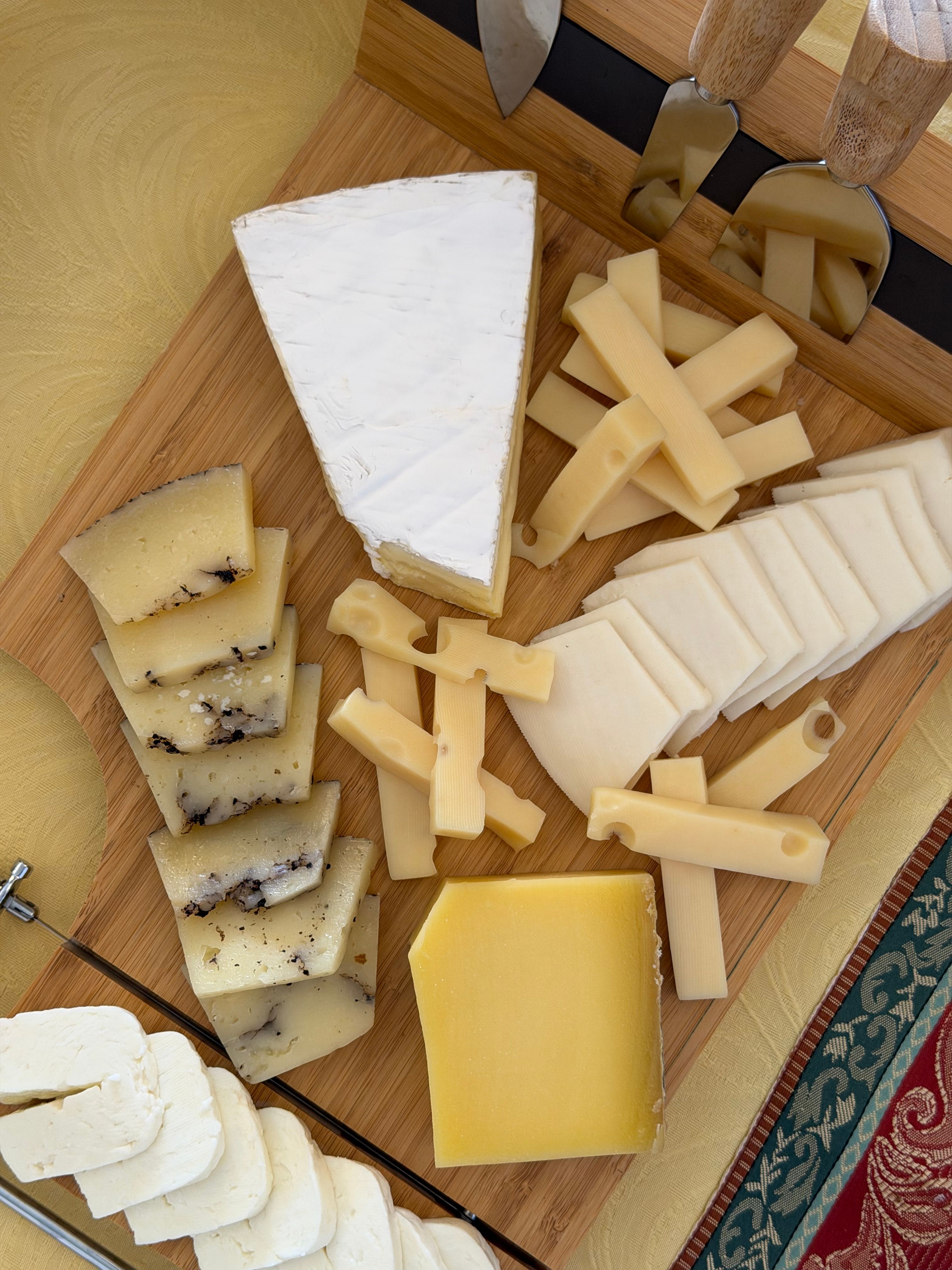
Some names come up more than others because they carry high value and strong consumer expectations. Parmesan-style cheeses, pecorino, aged cheddar, manchego-style products, and buffalo mozzarella are often discussed in fraud monitoring because differences in milk source, aging, and composition can be hard for buyers to verify on sight alone.
Grated and pre-shredded products are especially sensitive because the original wheel is no longer visible. Once cheese is reduced to fine pieces, additives and blend ratios are harder to spot. That does not mean every packaged product is suspect, only that format can make substitution easier to conceal.
Imported specialty cheeses can attract extra attention as well. Claims around origin, protected naming traditions, and artisanal production can all affect price. If any part of that story is overstated, the product may still be edible, but it is no longer what the consumer believed they were buying.
How to buy smarter in Canada right now
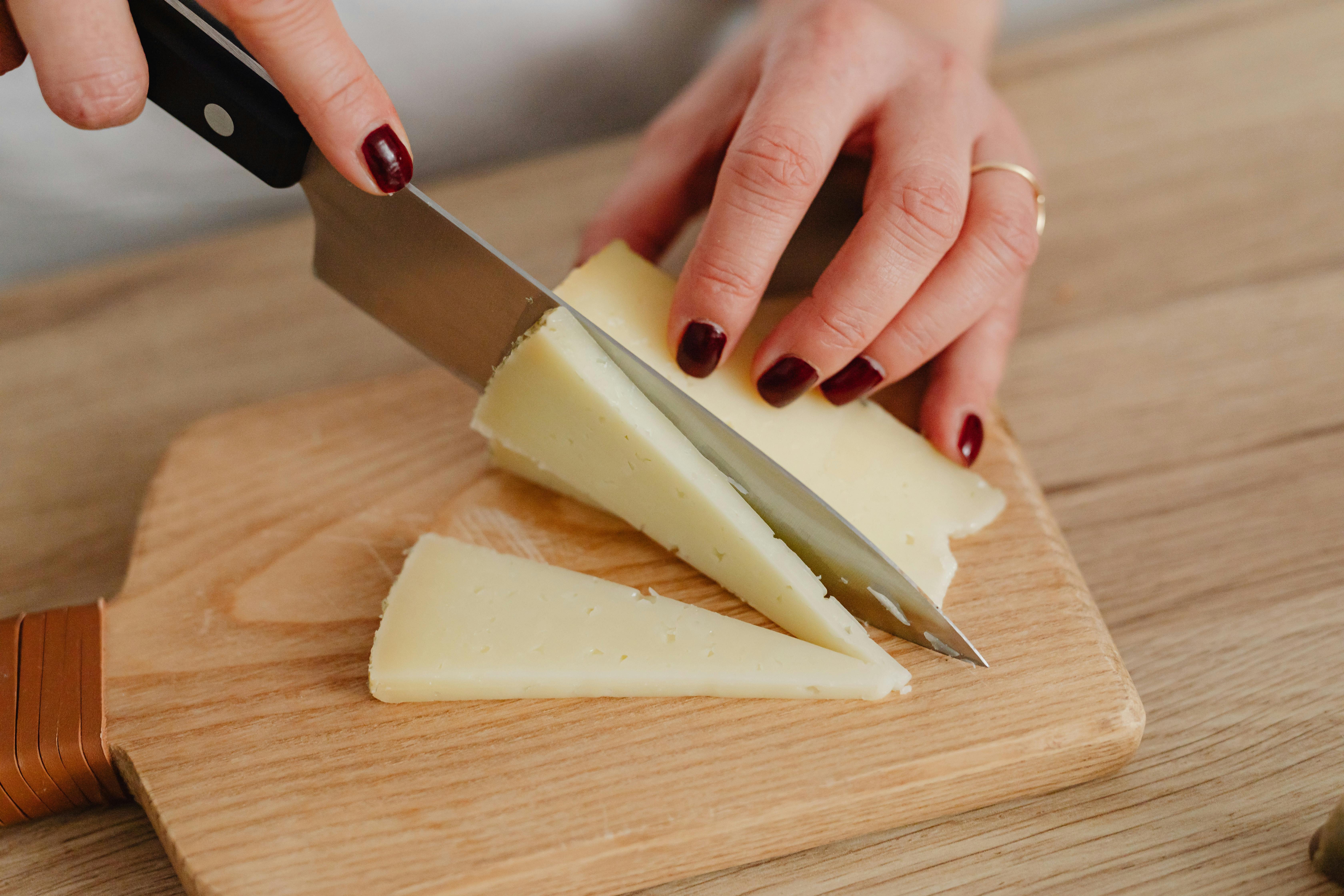
Start with the ingredient list, not the marketing language on the front. If a hard cheese is presented as premium, look for a short, clear ingredient statement and specific disclosures about milk type, origin, and whether anti-caking agents are included. Vague wording is not proof of fraud, but precision is usually a good sign.
Buying whole pieces instead of grated versions can also reduce uncertainty. A rind, texture, aroma, and cut surface reveal far more than a bag of shreds does. Reputable cheesemongers and specialty grocers are often more willing to explain aging, sourcing, and production details than mass-market packaging is.
Most important, understand that being flagged for fraud does not mean all hard cheese is compromised. It means scrutiny is increasing in a category where appearance and reputation can outpace transparency. For Canadian shoppers, the smartest response is not panic. It is better questions, better label reading, and a sharper eye for what premium cheese should actually be.



Leave a Reply