
Food waste is not just a kitchen problem. In Canada, it is a household money problem hiding in plain sight.
The $1,300 figure reflects waste most families barely notice

At first glance, $1,300 a year can sound exaggerated. But once wasted groceries are added up across spoiled produce, unfinished leftovers, stale bread, dairy tossed after sitting too long, and forgotten freezer items, the total becomes very believable.
Canadian research and food waste reporting have repeatedly shown that households are a major source of edible food loss. The average home does not usually throw out one huge amount at once. Instead, it happens in small, routine decisions that feel harmless in the moment.
A bag of salad wilts before it gets opened. Berries turn soft in two days. Milk expires because a second carton was bought too soon. A cooked meal is pushed to the back of the fridge, then discarded a week later.
That is why the annual cost matters. It captures the cumulative effect of daily habits rather than rare mistakes, and it shows that food waste is really repeated overspending.
Most waste begins before anyone takes a single bite

The biggest driver of household food waste is not always what happens at the table. It often starts earlier, during planning and shopping, when people buy more than they realistically need or choose foods without a clear plan to use them.
Promotions play a major role. Multi-buy deals, warehouse-sized packages, and impulse purchases encourage households to bring home more food than they can consume before quality declines. For families trying to save money, those deals can backfire badly.
Fresh foods are especially vulnerable. Leafy greens, herbs, bananas, avocados, tomatoes, and soft fruit have a narrow window between purchase and spoilage, particularly when schedules change and planned meals do not happen.
Even well-intentioned shopping can create waste. People often buy aspirationally, stocking up on ingredients for healthy cooking during a busy week, only to find that work, school, and fatigue get in the way.
Confusion over dates causes perfectly good food to be tossed

One of the most misunderstood parts of food waste is date labeling. Many consumers treat best-before dates as safety deadlines, even though those labels usually refer to peak quality, not the moment a product becomes unsafe to eat.
That misunderstanding leads to enormous waste. Yogurt, cheese, bread, cereal, and packaged foods are commonly thrown out because the date has passed, even when the food still looks, smells, and tastes fine.
Food safety experts have long pointed out the difference between spoilage and quality changes. A product may be slightly less fresh while still being edible, and learning that distinction can prevent a surprising amount of waste at home.
Storage also matters. Milk kept at a consistently cold temperature lasts longer. Herbs stored properly keep their freshness. Leftovers placed in clear containers are more likely to be eaten before they are forgotten.
The environmental cost is much bigger than a full garbage bag

The financial loss gets attention first, but wasted food carries a much broader cost. Every item thrown away also represents the land, water, energy, labour, fuel, packaging, and refrigeration used to produce and transport it.
When food ends up in landfill, it can generate methane, a powerful greenhouse gas. That means household waste contributes not only to higher grocery bills, but also to unnecessary climate pollution and pressure on municipal waste systems.
This is especially troubling because much of the food being discarded is edible. In practical terms, families are paying for resources they never actually use, while food insecurity remains a serious issue in many Canadian communities.
The contradiction is hard to ignore. A country can struggle with both rising grocery costs and high volumes of household food waste at the same time, because the problem is driven less by scarcity than by inefficient consumption.
Small kitchen habits can recover hundreds of dollars a year
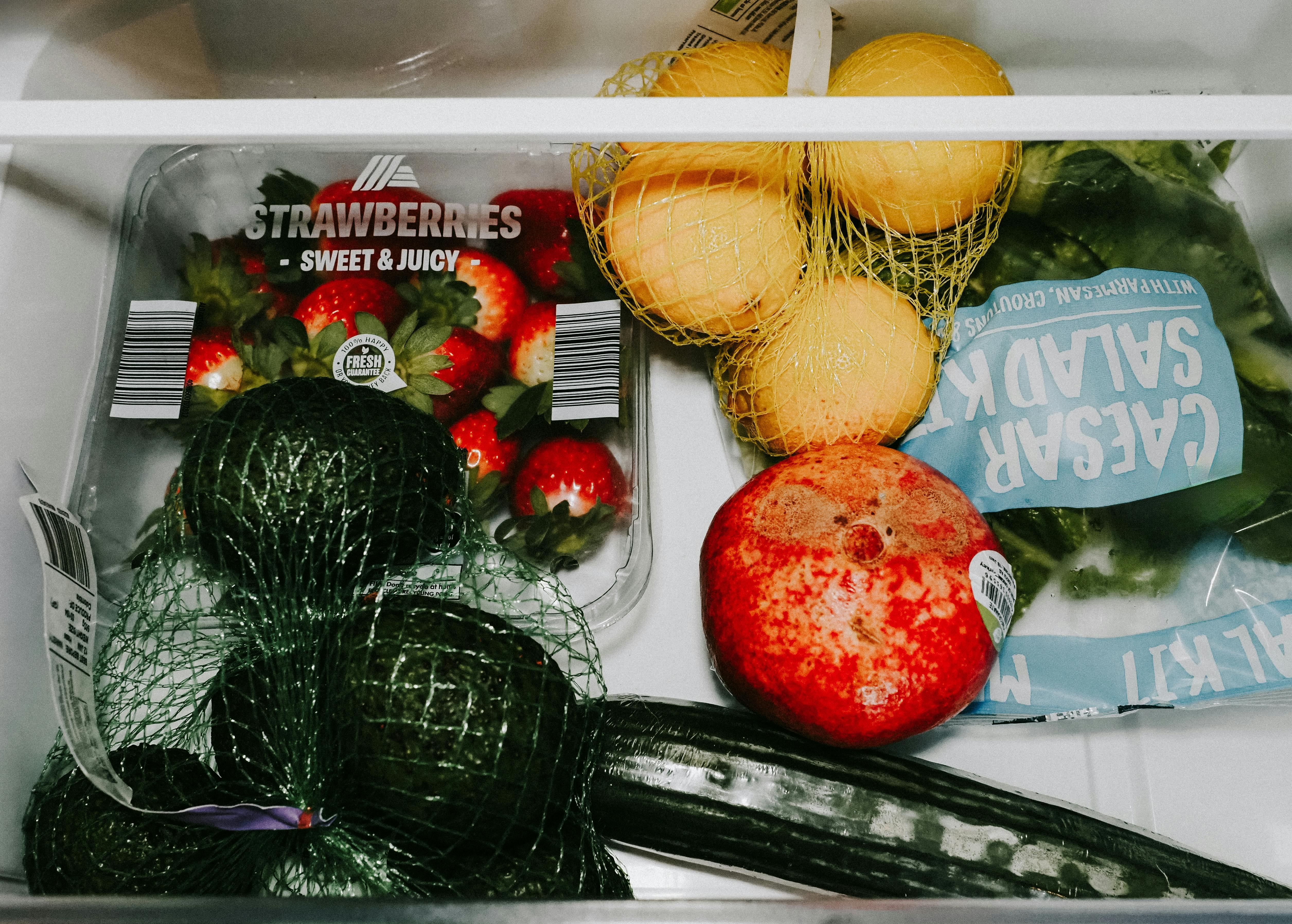
The good news is that food waste is one of the easiest household expenses to reduce. Families do not need perfect systems. They need a few reliable habits that make food visible, manageable, and easier to use in time.
Meal planning works best when it is realistic rather than idealistic. Instead of planning seven ambitious dinners, many households do better with three or four anchored meals, plus flexible ingredients that can be used in different ways.
A simple first-in, first-out approach helps. Older items should be moved to the front of the fridge or pantry so they are used before newly purchased food. Freezing bread, meat, leftovers, and produce can also prevent unnecessary loss.
Portion awareness matters too. Serving slightly less and allowing seconds often wastes less than overfilling plates. Keeping one shelf or bin for eat-first items creates a visual reminder that reduces forgetfulness.
Cutting waste has become part of smarter household budgeting

In a period of high grocery prices, the $1,300 figure deserves to be treated as a budget issue as much as a sustainability issue. Reducing food waste is effectively the same as getting more value from every grocery trip.
Households that track what they throw out often discover patterns quickly. One family may waste produce, another may overcook, and another may repeatedly lose leftovers. Once the pattern is visible, the fix becomes much easier to target.
Experts in consumer behaviour often note that awareness changes habits. When people see wasted food as wasted cash, they become more deliberate about shopping, storing, rotating, and repurposing what they already have.
That shift does not require deprivation. It simply means treating food with the same attention people already give to electricity, fuel, and other rising household costs. For many Canadians, that mindset could put hundreds of dollars back in the budget.




Leave a Reply