
Some inventions arrive with a plan. Others begin with a surprise that no one can ignore.
A Candy Bar Started the Story

The microwave oven's origin is one of the clearest examples of accidental discovery turning into massive commercial success. In 1945, engineer Percy Spencer was working with magnetrons at Raytheon, the vacuum tubes used in wartime radar systems. During one test, he noticed that a candy bar in his pocket had melted.
That detail may sound small, but it revealed something important. Spencer quickly realized that microwave radiation from the magnetron was heating food. He then tried more deliberate experiments, including popcorn kernels, which popped, and an egg, which heated so fast that it burst.
What made this moment remarkable was not only the accident itself, but Spencer's ability to understand it instantly. Many people might have ignored the melted candy as a curiosity. Spencer saw a practical application, and that insight set the stage for an entirely new consumer technology.
From Radar Lab to Restaurant Equipment
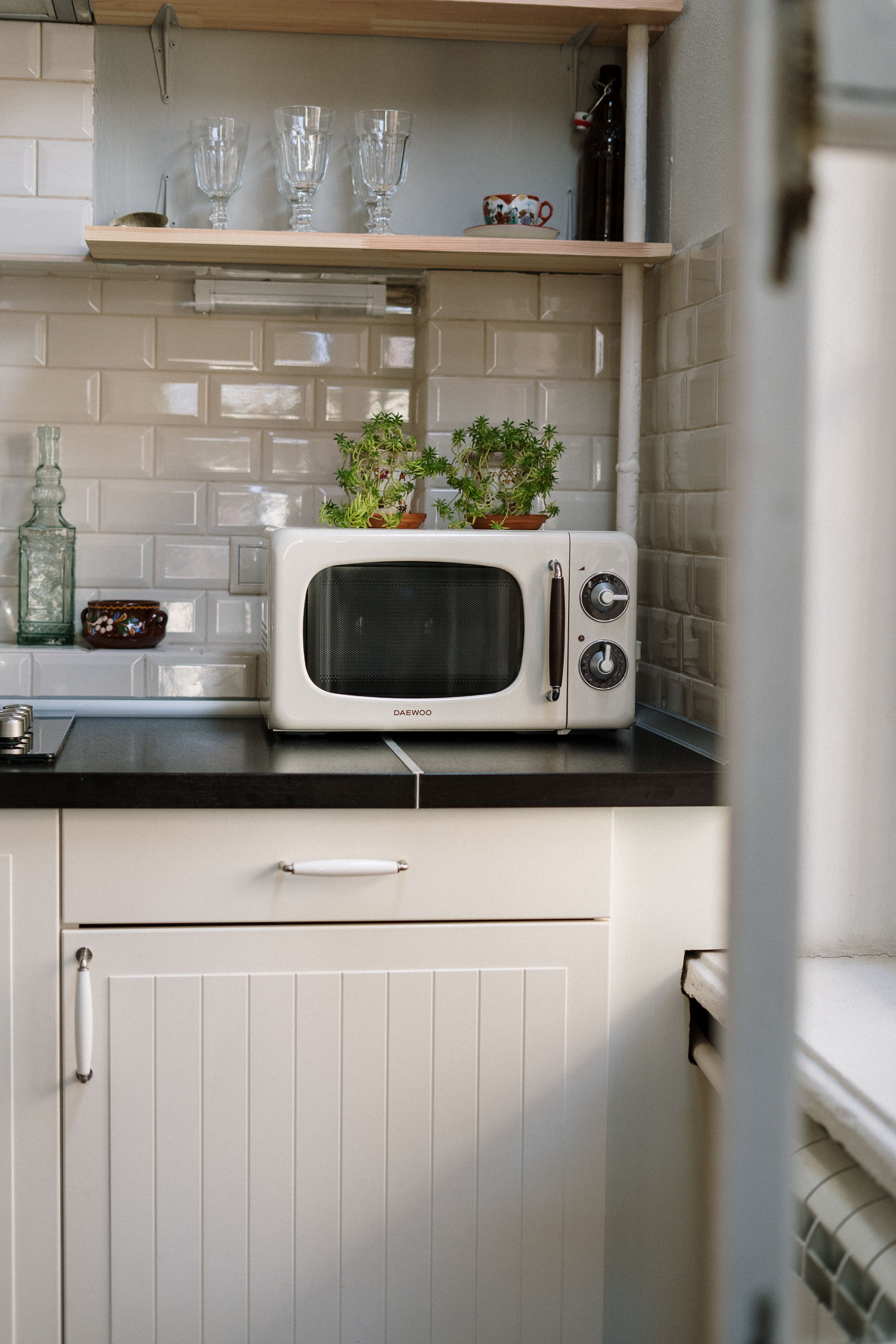
A kitchen appliance was not the original goal. The earliest microwave ovens were industrial machines, large and expensive, aimed at commercial food service rather than home cooks. Raytheon patented the idea and introduced the first microwave oven, the Radarange, in 1947.
That first model was enormous, standing nearly as tall as a refrigerator and weighing hundreds of pounds. It also cost thousands of dollars, which put it far beyond the reach of ordinary households. Its initial users were restaurants, railway dining services, and institutions that needed speed more than style.
This early phase mattered because it gave manufacturers time to refine the technology. Engineers improved safety, reduced size, and made the machines more practical. What started as heavy military-derived hardware slowly evolved into something that could fit on a countertop.
The Home Microwave Changed Daily Life

The shift into homes transformed the microwave from a clever invention into a cultural force. By the late 1960s and especially through the 1970s and 1980s, smaller and more affordable models entered the consumer market. As production scaled up, prices dropped and adoption accelerated.
Families quickly discovered that the microwave offered something older appliances could not. It reheated leftovers in minutes, thawed frozen foods quickly, and reduced the need for long cooking times. For working parents, students, and older adults, that convenience was not a luxury. It was a new kind of freedom.
Its rise also matched broader social changes. More women were entering the workforce, households had less time for elaborate meal preparation, and packaged food companies were developing products designed specifically for microwave heating. The appliance fit perfectly into a faster modern lifestyle.
A Giant Boost for Packaged Food Companies

The microwave did more than change cooking habits. It created demand for entirely new categories of food products. Frozen dinners, microwave popcorn, heat-and-eat soups, single-serve meals, and steamable vegetables all gained ground because manufacturers could now design products around rapid heating.
Microwave popcorn is one of the best examples of this business transformation. Percy Spencer had popped loose kernels in the lab, but decades later companies turned that principle into a major retail category. Special packaging, oil formulations, and flavoring systems created a product that was profitable, convenient, and closely tied to home entertainment.
The numbers tell the broader story. The global microwave oven market has long been worth billions, and the larger microwave-ready food sector is even bigger. Appliance makers, packaging firms, frozen food brands, and supermarket chains all benefited from the ecosystem that formed around one accidental discovery.
The Invention Also Faced Doubts and Limits

Not every part of the microwave story was smooth or universally praised. In its early years, many consumers were wary of radiation and uncertain about safety. Over time, regulation, clearer product design, and public education helped address those fears, and health authorities consistently found properly used microwave ovens safe.
Even so, the appliance has limits that shaped how it is used. It excels at heating water-rich foods, but it does not brown, crisp, or bake in the same way a conventional oven can. That is why microwave cooking developed its own strengths rather than replacing all other kitchen tools.
Critics also argued that the microwave encouraged overly processed eating. There is some truth in that concern, since microwaveable foods often overlap with packaged convenience products. At the same time, the appliance can also support practical, healthy meals, from steamed vegetables to reheated homemade soups and grains.
Why This Accident Became a Billion-Dollar Industry

The microwave became a billion-dollar industry because it solved a universal problem with unusual efficiency. People everywhere need to heat food, save time, and reduce effort in the kitchen. Few inventions have delivered that combination as directly as the microwave oven.
Its success also came from timing. The invention emerged from wartime electronics, matured during an era of rapid consumer manufacturing, and entered homes just as modern life was speeding up. Companies did not simply sell an appliance. They sold convenience, predictability, and control over mealtime.
That is why Percy Spencer's melted candy bar matters far beyond a single lab anecdote. It represents the rare moment when accident, expertise, and market demand align perfectly. From radar engineering to frozen dinners and office break rooms, the microwave oven remains one of the most commercially powerful kitchen inventions ever created.




Leave a Reply