
Restaurants have always been stages for social signals, and few settings reveal status anxiety faster than a dining room. The habits people label as "new money" are not really about wealth itself, but about performance, visibility, and trying to prove fluency in a world with its own quiet rules. Here are seven behaviors diners most often connect with that reputation, and why they stand out so quickly.
Ordering the most expensive items to make a point

One of the clearest tells is when the order sounds like a price parade. Instead of choosing what actually suits the table, the diner jumps straight to the caviar, wagyu, seafood tower, and top-shelf cocktails as if the bill itself is the meal.
Veteran servers often notice the difference between enthusiasm and display. Guests with long experience in expensive restaurants usually ask about seasonality, portion size, or kitchen specialties. A new-money stereotype, by contrast, is built around using the menu as a public receipt.
That is why the behavior gets noticed so fast. The message can feel less like pleasure and more like proof, especially when every choice is announced loudly enough for nearby tables to hear.
Talking loudly about the cost of the meal
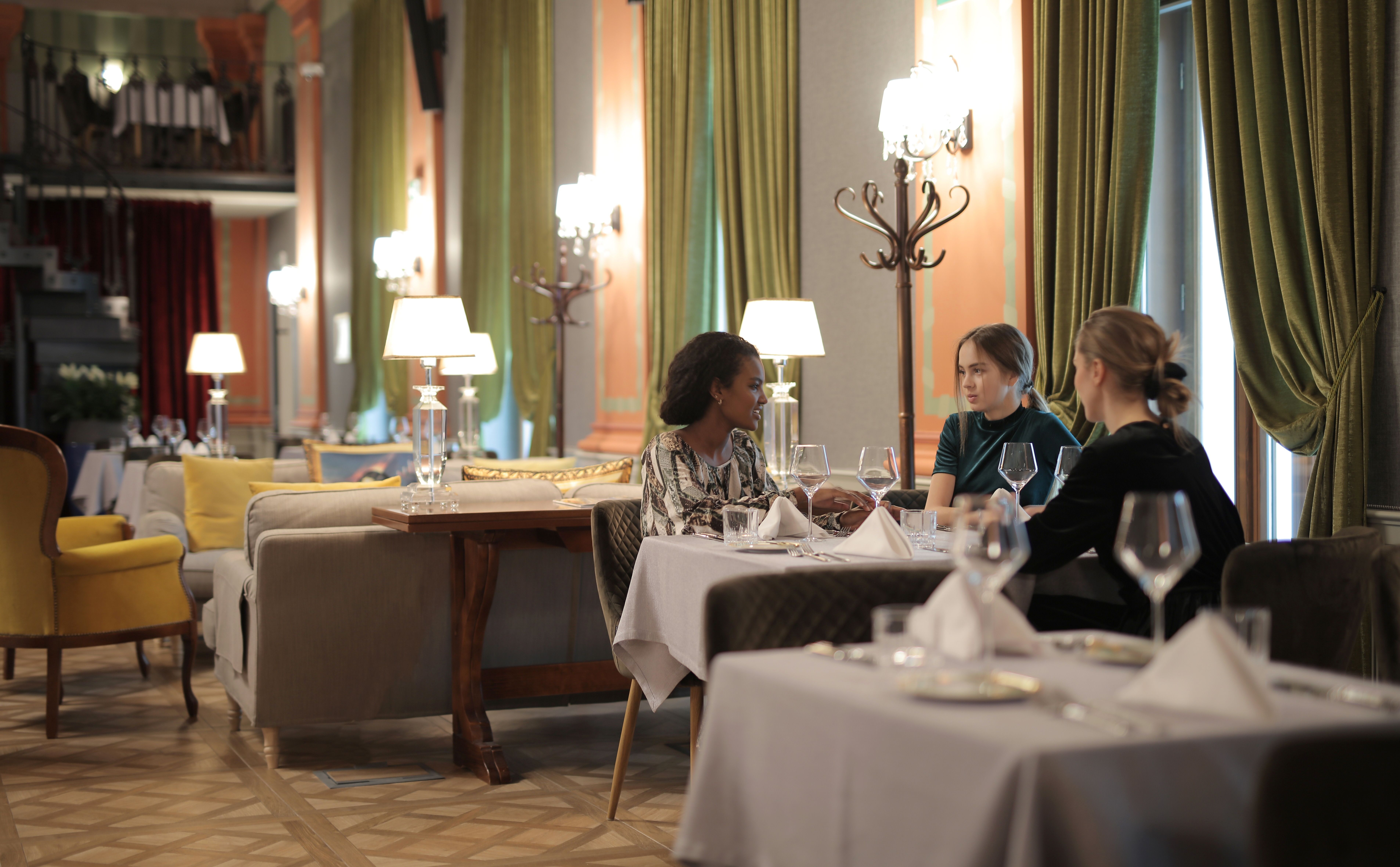
Money talk has a way of changing the temperature at a table. People often associate new money with diners who repeat the price of the wine, mention the minimum spend, or joke about how much they are about to drop before the appetizers even arrive.
In most polished dining rooms, the older rule is simple: if you can afford it, you do not need to narrate it. Restaurant professionals say the loudest spending commentary usually lands as insecurity, not confidence, because it asks everyone nearby to witness the transaction.
That is what makes the habit memorable. The meal stops being about food, company, or hospitality and starts sounding like a running financial press release delivered between courses.
Treating staff as status props instead of professionals
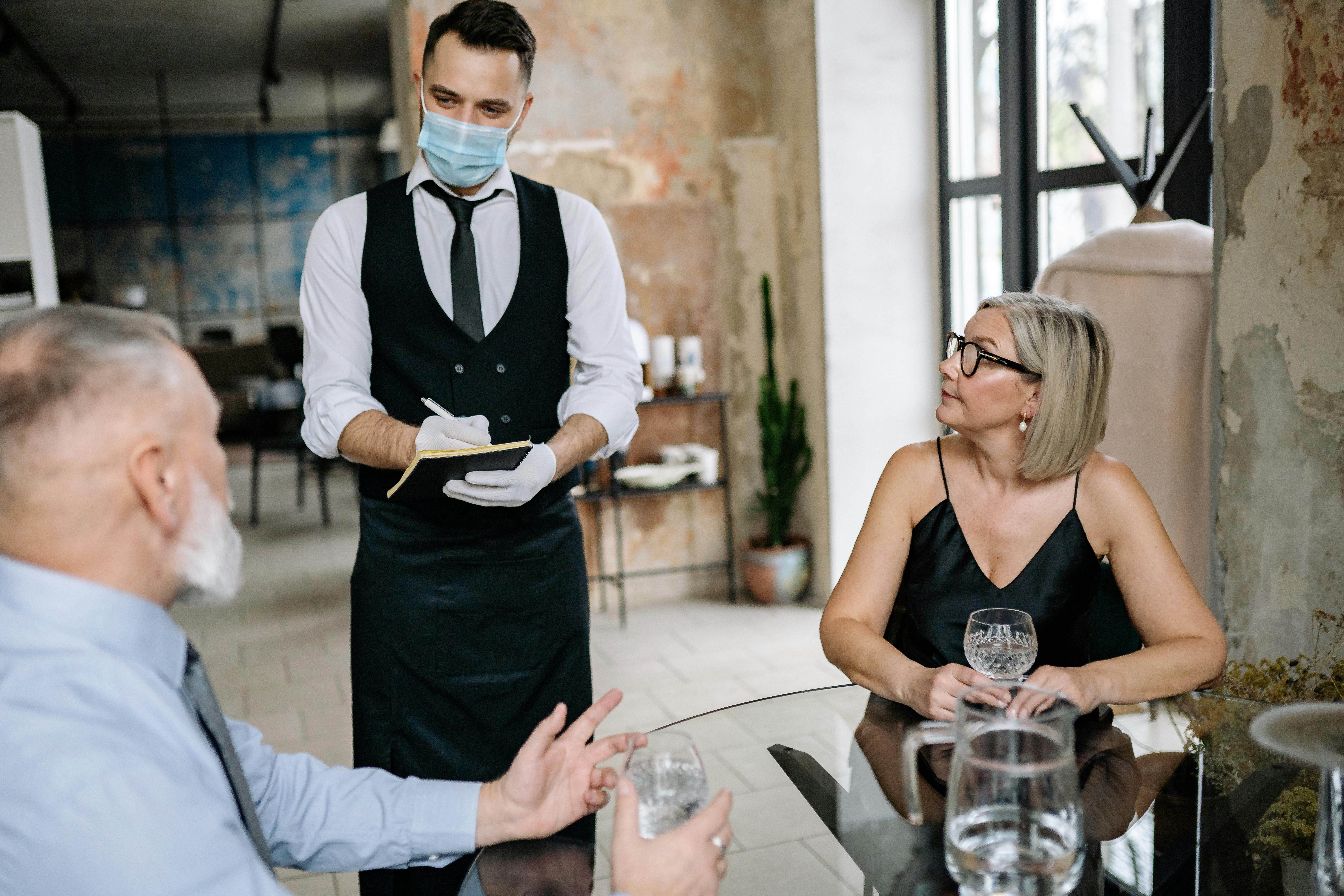
How people treat servers is often the fastest social giveaway in any restaurant. The new-money stereotype appears when a guest acts less like a customer and more like a director, summoning staff repeatedly, interrupting service, or using a condescending tone to perform authority.
Experienced diners usually understand that smooth service depends on timing, mutual respect, and clear communication. They do not need to establish rank every few minutes. Hospitality workers have long said the strongest signal of real ease is kindness paired with precision.
That is why rude theatrics stand out. They read as an attempt to borrow prestige through control, even though truly seasoned restaurant regulars tend to make the room calmer, not more tense.
Over-customizing dishes in a fine dining setting
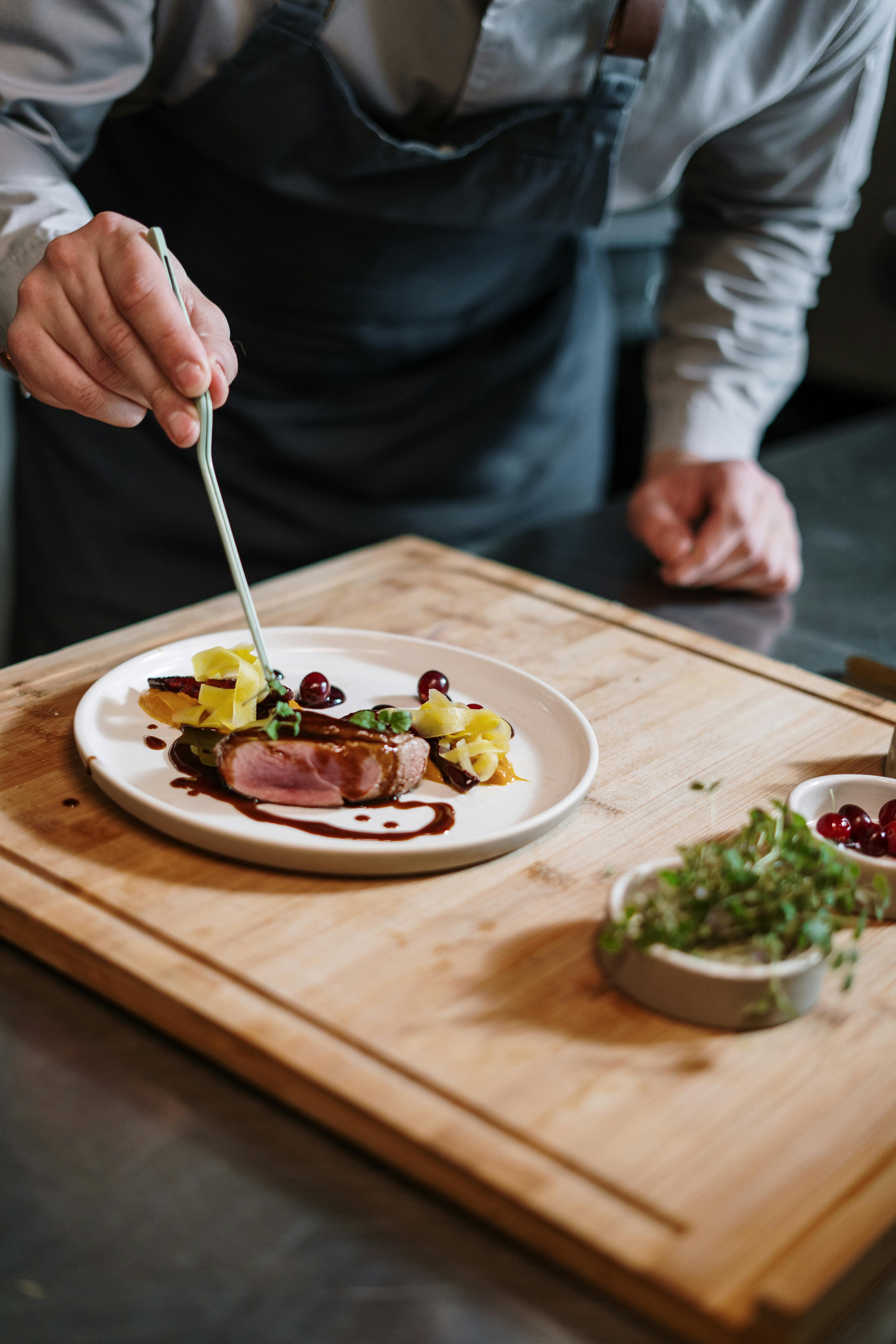
There is a difference between a dietary need and rewriting the menu. People commonly link new money with diners who make a string of unnecessary substitutions in chef-driven restaurants, then expect the kitchen to bend around personal whims while keeping the dish photo-ready.
In serious dining rooms, menus are usually built for balance. Texture, acidity, temperature, and timing are planned together, and many chefs view excessive changes as breaking the architecture of the plate. Staff can often accommodate requests, but constant edits may signal unfamiliarity with how these restaurants actually work.
The behavior gets read as performative because it places control above craft. Instead of trusting the kitchen's expertise, the guest seems eager to prove that money buys authorship over every detail.
Performing wine knowledge rather than enjoying the bottle
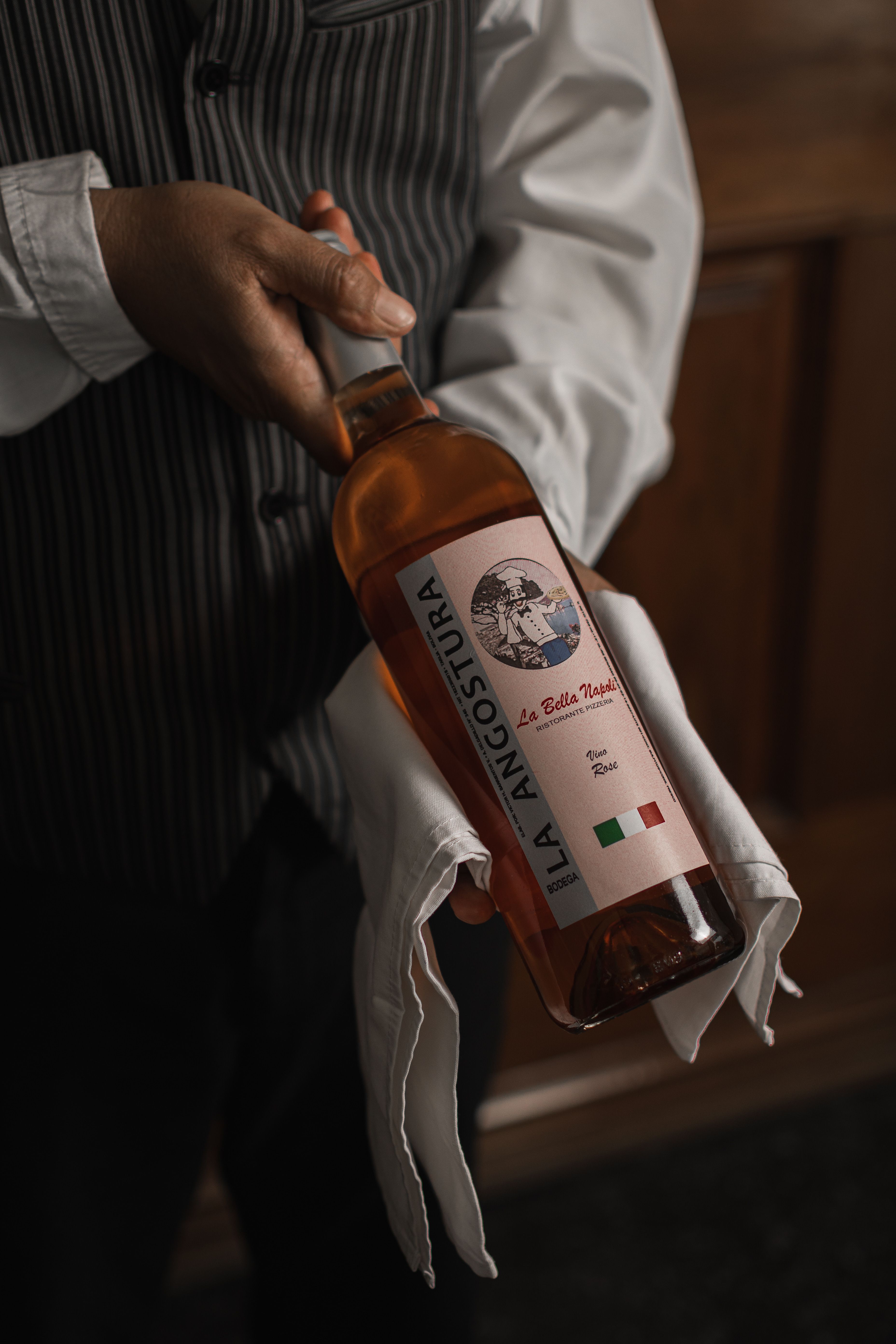
Wine can turn into social theater very quickly. A habit often tagged as new money is the diner who misuses tasting vocabulary, insists on a famous label over a better pairing, or treats the sommelier like an audience for a knowledge contest.
People with real confidence around wine tend to ask practical questions. They want guidance on style, region, vintage variation, or how a bottle will work with the food. The performance begins when the goal shifts from drinking well to sounding expensive.
That is why this habit can feel so transparent. In restaurants, wine service is meant to support the meal, but showy commentary makes the bottle a badge, and everyone at the table can usually sense the difference.
Photographing everything as proof of access
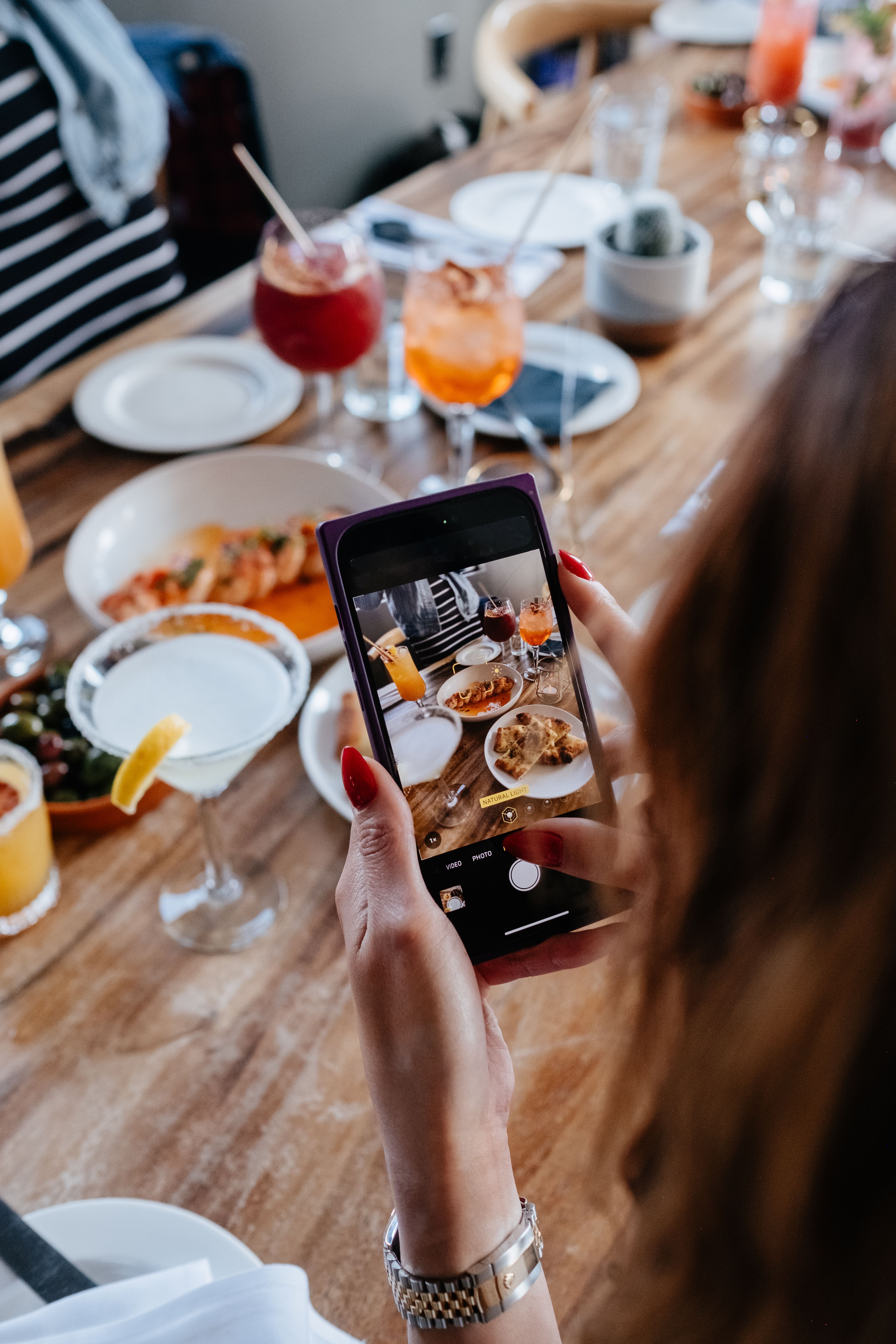
Most people take a quick food photo now and then, so the issue is not the camera itself. The stereotype emerges when the meal becomes a content shoot, with every course staged, every glass adjusted, and every delay justified by the need to capture the luxury of the moment.
Restaurants have adapted to this culture, but many hospitality experts note that constant documentation changes the rhythm of service. Hot food cools, staff must hover, and fellow diners end up inside someone else's social proof exercise.
This is why the habit gets tied to new money. The point seems less about savoring a rare experience and more about broadcasting entry into a world the diner wants others to recognize instantly.
Chasing VIP treatment in ways that disrupt the room
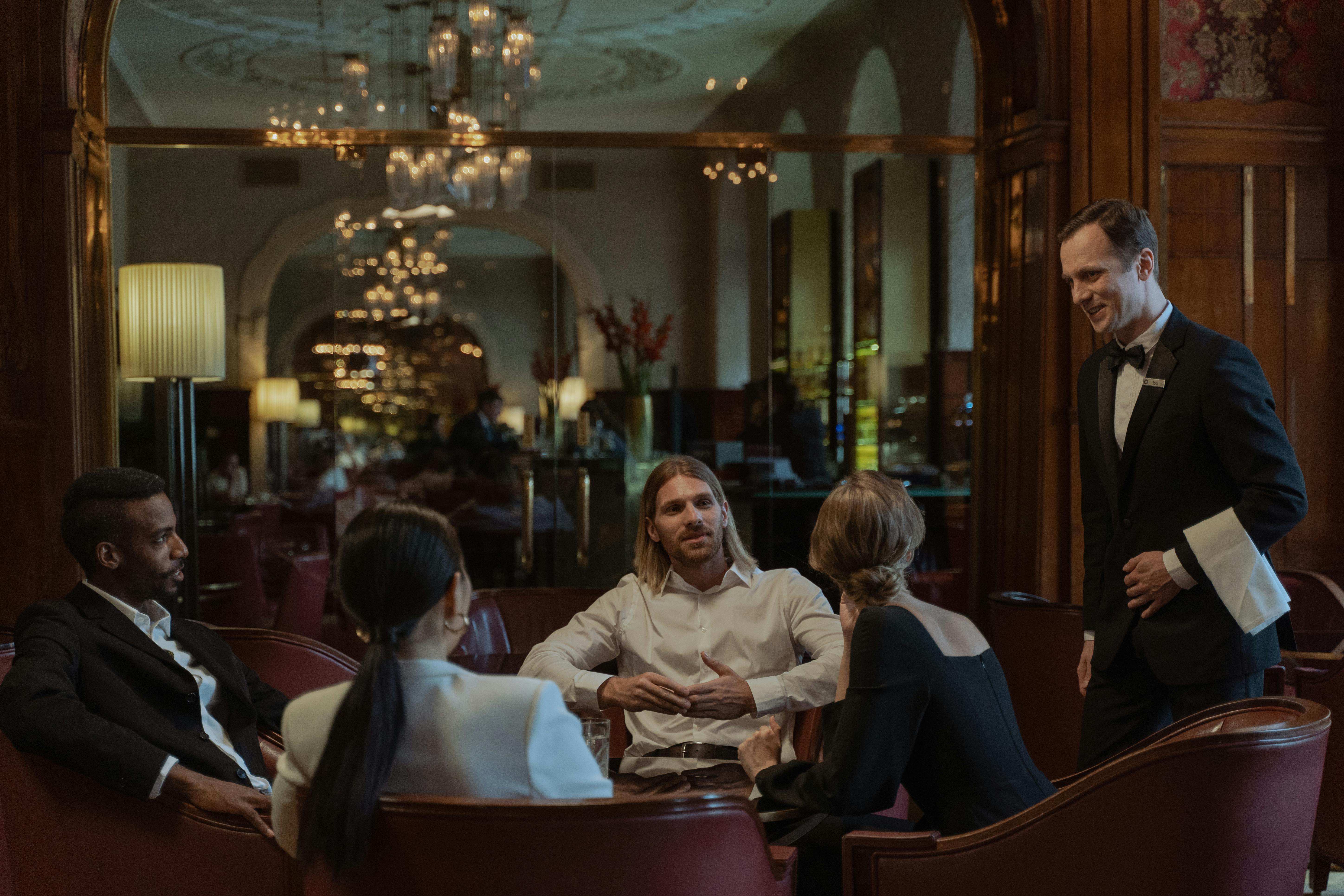
Special treatment is one thing. Demanding to be visibly treated as special is another. People often associate new money with guests who insist on the best table after arriving late, name-drop owners, push for off-menu favors, or expect house rules to dissolve on contact.
Regulars at top restaurants often receive warm recognition, but it usually works quietly. Good hosts are skilled at making important guests feel comfortable without throwing the entire room off balance. Public negotiation over status tends to signal hunger for validation rather than true standing.
That is what makes this behavior so noticeable. Instead of blending into the restaurant's flow, the diner tries to bend the room into a spotlight, and everyone nearby can feel the strain.

Leave a Reply