
Quiet luxury is less about flashy labels and more about calm, deliberate choices that suggest confidence, comfort, and good taste. At the grocery store, that mindset often shows up in small habits: buying better basics, reading labels carefully, and favoring quality over excess. These seven behaviors are often associated with the understated, polished approach people describe as quiet luxury.
They buy fewer items, but better ones

The first clue is restraint. Quiet luxury shoppers often skip the overflowing cart and focus on a smaller number of things that are genuinely useful, fresh, and well made. It is a style of buying that values editing over impulse, which often leads to less waste and more satisfaction at home.
That usually means paying more attention to staples like olive oil, eggs, bread, yogurt, and coffee instead of loading up on novelty snacks. The logic is simple: if you use something often, quality matters more. This habit can also reflect a practical kind of wealth, where comfort comes from consistency and not from showing off.
They read ingredient labels with care

A quiet luxury mindset tends to favor clarity. In grocery aisles, that often looks like turning a package over and checking what is actually inside before it goes into the basket. The appeal is not trend chasing. It is the preference for foods that feel straightforward, well sourced, and less heavily engineered.
Shoppers with this habit often look for shorter ingredient lists, recognizable oils, and realistic amounts of sugar and sodium. They may not buy everything organic or specialty, but they do notice details. Label reading suggests discernment, and that is central to the whole quiet luxury idea: choosing with intention instead of buying on autopilot.
They prioritize seasonal produce
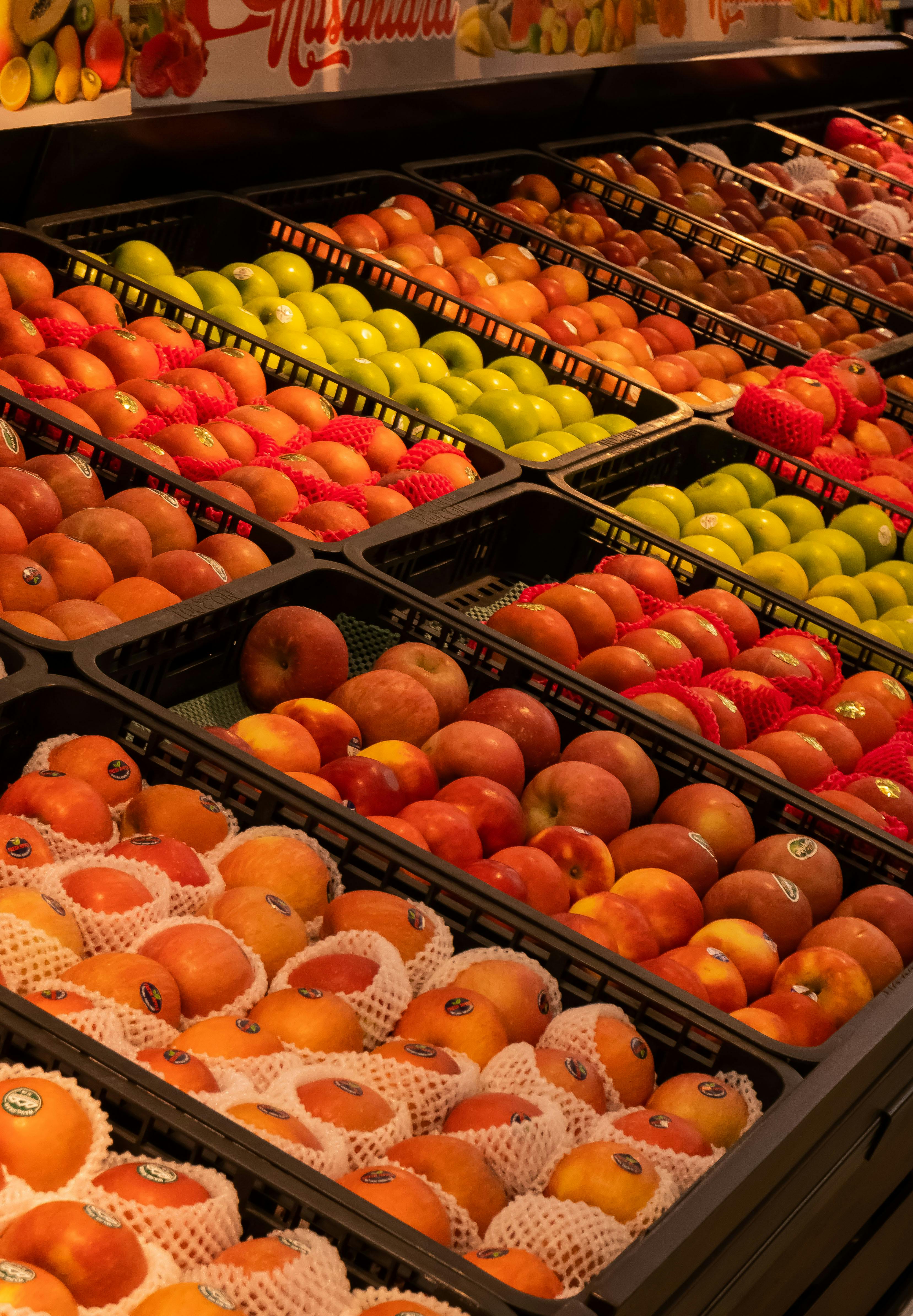
One of the clearest signs of understated taste is knowing when food is naturally at its best. Quiet luxury shoppers often build meals around seasonal fruits and vegetables because those items usually taste better, need less intervention, and can offer stronger value when supply is high.
There is also a cultural signal in this habit. Choosing asparagus in spring, tomatoes in summer, or citrus in winter suggests familiarity with food rather than performative spending. Seasonal shopping often aligns with farmers market habits, better freshness, and a more intuitive way of cooking. It feels elegant because it is grounded in timing, not extravagance.
They choose store-prepared foods selectively
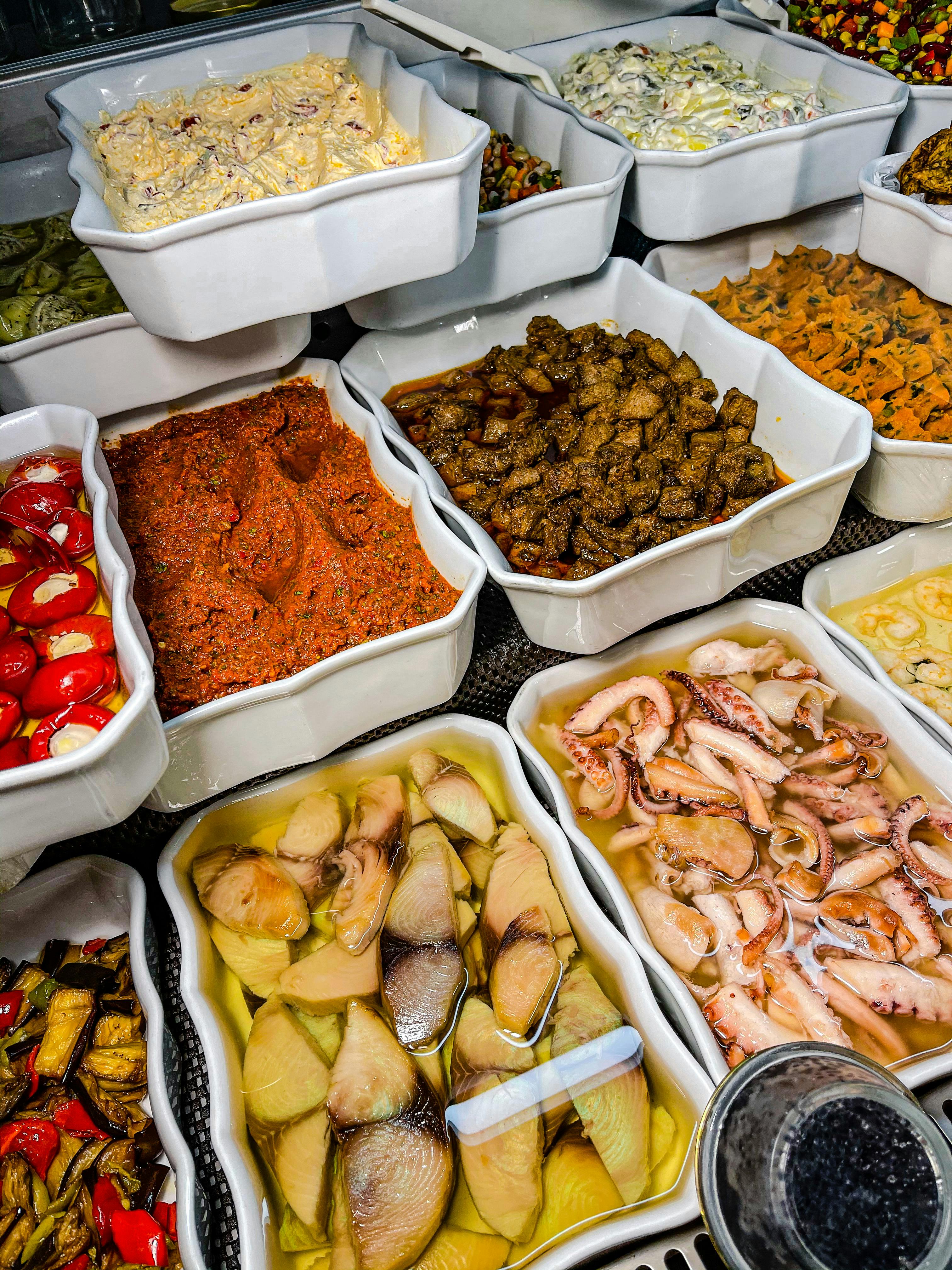
Convenience is not off limits in quiet luxury. The difference is how it is used. Instead of filling the cart with random packaged meals, these shoppers tend to choose a few prepared foods that save time without sacrificing quality, such as fresh soup, marinated olives, a roast chicken, or a well-made salad.
This approach reflects modern ease rather than laziness. It says life is busy, but standards still matter. Many premium grocers have invested heavily in chef-driven prepared sections, and shoppers who know how to use them well can assemble a polished dinner in minutes. The luxury lies in smart curation, not in buying the most expensive option available.
They keep a signature set of pantry staples
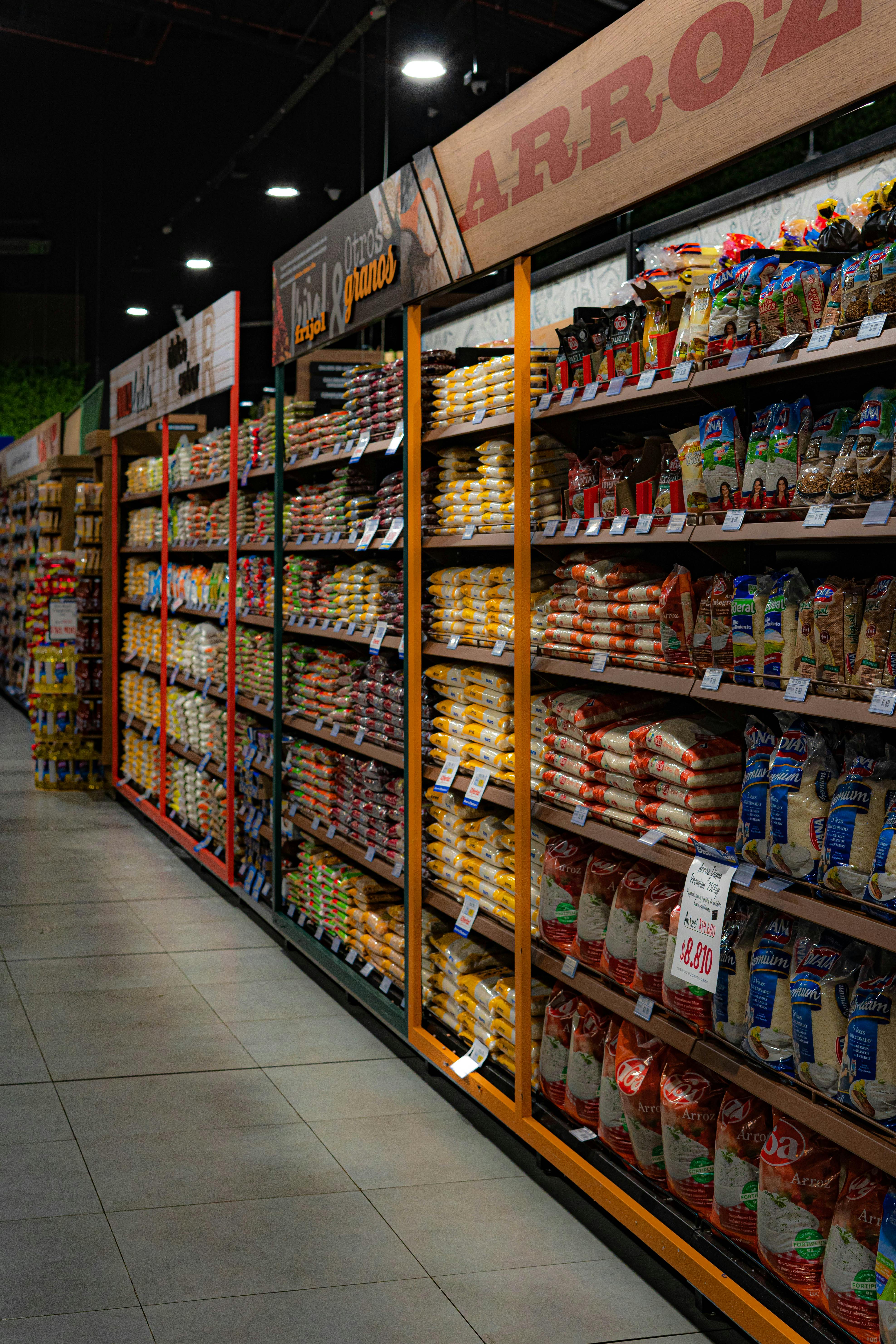
Quiet luxury often shows up as consistency. At the grocery store, that can mean returning to the same core pantry items again and again: a trusted pasta brand, flaky salt, Dijon mustard, good butter, aged vinegar, quality rice, and a chocolate worth savoring slowly.
This is less about collecting gourmet labels and more about building a reliable foundation. With strong basics at home, simple meals feel elevated without much effort. A bowl of pasta, toast with butter, or roasted vegetables can taste distinctly better when the supporting ingredients are thoughtfully chosen. The effect is subtle, which is exactly the point. Nothing screams for attention, but everything works beautifully together.
They avoid obvious status buys

Perhaps the most defining grocery habit is what they leave behind. Quiet luxury tends to avoid products chosen mainly for social media appeal, flashy packaging, or a luxury name attached to an ordinary item. The emphasis is usually on substance, provenance, and daily usefulness rather than on signaling.
That does not mean cheap or austere. It means selective. A shopper may buy excellent cheese or smoked salmon, then skip the overpriced trend item beside it because it offers more image than quality. In that sense, the habit is almost anti-performance. True refinement at the grocery store often looks calm, informed, and surprisingly unshowy.
They shop in a way that supports routine
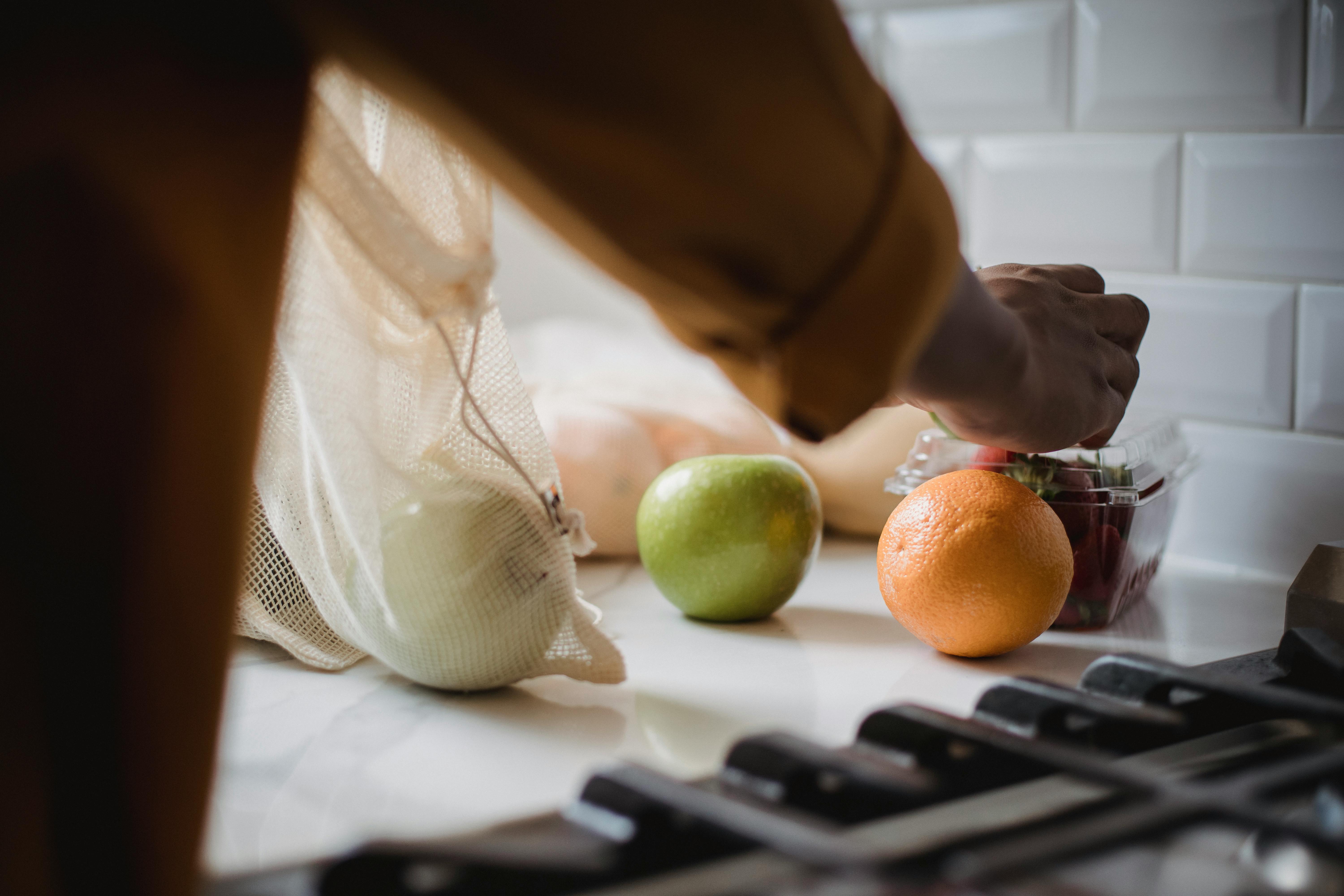
Quiet luxury is closely tied to ease, and ease usually comes from systems. Many people associated with this style do not wander a store without a plan. They shop on a rhythm, know which categories matter most, and maintain a kitchen that can produce a good breakfast, lunch, or dinner without stress.
That may mean one weekly supermarket trip, a standing produce order, or a quick top-up at a neighborhood specialty shop. The habit is less glamorous than it sounds, but it creates a composed everyday life. In grocery terms, quiet luxury is often about reducing friction. A stocked fruit bowl, fresh flowers, and dependable ingredients can make home feel quietly abundant.




Leave a Reply