
In Canada, winter has never been just a season. It has been a force that shaped kitchens, harvest habits, and the kinds of meals people craved when fresh food was scarce and the cold seemed endless. These seven traditions show how Canadians turned preservation, local ingredients, and sheer practicality into dishes that still feel deeply comforting today.
Tourtière
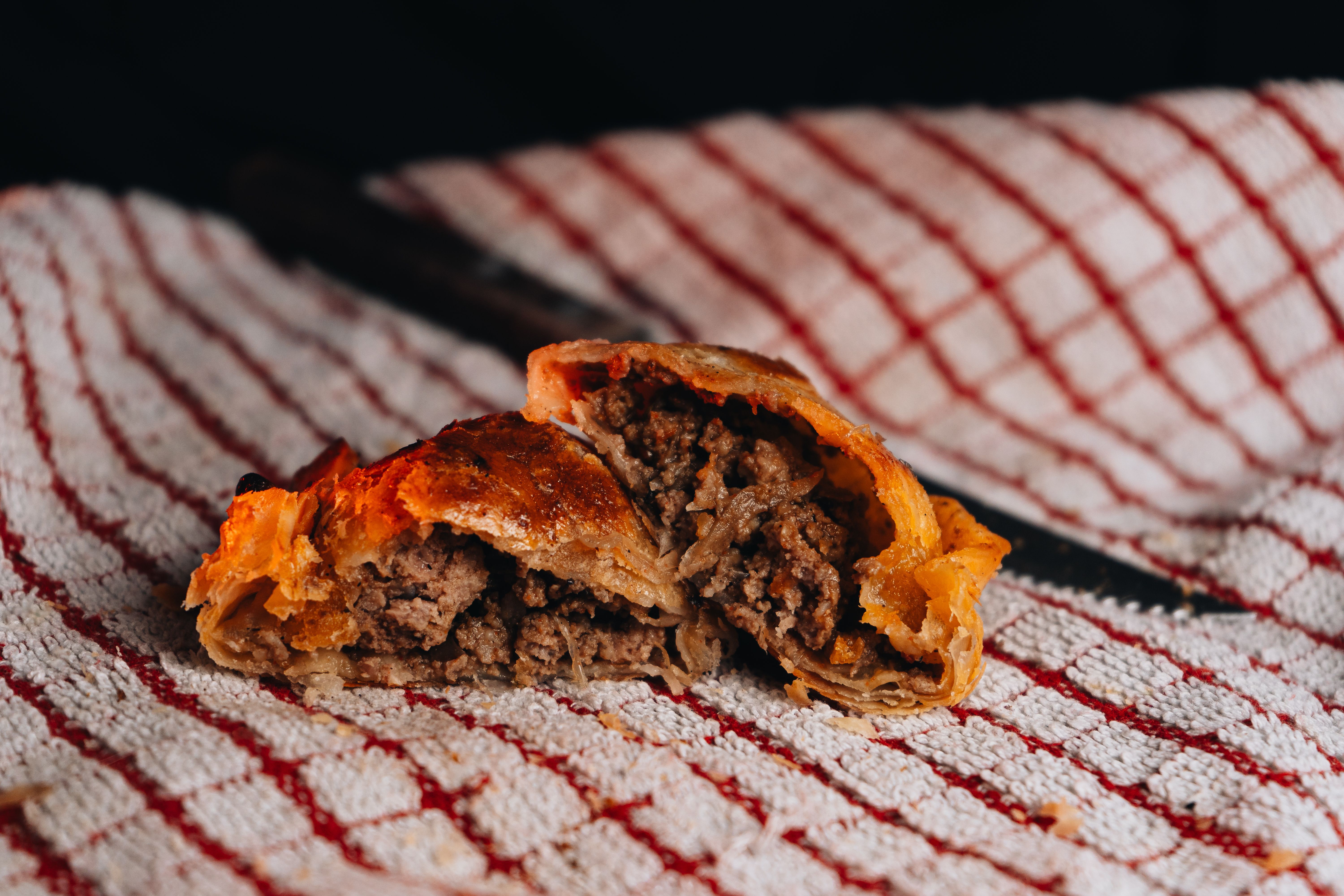
Few dishes say winter in French Canada quite like tourtière. This savory meat pie became a cold-season essential in Quebec, where farm families needed hearty food that could feed many people during Christmas, New Year, and the long months when fresh produce was limited.
Its filling often used pork, veal, beef, or game, seasoned with warming spices such as cloves, cinnamon, and allspice. Those flavors reflected both local taste and practical cooking, since pies held up well in chilly pantries and could be made ahead for holiday gatherings.
Over time, tourtière became more than a way to stretch meat. It turned into a ritual dish, tied to réveillon suppers and family recipes that still vary from region to region.
Pea Soup
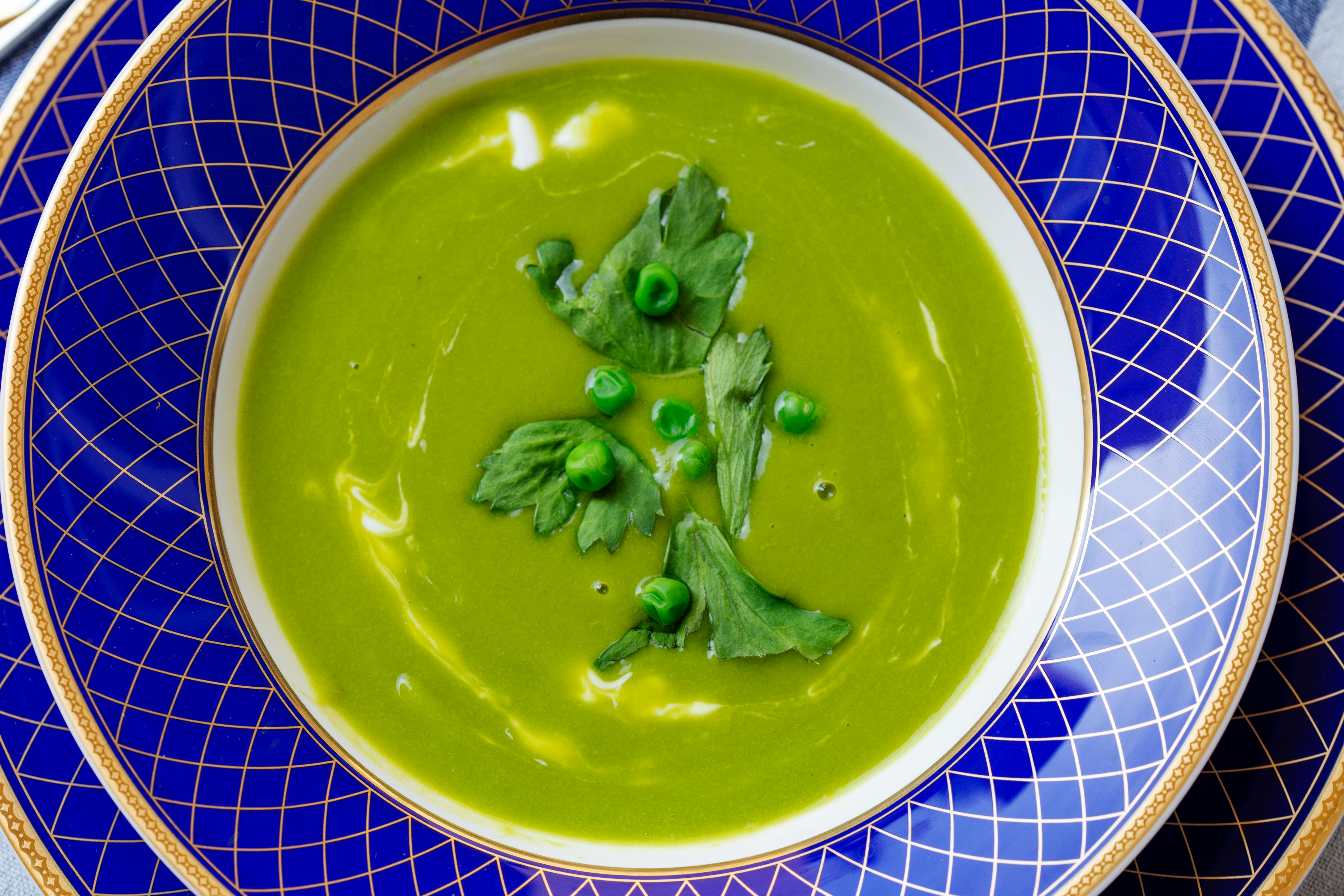
Split pea soup grew out of necessity, not luxury. In early French Canadian households, dried yellow peas were affordable, easy to store through winter, and rich enough to anchor a meal when gardens were frozen and fresh food was hard to come by.
The classic version often includes salt pork or ham, onions, and herbs, slowly simmered until thick and filling. That method made perfect sense in cold weather, because a single pot could warm the house, feed a family, and use preserved meat at the same time.
Today, pea soup still carries that practical spirit. It remains one of Canada's clearest examples of how pantry staples became comfort food through long, demanding winters.
Pouding Chômeur

Pouding chômeur is a dessert with hardship built right into its story. Created during the Great Depression, most likely by French Canadian factory workers and home cooks in Quebec, it used cheap pantry basics to make something warm, sweet, and deeply satisfying in lean times.
The dessert starts as a simple cake batter, then gets covered with a syrup made from brown sugar, cream, or maple syrup before baking. In the oven, it transforms into a soft cake with a rich sauce underneath, delivering comfort without requiring expensive ingredients.
That clever thriftiness made it especially suited to winter, when families stayed close to home and stretched what they had. Its appeal has lasted because it tastes generous even when its roots were modest.
Cretons

Cretons began as a smart answer to two winter needs: preserving meat and making breakfast more substantial. This seasoned pork spread, especially popular in Quebec, was a practical way to use inexpensive cuts and transform them into something flavorful that kept well in the cold.
Ground pork is gently cooked with onion, milk or cream, and spices such as cinnamon, cloves, and nutmeg until it becomes smooth and spreadable. Served chilled on toast, it offered protein and richness at a time of year when mornings were dark, work was demanding, and lighter foods held little appeal.
Its staying power comes from that balance of thrift and pleasure. Cretons may be humble, but they capture the deep winter logic of making simple ingredients work harder.
Bannock by the Fire
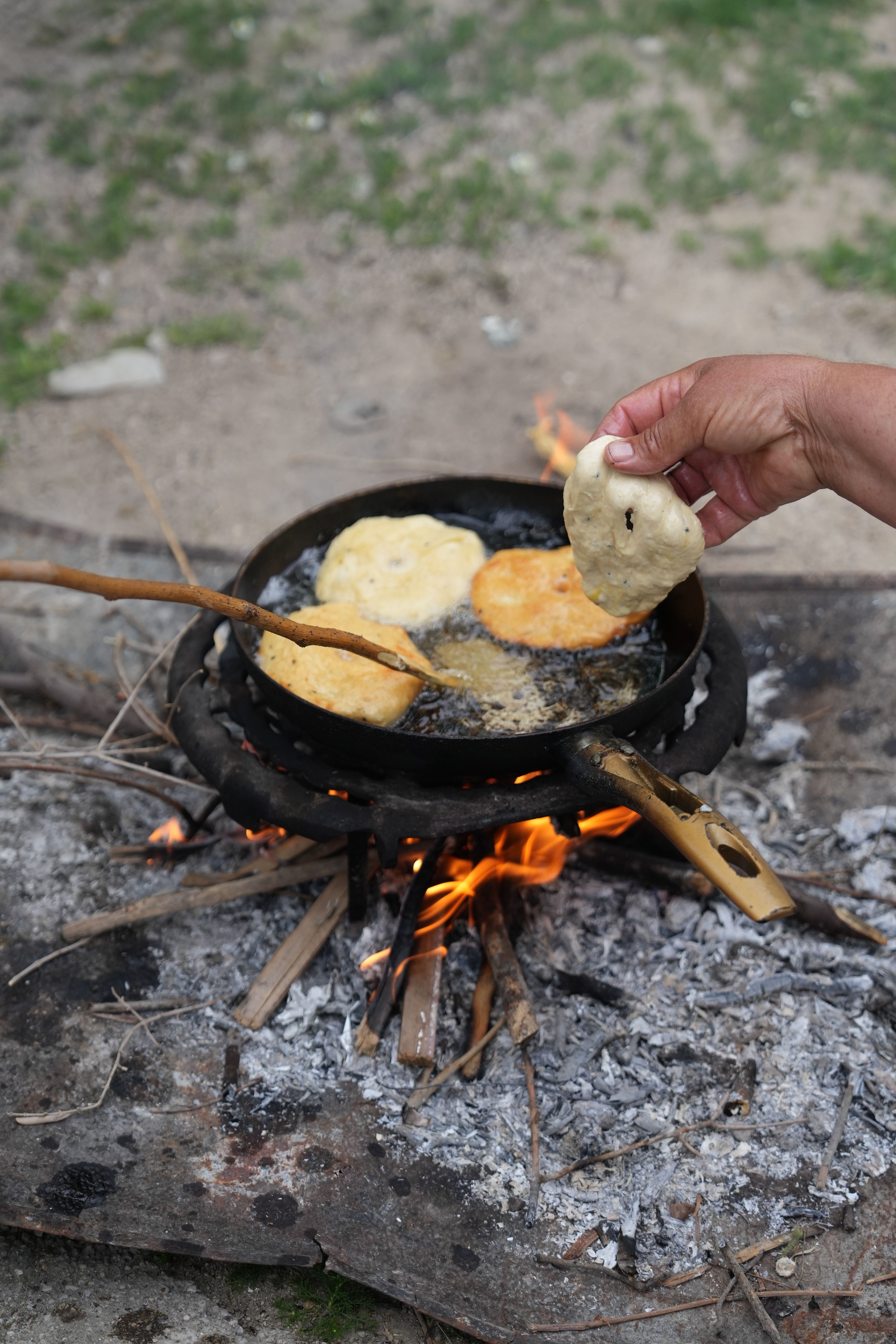
Bannock's story in Canada is layered, shaped by trade, adaptation, and survival in harsh conditions. While versions of bannock came from Scottish traditions, Indigenous communities across the country adopted and adapted it, especially as colonial disruption altered access to traditional food systems.
Its appeal in winter was obvious. Made from simple ingredients like flour, fat, baking powder, and water, bannock could be cooked in a pan, on a stick, or near a fire, making it practical for remote travel, trapping, and cold-weather camp life.
Today, bannock means different things in different communities, and that history deserves care and context. Still, its role as a dependable, warming bread speaks clearly to how winter shaped eating across northern landscapes.
Poutine

Poutine may be famous as late-night food, but its success also makes winter sense. Born in Quebec in the mid-20th century, it combines fries, cheese curds, and hot gravy into something salty, rich, and steaming, exactly the kind of dish that feels right in freezing weather.
The ingredients also reflect a regional food economy. Potatoes store well for months, cheese curds come from dairy country, and gravy turns drippings and stock into a practical finishing touch. It is indulgent, yes, but it is also built from foods that made sense in a cold climate.
What began as a local snack became a national comfort classic. Part of its appeal is simple: in a Canadian winter, a hot dish that stays warm under gravy is hard to resist.
Butter Tarts
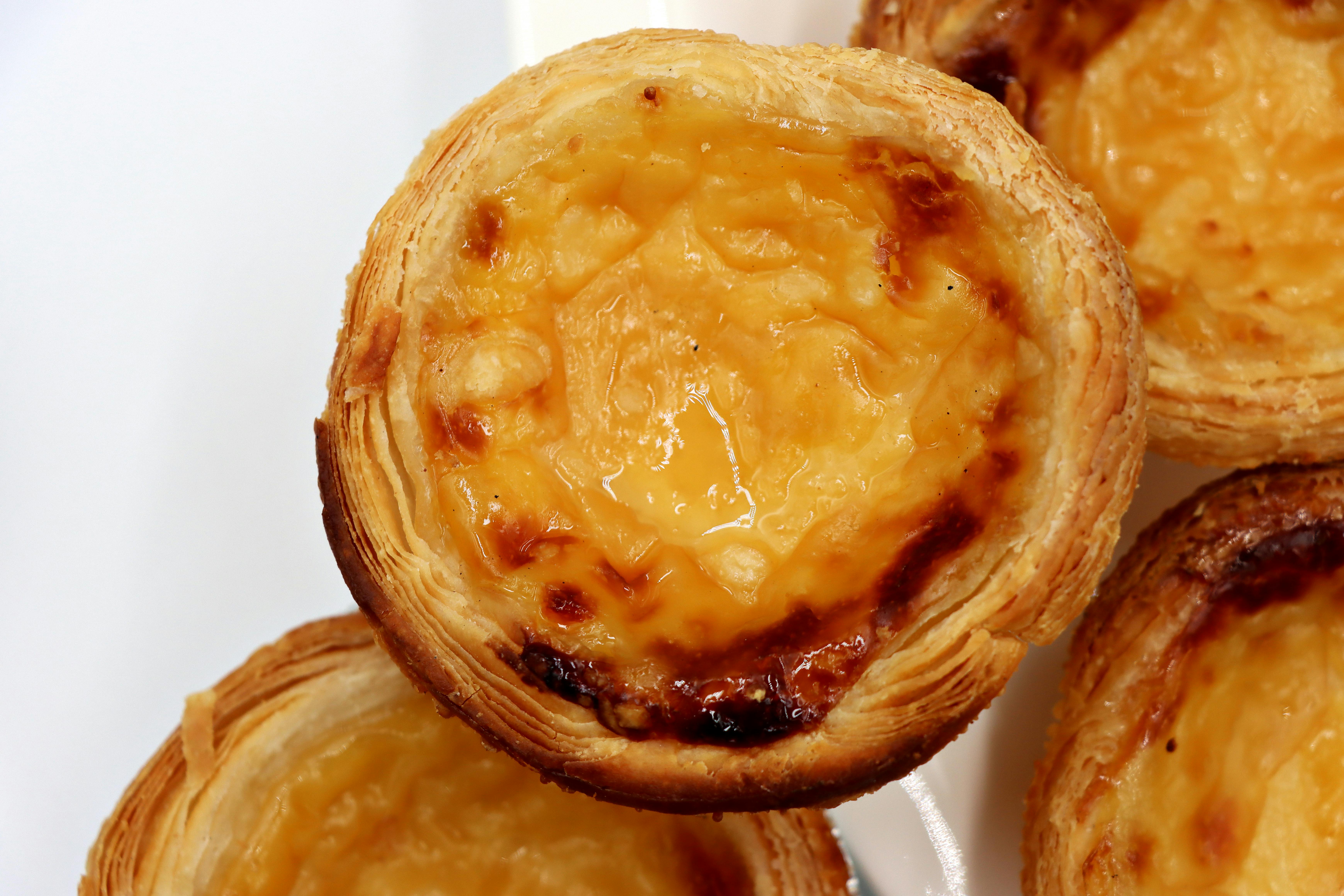
Butter tarts are often linked to holiday tables, but their logic is rooted in winter baking. In Ontario and beyond, these small pastries relied on ingredients that households commonly had on hand in colder months: butter, sugar, eggs, and dried fruit or nuts when available.
Their filling is simple but clever, turning a few shelf-stable staples into something rich and celebratory. That mattered in winter, when fresh fruit was scarce and home baking took on an outsized role in bringing comfort and variety to the table.
The long-running debate over raisins or no raisins is part of their charm now. What has never changed is their cold-weather appeal, because a sweet, buttery tart was exactly the kind of treat people wanted when the season felt longest.




Leave a Reply