
Most travelers know maple syrup as a souvenir bottle shaped like a leaf, but in Canada, maple season is packed with rituals that feel deeply local and proudly seasonal. Beyond the sugar shack clichés are customs tied to weather, community, family recipes, and old production methods that still shape spring in parts of the country. This gallery explores five maple syrup traditions many visitors miss, and why they matter far beyond the breakfast table.
Rolling maple taffy on fresh snow

Few maple rituals feel as joyful, or as tied to the climate, as pouring hot syrup onto packed snow to make tire d'érable. The syrup is boiled to a specific stage until it thickens, then spread in narrow lines over clean, cold snow, where it firms up almost instantly. A wooden stick is used to roll it into a soft, glossy candy that is chewy, warm, and intensely maple-forward.
This tradition is especially associated with Quebec, though it appears across syrup-producing regions in spring. What visitors often miss is that it depends on timing as much as taste. The snow needs to be cold and compact, and the syrup needs to be hot enough to set without hardening. It is part confection, part seasonal celebration, and for many families, it marks the sweetest moment of sugaring season.
The sugar shack meal that goes far beyond pancakes

A real cabane à sucre meal is not built around breakfast in the way many outsiders expect. Traditional sugar shack menus often include pea soup, baked beans, ham, pork rinds, tourtière, omelets, and potatoes, with maple syrup woven through the meal instead of simply poured at the end. In many places, the food is hearty by design, reflecting rural cooking shaped by late winter labor and long family tables.
What makes the tradition special is the setting as much as the menu. Meals are often served communally in bustling wooden shacks while evaporators boil nearby and steam rises outside. In Quebec, this experience is deeply cultural, not just culinary. For many Canadians, visiting a sugar shack is a spring ritual tied to school outings, family gatherings, and regional identity just as much as it is tied to syrup.
Collecting sap by bucket instead of tubing
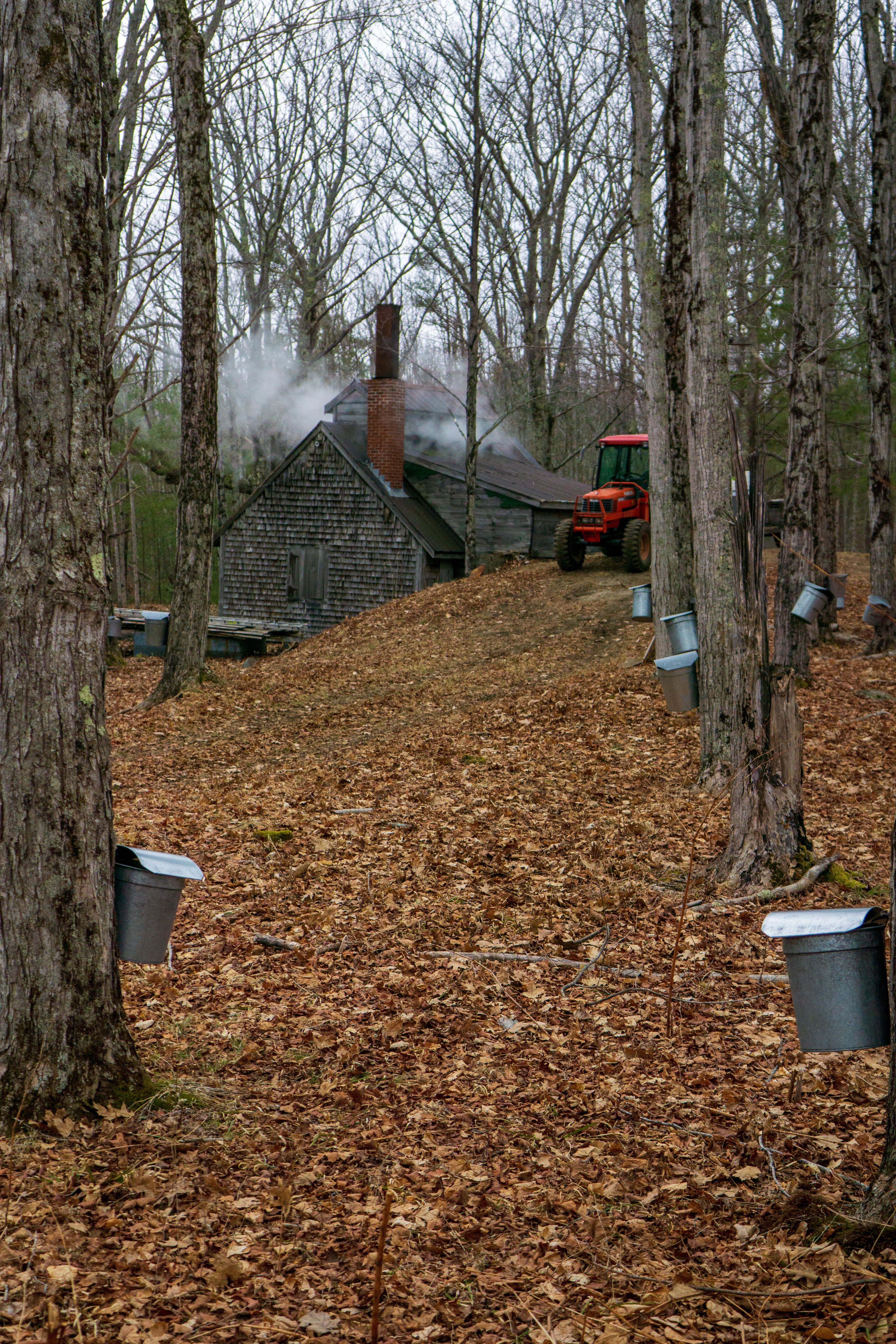
In many modern maple operations, networks of plastic tubing carry sap directly from tree to sugarhouse with impressive efficiency. But some producers still hang metal buckets on tapped trees, and that older method remains one of the most memorable sights of Canadian spring. The sound of sap dripping into a bucket, the glint of metal among bare trunks, and the slower pace all give visitors a glimpse of how sugaring looked generations ago.
This is more than nostalgia. Bucket collection requires hands-on checking, gathering, and transport, which means producers stay closely attuned to daily temperature swings that control sap flow. Freeze-thaw cycles are essential, with cold nights and milder days creating pressure changes in the tree. For visitors, seeing bucket collection in person reveals that maple syrup begins as a forest harvest shaped by weather, patience, and constant observation.
Boiling sap over wood fire in small sugarhouses
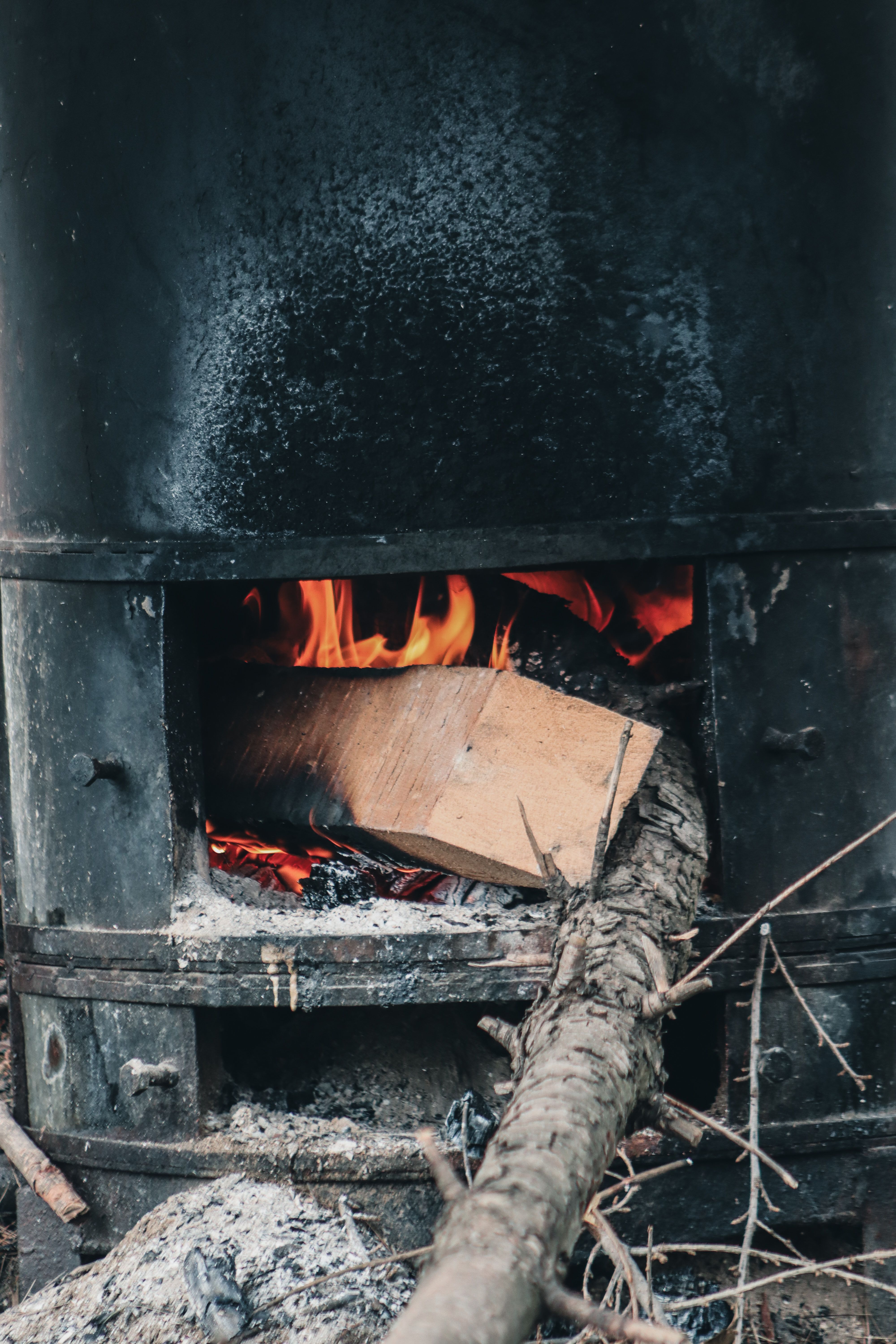
One of the most atmospheric maple traditions is the small sugarhouse where sap is boiled down in batches, sometimes with wood-fired evaporators that fill the space with heat, smoke, and sweet steam. It takes roughly 40 liters of sap to produce 1 liter of syrup, though sugar content varies by season and tree. That long reduction process is why the aroma is so rich and why the final syrup feels like a concentrated expression of the forest.
Visitors often see the finished bottle but miss the craft behind it. Producers monitor temperature, density, and color carefully, since syrup grades can range from delicate and golden early in the season to darker and more robust later on. In smaller operations, the boiling room is a place of storytelling as much as work, where technique is handed down in practical detail from one generation to the next.
Celebrating the end of winter through maple season gatherings
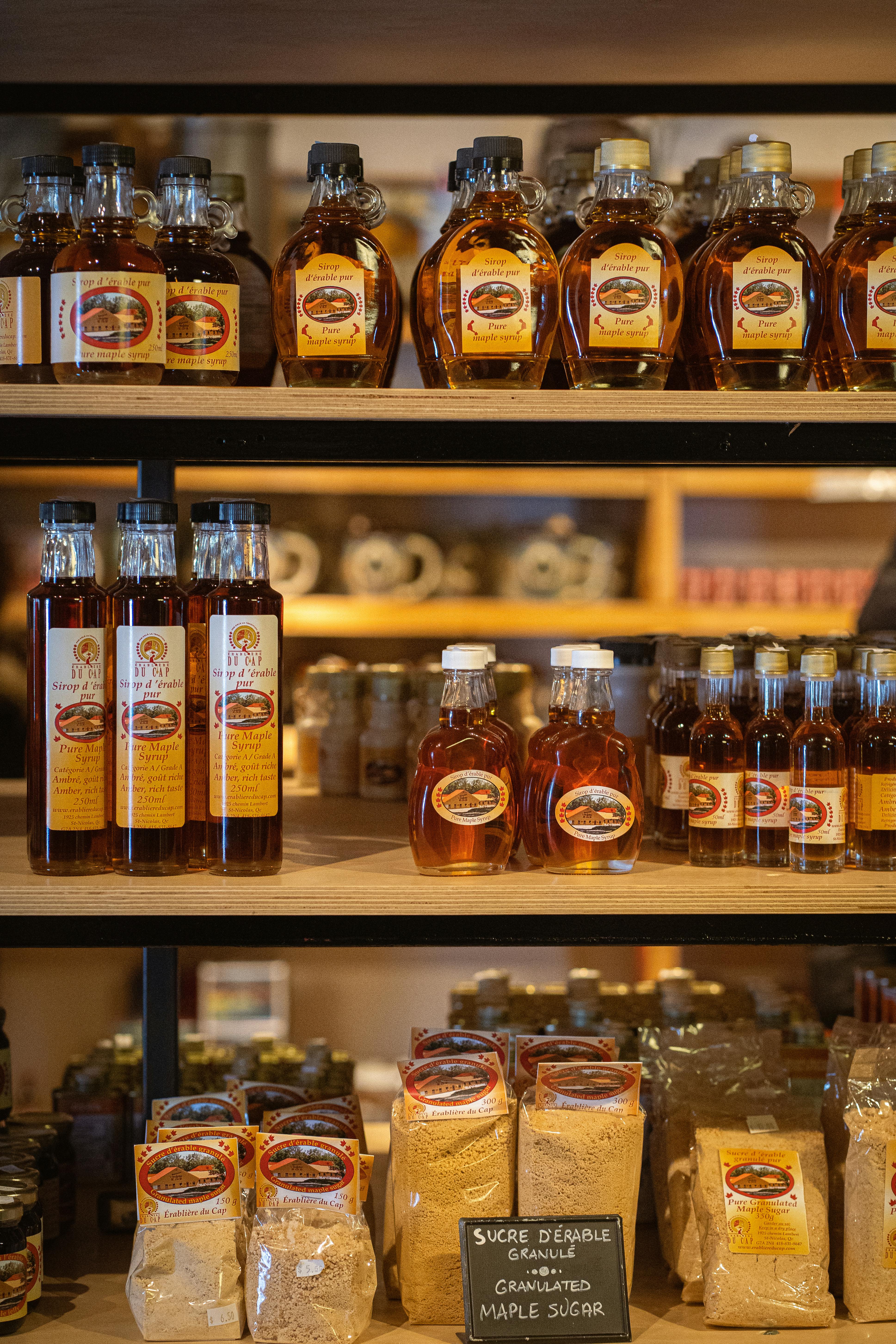
At its heart, maple season is a social tradition that signals winter is finally loosening its grip. Across parts of Canada, especially in Quebec, Ontario, New Brunswick, and Nova Scotia, sugaring time draws people outdoors for wagon rides, tastings, music, and farm visits that feel part festival and part homecoming. The season is short, usually landing between late February and April depending on local weather, which gives every gathering a fleeting, almost anticipatory energy.
That sense of occasion is what many travelers underestimate. Maple syrup is not only a product but a seasonal marker rooted in rural rhythms and community memory. Indigenous peoples were the first to develop methods for harvesting and concentrating maple sap long before European settlement, and that deeper history sits behind today's celebrations. When Canadians head to the sugar bush in spring, they are taking part in a ritual shaped by land, history, and the first warm hints of the year.



Leave a Reply