
Same sign, same menu board, totally different bite. If you have ever grabbed a familiar fast food meal in Canada and thought, wait, this tastes off, you were not imagining it.
McDonald's feels cleaner, beefier, and a little less salty
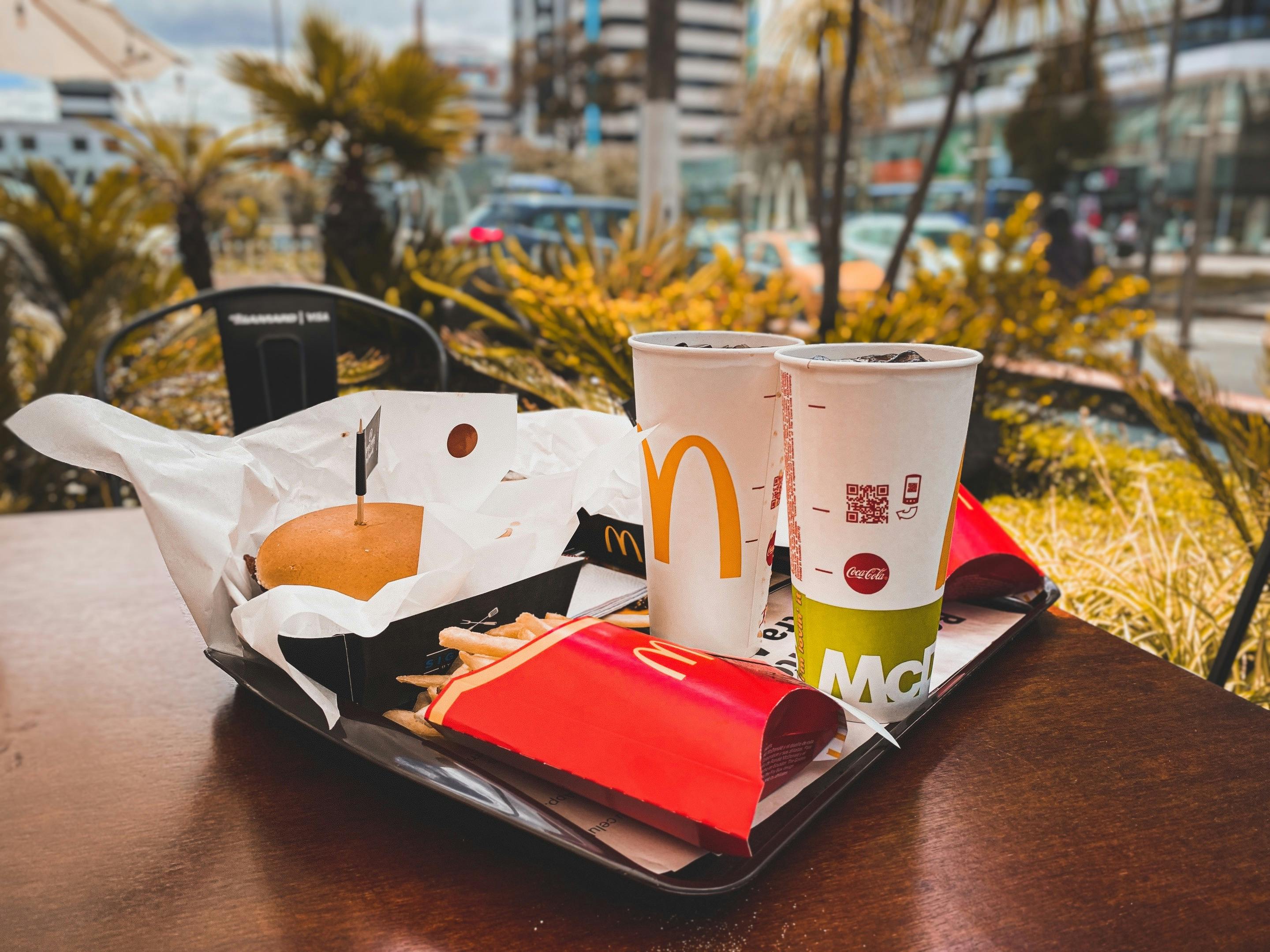
A lot of Americans notice McDonald's in Canada tastes fresher, especially the Quarter Pounder and basic cheeseburgers. Part of that comes down to ingredient sourcing. McDonald's Canada has long emphasized Canadian beef and dairy, and that changes the flavor balance in a way regular cross-border travelers often pick up right away.
The fries also spark debate. They are still recognizably McDonald's fries, but many customers say the seasoning feels lighter and the potato flavor comes through more clearly. That can make the whole meal seem less greasy, even when the preparation looks almost identical.
Then there is the coffee. McDonald's coffee in Canada has a loyal following that is much stronger than many Americans expect. Industry watchers have tied that reputation to roast profile, local tastes, and the long-running belief that McCafé in Canada benefited from a very Canadian approach to what a fast food coffee should taste like.
KFC tastes more peppery and a little closer to old-school fried chicken
KFC is one of the chains where seasoning differences stand out fast. Many Americans describe Canadian KFC as more savory and black-pepper forward, with less of the heavy salt hit that often defines the U.S. version. The coating can also feel slightly less dense, which changes the crunch and the way the chicken fat carries flavor.
Menu choices play a role too. In Canada, the side dishes and combo expectations are a bit different, and that shapes the meal experience. Gravy, fries, and chicken pairings often feel closer to what Canadians grew up with, not what U.S. customers expect from the same red-and-white bucket.
There is also a nostalgia factor. Older fast food fans sometimes say Canadian KFC tastes more like what American KFC used to taste like decades ago. That is hard to prove in a lab, but it comes up often enough in cross-border comparisons that it has become part of the chain's reputation.
Subway can taste sharper, fresher, and more bread-forward

Subway may look standardized, but small market differences matter. In Canada, vegetables often get high marks from travelers who say the lettuce, tomatoes, and cucumbers seem crisper and less tired by late afternoon. Since Subway is built around fresh assembly, even minor differences in produce quality show up immediately in the final sandwich.
The bread stands out too. Some Americans find Canadian Subway bread slightly less sweet, while others say it simply tastes less processed. That can make the herbs, sauces, and deli meats feel more distinct instead of blending into one familiar fast food flavor.
Regional expectations influence the formula. Canadian customers often lean toward different topping combinations, and chains adapt over time based on local demand. The result is not a completely new Subway, but one that can feel more balanced and less aggressively seasoned than the version many Americans know.
Dairy Queen hits differently because the food menu is not an afterthought

In the U.S., plenty of people still think of Dairy Queen mainly as a Blizzard stop. In Canada, the hot food side often feels like a bigger deal, and that changes perception fast. Burgers, chicken strips, and poutine-style offerings can make the chain feel more like a true meal destination than a dessert detour.
That matters because expectation affects taste. When a location takes more care with grill items, customers notice. Canadian Dairy Queen fans often point to better-textured burger patties, more appealing gravy-based sides, and a menu that fits colder weather and heartier comfort-food habits.
Even the soft serve experience can feel a little different. Portioning, mix-ins, and seasonal offerings vary by market, and Canadian stores have built strong loyalty around familiar local preferences. To an American customer, that can make Dairy Queen feel less like a standardized chain and more like a distinctly regional comfort spot.
Starbucks surprises people with different sweetness, dairy, and snack pairings
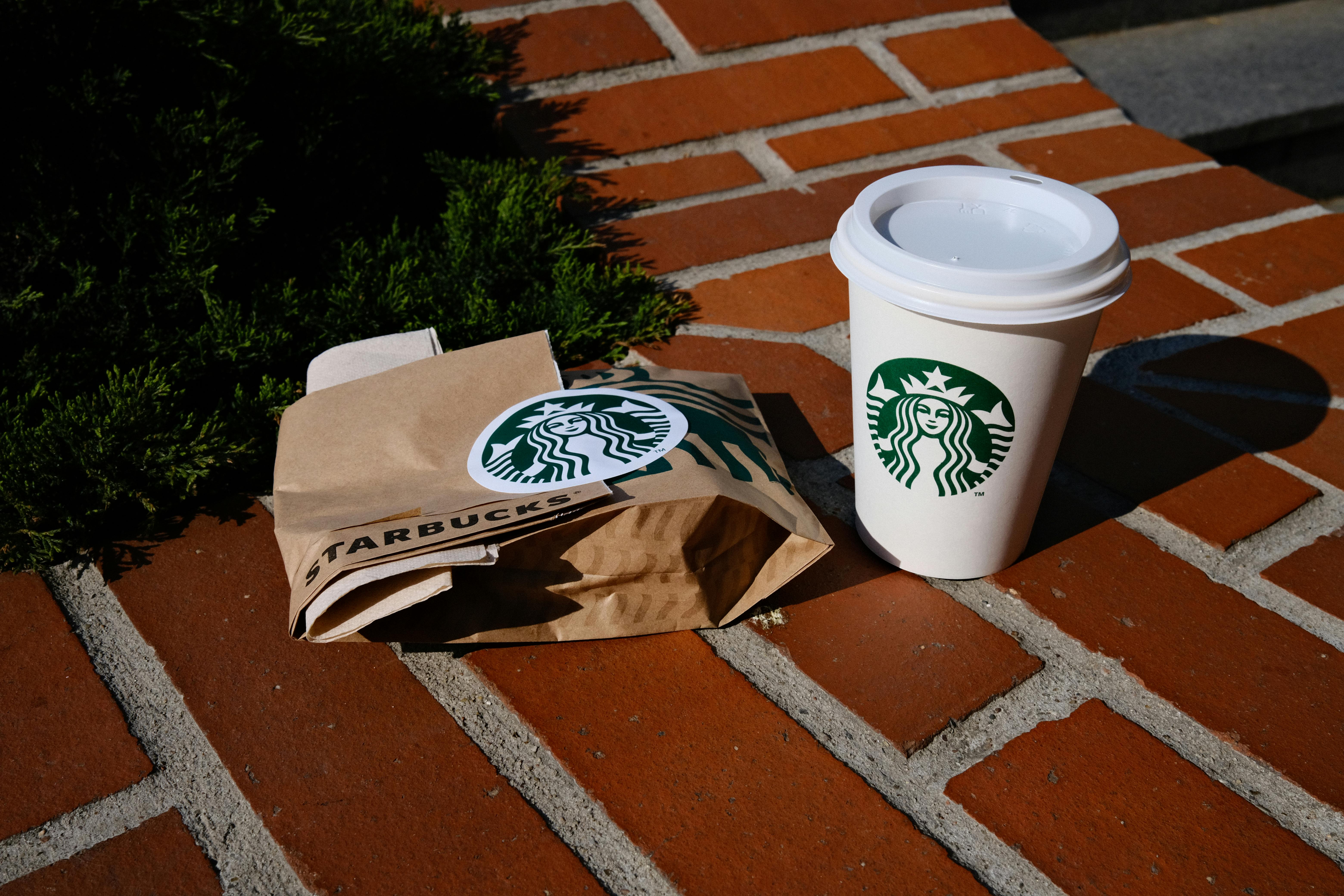
Starbucks may be the most global-looking chain on this list, but Canada still gives it a different vibe. The coffee itself can taste less harsh to Americans, especially in milk-heavy drinks where dairy composition subtly changes texture and sweetness. Canadian milk standards and consumer expectations help create a smoother final cup.
Food matters just as much. Bakery cases, breakfast sandwiches, and packaged snacks often reflect local preferences, and those pairings influence how the drinks are experienced. A cheddar breakfast sandwich or a different style of loaf can make the same latte feel like it belongs to another menu entirely.
There is also the sugar question. Many Americans say Canadian versions of chain drinks taste less sweet overall, even when ordered the same way. Whether that comes from recipe tweaks, dairy differences, or customer preference patterns, the effect is real enough that regular travelers often develop a clear favorite side of the border.




Leave a Reply