
Fast food comes and goes, but a few menu items manage to stick in the national memory long after they disappear. In Canada, certain burgers, desserts, sides, and sandwiches became more than quick meals. They turned into shared cultural touchstones. This gallery revisits 15 fast food items Canadians still talk about with real affection, and in some cases, genuine disbelief that they ever vanished.
McPizza

Few discontinued fast food items inspire as much instant recognition in Canada as McPizza. Introduced by McDonald's in the late 1980s and sold into the 1990s, it stood out because it was not a novelty snack. It was a full personal pizza, often baked to order, and for many families it felt like a genuine dinner option inside a burger chain.
Its downfall was timing. McDonald's built its reputation on speed, and pizza simply took too long compared with fries and burgers. Even so, Canadians remember the stretchy cheese, the red cardboard box, and the odd thrill of ordering pizza under the Golden Arches. Nostalgia has only grown because so many people still swear it was better than anyone expected.
The Arch Deluxe
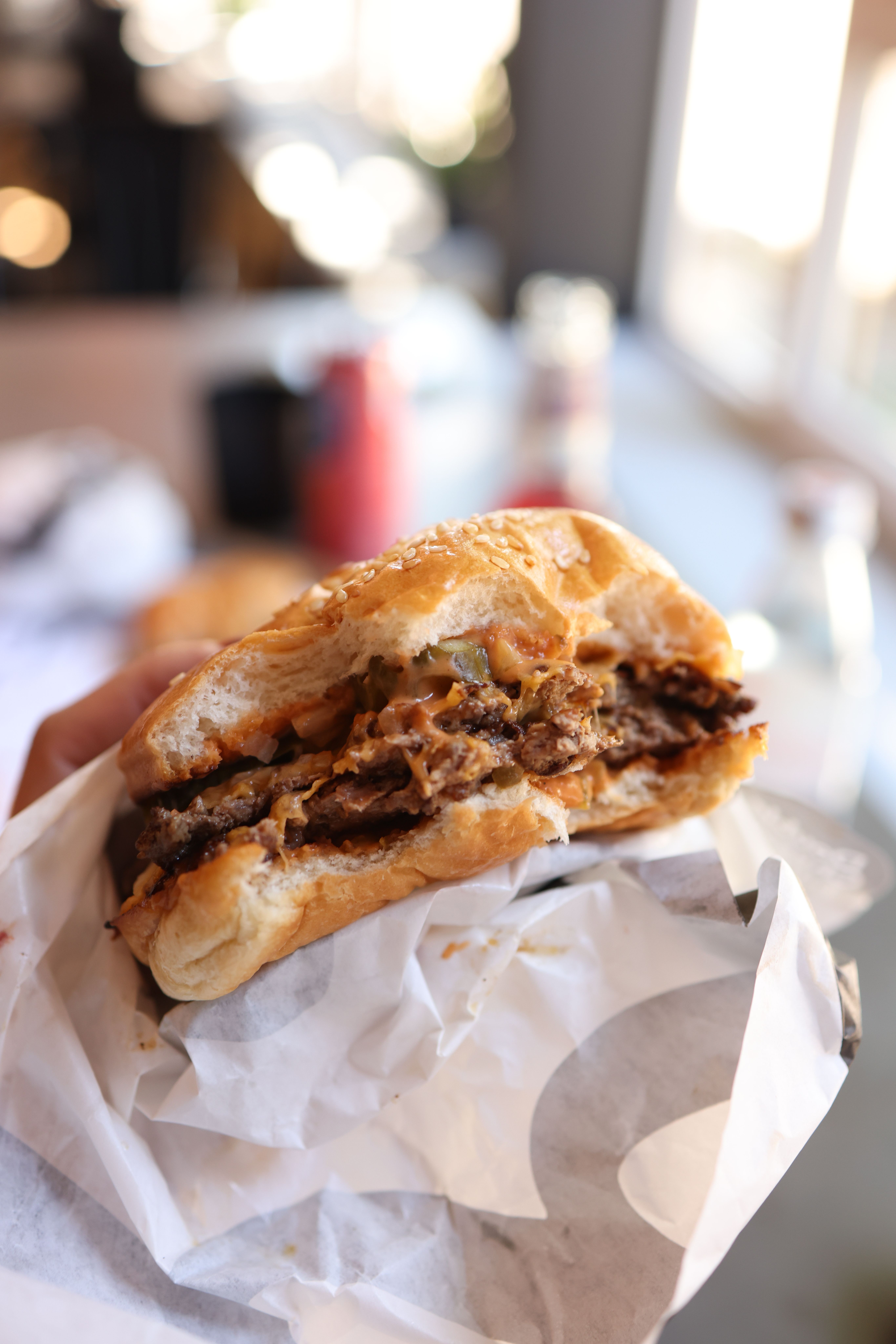
The Arch Deluxe was McDonald's attempt to look grown-up, and that is exactly why it remains memorable. Launched in the mid-1990s, it was marketed as a burger for adult tastes, with a bakery-style bun, peppered bacon, lettuce, tomato, cheese, and a mustard-mayo sauce meant to feel more refined than the standard lineup.
In practice, it arrived before most people wanted sophistication from a drive-thru. The campaign was expensive, the burger was pricier than familiar favourites, and it never found the mass audience the company hoped for. But Canadians who tried it often remember it fondly. It felt like fast food dressing up for a special occasion, and that unusual ambition helped it linger in memory.
Burger King Chicken Tenders
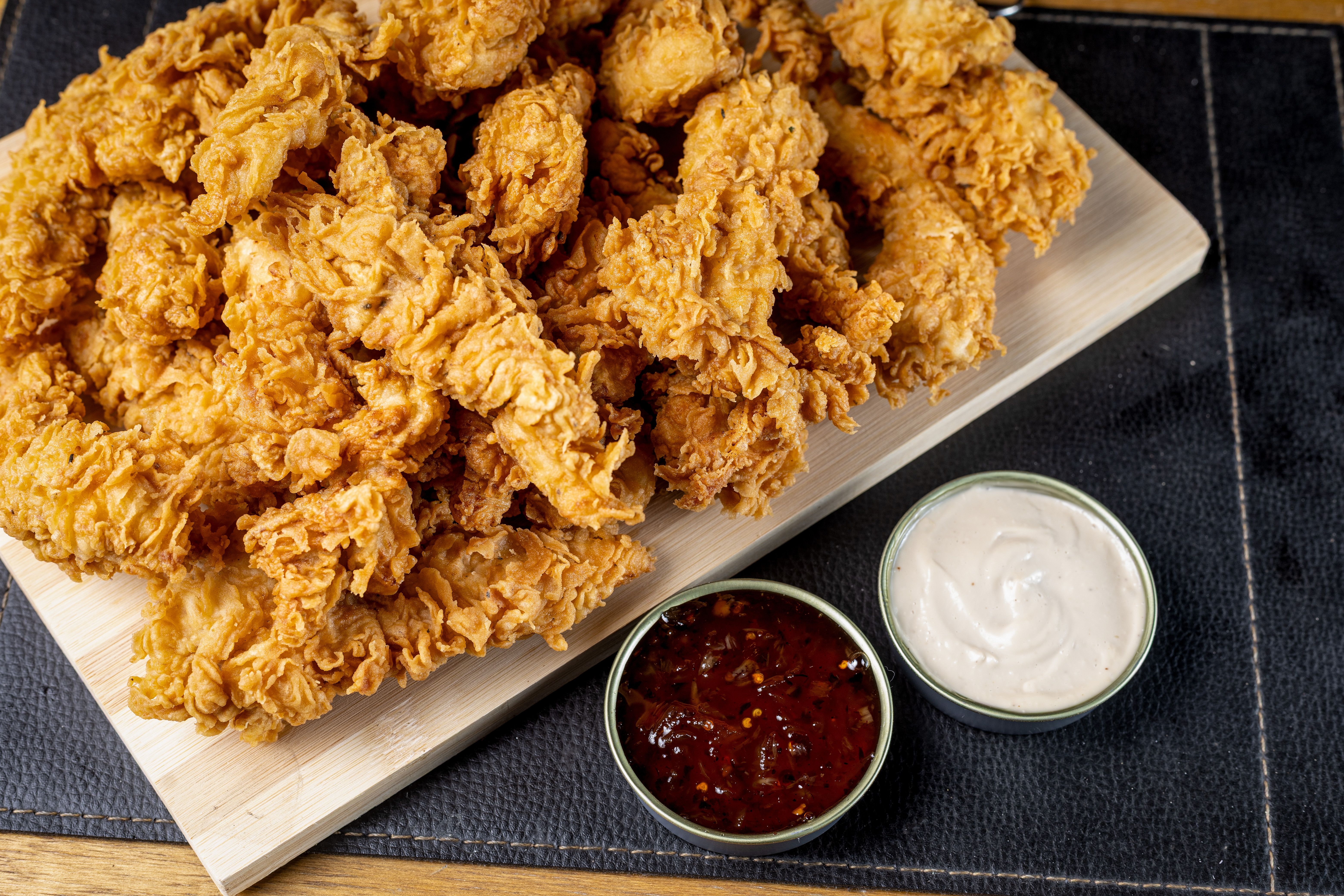
For many Canadians, Burger King's old chicken tenders were not just another kids' menu side. They had a specific texture and flavour that set them apart from standard nuggets. The breading was craggier, the chicken inside felt more substantial, and they developed a loyal following before disappearing and returning in altered forms over the years.
That stop-and-start history is part of why people still talk about them. Each comeback sparked debate about whether the recipe matched the original. In a fast food world where products are constantly tweaked, the classic version became a benchmark. Canadians who grew up with them remember dipping them into barbecue sauce after hockey practice or road trips, which makes the memory feel even stronger.
Wendy's Frescata Sandwiches
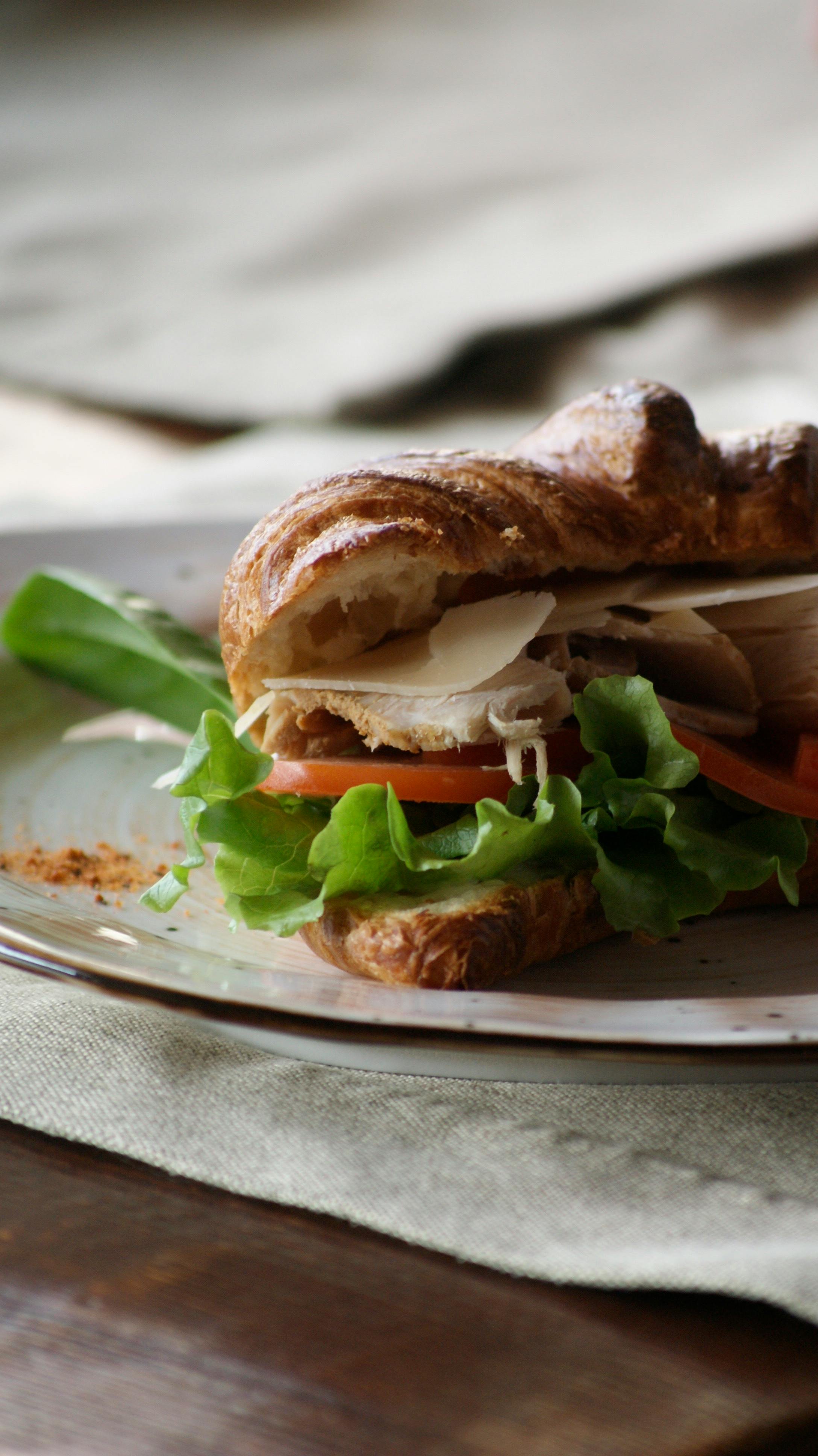
Wendy's Frescata sandwiches arrived in the mid-2000s with a simple promise: bring deli-style sandwiches into a burger chain. Built on artisan-style bread and filled with sliced meats, cheese, greens, and sauces, they were clearly aimed at customers who wanted something fresher and more lunch-counter than drive-thru standard.
The trouble was execution. They took longer to make, cost more than burgers, and pulled Wendy's away from the quick-service rhythm people expected. Still, Canadians who liked them remember the line with real warmth because the sandwiches felt substantial and surprisingly polished. They filled a niche that was hard to find in mainstream fast food at the time, which is why their disappearance still feels like a missed opportunity.
Tim Hortons Walnut Crunch
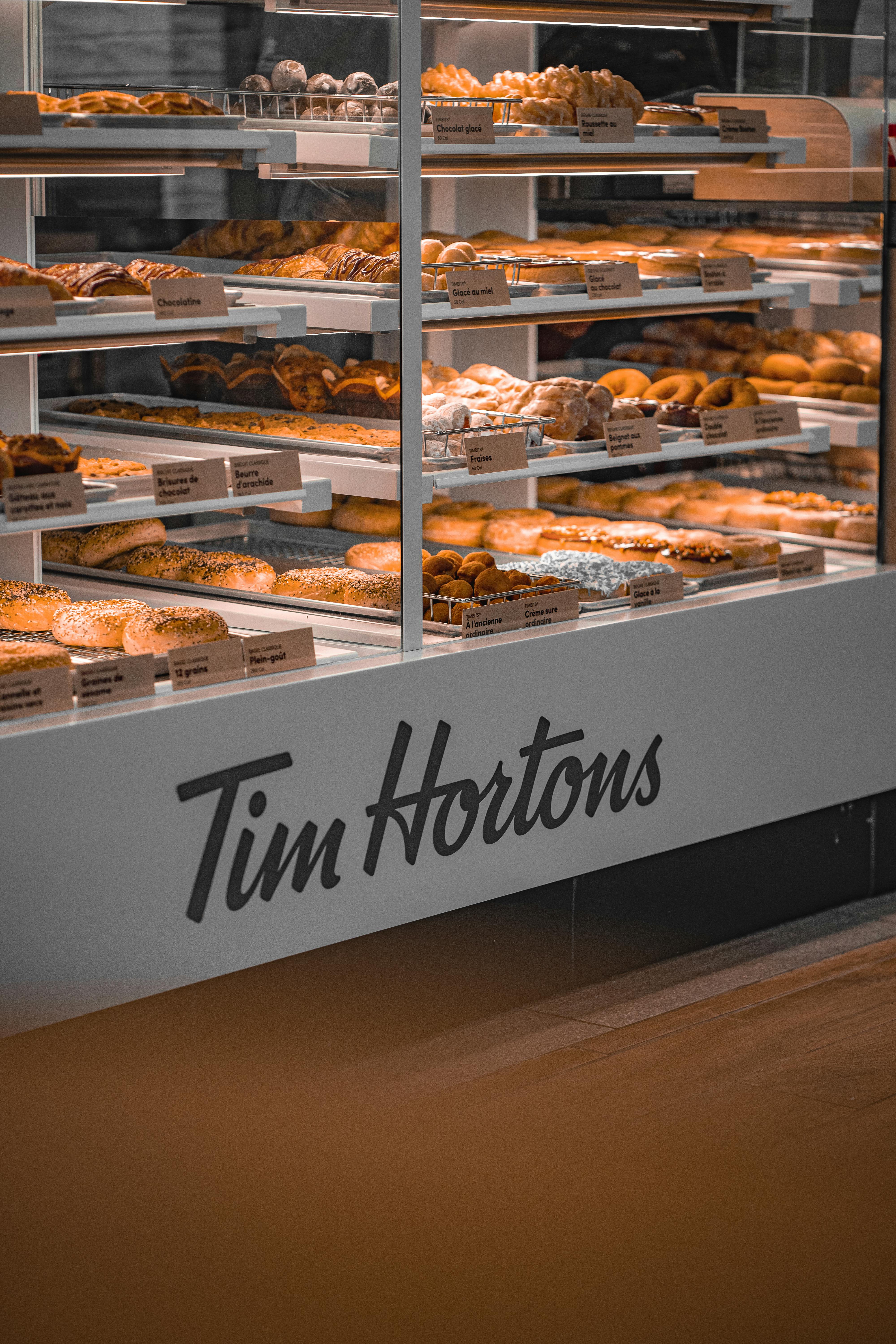
The Walnut Crunch was never flashy, and that may be exactly why Canadians miss it so much. This Tim Hortons doughnut had a dense cake texture, a glossy glaze, and crushed walnuts that gave it real character. It felt old-school in the best way, like something built for coffee breaks, early shifts, and long winter mornings.
When it disappeared from many locations, the reaction was immediate and emotional. Fans argued that newer baked goods could not replace its rich, sturdy appeal. Tim Hortons has brought it back in limited runs, which only proves how deeply it resonated. In a menu increasingly filled with trend-based items, the Walnut Crunch stands for a simpler era people still want to taste again.
Tim Hortons Dutchie
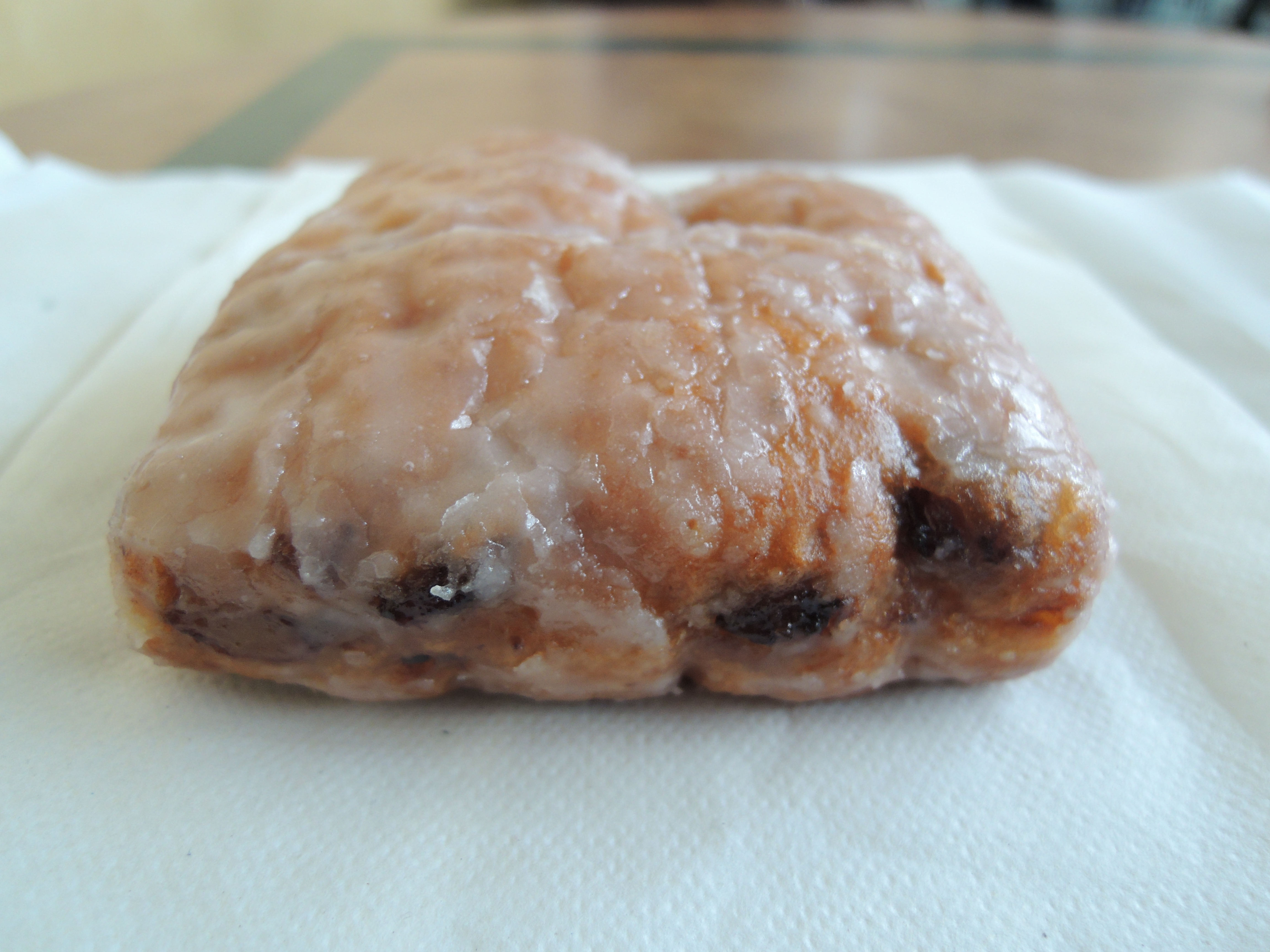
Ask enough Canadians about lost Tim Hortons classics and the Dutchie always comes up. This yeast doughnut, lightly glazed and filled with raisins, was one of the chain's most traditional offerings. It did not have icing swirls or candy toppings. Instead, it won people over with a chewy texture and a comforting, almost homemade feel.
Its retirement became bigger than a menu change. It symbolized the sense that Tim Hortons was moving away from its roots and from the simple items many regulars grew up with. For some, the Dutchie represented a coffee-and-doughnut culture that felt distinctly Canadian. Its absence still gets mentioned because it was more than a pastry. It was part of a familiar ritual.
Harvey's Original Veggie Burger
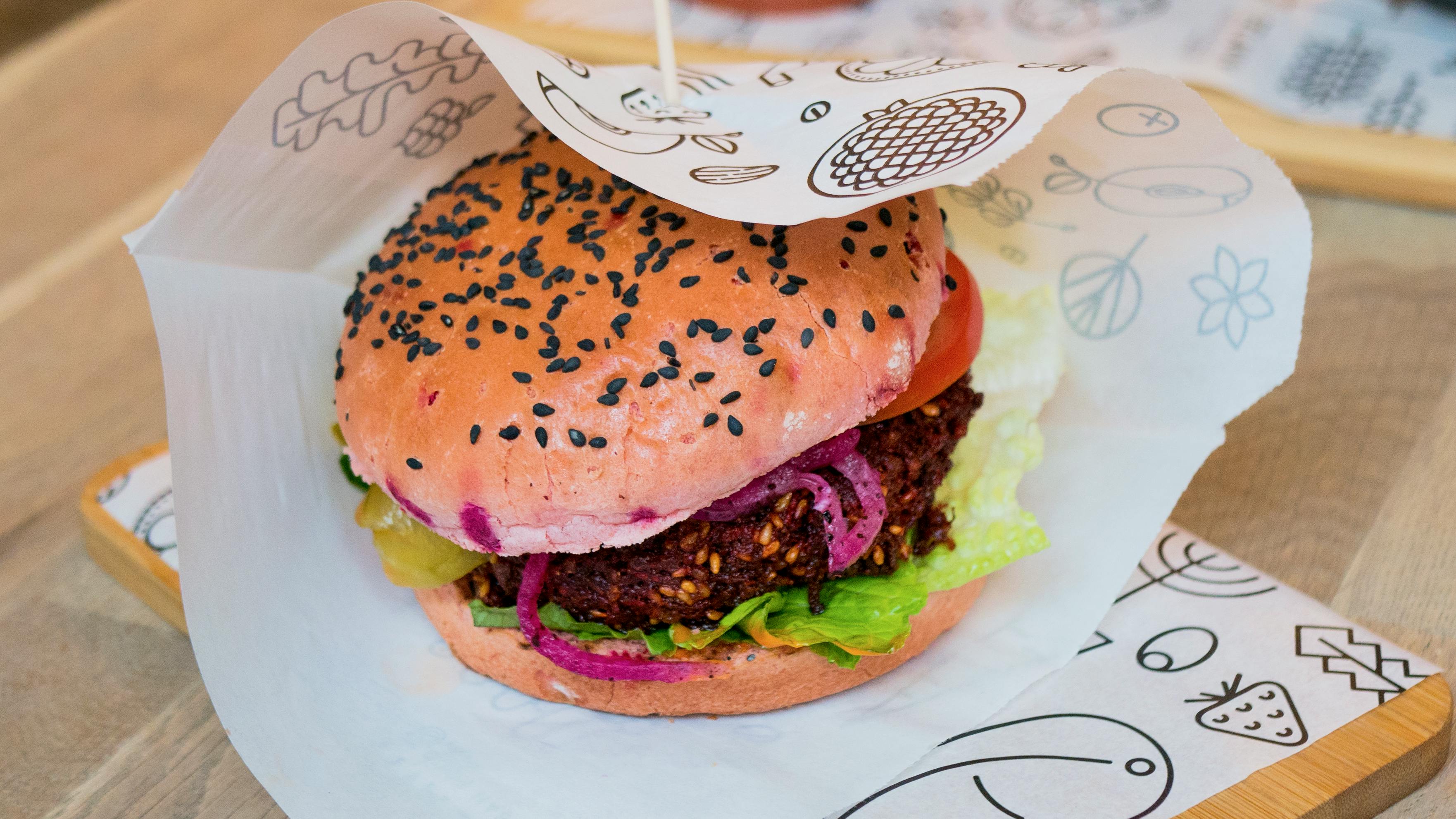
Before plant-based fast food became a major trend, Harvey's had already built a following with its original veggie burger. For Canadian vegetarians, flexitarians, and anyone wanting a break from beef, it offered something many chains did not. Better yet, it came with Harvey's signature custom toppings, which made it feel like a proper part of the menu rather than an afterthought.
When recipes changed over time, plenty of longtime customers argued the original had the better taste and texture. That reaction says a lot about how early Harvey's was in serving a market other chains were slower to recognize. Canadians remember it because it met a real need and because it did so in a way that felt familiar, filling, and genuinely satisfying.
McDonald's Cinnamon Melts

McDonald's Cinnamon Melts were part breakfast pastry, part dessert, and wholly designed to disappear quickly. These pull-apart bites came warm, sticky, and covered in sweet glaze, making them feel more indulgent than a standard muffin or hash brown side. In Canada, they became a favourite for people who wanted a bakery-style treat without leaving the drive-thru lane.
Their appeal was rooted in texture as much as flavour. Soft dough, cinnamon filling, and icing made them easy comfort food, especially on cold mornings. They also filled a niche between full desserts and breakfast items, which gave them broad appeal. Canadians still remember them because they were simple, rich, and exactly the kind of small treat fast food chains do not always get right.
KFC Double Down

The KFC Double Down was impossible to ignore the moment it launched. Instead of bread, it used two fried chicken fillets to hold bacon, cheese, and sauce. In Canada, where it arrived with plenty of curiosity and media attention, it became one of those fast food items people tried partly for the taste and partly for the sheer audacity of the idea.
What keeps it memorable is that it actually delivered a distinct experience. Messy, salty, and aggressively rich, it felt like peak fast food excess in a single handheld package. Even people who only had it once tend to remember it vividly. It was less a lunch than a moment in pop culture, and that kind of impact is hard for any limited-time item to match.
Pizza Hut Priazzo

Long before stuffed crust became a sensation, Pizza Hut tested how far a fast food pizza chain could push indulgence with the Priazzo. This deep, layered pie took inspiration from Italian-style stuffed pizzas and delivered a dense, hearty meal that felt far more elaborate than a standard pan pizza. In Canada, it built a reputation as a serious order for hungry groups.
Its biggest problem was the same one that made it special. It was labor-intensive, took longer to prepare, and did not fit the efficient model chains prefer. Yet that very richness is what people remember. The Priazzo felt generous and slightly over-the-top, the kind of menu item that made family pizza night feel bigger than usual.
Swiss Chalet Fresh Cut Fries
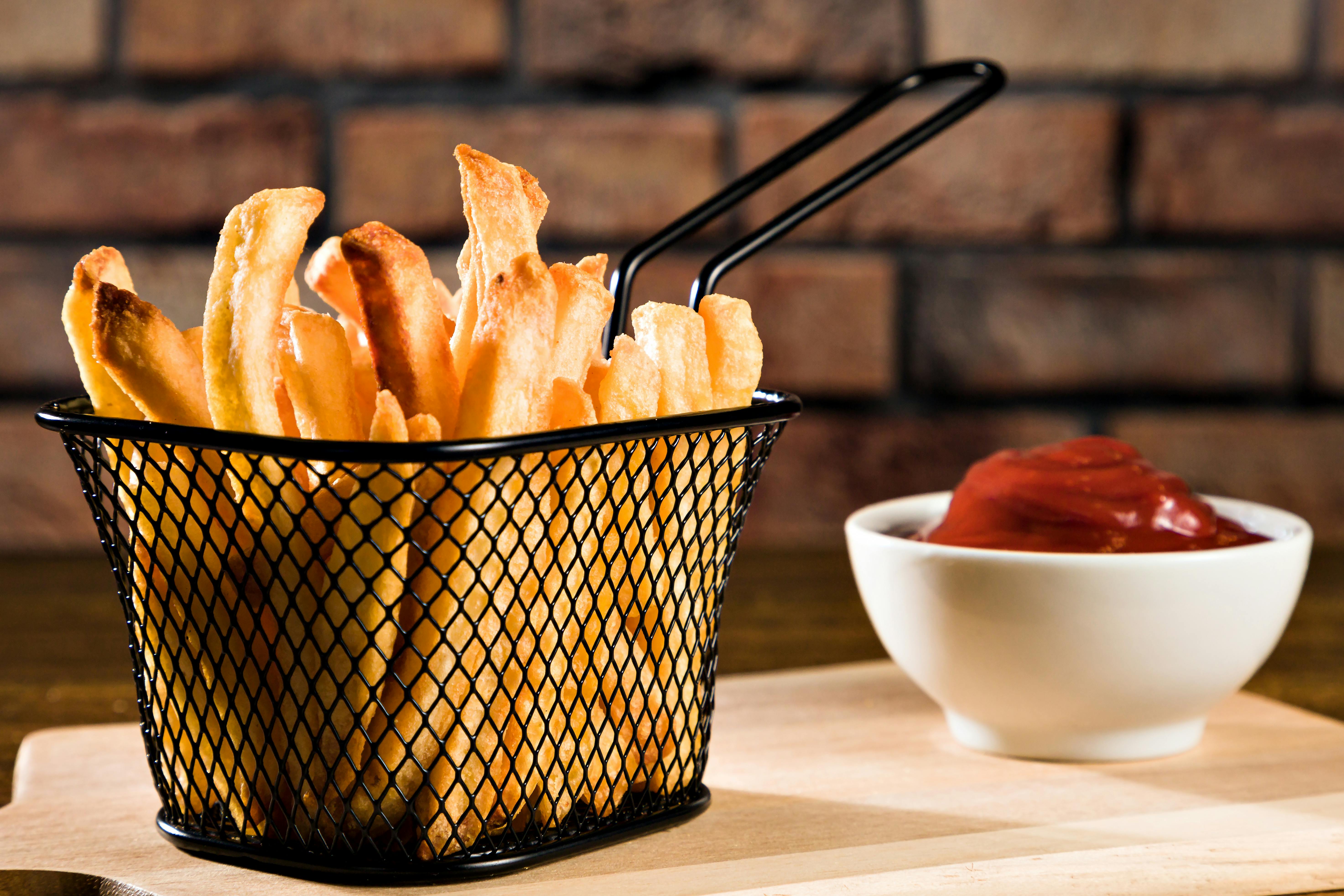
Swiss Chalet may be known first for rotisserie chicken and Chalet Sauce, but many Canadians still talk about its old fresh cut fries with genuine affection. These fries had a more natural look and a softer, potato-forward interior than highly processed fast food versions. They felt tied to the meal in a way that made the plate seem more homemade and less factory-perfect.
When the chain shifted its fry program, some customers noticed immediately and did not hide their disappointment. The original fries had become part of the full Swiss Chalet experience, especially when dragged through a little extra sauce. Canadians remember them because side dishes matter more than chains sometimes admit. A familiar fry can be just as nostalgic as the main course.
A&W Whistle Dog
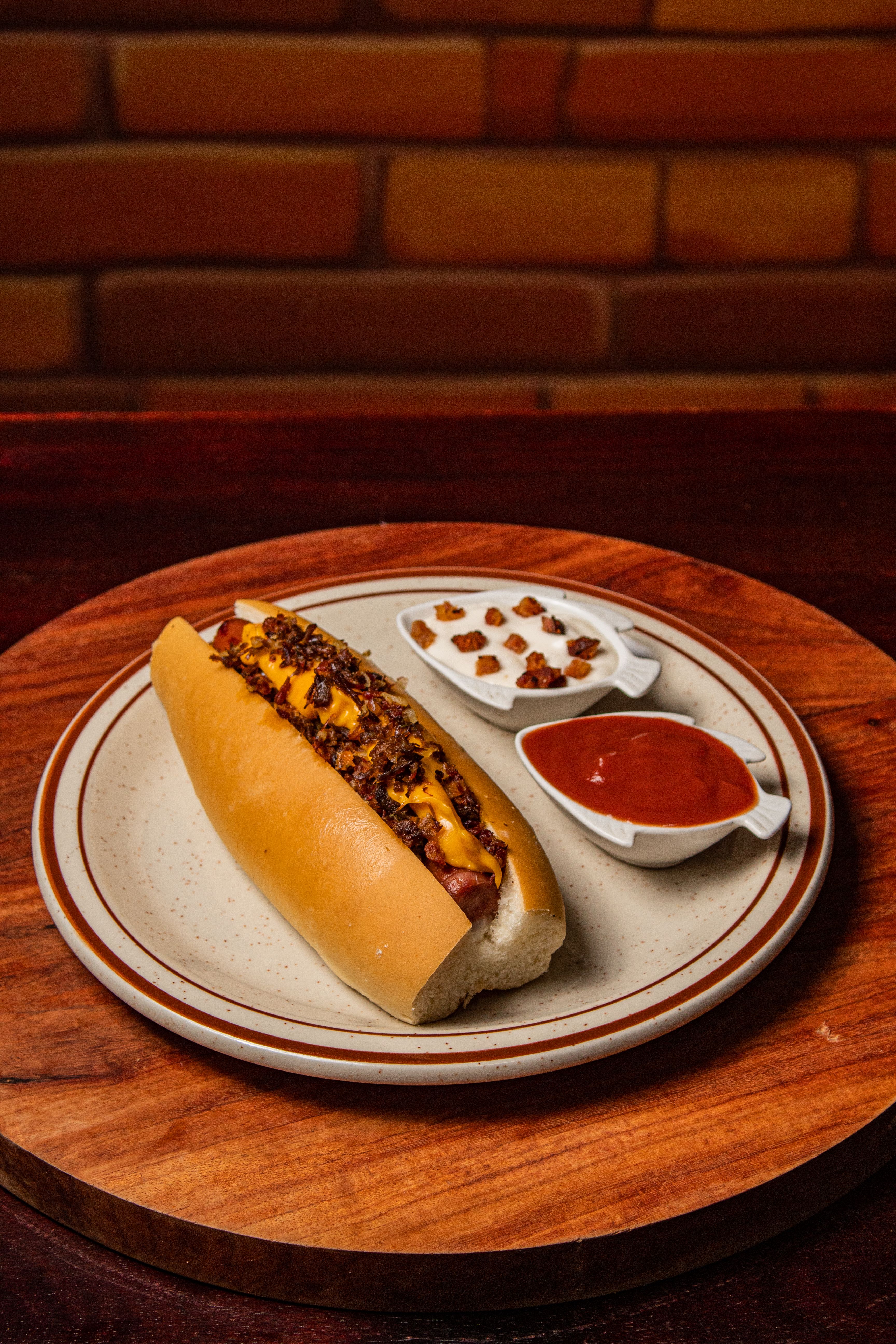
The Whistle Dog occupied a special place in Canadian fast food because it felt playful without being a gimmick. A&W paired a hot dog with processed cheese, bacon, and relish in a toasted bun, creating something that sat between a classic concession snack and a full fast food indulgence. It was familiar, but just eccentric enough to stand out.
Over the years, its appearances and disappearances helped turn it into a cult favourite. Fans kept asking for it back, which says plenty about how distinct it was in a burger-heavy landscape. For many Canadians, the Whistle Dog is wrapped up in mall food courts, summer cravings, and the era when A&W had a broader menu personality. That lingering affection has never really faded.
Dairy Queen Breeze
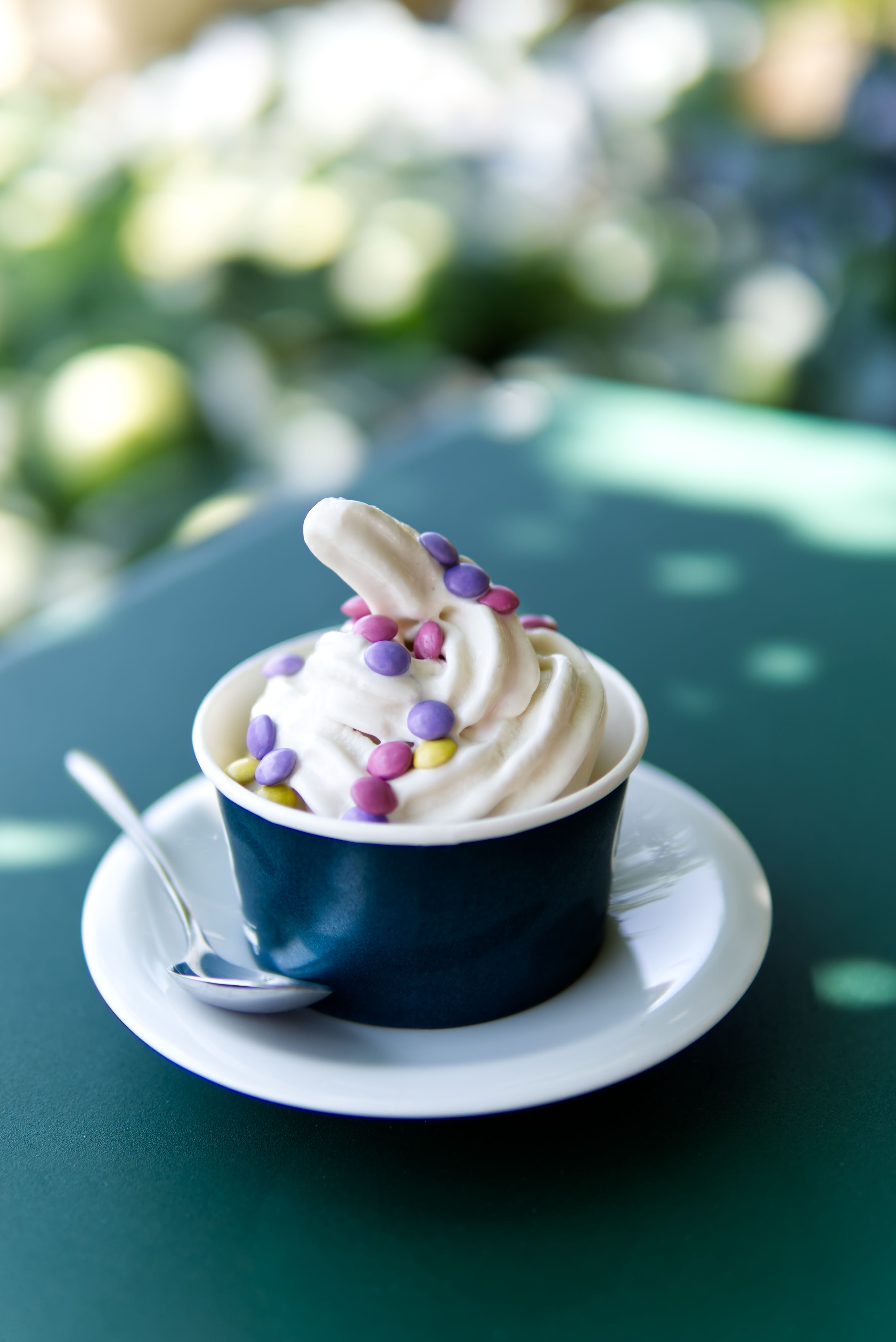
Before lighter frozen treats became common everywhere, Dairy Queen's Breeze offered a different spin on the chain's famous blended desserts. Introduced as a lower-fat alternative to the Blizzard, it used frozen yogurt instead of soft serve and targeted customers who wanted something cooler and lighter without giving up mix-ins and spoonable texture.
Its audience may have been more niche, but in Canada it earned loyal fans who appreciated having another option at a dessert chain known for indulgence. The Breeze disappeared as menus evolved and frozen yogurt lost some of its mainstream pull. Even so, people still remember it because it offered balance. It let customers feel slightly virtuous while still ordering a proper treat.
Taco Bell Meximelt
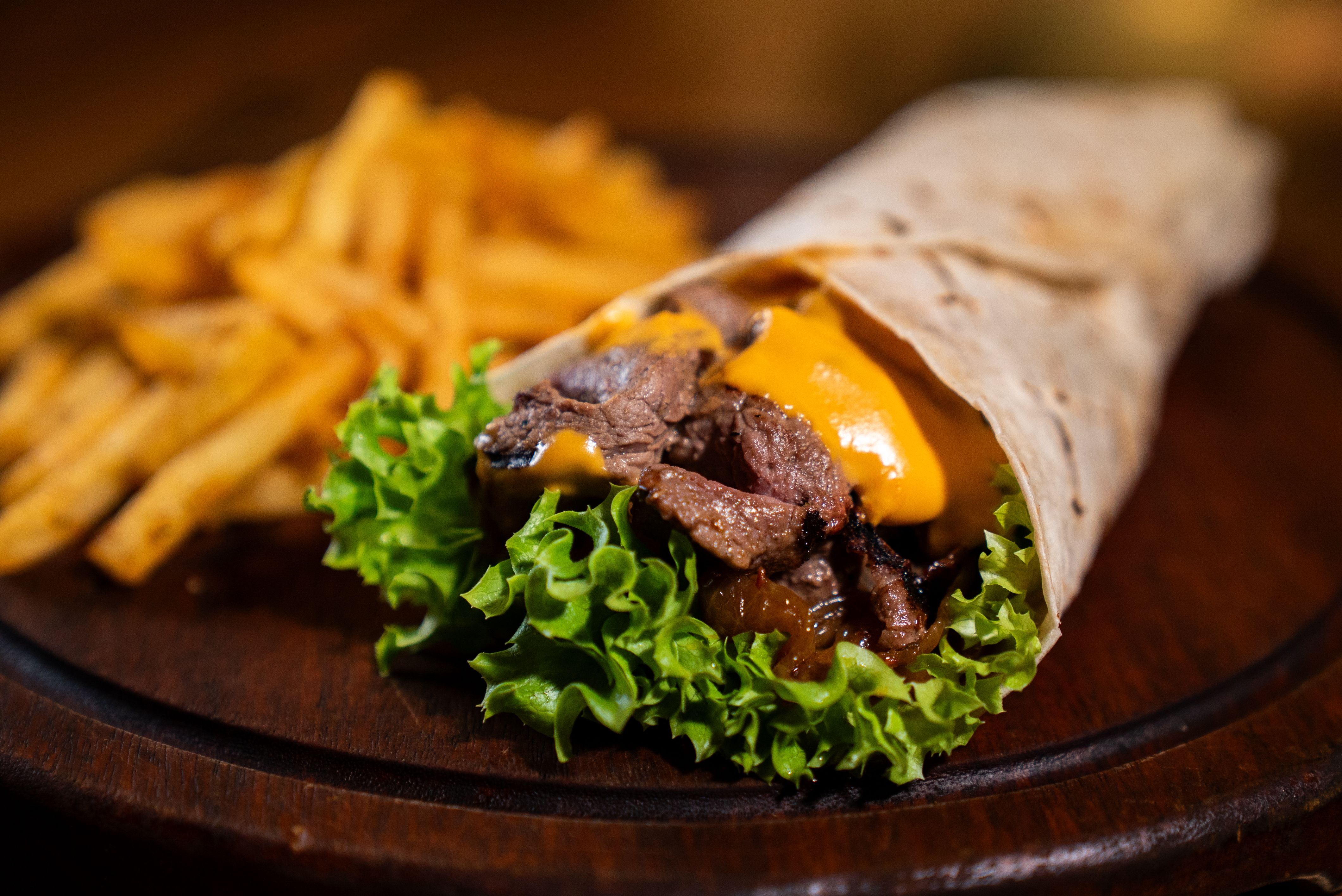
The Meximelt lived in the sweet spot between a taco and a burrito, and that easy-to-like middle ground gave it staying power. Made with seasoned beef, pico de gallo, and melted cheese in a soft tortilla, it was not the biggest or boldest item on the Taco Bell menu. It was simply balanced, warm, and reliably satisfying.
That simplicity is exactly why Canadians still bring it up. As menus became more crowded with mashups and limited-time creations, the Meximelt represented a cleaner, more straightforward kind of comfort food. It also had a strong textural appeal, with gooey cheese softening the fresh bite of tomato and onion. When an item that dependable vanishes, people notice, and they keep asking for it back.
McDonald's Fried Apple Pie

The baked apple pie still exists, but many Canadians insist the original fried version was in another league. Served blisteringly hot with a crisp, bubbly shell and sweet apple filling, it was one of the most memorable desserts in fast food. The contrast between the crunchy exterior and soft interior made it feel closer to carnival food than a standard chain dessert.
When McDonald's moved away from frying in many markets, the change reflected broader shifts in health messaging and cooking practices. Still, nostalgia for the original never really died. Canadians remember not just the taste, but the ritual of waiting for it to cool enough to eat. It was messy, too hot, and entirely worth it, which is why it remains legendary.



Leave a Reply