
Some foods are famous every day, and some live in a strange little corner of the brain until a friend, a menu, or a holiday table suddenly brings them back. This gallery rounds up the edible throwbacks that spark an instant reaction: "Oh wow, I forgot that existed." From lunchbox relics to side dishes with surprisingly loyal fans, these are the foods that never fully disappeared, even if you rarely think about them on your own.
Ambrosia Salad
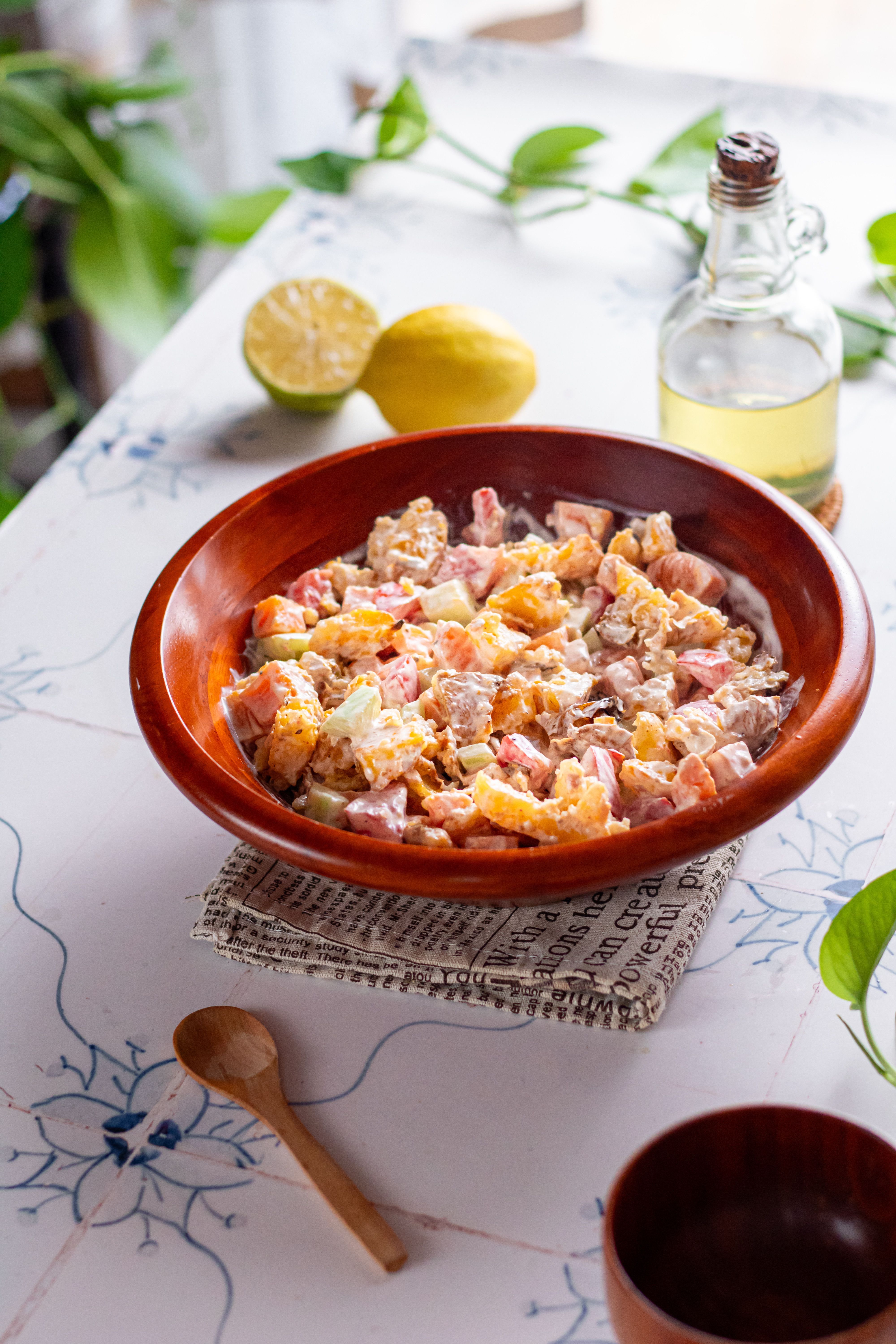
Ambrosia salad is the kind of dish that sounds mythical until it appears at a potluck in a glass bowl. Then suddenly everyone remembers the pastel mix of marshmallows, canned fruit, coconut, and whipped topping that somehow counted as a side dish and dessert at the same time.
Its roots go back to late 19th-century fruit salads, when citrus and coconut were considered special occasion ingredients in the United States. Over time, convenience foods reshaped it into the creamy version many people know today. It is less a recipe than a family formula, which may be why it disappears from daily thought until one person brings it up and unlocks a flood of holiday memories.
English Muffin Pizza

English muffin pizza belongs to a very specific category of food: the after-school meal that felt genius at age nine. Mention it once, and people can instantly picture split muffins topped with jarred sauce, shredded cheese, and a few pepperoni slices, baked until the edges got crisp.
The appeal was always practical. English muffins toast well, hold toppings without collapsing, and cook fast enough for a quick snack or beginner dinner. They became a staple of home kitchens in the convenience-food era because they were cheap, customizable, and hard to mess up. That may be exactly why they slip from memory. They were never glamorous, just reliably there when someone needed an easy win.
Watergate Salad

Watergate salad sounds like a political joke until someone reminds you it is a real food made with pistachio pudding mix. The fluffy green mixture, usually folded with whipped topping, crushed pineapple, marshmallows, and nuts, has one of the most memorable looks of any forgotten dish and one of the strangest names.
Food historians have long noted that it rose during the 1970s, when pudding mixes and other prepared ingredients were driving American home cooking trends. The exact story behind the name is still debated, which only adds to its odd charm. It survives mostly at church suppers, family reunions, and holiday spreads, living just out of sight until one mention brings that green bowl right back.
Vienna Sausages

Vienna sausages are one of those pantry items people do not actively crave until they remember seeing the little can. Then the memory is immediate: soft, salty mini sausages packed in broth, eaten straight with crackers or used as a quick protein when the cupboard looked thin.
Their history stretches back to European sausage traditions, but the canned version became a distinctly practical convenience food. Shelf stability made them useful for lunchboxes, camping, emergency supplies, and small snacks. They are still sold widely, which is the funny part. They never went away. They just became background food, overshadowed by flashier snacks, waiting for someone to say the name and trigger an instant, slightly amused recognition.
Jell-O Mold

A Jell-O mold is less a dessert than a cultural time capsule. The moment someone mentions it, many people remember shimmering ring shapes, suspended fruit, and the slightly dramatic reveal from a Bundt-style pan, often at holiday meals where no one questioned whether gelatin belonged next to ham.
Gelatin salads and molded desserts were especially popular in the mid-20th century, when presentation and convenience were both central to home entertaining. Branded recipe booklets helped turn Jell-O into a format as much as an ingredient. Today, the mold survives mostly in memory, vintage cookbooks, and a few devoted family traditions. That is why it feels forgotten. It is iconic enough to recognize instantly, but rare enough to seem almost unreal.
Chicken à la King

Chicken à la King sounds fancy enough to belong on a white-tablecloth menu, yet most people know it as a creamy mixture spooned over toast, biscuits, rice, or puff pastry. Mention it, and a whole generation remembers it as one of those dependable comfort dishes that sat somewhere between leftovers and company food.
The dish likely emerged in the late 19th or early 20th century, though its exact origin story is disputed. What matters more is why it lasted. It was an efficient way to stretch cooked chicken with mushrooms, peppers, and cream sauce into a full meal. As tastes moved away from cream-heavy classics, it faded from regular rotation without fully disappearing from culinary memory.
Clam Dip
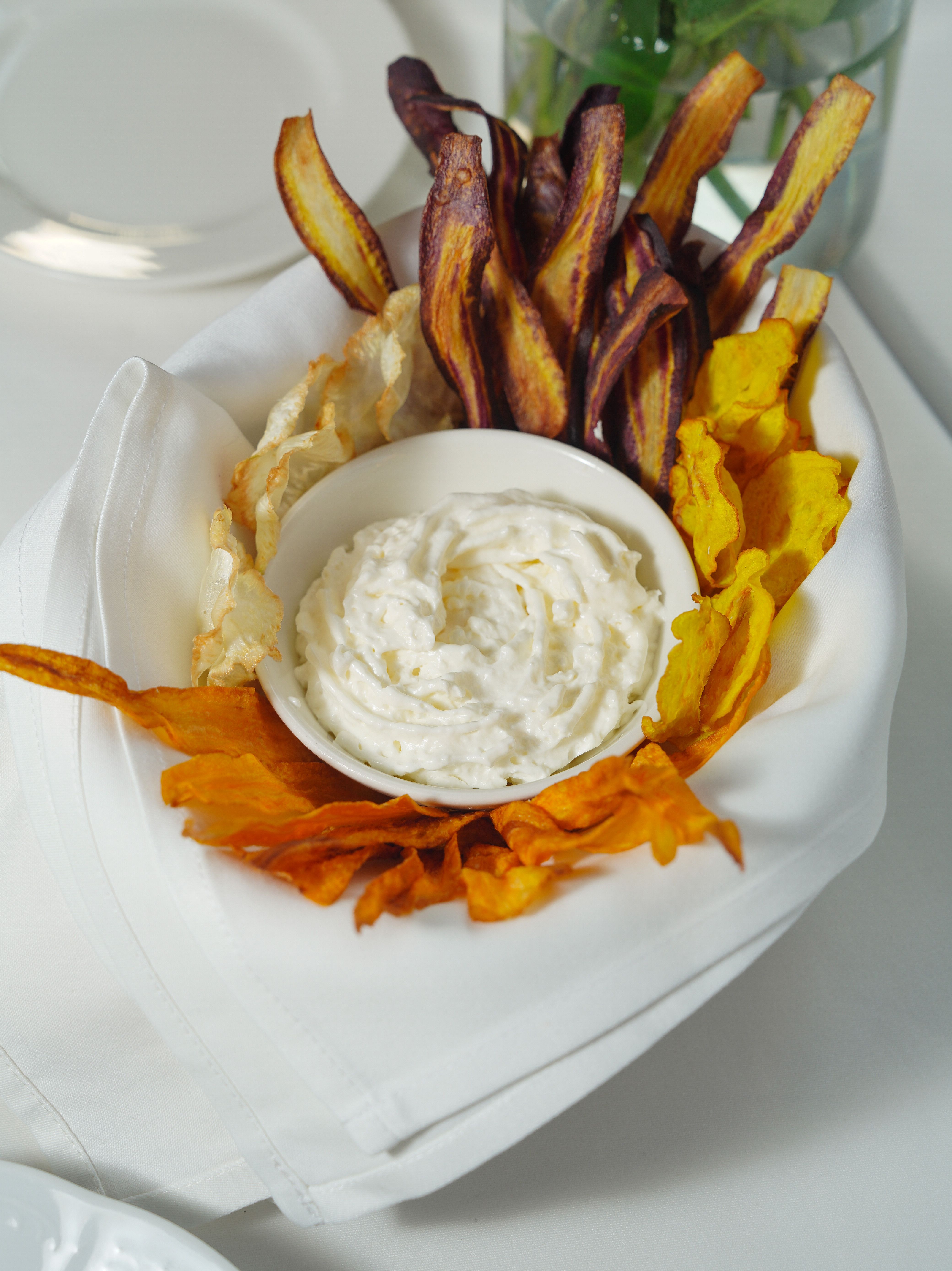
Clam dip is what happens when party food gets wonderfully specific. Someone says the words, and suddenly people remember the creamy, briny spread made with chopped clams and served with ridged potato chips, a combination that feels deeply tied to mid-century entertaining and suburban living rooms.
It gained popularity when canned clams made seafood dips easy and affordable for home hosts. The flavor is stronger than many modern dips, which may be part of why it slipped from the spotlight as ranch, queso, and buffalo chicken took over. Still, clam dip has a loyal following because it delivers exactly what it promises: salt, tang, richness, and a little old-school swagger in every bite.
Rice Pudding Cup
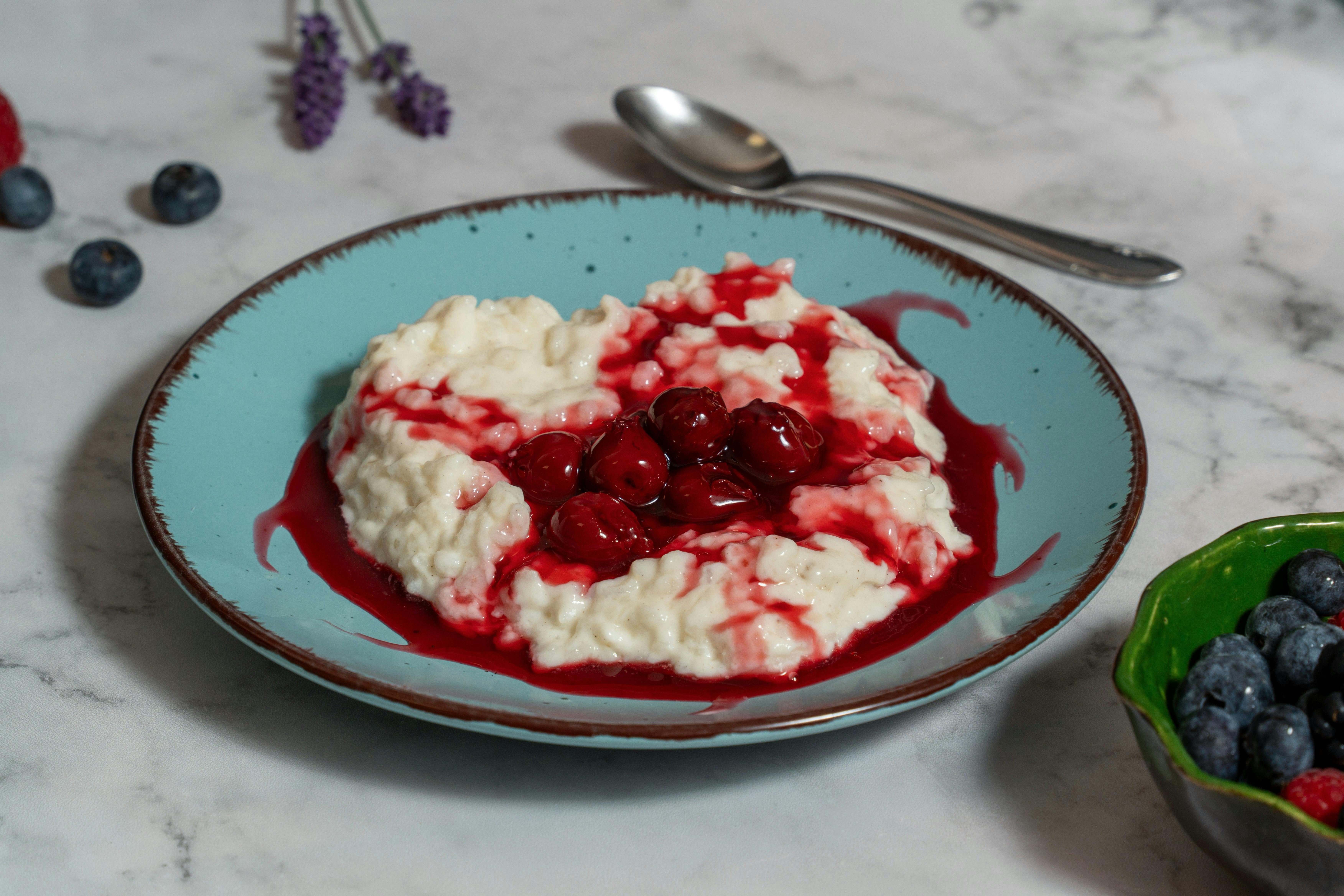
The refrigerated rice pudding cup occupies a very particular corner of memory. It was the dessert or snack that looked plain, almost serious, until you took a spoonful and got that soft, vanilla-scented comfort with just enough sweetness to feel like a treat.
Rice pudding itself is ancient and appears in cuisines around the world, but the prepackaged cup turned it into a supermarket staple for busy households. It was easy to pack, easy to chill, and familiar enough to satisfy both kids and adults. Because it was never marketed as exciting, it often vanishes from thought. Then someone mentions it, and you remember the texture instantly, along with the tiny burst of cinnamon if your family added some on top.
Deviled Ham Spread

Deviled ham spread feels like a relic from a kitchen built on sandwiches, crackers, and practical lunches. The name alone can stop people in their tracks, because yes, it still exists, and yes, many remember it as that salty, finely ground ham mixture that came in a can and somehow always found its way onto bread.
The term "deviled" in food traditionally points to spicy or zesty seasoning, and preserved meat spreads once made excellent sense in lunch preparation. Before endless deli options, canned spreads offered convenience and long shelf life. Deviled ham fell out of everyday conversation as fresher sandwich fillings became standard, but one mention is enough to bring back the taste, texture, and unmistakable packaging.
Cottage Cheese with Pineapple

Cottage cheese with pineapple is a combination many people have not thought about in years, yet it instantly feels familiar once named. It lived on diner menus, salad bars, diet plates, and home lunch trays, carrying that peculiar identity of being both sweet and savory without fully committing to either.
Its popularity made sense for decades. Cottage cheese provided protein and a cool, mild base, while canned pineapple added bright sweetness and a little acidity. During low-fat diet eras, it was especially prominent as a sensible snack or light meal. Today it is overshadowed by Greek yogurt, smoothie bowls, and more polished wellness foods. Still, the pairing remains oddly memorable because it was once absolutely everywhere.
Banquet Salisbury Steak
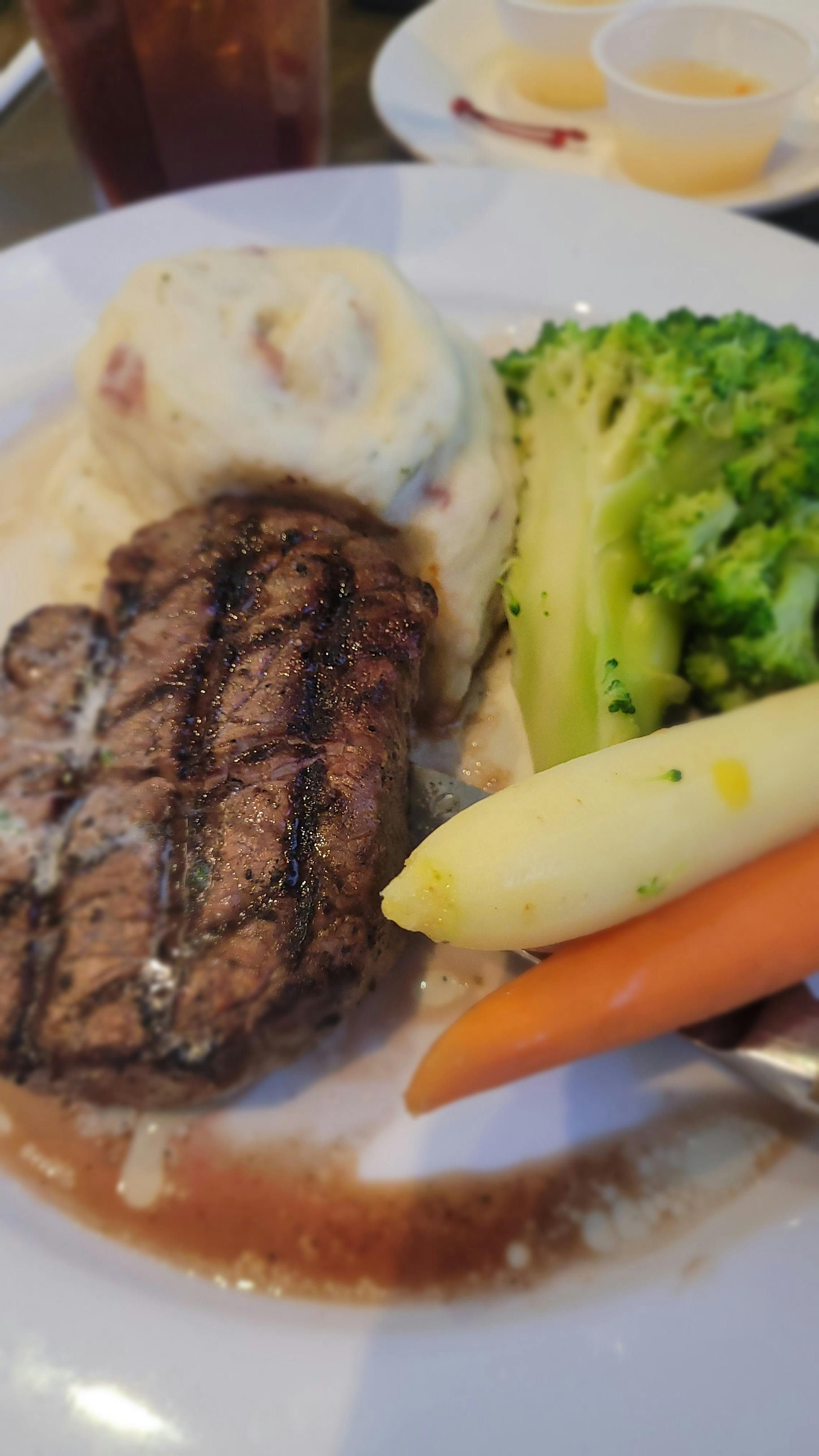
Banquet Salisbury steak is not just a frozen dinner. It is an entire mood. Bring it up, and people remember compartment trays, glossy brown gravy, mashed potatoes, and the strange comfort of a meal that felt grown-up and convenient at the same time.
Salisbury steak itself dates back to the 19th century, but frozen versions became household staples in the postwar era as supermarkets expanded the promise of quick, affordable dinners. Banquet helped define that category for generations. The meal is easy to forget because it is so tied to routine rather than novelty. Yet its place in food memory is strong. It represents the era when the freezer was marketed as a solution to weeknight cooking.
Apple Brown Betty
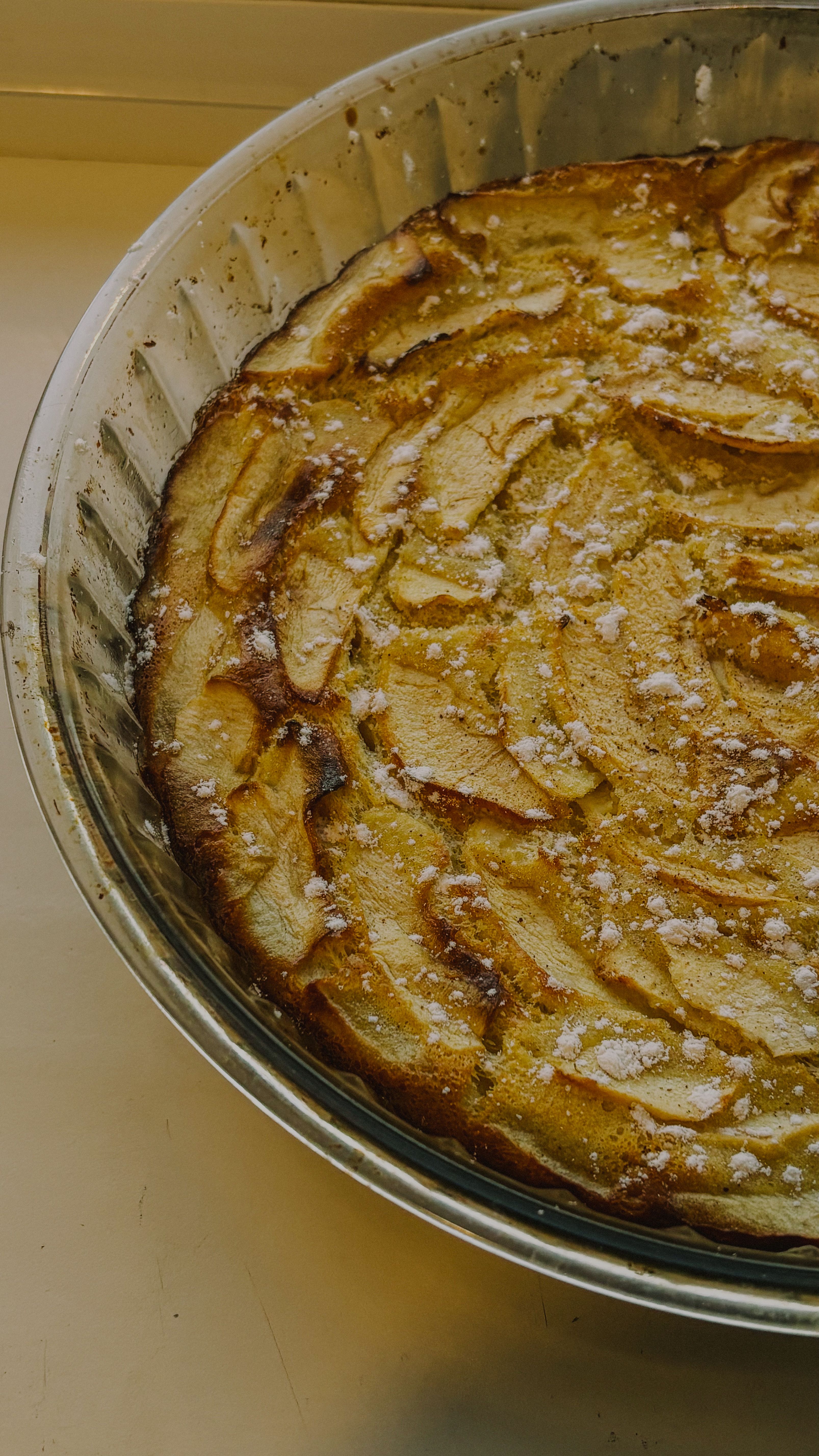
Apple Brown Betty tends to hide in the shadow of pie, crisp, and cobbler, which is exactly why people forget it until someone says it aloud. Then the old-fashioned dessert snaps into focus: spiced apples layered with buttered crumbs, baked until soft underneath and browned on top.
The dessert has deep American roots dating back to the 19th century, and it reflects a style of cooking built on thrift and technique rather than ornate presentation. Unlike pie, it requires no crust skills. Unlike cobbler, it relies more on layered crumbs than biscuit topping. It faded as dessert choices multiplied, but it remains a smart, flavorful classic. One mention reminds people that comfort food was often at its best when it was this straightforward.
Cheese Balls
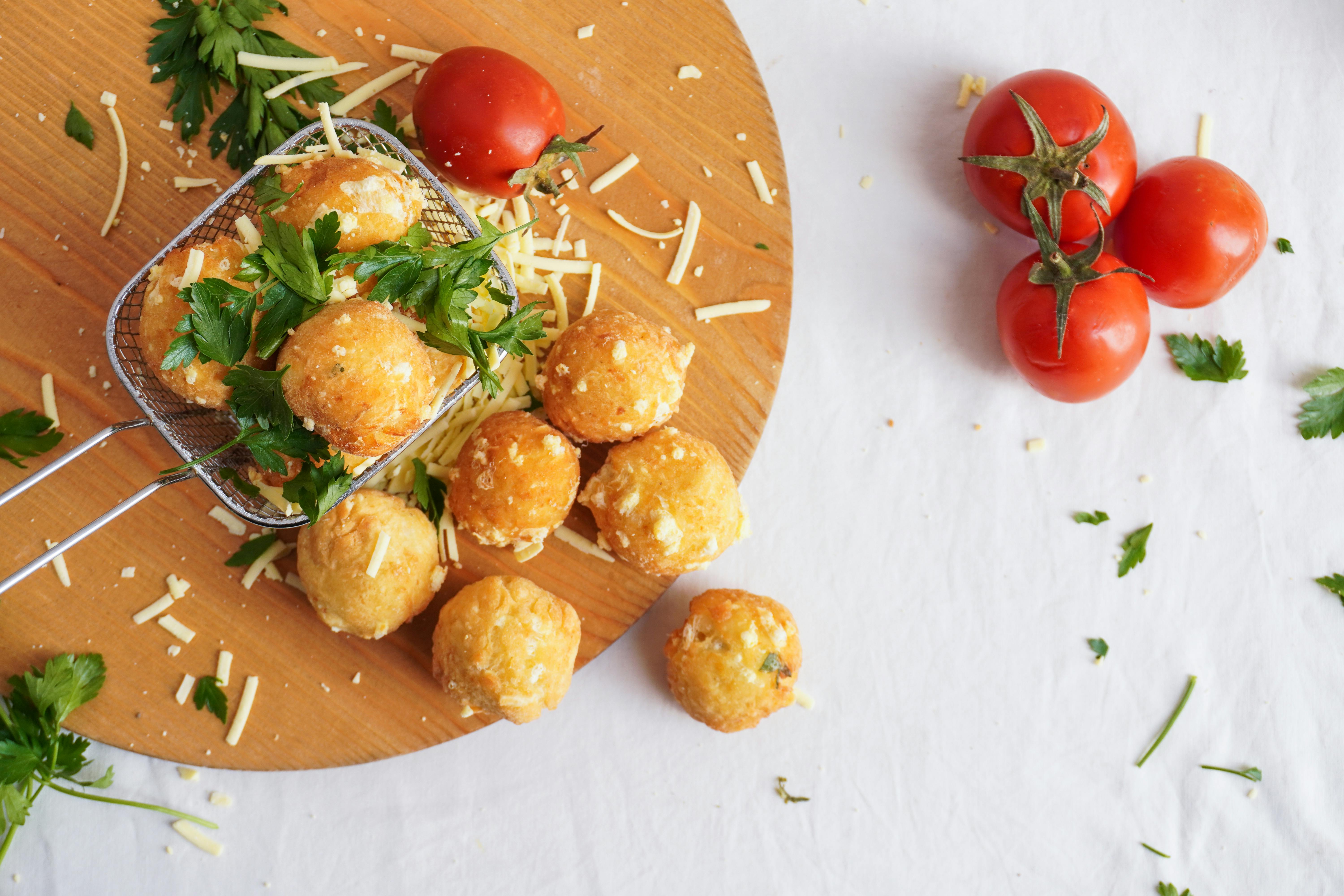
Cheese balls are party food in the most literal sense. Not the neon crunchy snack, but the big sphere of cream cheese, shredded cheese, and seasonings rolled in nuts, then set out with crackers like a centerpiece that was meant to be admired before being demolished.
They became a staple of holiday entertaining because they looked impressive, could be made ahead, and delivered familiar flavors in a social format. Home cooks could customize them with herbs, blue cheese, dried beef, or fruit preserves, which helped them spread across regions and generations. They are less common now, partly because modern hosts lean toward boards and dips. Still, say "cheese ball" out loud and many people can immediately picture one on a festive table.
Leave a Reply