
Food poisoning is often treated like a brief inconvenience. History shows it can become a national tragedy.
Why some food disasters vanish from public memory
The outbreaks people remember best are not always the ones that caused the most harm. Media attention often focuses on dramatic recalls, celebrity-linked restaurants, or a single shocking image, while slower, deadlier outbreaks fade once the headlines move on.
Public memory also struggles with foodborne illness because symptoms can appear days or weeks after exposure. That delay blurs the connection between a meal and a medical crisis, especially when contaminated products were widely distributed through supermarkets, schools, hospitals, and care homes.
Experts in epidemiology have long noted that underreporting is part of the problem. According to the World Health Organization and CDC reporting patterns, many severe cases are never fully counted, particularly when older adults, infants, and immunocompromised people die from complications rather than from a clearly labeled foodborne cause.
Infant formula, deli meat, and deadly school lunches
One of the most devastating but under-discussed crises was the 2008 melamine contamination scandal in China. Milk and infant formula were deliberately adulterated to fake higher protein readings, sickening roughly 300,000 infants and children. At least 6 children died, and thousands suffered kidney stones or acute kidney injury. The scale was enormous, but outside Asia, it is often mentioned only briefly.
A very different case unfolded in South Africa in 2017-2018, when a listeriosis outbreak linked to processed ready-to-eat meat, especially polony, killed more than 200 people and sickened over 1,000. It became one of the largest recorded Listeria outbreaks in history. The deadliness came from who was exposed: newborns, pregnant women, and people with weakened immune systems.
Then there was the 1994 ice cream-linked Salmonella outbreak in the United States, caused when tanker trailers carrying pasteurized ice cream mix were contaminated after hauling raw eggs. An estimated 224,000 people were sickened. Because most patients recovered, it is less remembered than smaller outbreaks with higher death rates, yet it remains one of the largest U.S. Salmonella events ever recorded.
When fresh produce became the perfect vehicle
Fresh produce has a healthy reputation, which is exactly why these outbreaks can spread so efficiently. In 2011, fenugreek sprouts tied to a German outbreak of E. coli O104:H4 killed more than 50 people and sickened nearly 4,000 across Europe. The strain was unusually aggressive, combining traits that caused both severe intestinal disease and kidney failure.
Leafy greens have also carried extraordinary risk. The 2006 U.S. spinach outbreak caused by E. coli O157:H7 killed 3 people and sickened more than 200, leading to kidney failure in many patients. Investigators traced the contamination to fields in California, where wildlife, water management, and nearby cattle operations all became part of the scrutiny.
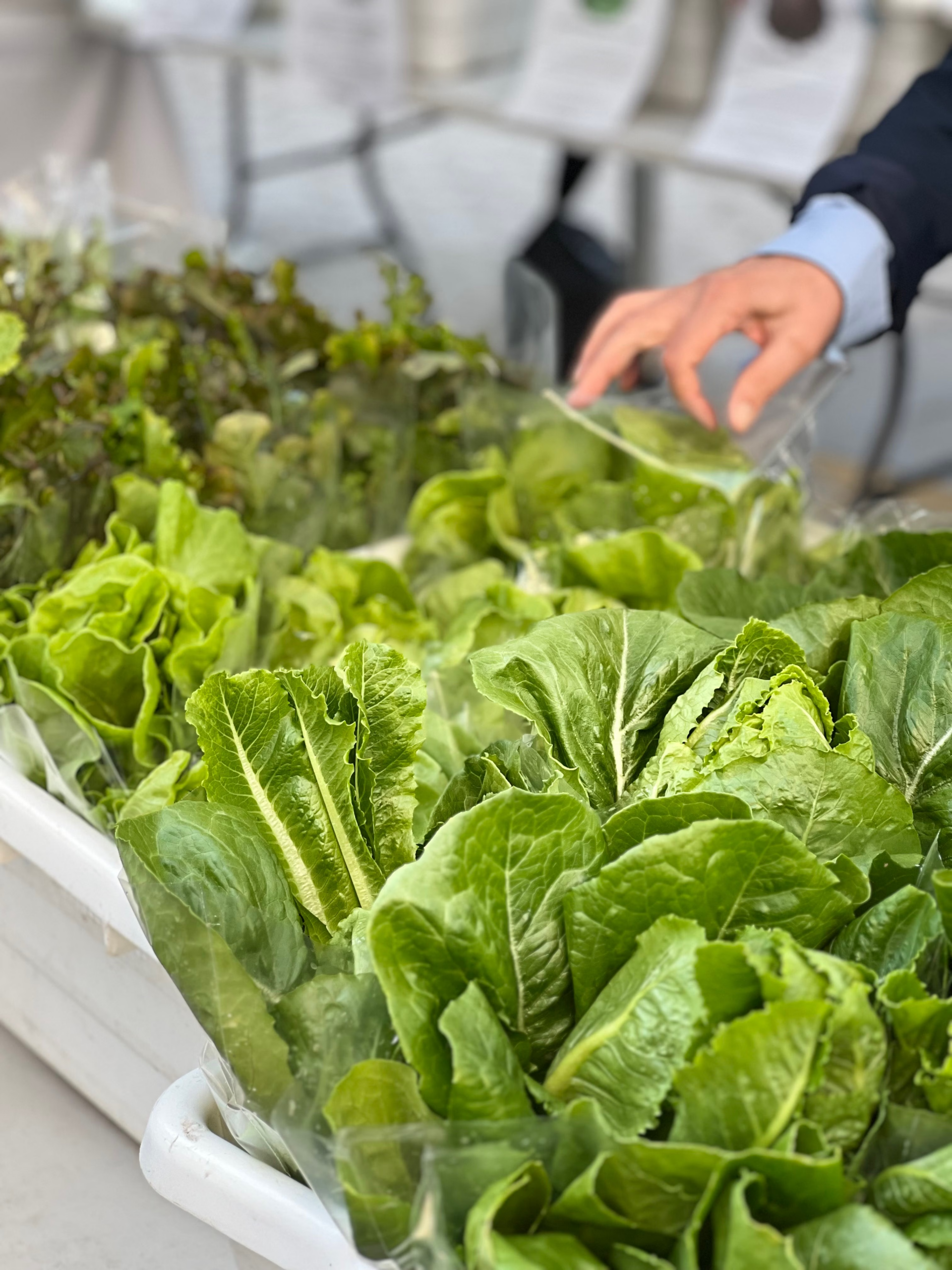
Less famous, but deeply consequential, was the 2018 romaine lettuce outbreak in North America linked to Yuma, Arizona growing regions. It infected more than 200 people and killed 5. What made it alarming was not only the toll, but the public confusion. Consumers were told to avoid an entire category of produce because investigators could not quickly isolate the exact source.
Seafood and canned foods with terrifying lethality
Some outbreaks are smaller in raw numbers but far more lethal per case. Botulism illustrates this perfectly. In 1977, a major outbreak tied to commercially canned hot dog chili sauce in the United States caused dozens of illnesses and several deaths, demonstrating how one failure in low-acid canning can create a toxin potent enough to paralyze and kill.
Seafood has produced similarly dangerous episodes. In Japan in 1955, powdered milk contamination caused a mass poisoning event affecting more than 10,000 infants, but seafood-related modern scares have centered on Vibrio and hepatitis A in shellfish. One of the most consequential was the 1988 Shanghai hepatitis A outbreak linked to raw clams, which sickened an estimated 300,000 people.
What these cases share is a mismatch between public expectation and biological reality. People often worry about spoiled smells or visible rot, yet botulinum toxin, viral contamination, and marine pathogens can be completely invisible, making ordinary-looking food far more dangerous than consumers assume.
Hamburger meat, peanuts, and the cost of delay
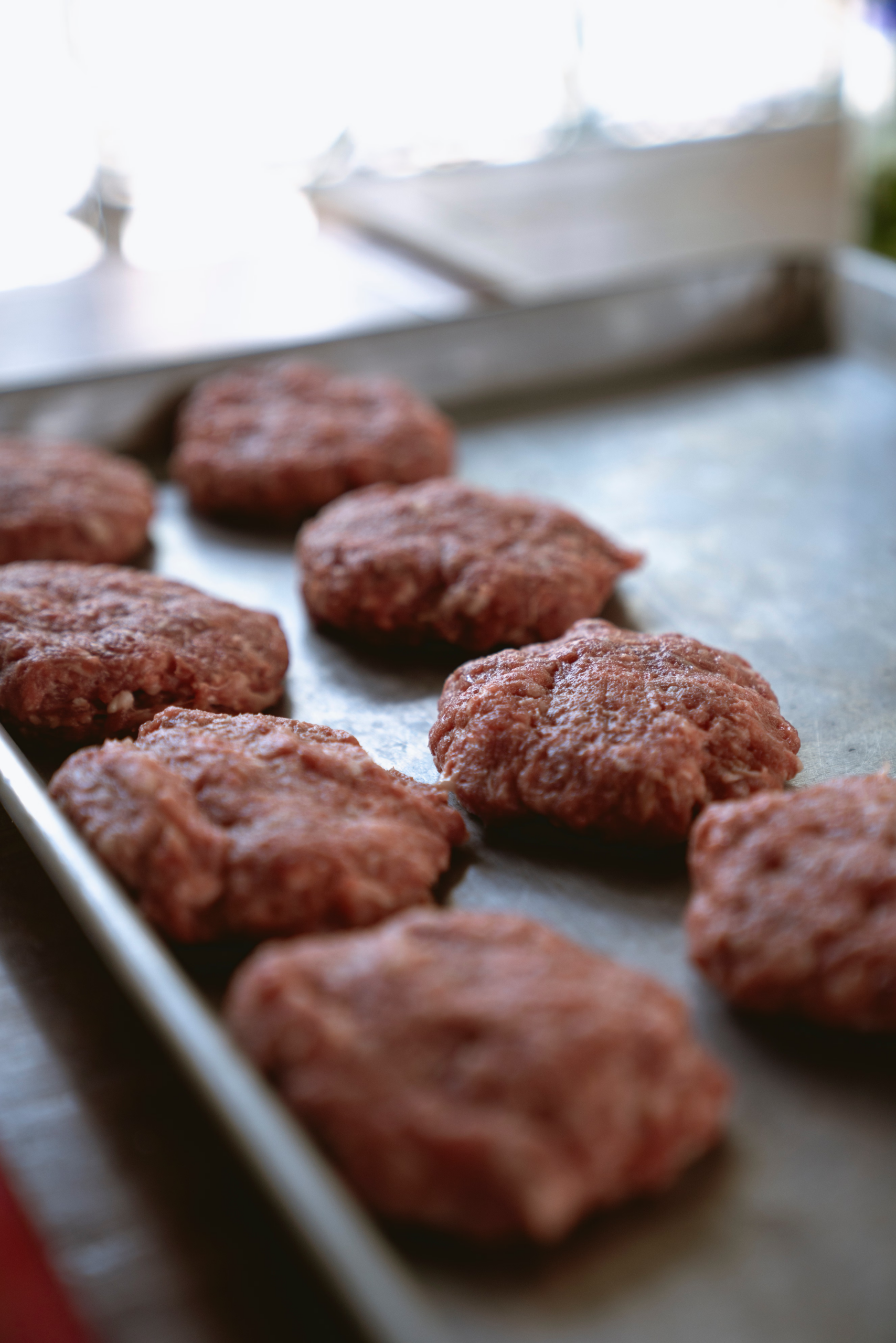
Few outbreaks changed policy as clearly as the 1993 Jack in the Box E. coli outbreak in the United States. Undercooked hamburgers sickened more than 700 people and killed 4 children. It drove major reforms in meat cooking standards, hazard control systems, and federal pathogen testing, yet younger generations often know the regulations without knowing the catastrophe that triggered them.
Equally important was the 2008-2009 Salmonella Typhimurium outbreak linked to products from the Peanut Corporation of America. The outbreak killed 9 people and sickened hundreds, but the real shock came from evidence that contaminated products were allegedly shipped despite positive Salmonella findings. The scandal exposed how fraud and negligence can magnify a contamination event into a nationwide emergency.
These cases are not historical curiosities. They are warnings about what happens when oversight fails, when supply chains become too complex to trace quickly, and when vulnerable people eat first from the cheapest or most convenient foods. That is why these outbreaks deserve more attention than they usually get.
What these 10 outbreaks still teach us now
The pattern across all 10 outbreaks is not randomness. It is systemic vulnerability. Industrial food systems move ingredients across borders at incredible speed, so one contaminated batch can reach hospitals, school cafeterias, airline meals, and home kitchens before investigators even know an outbreak has begun.
Another lesson is that "safe-looking" food is often the riskiest. Ready-to-eat meats, leafy greens, peanut products, shellfish, and infant formula are dangerous precisely because people do not cook them again or because the people eating them are medically fragile. A food does not need to look dirty to carry a lethal microbial load.
The final lesson is that prevention matters more than cleanup. Strong inspection, transparent testing, whistleblower protection, cold-chain discipline, and rapid public communication save lives. The outbreaks we do not talk about enough are often the ones that best explain why food safety rules must be treated as public health infrastructure, not paperwork.




Leave a Reply