
Before tasting caviar, chef's counters, or room-service breakfasts with linen napkins, a different kind of luxury ruled childhood. It lived in chain restaurants, freezer aisles, birthday dinners, and anything topped with extra cheese. These are the meals that once felt impossibly fancy, not because they were rare by culinary standards, but because they arrived wrapped in excitement, ritual, and just enough expense to seem grand.
Fettuccine Alfredo

Cream sauce had a way of signaling sophistication long before anyone understood regional Italian cooking. For many kids, fettuccine Alfredo was the first pasta that felt dressed for an occasion, all glossy ribbons, buttery aroma, and a snowdrift of Parmesan that seemed far more upscale than spaghetti with red sauce.
Part of the illusion came from restaurant culture in the 1990s and 2000s, when chain menus presented Alfredo as a rich, indulgent choice. The sauce was mild, filling, and expensive enough to seem adult, yet familiar enough to win over picky eaters.
As grown-ups, we learn that luxury pasta can be simpler and sharper. But that first creamy bowl still lives in memory like a white-tablecloth event.
Steak at a Chain Restaurant
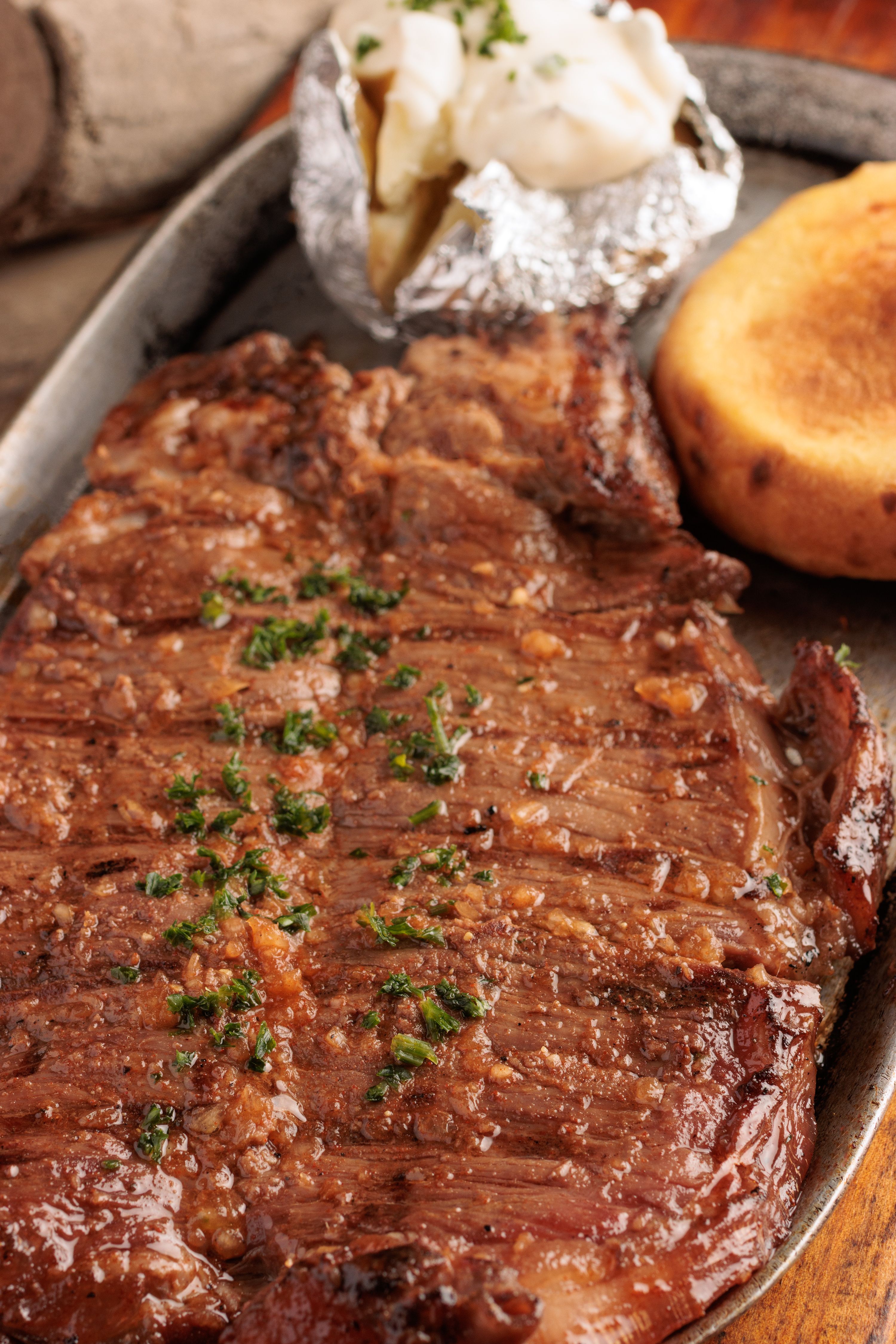
A steak dinner once carried the kind of prestige usually reserved for major milestones. If your family went to a chain steakhouse, the low lighting, sizzling platters, and oversized menus could make the evening feel as formal as a black-tie event, even if someone still ordered chicken tenders.
Steak had obvious status markers. It was pricier than burgers or pasta, often linked to birthdays, report cards, or visiting relatives. The server asking how you wanted it cooked made the whole thing feel like initiation into adulthood.
Later, you discover dry-aged cuts and serious steakhouses. Still, the first sirloin with a baked potato and a little paper flag felt genuinely elite.
Shrimp Scampi
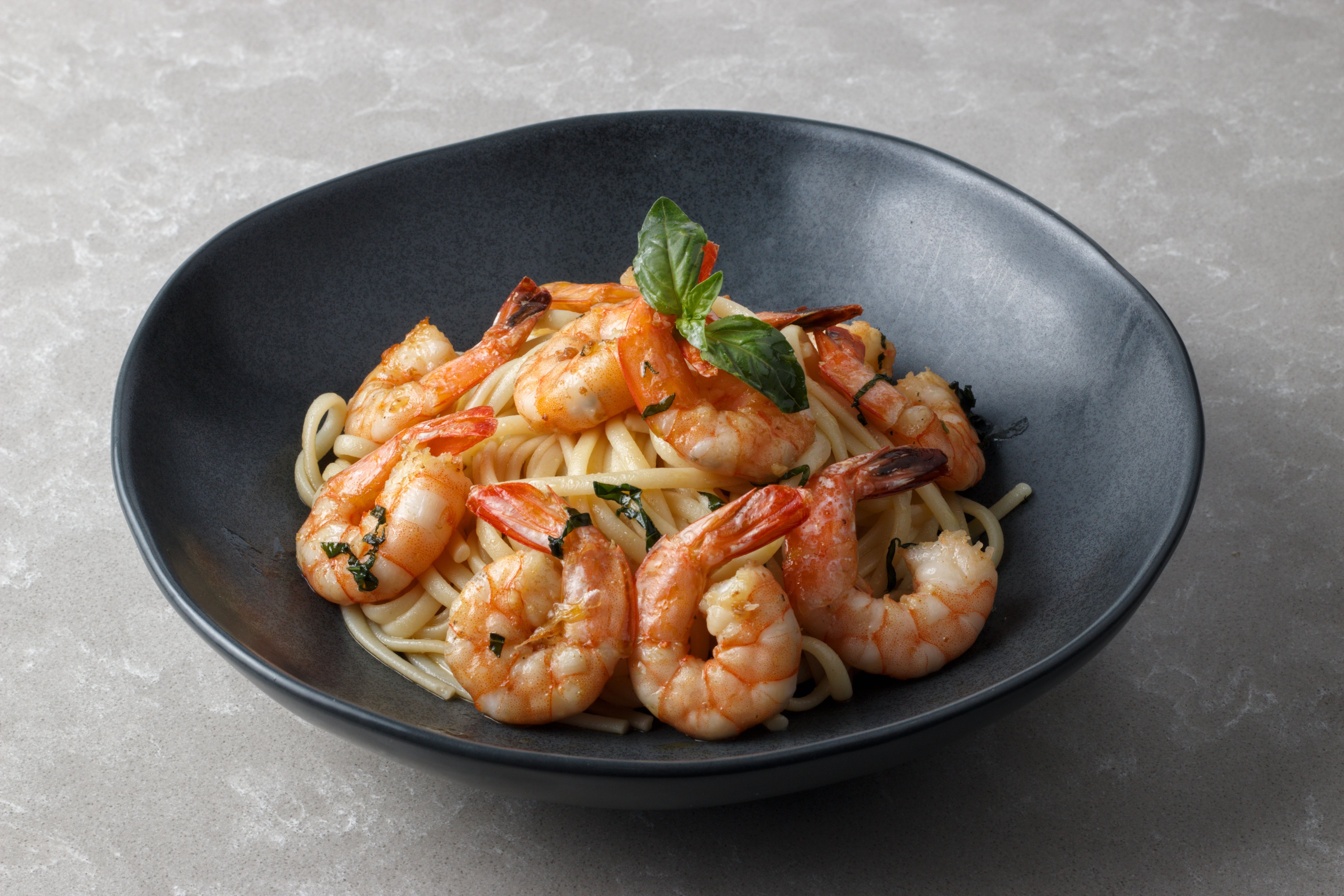
Seafood had instant glamour when you were young, and shrimp scampi was one of its most convincing ambassadors. The name sounded elegant, the shrimp looked expensive, and the garlic-butter sauce suggested a level of refinement far above the everyday dinner rotation at home.
It also felt grown-up because it was smaller, brighter, and less obviously kid-focused than comfort foods drenched in cheese. Ordering shrimp meant you were branching out, choosing something that belonged to candlelit menus and special-occasion conversations.
In reality, scampi became popular in the United States partly because it made restaurant seafood feel accessible. But to a kid with a basket of bread nearby, it still read as polished and worldly.
Chicken Cordon Bleu

Nothing said fancy like a dinner with a French name, especially one hiding ham and melted cheese inside. Chicken Cordon Bleu felt like culinary architecture: breaded exterior, neat slices, creamy center. It was the kind of entrée that made ordinary chicken seem as if it had gone to finishing school.
Its reputation owed a lot to presentation. The roulade shape, the golden crust, and the sauce on top gave it a banquet quality, whether it appeared in a restaurant or from the freezer section for a special family meal.
Adult palates may now chase handmade sauces and perfectly roasted birds. But as a symbol of old-school elegance, Chicken Cordon Bleu once had undeniable power.
Lobster Mac and Cheese

This was the ultimate childhood lesson in how one ingredient can transform a comfort food into a luxury object. Mac and cheese was already beloved, but add lobster and suddenly it seemed like a dish for movie stars, anniversaries, or adults who used cloth napkins on purpose.
The appeal came from contrast. Familiar pasta and creamy sauce made the dish approachable, while lobster added a whisper of wealth and coastal sophistication. Even when the lobster portion was modest, the name alone did most of the heavy lifting.
Today, we recognize it as a clever menu upgrade, not always the pinnacle of fine dining. Back then, though, it sounded like the highest form of edible success.
Prime Rib
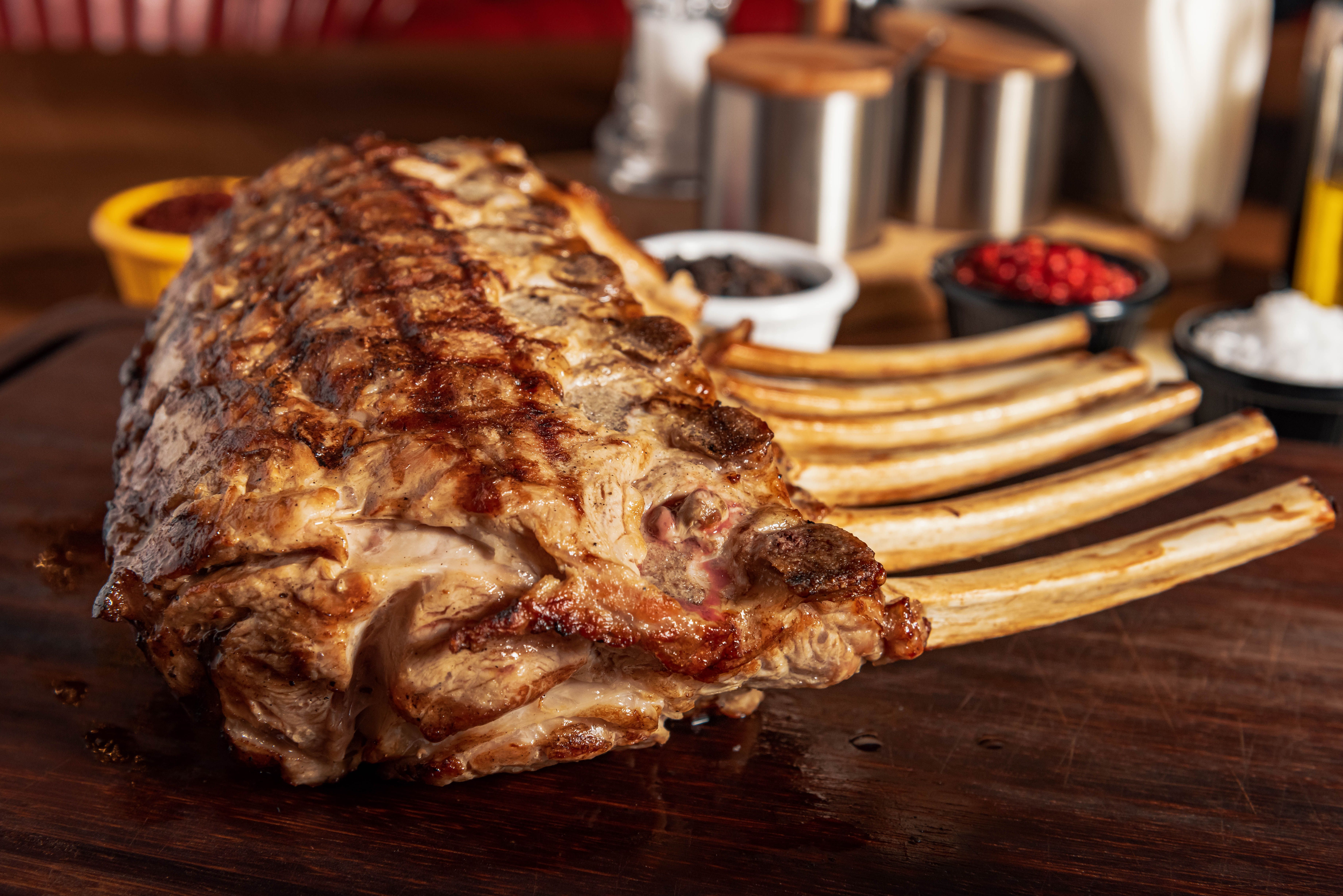
Prime rib was less a meal than an event. It arrived in thick slices, usually with serious-looking sides, and carried the aura of holidays, hotel dining rooms, and restaurants where the adults seemed to sit up straighter. For a kid, that alone was enough to classify it as grand.
Its old-fashioned prestige is rooted in tradition. Prime rib has long been associated with celebratory dinners because it is a large, expensive roast that serves a crowd and rewards patient cooking. The carving ritual adds to the theater.
Even if your first bite was mostly au jus and mashed potatoes, the message was clear: this was not an ordinary Tuesday food. It was ceremony on a plate.
Stuffed Shells

There was something undeniably regal about pasta you could stuff. Stuffed shells looked more thoughtful than regular baked pasta, as if someone had gone to great lengths to fill each piece with ricotta, herbs, and cheese before tucking everything under sauce and sending it to the oven.
That visual effort mattered. Kids often read labor as luxury, and stuffed shells clearly took more work than boiling noodles and opening a jar. The bubbling casserole dish and browned cheese on top only strengthened the impression that this belonged to a special dinner.
Today, we might save our highest praise for handmade ravioli or delicate lasagna sheets. Still, stuffed shells once occupied a glamorous middle ground between comfort and occasion.
Personal Pan Pizza
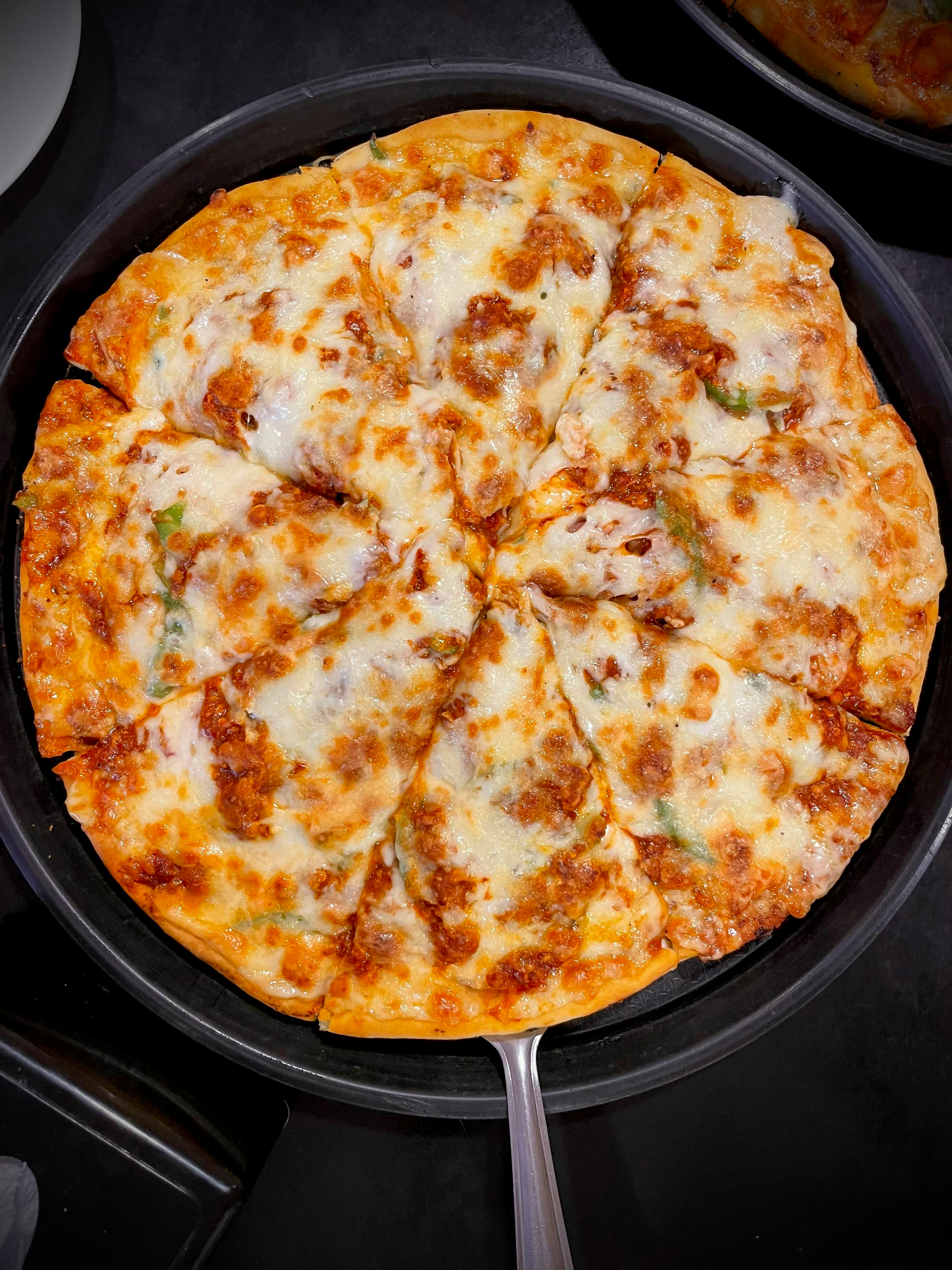
Luxury is often about scale, and nothing felt more extravagant to a child than receiving an entire pizza that did not need to be shared. The personal pan pizza was compact, yes, but it delivered something far more powerful than size: ownership, customization, and the thrilling idea that dinner could be entirely yours.
Its cultural hold was strengthened by birthday parties, school reading rewards, and family restaurant outings. The tiny cast-iron style pan, molten cheese, and crisp, buttery crust made it feel special in a way a standard slice never could.
As adults, we may chase wood-fired pies and imported mozzarella. But few things rival the pure prestige of a pizza with your name all over it.
Chocolate-Dipped Strawberries and Dinner

Sometimes the meal felt luxurious because dessert had already set the tone. A dinner that ended with chocolate-dipped strawberries immediately seemed elevated, romantic, and far beyond the realm of weeknight routine. Even simple entrées took on a fancier glow once that glossy tray appeared.
The pairing worked because strawberries have long been tied to celebration, while chocolate signals indulgence almost universally. Together, they suggested restaurant polish and holiday energy, even when the rest of the meal was fairly ordinary.
Adults eventually learn that true luxury desserts can be more intricate. Yet few sweets communicate occasion as quickly as berries in a chocolate coat. For many of us, that was elegance in its most convincing form.
Breakfast in Bed

Not every luxurious meal depended on expensive ingredients. Breakfast in bed felt opulent because it broke the rules of everyday life. Toast, pancakes, scrambled eggs, or even cereal could feel transformed when served on a tray with a napkin, a juice glass, and permission to eat somewhere usually off-limits.
Its magic came from service. Someone else made the meal, arranged it, and brought it to you, which is the basic logic behind most real luxury experiences. The menu mattered less than the gesture and the rare feeling of being catered to.
As adults, we may understand luxury through hotels and tasting menus. But many of us first encountered it through a wobbly tray and overbuttered toast on a Saturday morning.



Leave a Reply