
For many Canadians, the weekly grocery run has turned into a running price comparison exercise. As food bills stay stubbornly high, shoppers are quietly reworking their carts and discovering that some familiar Loblaws items are among the easiest to replace. From pantry basics to prepared foods, these are the products people are swapping for cheaper alternatives and, in many cases, liking just as much.
Packaged Salad Kits
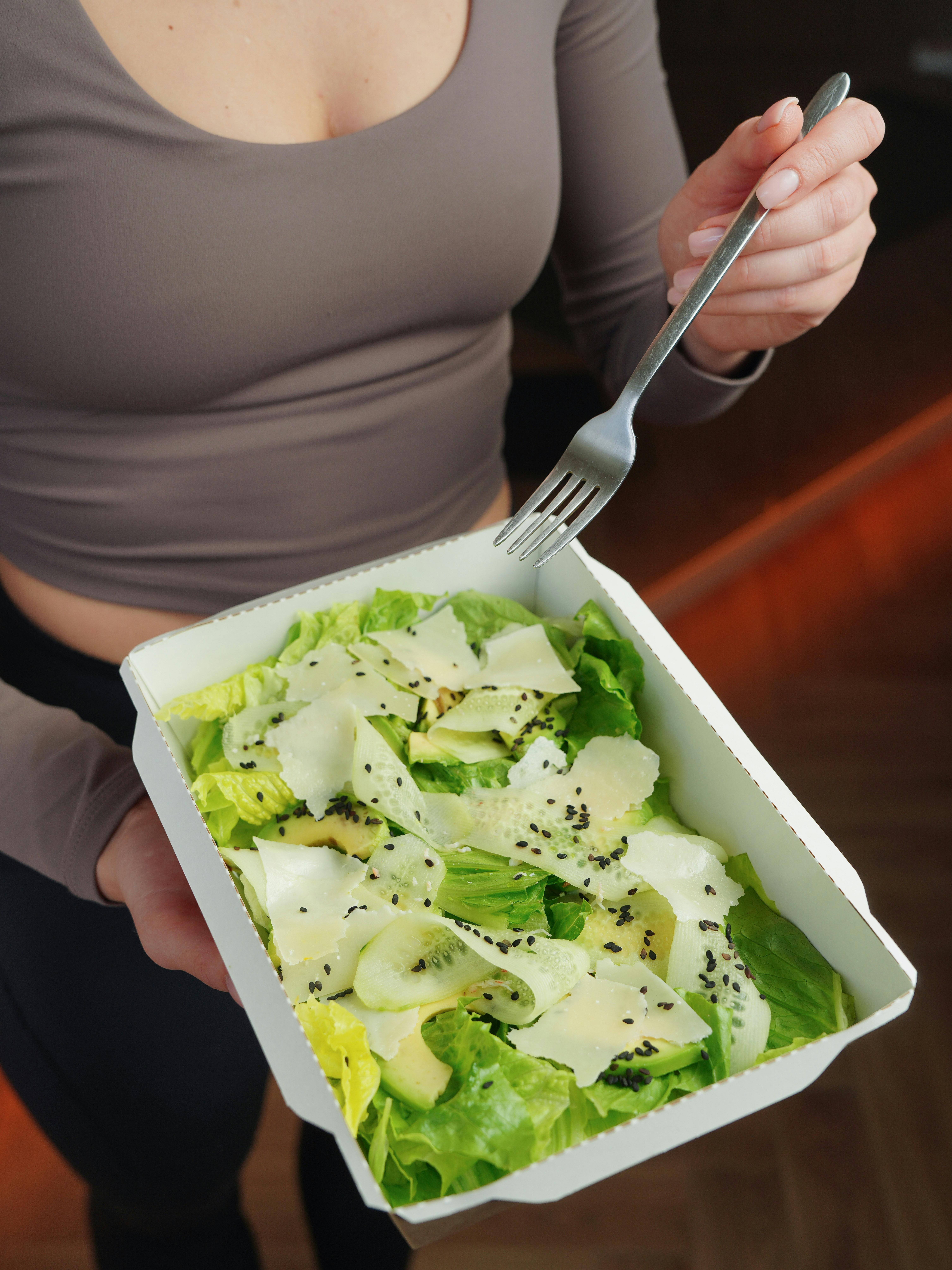
One of the first things shoppers cut is convenience greens. Loblaws salad kits can look like an easy dinner shortcut, but the price per serving often feels steep once you compare them with a head of romaine, a bag of slaw, and a basic dressing from a discount chain.
Canadians are increasingly building the same salad at home with cheaper produce from No Frills, FreshCo, Walmart, or local independents. The trade-off is a few extra minutes of chopping, but the savings add up fast.
There is also less waste when people buy the ingredients separately. Instead of tossing a wilted kit, they can use leftover greens in sandwiches, wraps, or stir-fries later in the week.
Store-Brand Cereal
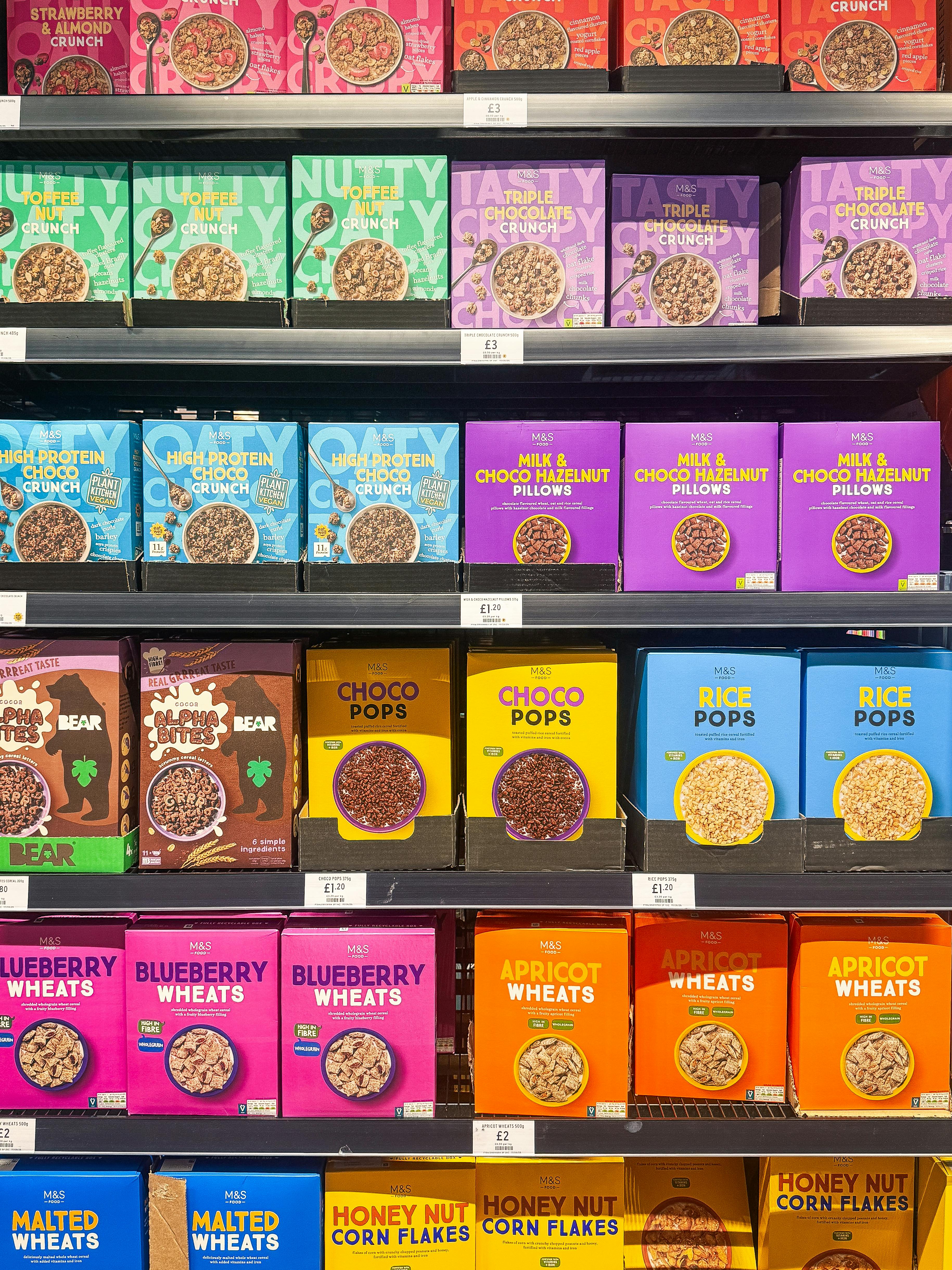
Breakfast is where price fatigue shows up quickly. Loblaws house-brand cereal used to feel like the budget choice, but many shoppers now say the gap has narrowed enough that Walmart, Giant Tiger, Costco, and even dollar stores offer better value on similar flakes, oats, and granola.
For families with children, cereal disappears fast, so even a difference of a dollar or two per box matters over a month. Larger formats and multipacks have made warehouse clubs especially appealing.
Many Canadians are also moving away from boxed cereal altogether. Oatmeal, yogurt with bulk granola, or toast with peanut butter often cost less per breakfast and keep people full longer.
Yogurt Multipacks

Small yogurt cups are another item getting a second look. At Loblaws, branded and store-brand multipacks can feel pricey on a per-unit basis, especially when compared with large tubs sold at Costco, Walmart, or discount grocers.
Shoppers have figured out that a big plain or vanilla tub stretches much further than individual cups. It also gives them more flexibility to add fruit, honey, or cereal at home instead of paying extra for pre-portioned packaging.
There is a value angle beyond price as well. Large tubs usually create less packaging waste, which appeals to households trying to cut both grocery costs and garbage at the same time.
Name-Brand Chips and Snack Packs

Snacks have become one of the easiest categories to downgrade without much regret. At Loblaws, chips and portioned snack packs can carry premium pricing that looks even harder to justify when discount banners and warehouse stores regularly promote larger bags for less.
Many Canadians now buy private-label chips from Walmart, FreshCo, Food Basics, or Costco instead. In blind taste tests at home, plenty of families decide the difference is minor enough that the cheaper bag wins.
Some are taking it a step further and buying fewer packaged snacks overall. Popcorn kernels, crackers from bulk bins, or homemade trail mix often come out cheaper and last longer in the pantry.
Frozen Pizza

Frozen pizza feels like a simple backup dinner, but it is also a category where prices have crept up noticeably. Shoppers who once grabbed a Loblaws pizza without thinking are now comparing size, topping coverage, and cost per pie much more closely.
Discount chains and Costco have become popular replacements because the price per pizza is often lower, especially in multi-packs. Some shoppers also report that lower-cost alternatives taste just as good once dressed up with extra cheese or vegetables at home.
Another shift is toward ready-made pizza bases or flatbreads. For roughly the same effort, families can assemble a quick homemade version that feeds more people for less money.
Packaged Deli Meat
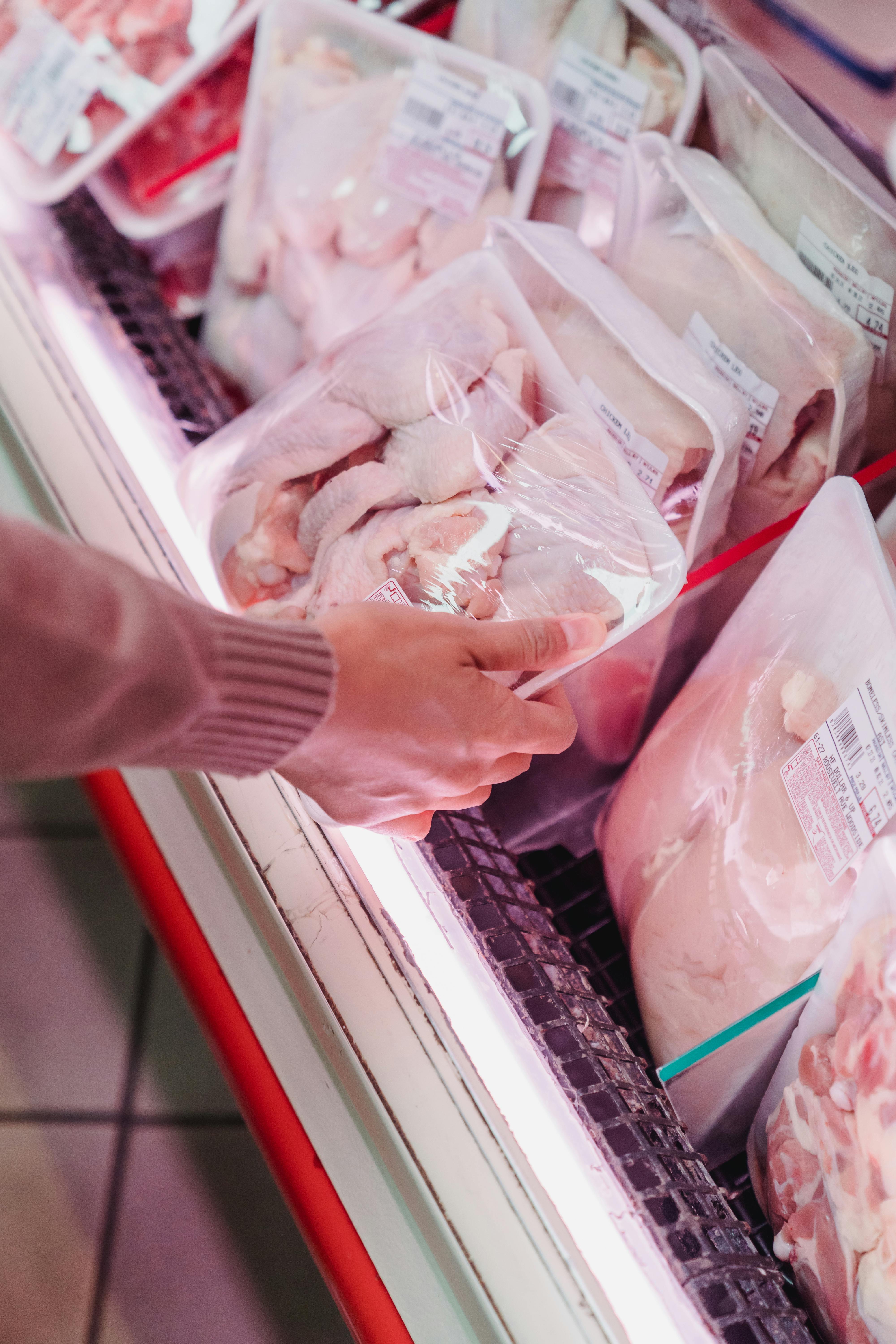
Few products highlight shrinkflation more clearly than sliced deli meat. Loblaws packages can feel smaller while the shelf price remains high, leaving shoppers to question whether convenience is worth the premium.
A common replacement is buying larger packs at Costco or choosing discount-store house brands for lunch sandwiches and wraps. Others are skipping deli meat more often and cooking a whole chicken or roast at home, then slicing it themselves for several days of lunches.
That homemade route usually delivers better value per kilogram and more control over salt and additives. It takes a little planning, but many households say the switch saves enough money to become a lasting habit.
Bagged Bread and Hamburger Buns
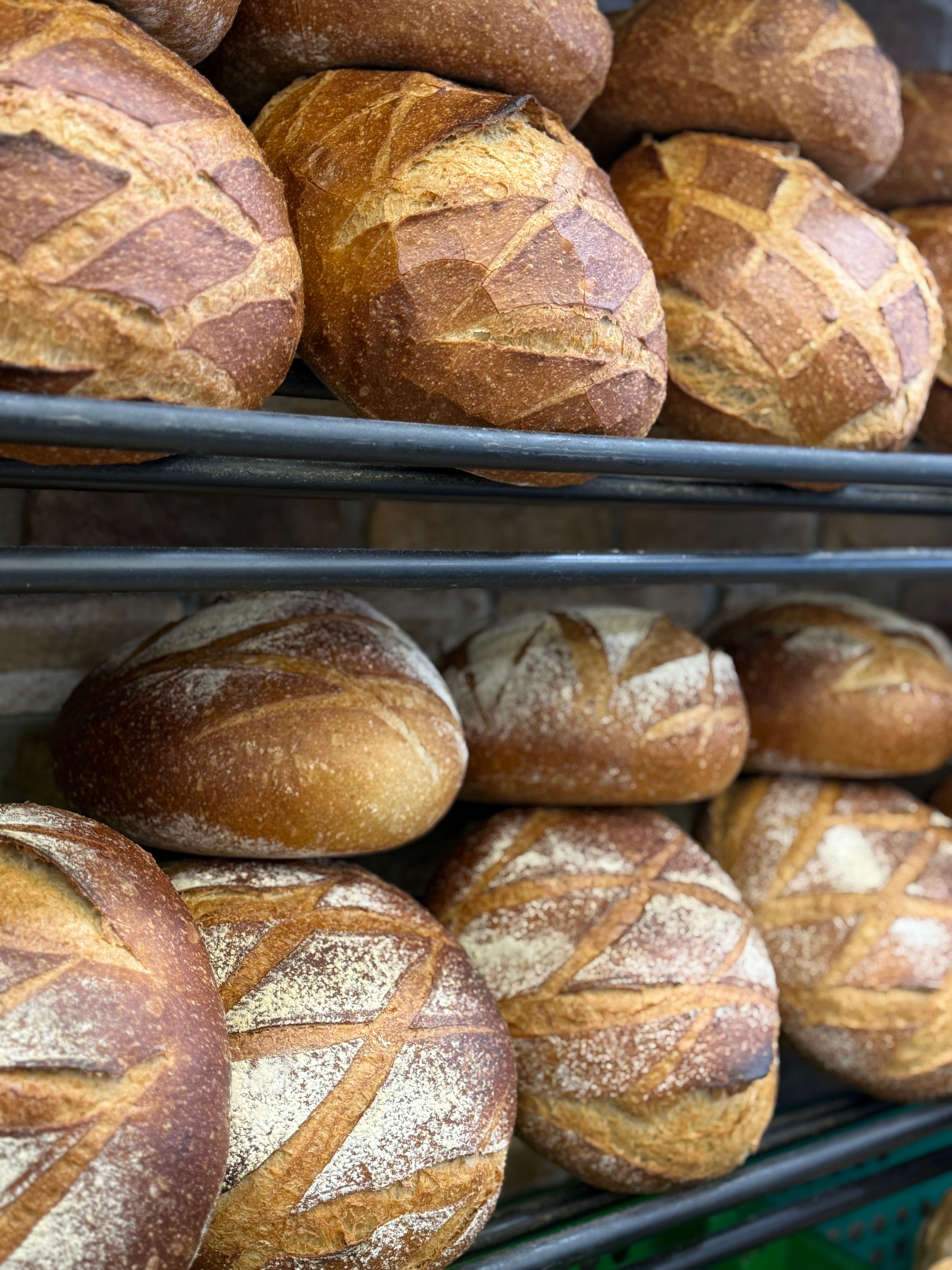
Bread is a basic, which is exactly why price increases stand out so sharply. When an everyday loaf or pack of buns at Loblaws edges higher, shoppers notice immediately because it is often bought every single week.
Many are replacing it with discount-banner bakery bread, warehouse packs, or local bakery day-old deals that cost less and sometimes taste fresher. Store flyers have made this category especially easy to compare from one retailer to another.
Some households are also freezing extra loaves bought on sale, which reduces the need for full-price trips later. Once people realize bread quality stays perfectly fine after thawing, they rarely go back to paying more out of habit.
Pasta Sauce
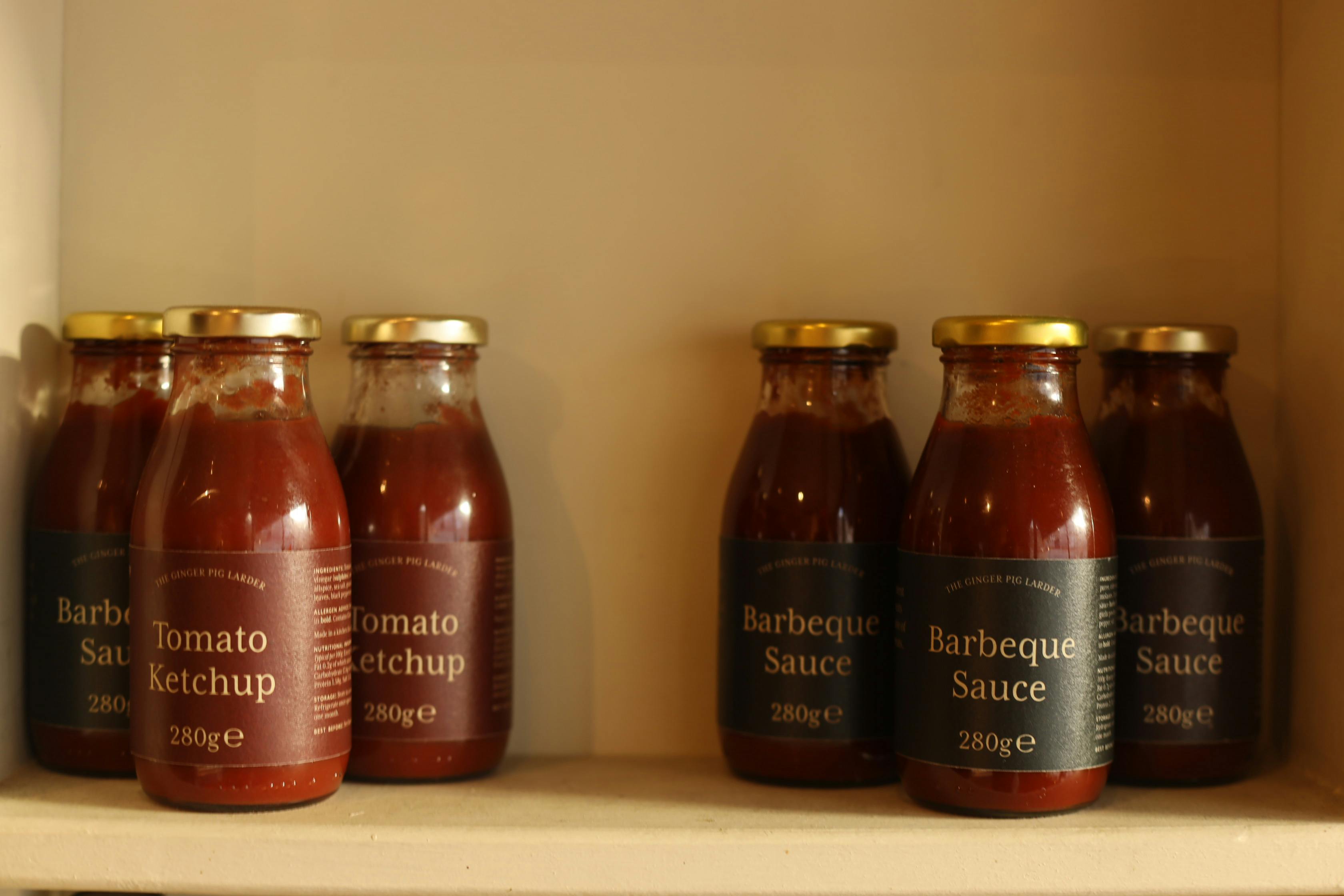
Jarred pasta sauce is a classic pantry item, but it has become a quiet test case for value shopping. At Loblaws, premium-looking sauces can be hard to justify when cheaper jars elsewhere offer similar ingredients and serve the exact same weeknight purpose.
Canadians are increasingly buying basic sauces from Walmart, dollar stores, and discount grocers, then boosting them at home with garlic, onion, chili flakes, or herbs. That small bit of customization makes a lower-cost jar taste more expensive than it is.
Others skip jars entirely and make a simple sauce from canned tomatoes. For households already keeping tomatoes, oil, and seasoning on hand, it is often the cheapest option of all.
Frozen Berries

Frozen fruit used to feel like a dependable buy no matter where you shopped. But as prices rose, many Canadians started noticing that frozen berries at Loblaws could cost more than equivalent bags at Costco, Walmart, or ethnic grocers carrying larger formats.
That matters because berries are a staple for smoothies, oatmeal, and baking. People who use them daily can see meaningful monthly savings just by switching stores.
There is also a seasonal strategy at work. Some shoppers buy fresh berries in peak summer months when prices dip, freeze them at home, and rely less on premium retail frozen bags later. It takes planning, but the payoff is real.
Prepared Soups and Heat-and-Eat Meals
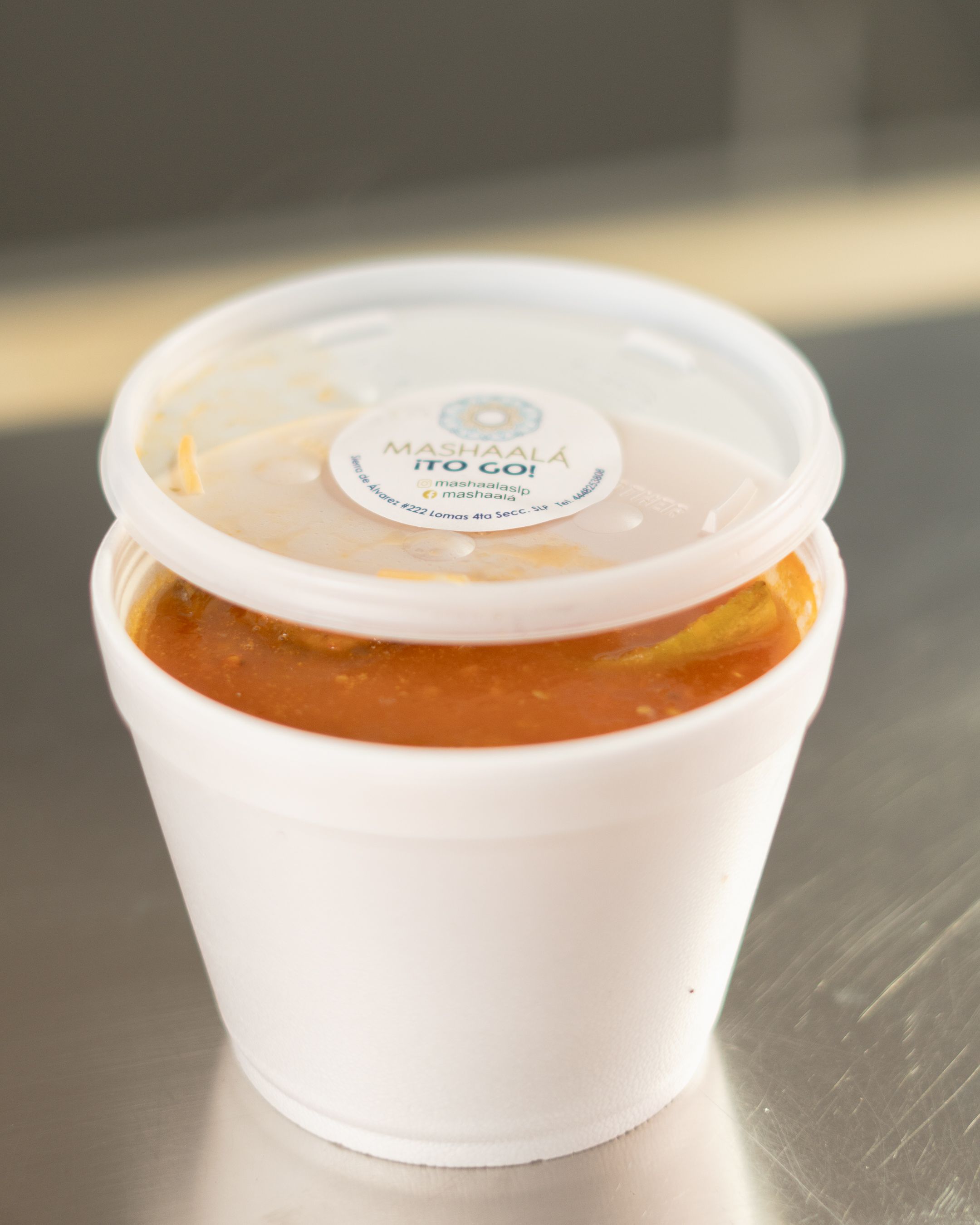
Prepared soups and ready meals are often the first convenience items to lose their place in the cart. At Loblaws, these products can be attractive for busy nights, but shoppers increasingly feel the premium is too high for a meal that may still need bread, salad, or extra sides.
Cheaper frozen entrees from discount stores, warehouse club multi-packs, and simple homemade batch cooking have become the replacement. A pot of soup or chili made once can cover several lunches and dinners at a much lower cost per portion.
This is where consumer habits really change. Once people discover that batch cooking saves money without adding much weekly effort, many say those expensive heat-and-eat options stop feeling necessary at all.


Leave a Reply