
When temperatures climb, what you eat can affect how hot, sluggish, and dehydrated you feel. Some foods push your body to work harder, increase fluid loss, or leave you feeling heavy at the exact moment you want relief. This gallery breaks down 10 foods that are best limited during a heat wave, with clear reasons that make the advice easy to use.
Salty Processed Snacks
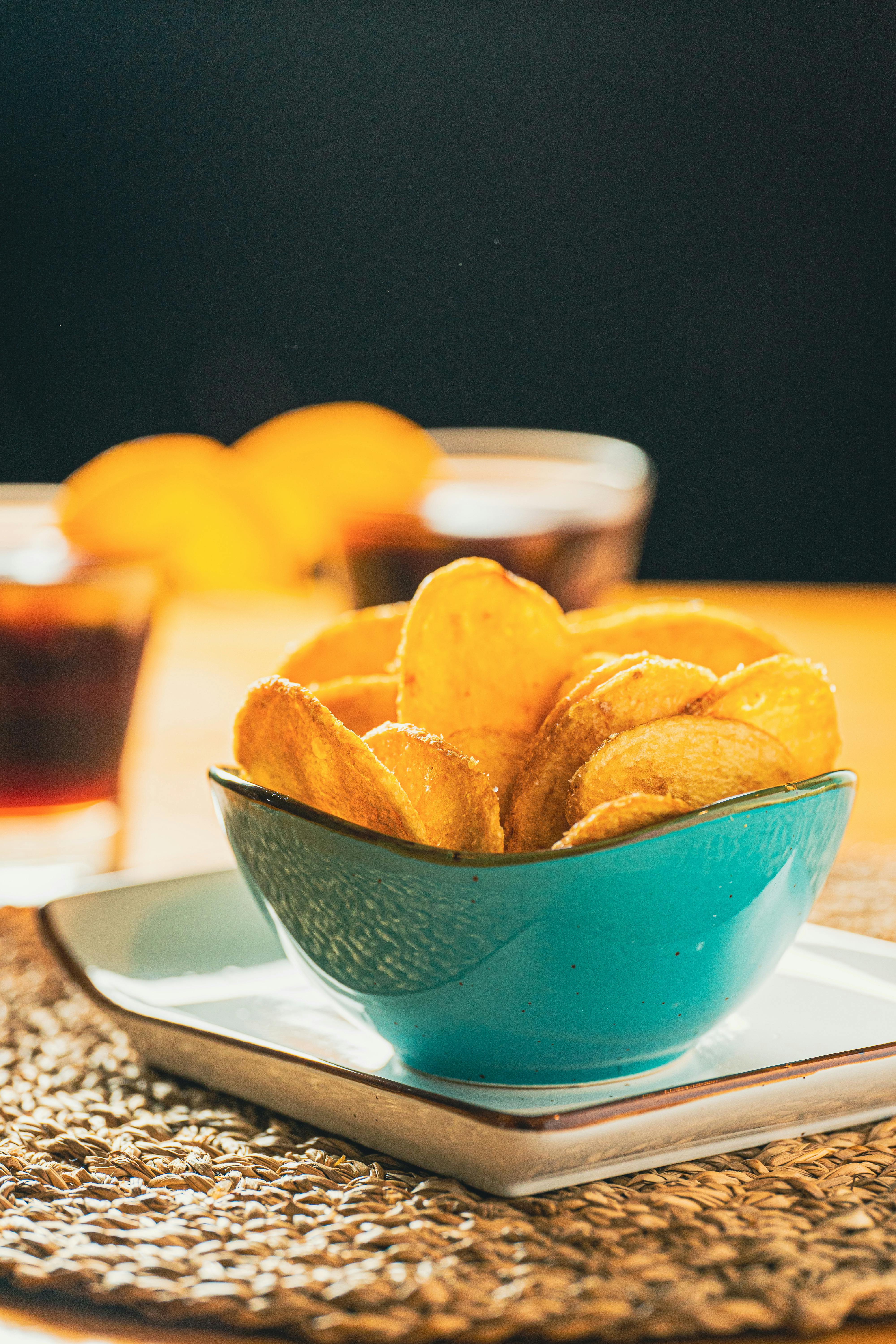
A bag of chips can seem harmless, but in extreme heat, salty snacks can quietly work against you. Foods like pretzels, crackers, and packaged snack mixes often pack enough sodium to make you feel thirstier than you already do. That extra sodium can contribute to fluid imbalance, especially if you are sweating heavily and not replacing fluids steadily. You may also end up drinking sugary beverages to satisfy that thirst, which can make matters worse. During a heat wave, lighter foods with natural water content usually leave you feeling much better.
Fried Foods
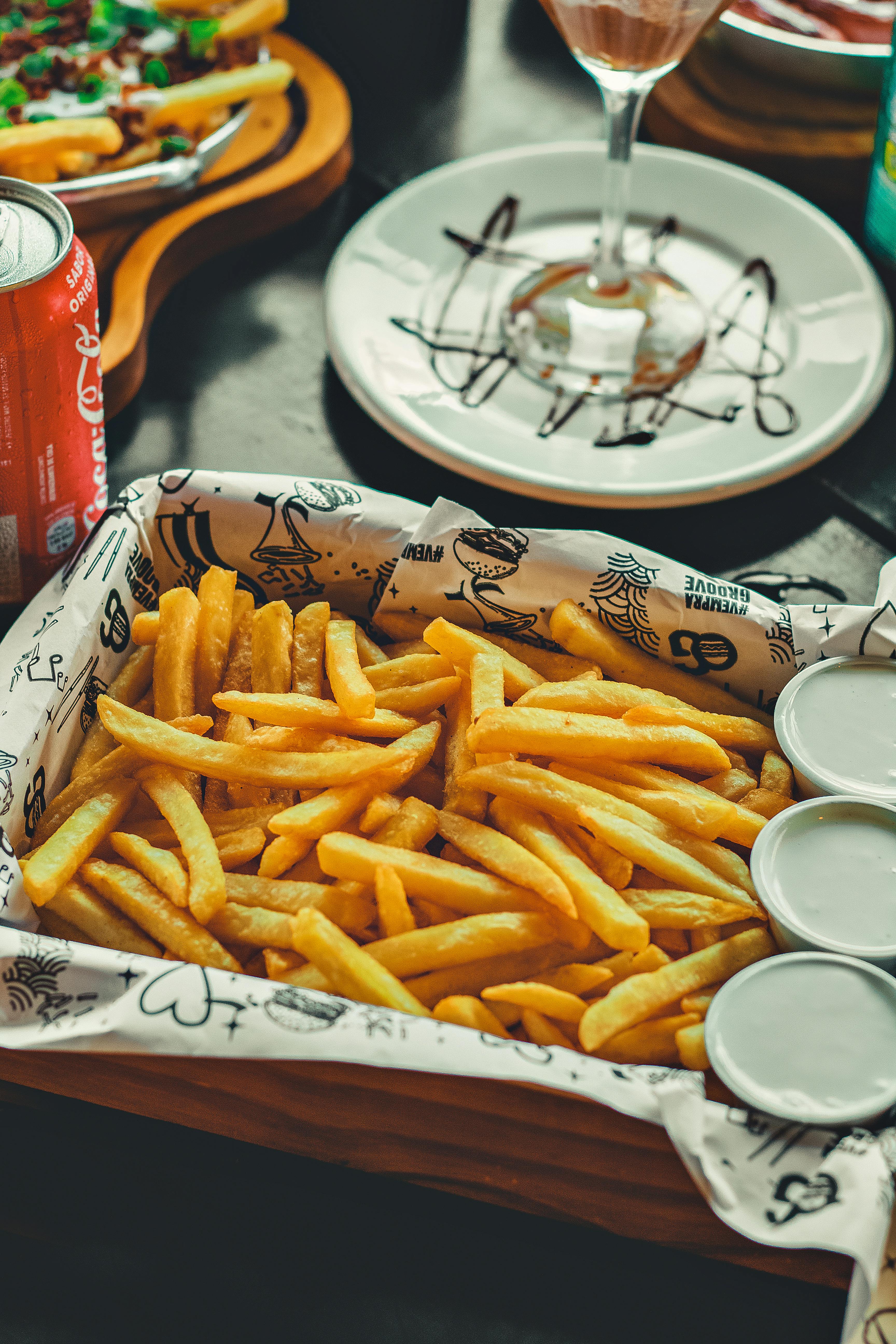
Crispy fried food has a way of sounding good until the first few bites land heavily. In hot weather, meals like fried chicken, french fries, and onion rings can feel especially draining because they are high in fat and slower to digest. Your body produces heat as it digests food, and richer meals can raise that internal workload. Fried foods may also leave you bloated or sluggish, which is the last thing most people want during a heat wave. Choosing something lighter can help you feel more comfortable and less weighed down.
Spicy Dishes
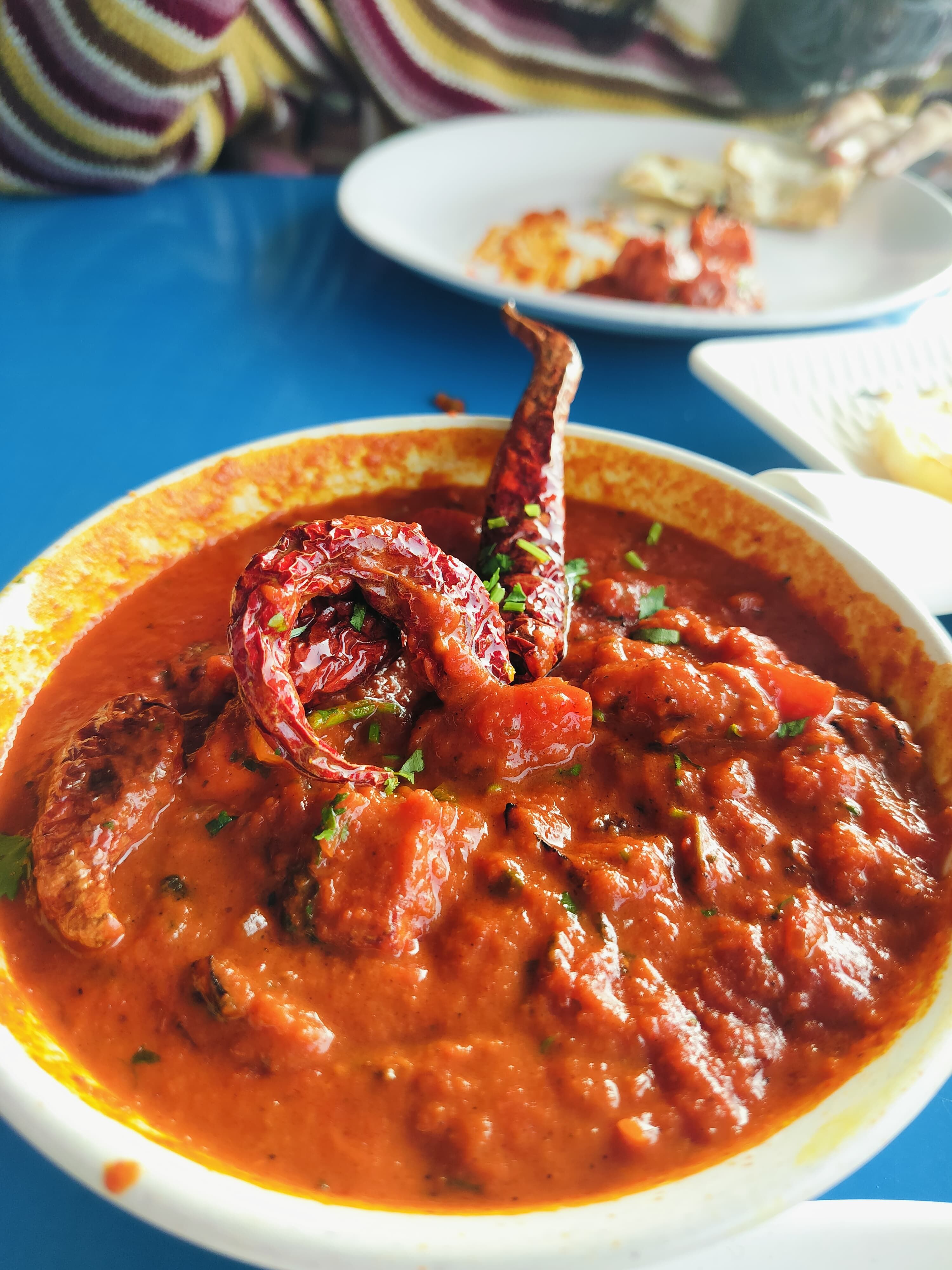
A fiery meal can make the room feel hotter even when the thermostat has not moved. Spicy foods trigger sweating because compounds like capsaicin stimulate heat receptors, which may be manageable on a mild day but less appealing in oppressive heat. Some people argue that sweating helps cool the body, and that can be true when sweat evaporates well. But during humid or extreme conditions, extra sweating can simply feel uncomfortable and increase fluid loss. If you are already struggling to stay cool, heavily spiced dishes may push you past comfortable.
Red Meat

A thick steak can be satisfying, but it asks a lot from your digestive system. Red meat is dense and protein-rich, which means your body may expend more energy breaking it down compared with lighter summer-friendly foods. That process creates what nutrition experts call diet-induced thermogenesis, or heat produced during digestion. In a heat wave, that added internal warmth is not always welcome. Heavy portions can also leave you feeling sluggish, especially if you are eating outdoors or in a home that is already running warm.
Sugary Desserts

Ice cream, pastries, and frosted treats may look like summer comfort, but very sweet foods can leave you feeling less balanced than refreshed. Large sugar loads can cause quick spikes and dips in energy, which may make hot afternoons feel even more tiring. Many desserts also combine sugar with fat, creating a rich, heavy effect that sits poorly in intense heat. Some frozen treats are surprisingly low in actual hydration despite feeling cold at first bite. If you want relief, foods with water, fruit, and a lighter texture usually do more for your body.
Caffeinated Energy Drinks
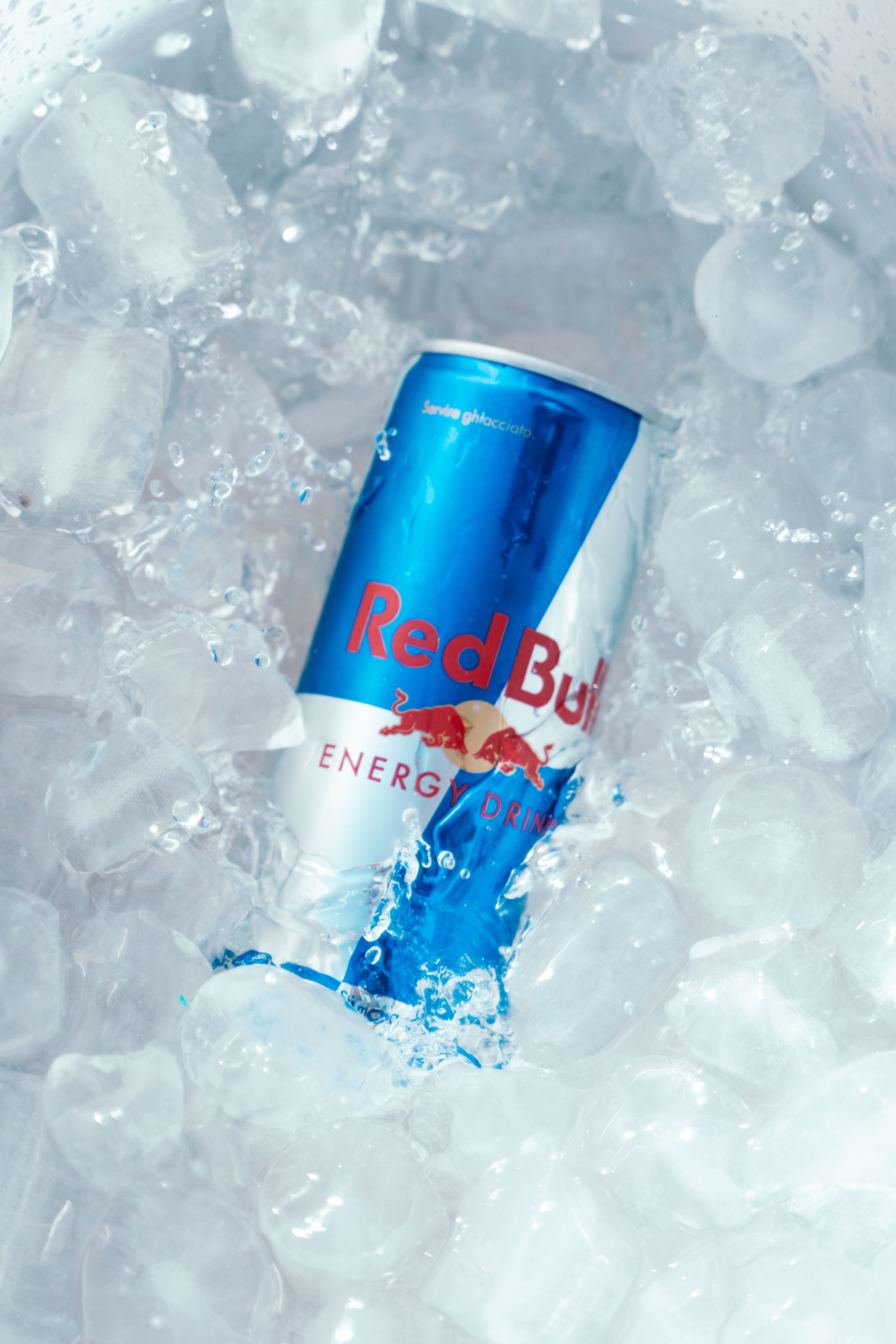
That can of energy drink may promise a boost, but hot weather changes the equation. Many energy drinks combine caffeine with high sugar levels, a pairing that can leave you jittery, thirsty, and less steady when your body is already dealing with heat stress. Caffeine does not automatically dehydrate everyone, but in large amounts it can act as a mild diuretic for some people and may worsen feelings like a racing heart. During a heat wave, that is not a sensation most people need. Water and electrolyte-rich options are generally a safer bet.
Alcohol
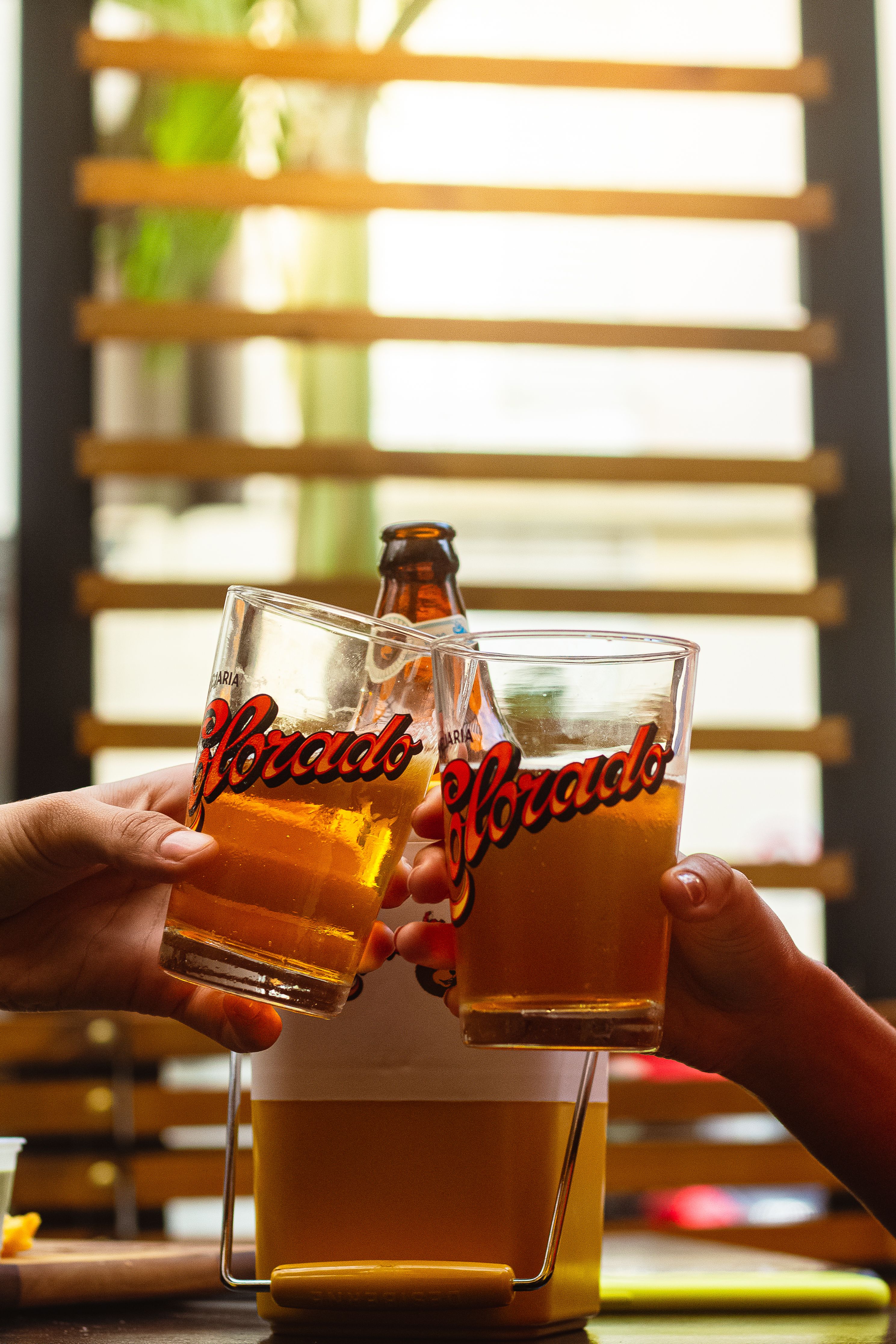
Cold beer, wine spritzers, and cocktails are common warm-weather habits, but alcohol can make heat harder on the body. It promotes fluid loss, can dull your awareness of early dehydration, and may interfere with how well you notice warning signs like dizziness or fatigue. Alcohol can also widen blood vessels, which may contribute to feeling flushed or overheated. If you are spending time outside, near water, or in direct sun, the risks climb quickly. In a heat wave, drinking alcohol often feels easy in the moment and rougher later.
Very Hot Soups
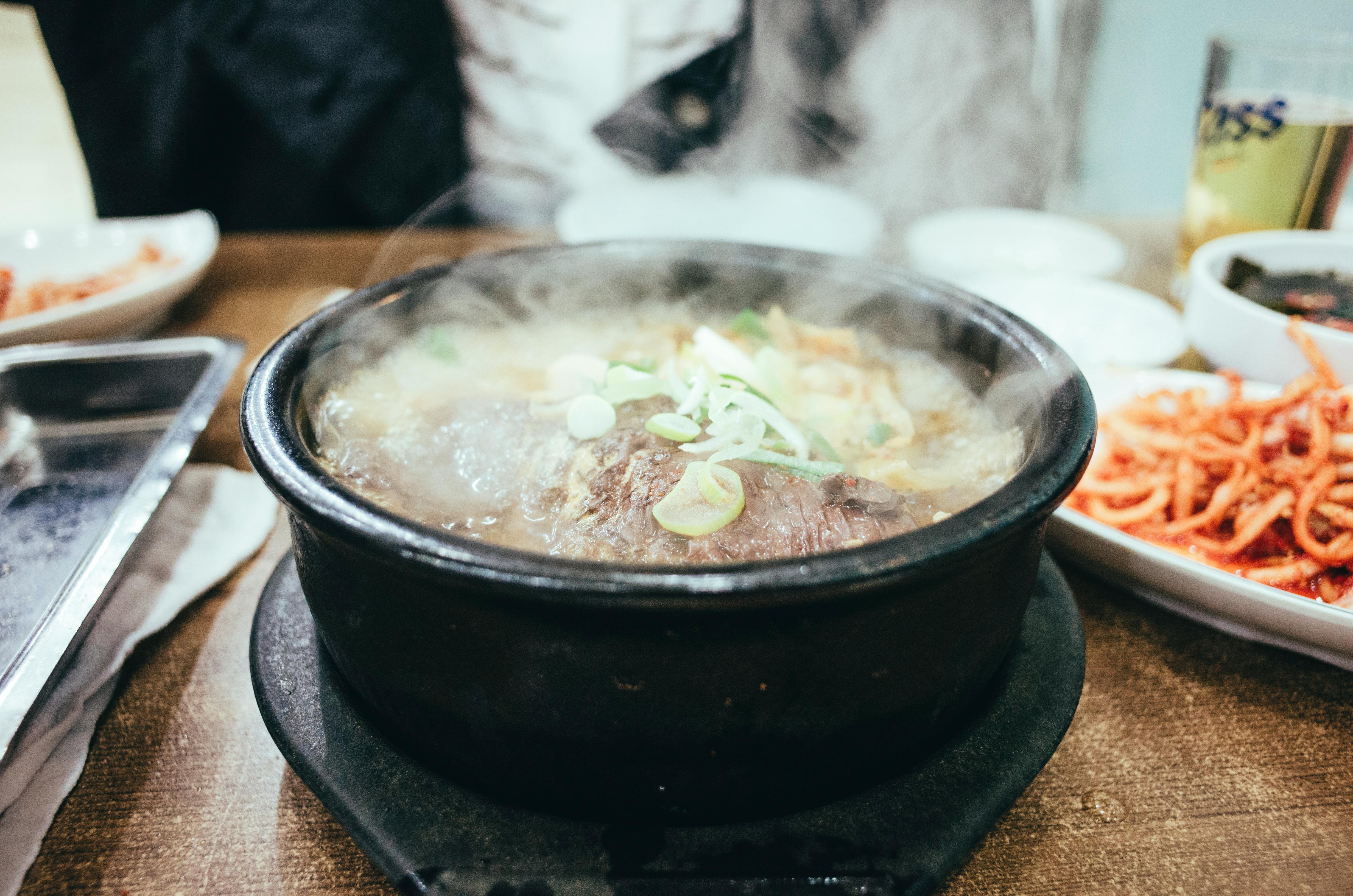
A steaming bowl of soup can be comforting, but it is rarely what the body craves when the air feels heavy and hot. Very hot foods raise your immediate sensation of warmth, and the temperature of the meal itself can add to your overall discomfort. Soup is not always a bad choice, especially if it is light, hydrating, or served cool. The problem is a piping hot, salty bowl on a day when you are already sweating and trying to cool down. In those moments, chilled or room-temperature meals tend to feel far more practical.
Fast Food Burgers
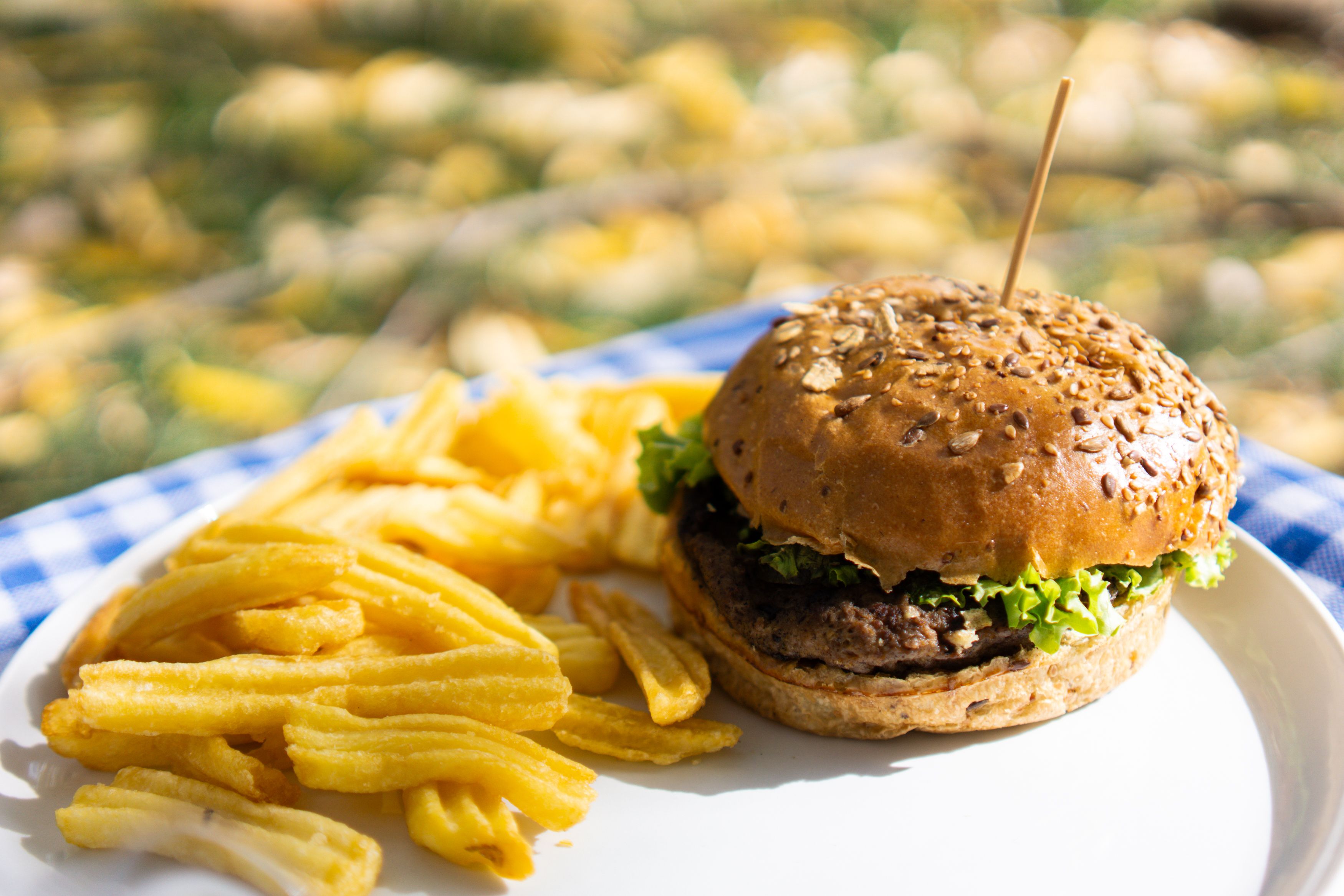
A drive-thru burger is convenient, but convenience is not the same as comfort in extreme heat. Fast food burgers are often high in saturated fat, sodium, and refined carbs, a mix that can leave you bloated, thirsty, and unusually sluggish. Because these meals are typically large and rich, they demand more digestion and can increase that heavy, overheated feeling. Add salty fries and soda, and the meal becomes even less friendly to hydration. During a heat wave, fast food may satisfy a craving while making the rest of the afternoon harder.
Sugary Sodas
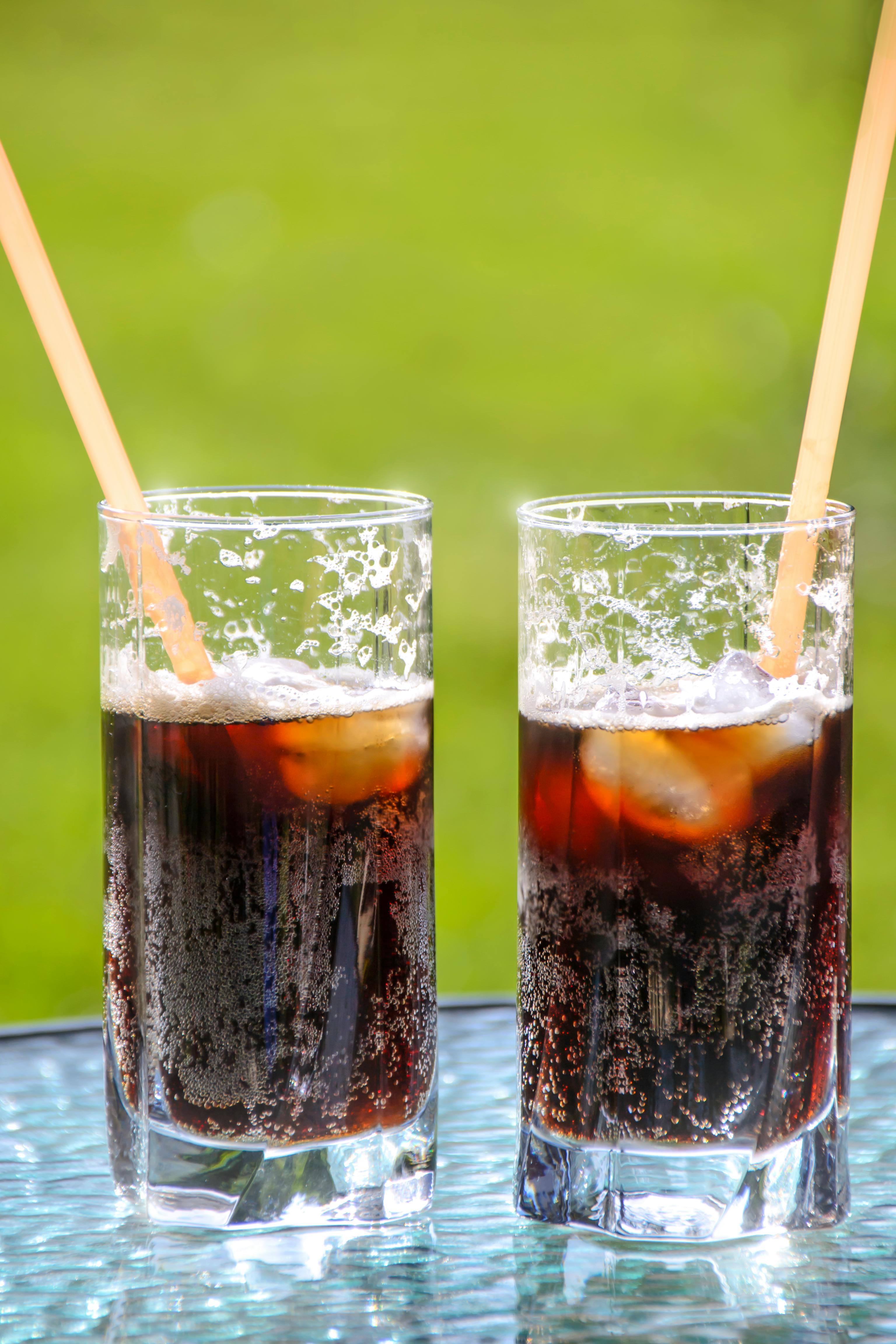
An icy soda can feel refreshing for a few minutes, but the relief does not last long. Sugary soft drinks add a lot of sugar without helping the body rehydrate effectively, and they can leave your mouth feeling sticky and your thirst oddly unsatisfied. Some sodas also contain caffeine, which may compound the issue for sensitive drinkers. Because these drinks crowd out better hydration choices, they can become a quiet problem during a heat wave. When temperatures are high, beverages that replace fluids without excess sugar tend to serve you much better.




Leave a Reply