
Getting stuck in a food rut is common, especially when busy days push the same groceries and recipes back onto the table. The good news is that a few modest shifts can add variety, improve balance, and make everyday eating feel easier to stick with.
Add one fruit or vegetable to meals you already make

The simplest change is often the one that lasts. Instead of rebuilding your diet from scratch, add a fruit or vegetable to meals already in rotation, like spinach in eggs, sliced berries with breakfast, or extra tomatoes on a sandwich.
This works because it lowers the effort barrier. The USDA recommends making fruits and vegetables part of every meal, and adding just one produce item at a time can move a familiar meal closer to that goal without making it feel unfamiliar.
It also helps with variety across the week. Different colors usually mean different nutrients, so rotating options like carrots, broccoli, peppers, oranges, and leafy greens can broaden what you get from food while keeping shopping practical.
Swap refined grains for whole grains a few times a week

A small grain swap can quietly improve the nutritional quality of meals you already enjoy. Brown rice instead of white rice, whole wheat bread instead of white bread, or oatmeal instead of a sugary pastry are easy examples.
The Dietary Guidelines for Americans recommend making at least half of grains whole grains. Whole grains contain the bran, germ, and endosperm, which means they generally provide more fiber and naturally occurring nutrients than refined grains.
You do not have to change every grain at once. A better approach is to pick the swaps that fit your routine, like whole grain pasta in a weeknight dinner or popcorn instead of chips for a snack, then repeat the ones you actually like.
Use beans more often, even in meat-based meals

Beans are one of the easiest foods to add when meals need more staying power. Black beans in tacos, chickpeas in salads, lentils in soup, or white beans mixed into pasta can stretch a meal without much extra cost or effort.
The USDA counts beans, peas, and lentils as part of both the vegetable group and the protein foods group. That flexibility makes them useful for people trying to add more fiber, vary protein sources, or simply make meals more filling.
They also blend well with foods many households already cook. Adding a small amount first, like lentils in ground meat or beans in a grain bowl, can help the change feel natural instead of dramatic.
Choose water more often than sugary drinks

Many eating routines improve when drinks change first. Replacing some soda, sweet tea, sports drinks, or flavored coffee beverages with water can reduce added sugar intake without requiring a complete meal overhaul.
The Centers for Disease Control and Prevention notes that sugary drinks are a leading source of added sugars in the American diet. Water, plain sparkling water, or water flavored with fruit slices can offer a practical replacement, especially during meals and afternoon slumps.
This does not have to be all or nothing. Keeping a water bottle nearby, ordering water with lunch, or making one daily drink swap can be more realistic than trying to cut every sweet drink at once.
Build snacks around protein and fiber

A snack works better when it does more than fill a gap for twenty minutes. Pairing protein with fiber, like apple slices with peanut butter, yogurt with berries, or hummus with vegetables, usually makes snacks more satisfying than refined snack foods alone.
Protein helps support fullness, and fiber slows digestion. That combination can make it easier to avoid the cycle of grazing, crashing, and grabbing whatever is closest later in the day.
This shift is especially useful for people who get overly hungry between meals. Keeping a few balanced options on hand, such as nuts, cottage cheese, roasted chickpeas, or whole grain crackers with cheese, can make better choices easier when time is short.
Rethink sauces, dressings, and seasonings

Sometimes the problem is not the meal itself but the way it tastes night after night. Changing the sauce, dressing, or seasoning can make familiar ingredients feel different without requiring a new recipe or a long grocery list.
A plain chicken and rice bowl can head in several directions with salsa, pesto, lemon and herbs, peanut sauce, or a yogurt based dressing. Roasted vegetables can also shift quickly with garlic, curry powder, chili flakes, or balsamic vinegar.
This kind of change matters because variety helps people stay engaged with healthy routines. Flavor is not a bonus, it is often the reason a practical habit survives beyond the first week.
Keep convenient nutritious foods in plain sight
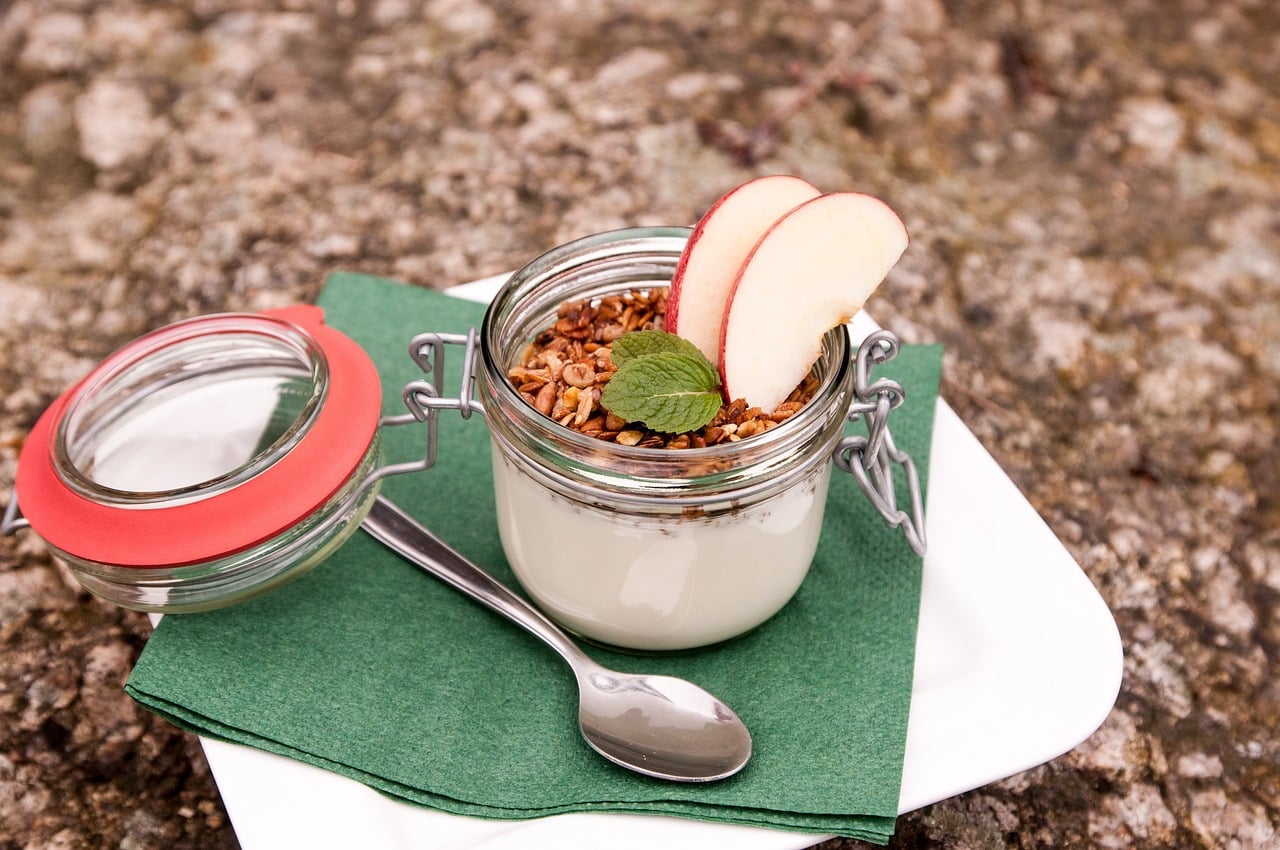
Good intentions often lose to convenience. If the easiest option is a pastry, a bag of candy, or takeout menus on the counter, those choices tend to win, especially on rushed mornings and tired evenings.
A smarter setup can help. Put washed grapes, cut vegetables, yogurt, hard-boiled eggs, or a container of cooked grain where you can see them first in the refrigerator, and place less useful defaults farther out of reach.
Behavior researchers have long noted that people respond to what is visible and easy. In everyday life, that means your kitchen layout can quietly shape your food choices before willpower even enters the picture.
Try one new protein source each week

Food ruts often come from repeating the same center-of-the-plate item. Rotating proteins, like fish, eggs, tofu, beans, lentils, chicken, or Greek yogurt, can refresh meals while also broadening the mix of nutrients in your routine.
The Dietary Guidelines encourage variety across protein foods. Seafood, for example, brings different nutritional benefits than red meat, while plant proteins can add fiber that animal proteins do not provide.
The key is to make the change manageable. One new protein a week is enough to create movement, especially if you use it in a familiar format like tacos, stir-fries, salads, soups, or grain bowls.
Plan one repeatable meal upgrade, not a total reset

The most durable food changes are usually specific and realistic. Instead of promising to eat perfectly, choose one repeatable upgrade, like adding a vegetable to lunch, cooking oatmeal twice a week, or swapping one takeout meal for a grain bowl at home.
This works because habits form through repetition in stable situations. A small action tied to an existing routine is easier to remember and easier to keep than a dramatic set of rules.
In the long run, consistency matters more than intensity. When a food change is simple enough to survive a busy week, it has a much better chance of becoming part of how you actually eat.



Leave a Reply