
Some premium cuts really are excellent, but high price does not always mean the best bite. Chefs often point out that several expensive cuts are prized for tenderness, rarity, or restaurant prestige, even though less costly alternatives can offer deeper flavor and better value at home.
Filet mignon

Tenderness is the whole selling point here. Filet mignon comes from the tenderloin, a muscle that does very little work, so it stays soft and lean. That texture is luxurious, but many chefs say the tradeoff is flavor, because fat and connective tissue are where much of beef's richness comes from.
For home cooks, that can make filet mignon a costly splurge that still needs help from bacon, butter, or a pan sauce. A well-cooked sirloin, flat iron, or hanger steak can taste beefier for less money. If you care more about flavor than fork-soft texture, filet is often the easiest expensive steak to skip.
Ribeye cap
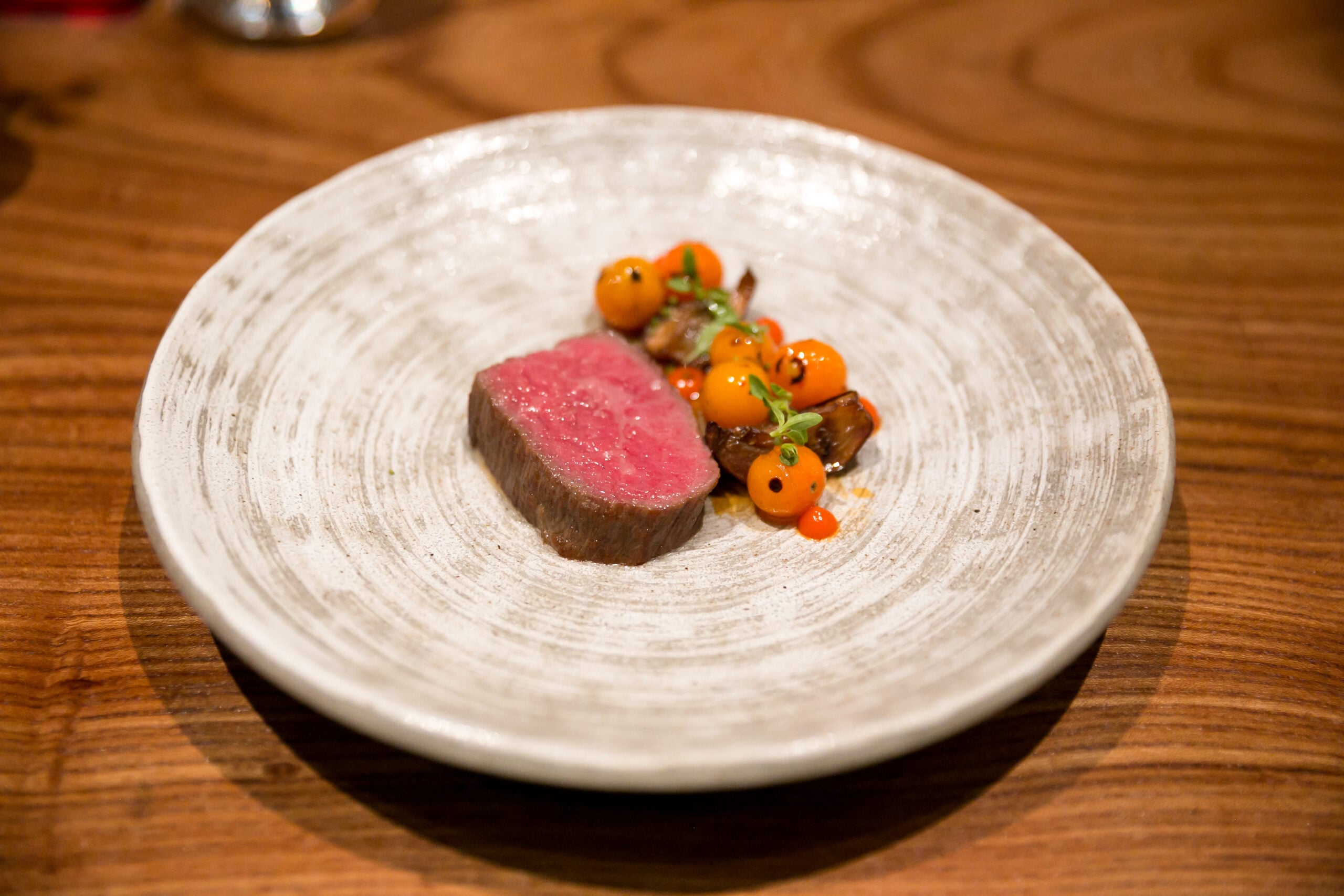
This cut has developed a serious reputation among steak fans. The ribeye cap, also called spinalis dorsi, is the highly marbled outer edge of the ribeye, and butchers know buyers will pay extra for it because it is rich, tender, and relatively scarce.
That scarcity is exactly why some chefs say to pass. A whole ribeye already gives you a mix of textures and plenty of marbling, often at a better per-pound value than buying the cap separated out. In practical terms, you pay a premium for a narrow strip of the same primal section when a standard ribeye can deliver a very similar steakhouse experience.
Wagyu strip steak
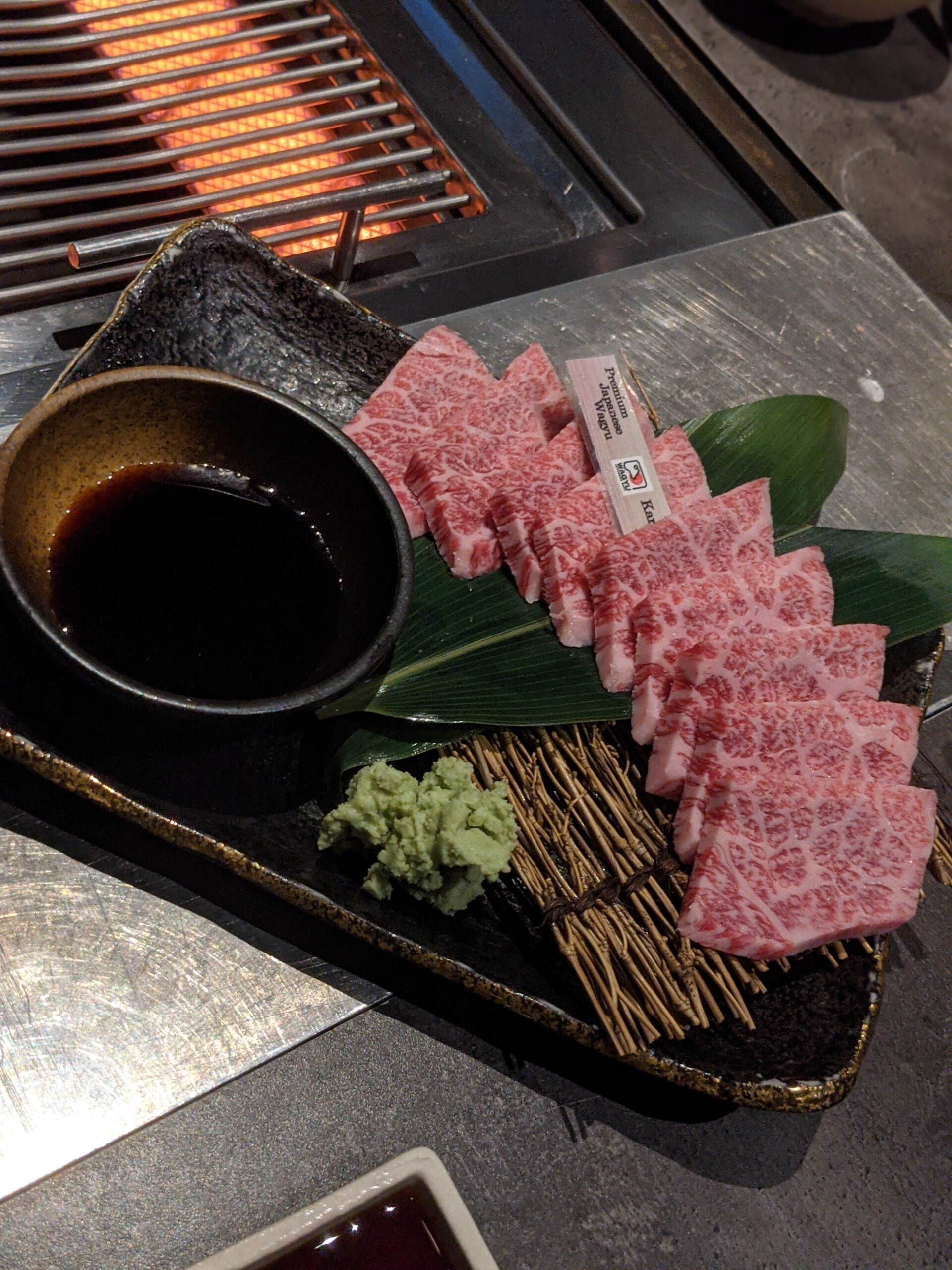
Wagyu has become shorthand for luxury beef, but the label can outpace the actual eating experience. Japanese Wagyu is known for intense marbling, and American Wagyu often blends that richness with a more familiar beefy profile, yet many chefs note that not every Wagyu strip justifies its premium.
A strip steak is naturally firmer and less fatty than cuts like ribeye, so some buyers end up paying for the Wagyu name more than a dramatic improvement in the cut itself. For many home diners, a high-quality Prime strip or a well-sourced dry-aged strip can feel more balanced, more beef-forward, and far more sensible for the price.
Porterhouse
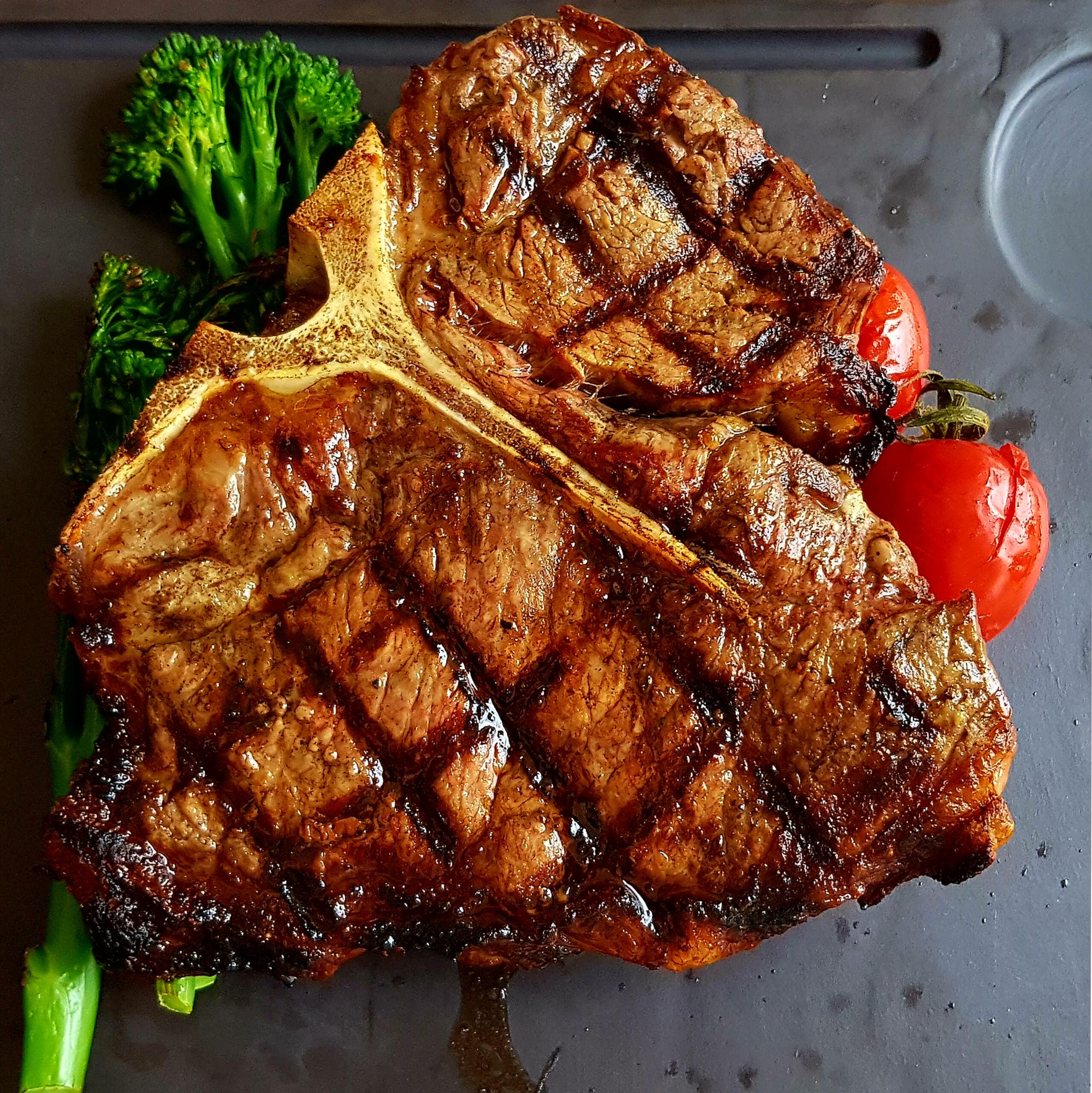
The porterhouse is impressive before it is practical. It combines a strip steak on one side of the bone and a larger portion of tenderloin on the other, which makes it look generous and celebratory, especially in a steakhouse setting.
Chefs often point out that this format can be harder to cook evenly because the two muscles behave differently over heat. The strip side benefits from one approach, while the tenderloin side can overcook fast. You also pay for bone weight in the total price. If your goal is the best result at home, separate strip and tenderloin steaks usually offer more control and less waste.
Frenched rack of lamb
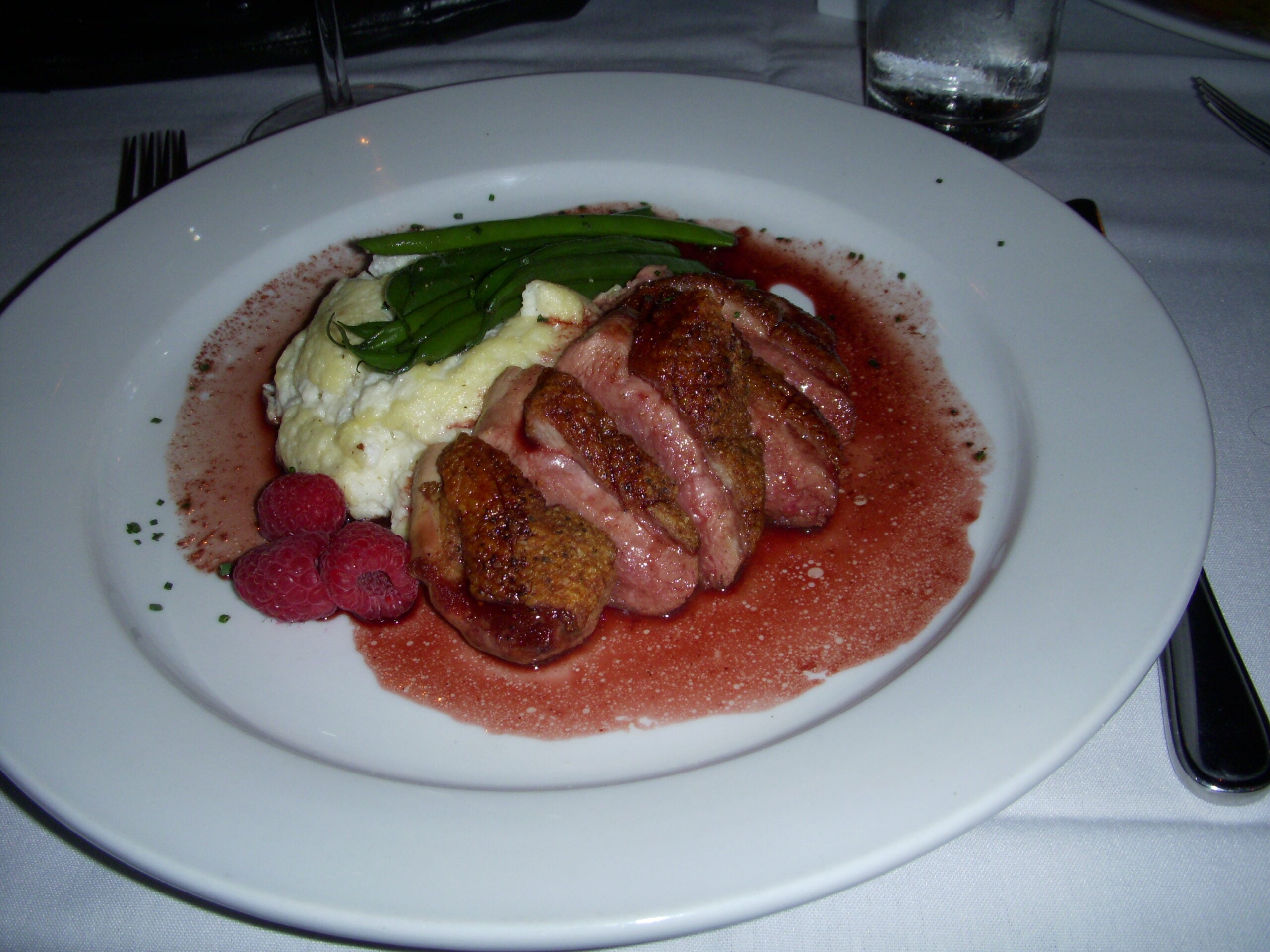
A Frenched rack of lamb looks refined because the rib bones are cleaned for presentation. That visual polish is part of what raises the cost, and chefs know diners often pay for the appearance as much as the meat itself.
The flavor of lamb is still there, but less flashy cuts can be just as satisfying. Lamb shoulder and lamb leg often provide more meat for the money and can develop excellent texture when roasted or braised properly. If the meal is about taste rather than a white-tablecloth look, the rack can be one of the easiest luxury purchases to leave at the butcher case.
Beef tenderloin roast
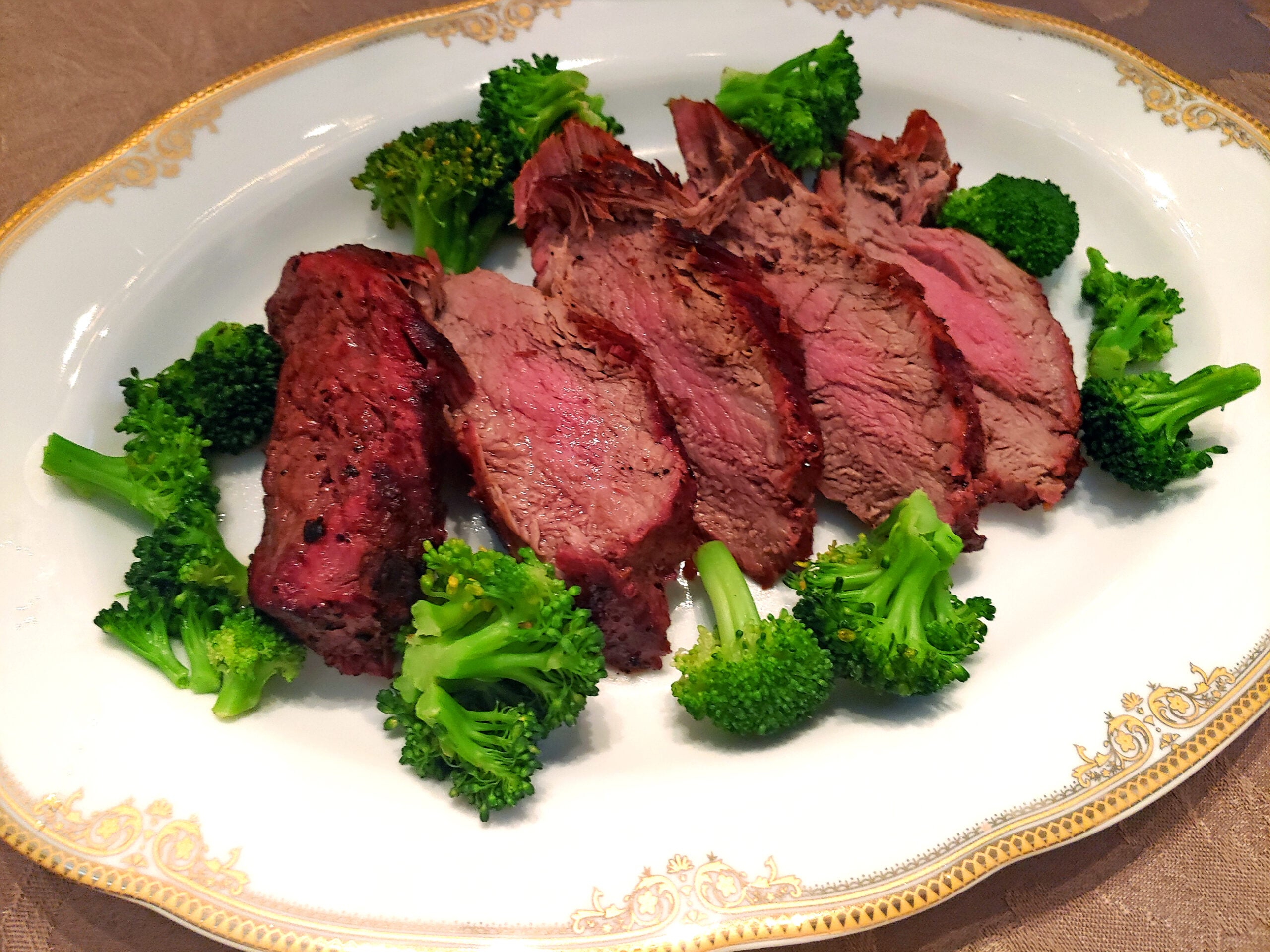
This roast wins people over with softness, not depth. A whole beef tenderloin, often sold for holidays and special dinners, is famously mild and tender because it comes from that same underused muscle as filet mignon.
Chefs frequently prefer cuts with more marbling for a crowd because roasting can exaggerate tenderloin's leanness. That is why beef rib roast or even a carefully cooked top sirloin roast can come across as more flavorful. Tenderloin often depends on crusts, sauces, and side dishes to feel complete, which makes its premium harder to defend if the roast itself is supposed to be the star.
Veal chops
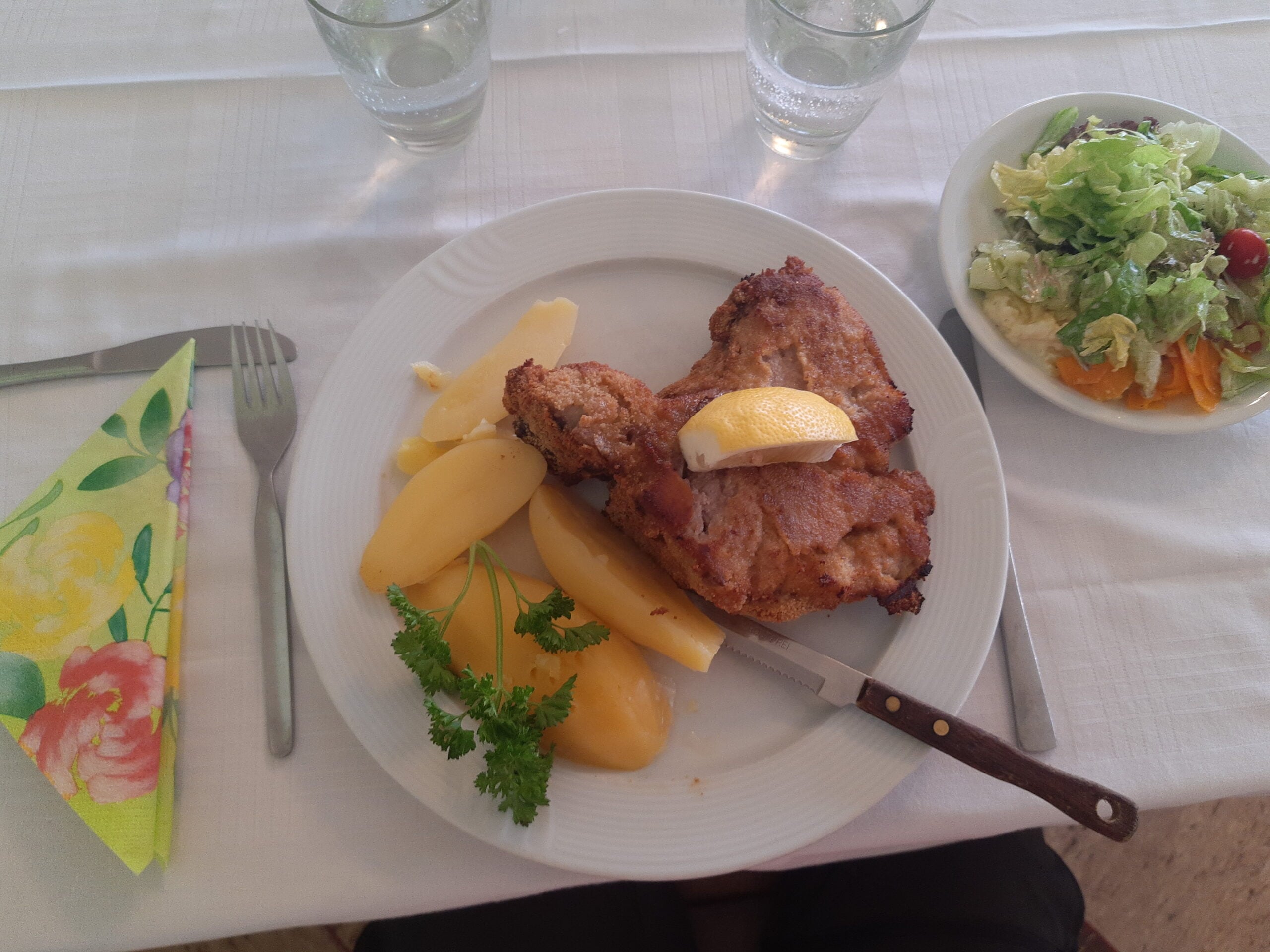
Veal carries a premium partly because of its delicate flavor and restaurant associations. Veal chops, especially rib chops, can look elegant on a menu, but chefs often describe them as subtle to the point of being underwhelming for the price.
That mildness means the dish usually relies heavily on technique, sauce, or accompaniments. Pork chops, by contrast, can deliver more pronounced flavor and excellent texture at a much lower cost, especially when they are thick-cut and cooked carefully. If you are spending for impact, veal chops may not give the biggest return unless you specifically want their gentler taste.
Boneless skinless chicken breast

This is the outlier on the list because it is common, not luxurious, but it is still often priced above more flavorful chicken cuts. Many chefs have long argued that boneless skinless breast costs extra for convenience while sacrificing fat, moisture, and resilience during cooking.
Chicken thighs are the usual chef-approved alternative because they stay juicy more easily and bring richer flavor. Bone-in, skin-on pieces can also cost less while producing better browning and more pan drippings. If value includes both taste and margin for error, the premium on breast meat can be surprisingly hard to justify.


Leave a Reply