
Starbucks has quietly shuttered at least 37 Canadian cafés, and the list is more revealing than it first looks. The closures span big downtown cores and smaller communities, and they include both legacy stores and locations that had barely gotten started.
A national pullback came into focus
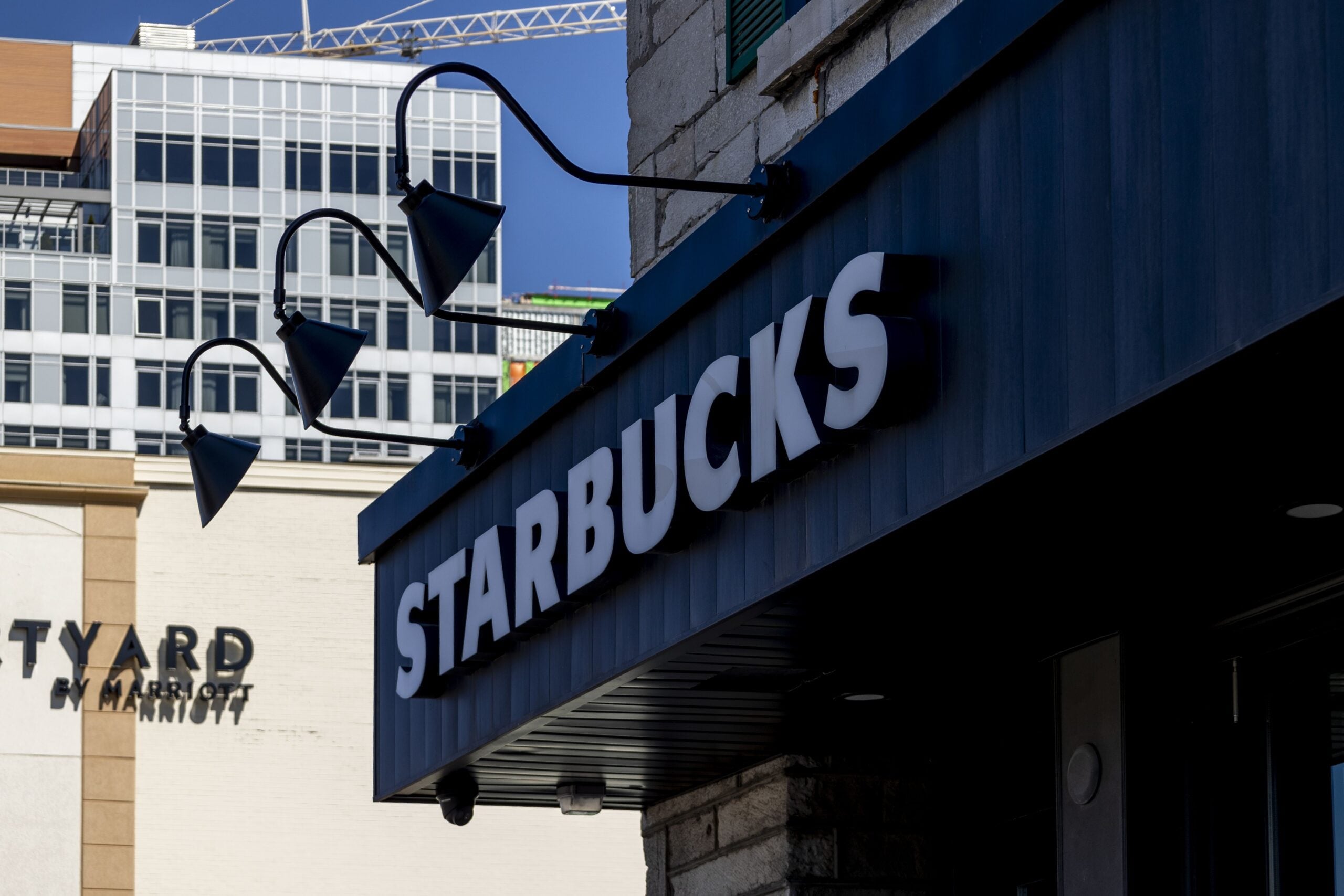
The broadest explanation came from Starbucks itself. In a Sept. 24 filing with the U.S. Securities and Exchange Commission, the company told investors it planned to close roughly 250 North American stores, about 1% of its footprint. Starbucks said the targeted cafés were not delivering the coffeehouse experience and financial performance it expects.
That helps explain the scale, but not the local shock. The company has more than 18,000 coffeehouses in the U.S. and Canada, so a 1% reduction may sound limited from a corporate perspective. On the ground, though, every closure is highly visible, especially when a regular stop for commuters, students or neighborhood residents suddenly goes dark.
Starbucks has not published a full Canadian list, which left outside observers to piece together what happened. Retail publication 6ix Retail assembled a working count by tracking Starbucks store locator listings that showed regular hours through Sept. 26 and then showed "Closed" for every day after. It then confirmed the downtown Toronto closures in person.
That is why the total is best understood as a minimum, not a final official tally. Based on that reporting, the closures include 12 in Ontario, 10 in Quebec, 10 in British Columbia, four in Alberta and one in New Brunswick. The affected places stretch from Toronto, Ottawa and Montreal to Merritt, British Columbia, and Miramichi, New Brunswick.
What makes this notable is not just the number. It is the range. These were not all weak, forgotten outposts on the edge of the map. Some were in dense business districts, some served established neighborhoods and some had opened recently enough that many customers likely assumed they were still in growth mode.
Some of the closures were especially surprising
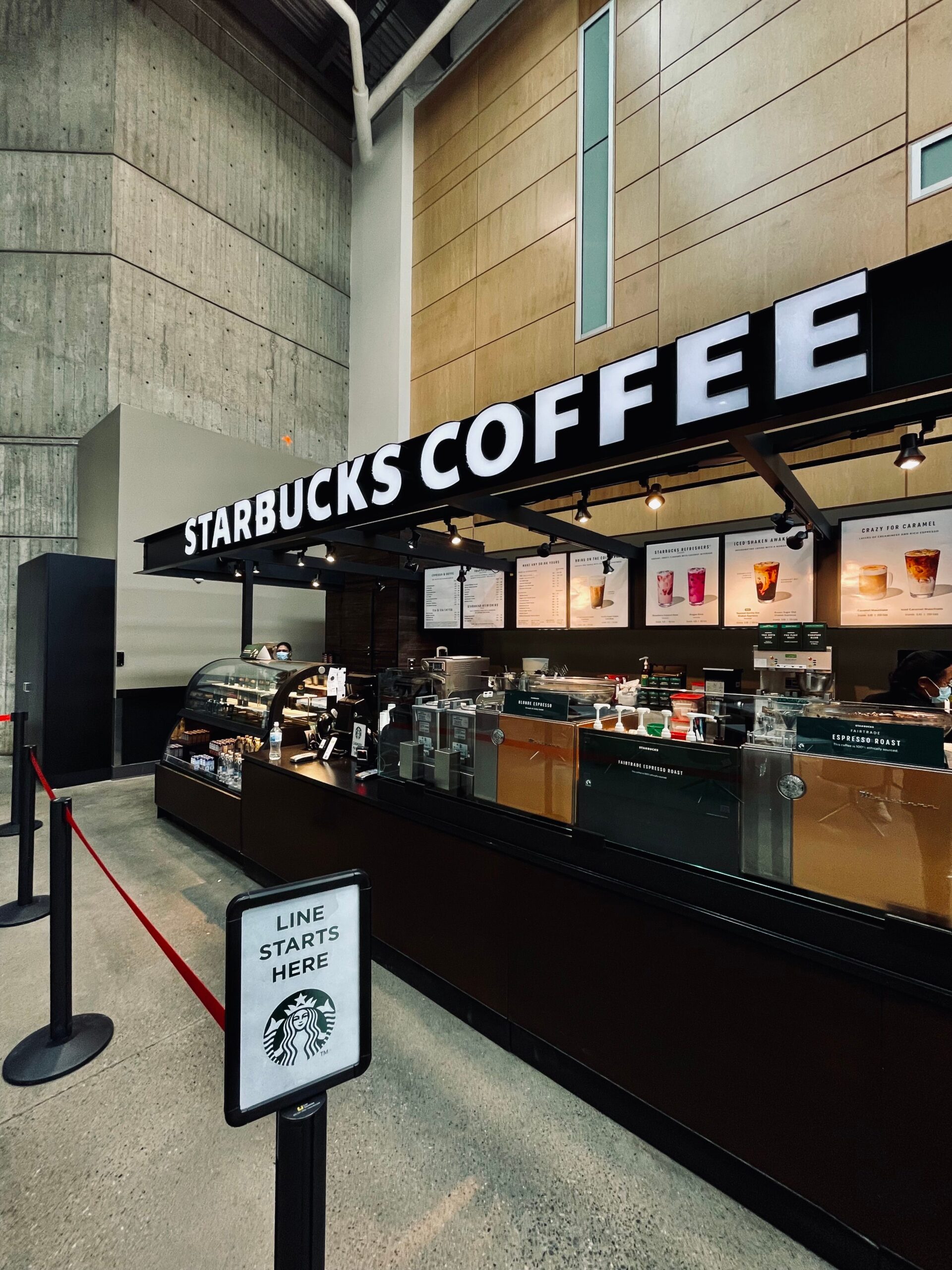
A few of the affected stores stand out because they do not fit the usual picture people have in mind when a chain closes locations. One example is the Starbucks at 485 Church St. in Toronto's Church-Wellesley Village. Since at least 1999, that store had served as a daytime gathering spot before it poured its last drinks on Saturday, Sept. 26.
That kind of location carries more than sales value. A store that has been around for decades becomes part of a neighborhood routine. People use it as a meeting point, a break during errands, or a dependable place to sit with a coffee and a laptop. When it closes, the loss feels bigger than a change in retail inventory.
Then there are the opposite cases, stores that were practically new. The location at 350 Bay St. in Toronto's Financial District had been open for only 15 months. Another King West café had opened in November 2025 and was still hiring baristas in August. For customers and workers, those details make the closures feel abrupt rather than gradual.
Vancouver saw a notable downtown closure too, at 885 Dunsmuir St. That matters because it shows this was not only a Toronto story, even if Toronto drew much of the attention. The pattern reached across major urban cores where Starbucks would normally seem deeply entrenched.
These examples are why the closures prompted so much head scratching. A company can always say some stores are underperforming, but the public tends to imagine that means tired sites with fading traffic. Here, the list included a decades-old community fixture, a downtown business district location and cafés so new they still felt like part of a recent expansion.
What Starbucks means by "underperforming"

The key word in Starbucks' explanation is "underperforming," but it does not simply mean empty. In its filing, the company said the stores chosen for closure do not deliver the coffeehouse experience and financial performance it expects. That means Starbucks is judging locations on at least two fronts, how they feel to customers and how they perform financially.
That standard can produce outcomes that seem counterintuitive from the sidewalk. A store may look busy during morning rushes yet still fall short on the mix of sales, traffic patterns, staffing efficiency or customer experience the company wants. A downtown site might also be exposed to sharper swings in office attendance, commuter habits or rent pressures than a casual visitor can see.
Chief operating officer Mike Grams offered a similar message in a letter to employees. He wrote that while most locations are benefiting from the company's turnaround, "some coffeehouses continue to underperform." The wording suggests Starbucks sees these closures as part of a broader effort to improve its existing network rather than a sign that the whole business is retreating.
That still leaves room for frustration, because "underperforming" is a corporate category, not a neighborhood one. A shop can feel well used and socially important while still missing internal targets. It can also be new enough that customers assume it needs more time, while the company may be deciding much sooner whether a location fits its long-term model.
In other words, the mystery is partly a matter of perspective. Customers judge a café by what they see: lines, familiar staff and occupied tables. Starbucks judges it by a narrower and more demanding scorecard tied to experience and returns. Those are not always the same thing, and this round of closures makes that gap unusually visible.
Toronto shows how deep the retrenchment has been

Toronto is the clearest case study in how much Starbucks has already been shrinking parts of its Canadian map. According to the reporting cited in the Yahoo Finance Canada story, Toronto alone has lost 46 Starbucks locations since 2021. That figure gives the latest closures more context. They are not an isolated move, but part of a longer reset.
The city is a logical place to watch because it combines dense office districts, residential neighborhoods, universities and tourist traffic. If Starbucks is still reducing locations there, it suggests the company is willing to trim even in markets where brand awareness and customer demand should be strongest. The issue is not simply national weakness. It is store-by-store selectivity.
Downtown closures also matter symbolically. A Starbucks in the Financial District or along a busy King West corridor represents more than coffee sales. It signals confidence in commuter flow, lunchtime demand and the broader daily rhythm of urban work life. Closing such stores can reflect changing patterns in how people move through city centers and where they choose to spend.
At the same time, the Toronto examples show that a strong neighborhood identity does not guarantee survival. Church-Wellesley Village is a bustling area with a clear local community, yet its longtime Starbucks still closed. That underscores the company's point that it is not making decisions based only on visibility or sentiment.
For readers trying to make sense of the pattern, Toronto offers the clearest answer. Starbucks appears to be concentrating less on having a store everywhere and more on insisting that each site meet a specific performance standard. In practical terms, that means overlap, rent, staffing and experience may matter more than a location's age or how familiar it feels to regulars.
What the closures mean for workers

For employees, a closure is not an abstract portfolio adjustment. It is a sudden change in schedule, commute, income and workplace stability. The Yahoo Finance Canada report frames this directly by asking what workers are owed when a Starbucks store shuts down, which is often the first practical concern after the surprise wears off.
The source material does not spell out a single national package for affected staff, and that is important. Worker rights in these situations can depend on employment terms and the province involved. What the article makes clear is that people at these stores, especially those at recently opened locations, may have had little warning that their workplace was vulnerable.
That sense of whiplash is easy to understand at the newer cafés. A store that opened in November 2025 and was still hiring in August does not look like a candidate for imminent closure to the people making drinks there every day. A worker might reasonably read active hiring as a sign of stability, not a prelude to a shutdown.
Longtime stores create a different kind of disruption. At a legacy location, employees may have built relationships with regulars and settled into a reliable routine over years. Closing that kind of café can scatter staff and erase a workplace culture that took a long time to develop. The social cost is harder to quantify, but it is very real.
For workers, then, the real story is uncertainty. Starbucks has described a strategic cleanup of underperforming stores, but the people inside those stores experience it as a personal turning point. Even when a closure is presented as part of a larger turnaround, the immediate questions are intensely local: what happens to my hours, where do I work next, and how quickly does that happen.
For customers, the loss is about more than coffee

For many customers, a Starbucks closure is less about brand loyalty than the disappearance of a familiar public space. A café can function as a waypoint between home and work, a casual office, a warm place to wait, or a dependable meeting spot. That is why the closure of a place like 485 Church St. resonates beyond the coffee itself.
The range of cities on the reported closure list also matters. Toronto, Ottawa and Montreal are obvious places to notice a major chain pulling back, but Merritt and Miramichi show that smaller communities can feel the impact too. In those places, the loss of a national café may narrow everyday options for gathering, working remotely or stopping during travel.
Still, the bigger takeaway is about how large chains now think about presence. Starbucks is signaling that being visible in a market is not enough. Each café has to justify itself according to the company's current expectations for experience and financial results. If a site misses that mark, even a busy-looking or recently opened store may not be safe.
That makes this closure wave a useful snapshot of retail in 2026. Consumers often assume that a famous brand with constant foot traffic is inherently stable. In reality, chains are continually reassessing location networks, especially in city centers where patterns can shift quickly. A café that feels permanent from the customer side may be provisional from headquarters' side.
In the end, the 37 Canadian closures stand out because they break the usual script. They include old stores, new stores, downtown stores and neighborhood stores. Starbucks says the reason is underperformance, but the deeper lesson is that modern retail decisions are often driven by metrics the public never sees, until the lights go out and the doors stay locked.




Leave a Reply