
A phone on the table can seem harmless, especially if you are waiting for a text or just set it down without thinking. But when I asked six restaurant pros, including servers, hosts, and managers, they all landed in the same place: it reads as rude, even when no one means it that way.
It changes the tone the moment you sit down
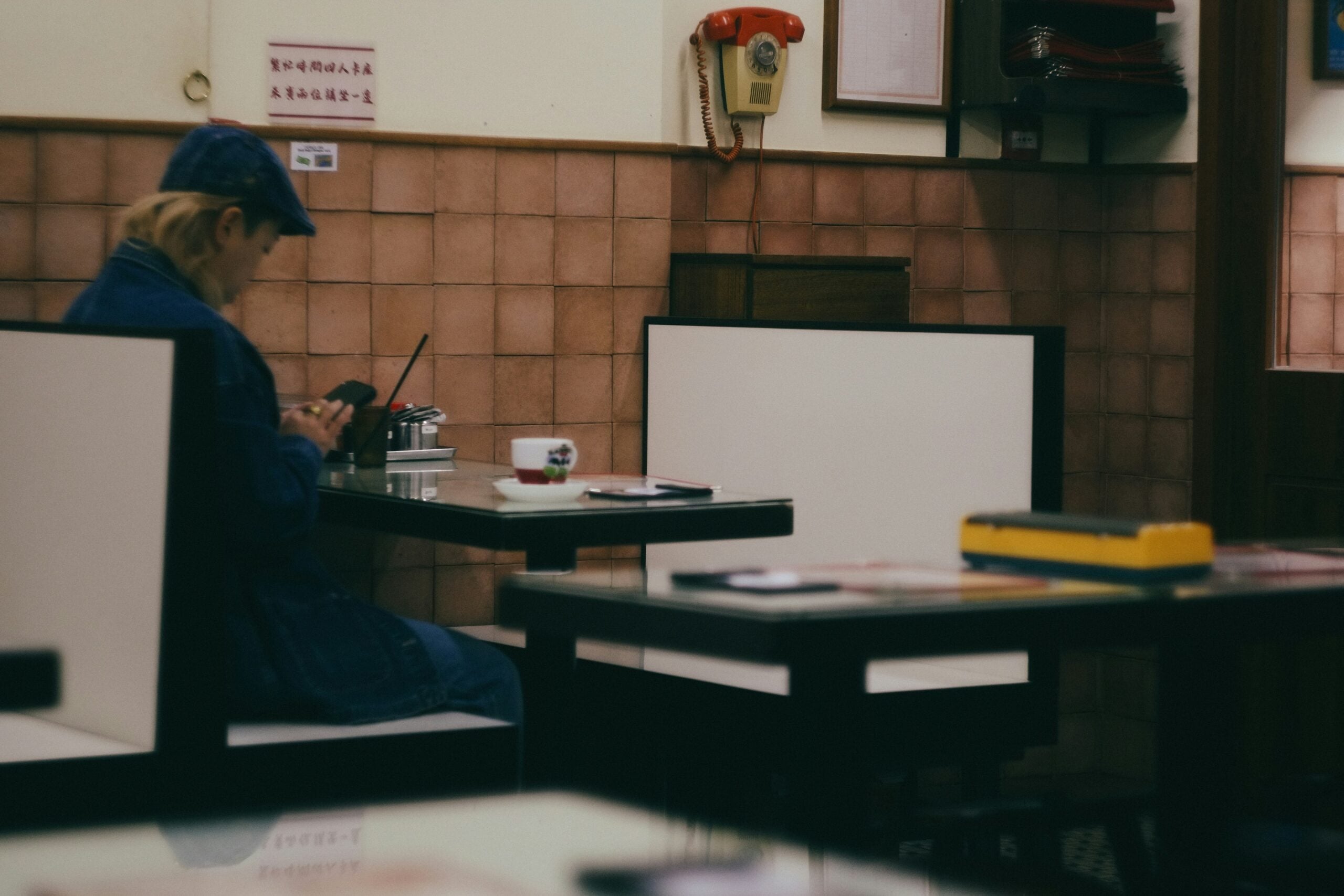
The first thing several pros pointed out was how fast a phone sets the mood. Before water is poured or menus are opened, that device can signal that the person across from you may not have your full attention. In a restaurant, where people gather to talk, celebrate, or simply share time, that message lands clearly.
A phone resting next to silverware is not the same as one tucked away in a pocket or bag. On the table, it becomes part of the meal. One manager told me it acts like a third guest, one that interrupts without warning and pulls focus even in quiet moments.
That is why the unanimous answer was so direct. The issue is not just active scrolling. The visible possibility of distraction is often enough to make the setting feel less present and less respectful.
Servers notice it right away
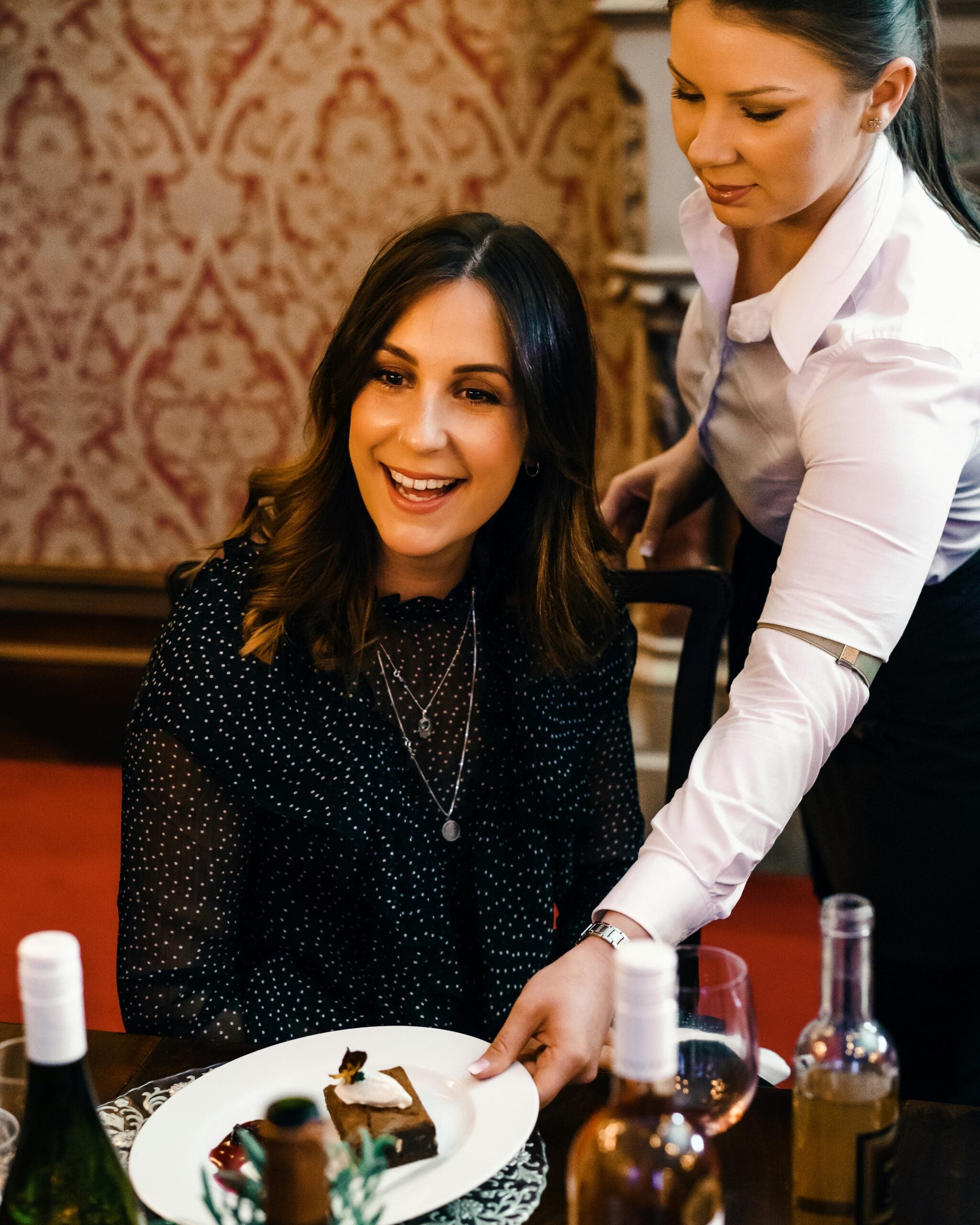
Restaurant workers are trained to read tables quickly. They look for cues about pacing, comfort, and when it is a good moment to approach. A phone on the table complicates that read because it can mean the guest is distracted, waiting for something more important, or not fully engaged with the people there.
Several pros said this changes service in subtle ways. A server may hesitate before describing specials, checking on drinks, or clearing plates because they do not want to interrupt a glance at the screen. That can slow the rhythm of service, even if only by a little.
In busy dining rooms, small delays matter. Good service depends on timing, and visible phones make timing harder to judge. That does not mean staff are offended every time, but they do notice, and it can affect how smoothly the meal unfolds.
It can feel dismissive to the people with you
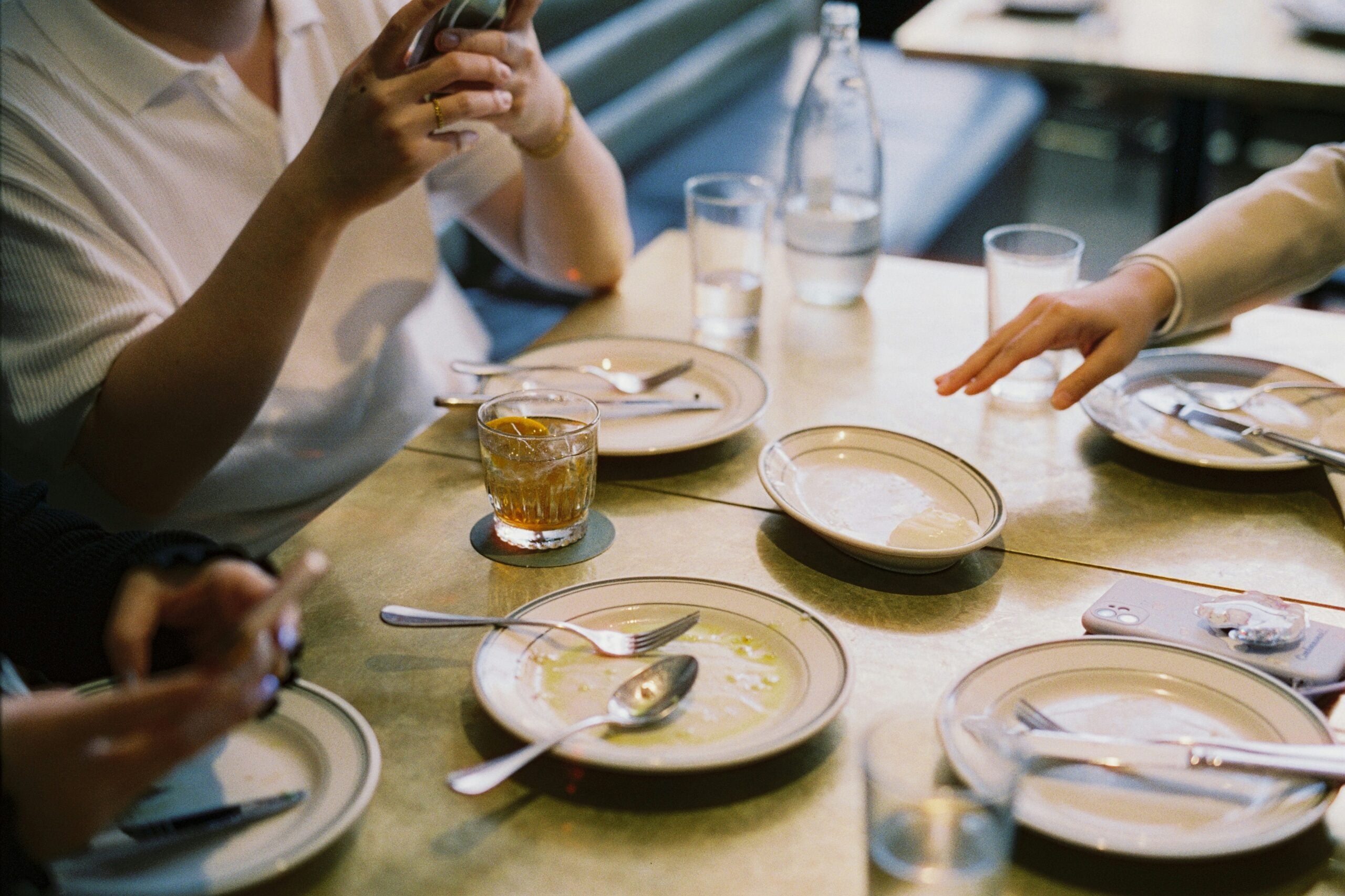
One of the clearest points from the six pros had nothing to do with staff. It was about the person sitting across from you. When a phone is placed on the table, it can suggest that the conversation is competing with whatever might appear on the screen next.
That feeling has a name in everyday behavior research: even the presence of a phone can lower the sense of connection during face to face interaction. You do not need to unlock it for the effect to register. The object itself can signal divided attention.
That is why pros often see phones on the table as a courtesy issue more than a formal etiquette rule. The message may be unintentional, but it is easy to read. To the people sharing the meal, it can come across as distance in the middle of togetherness.
There are exceptions, but they should be obvious
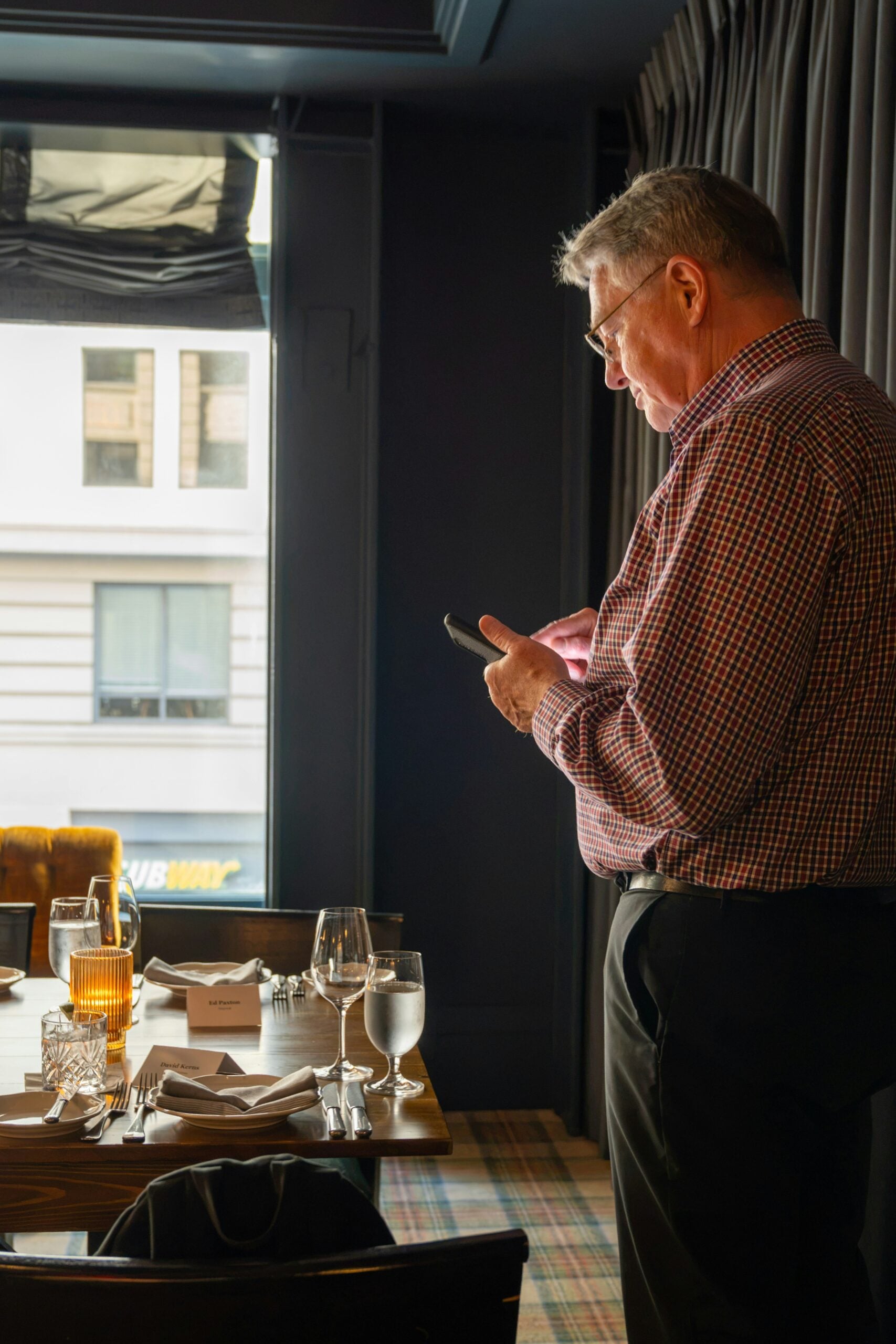
Every pro I asked made room for real life. Parents may need to stay reachable. A caregiver might be expecting an urgent call. Some diners are on work deadlines or coordinating travel. In those cases, the phone itself is not the problem. The way you handle it is what matters.
If you truly need access, the smoother move is to mention it briefly and keep the device off the table unless it is necessary. A simple heads-up to your companion can reset the tone. It shows that the interruption is situational, not a sign of boredom or disinterest.
Staff tend to read that difference well. A guest who says, "I may need to watch my phone because of my child," is sending a very different signal from someone who places it beside the bread plate without explanation.
The table is also not the cleanest place for it
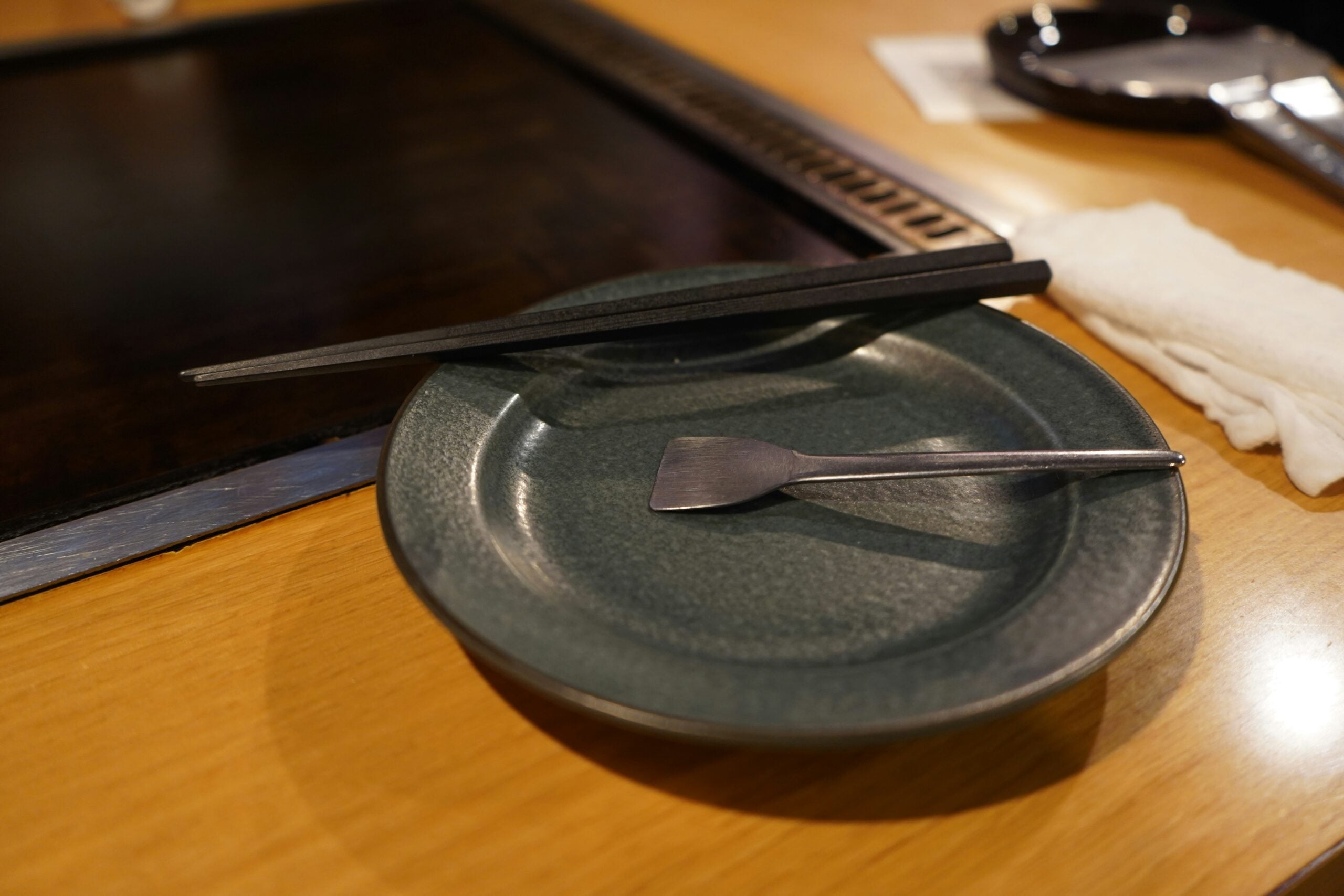
A few pros raised a practical point that has nothing to do with manners. Restaurant tables go through constant turnover, and while they are cleaned, they are still high traffic surfaces. Phones are also handled all day, moved from counters to bags to car seats to hands, then set beside utensils and glasses.
That overlap is one reason some hospitality workers dislike seeing phones where food is served. It creates a casual mix of personal tech and dining space that can feel out of step with the purpose of the table. Even in relaxed restaurants, guests notice cleanliness cues.
No one framed this as a panic issue. It was more about common sense and atmosphere. The table works best when it holds the things needed for the meal, not every object carried in from the outside world.
The better move is simple
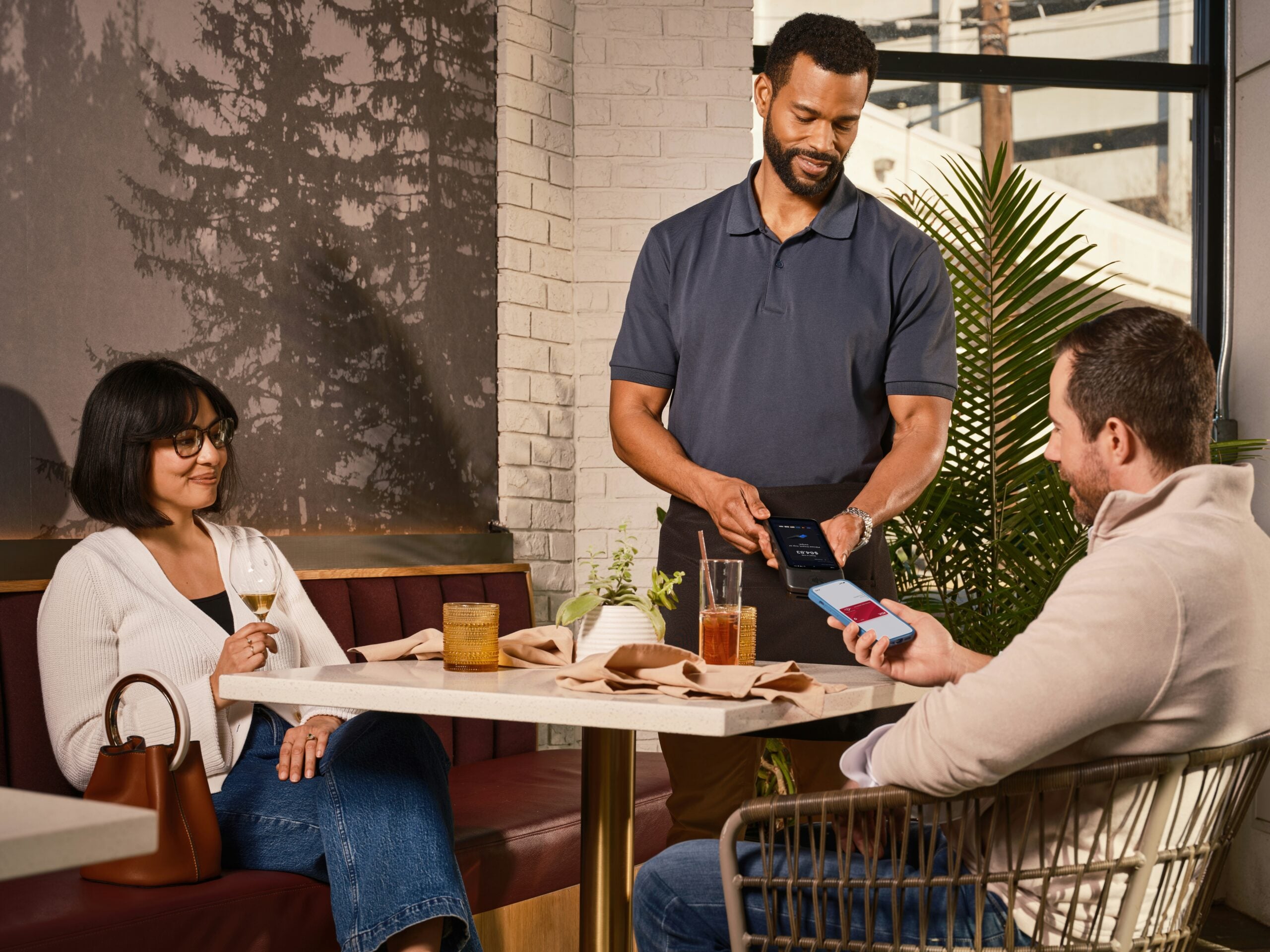
What all six restaurant pros agreed on was not a rigid old school rule. It was a practical standard for making a shared meal feel better. If you do not need your phone, keep it in a pocket, bag, or coat. That one choice removes a silent distraction before it starts.
If you do need it, be clear and discreet. Put it away after checking it, step aside for a call, and avoid letting it dominate the table. Those small habits show respect to your companions and help staff do their jobs with less guesswork.
In the end, that was the consensus: a phone on the table is usually read as rude, not because the object is forbidden, but because attention is the real currency of dining out.


Leave a Reply