
Artificial intelligence is moving from tech buzzword to farm tool, with systems that can spot disease, guide equipment and help growers use water, fertilizer and labour more efficiently. For Canada, the stakes are bigger than farm profits alone, because slower adoption can ripple into food prices, competitiveness and long term supply.
Precision tractors in the field
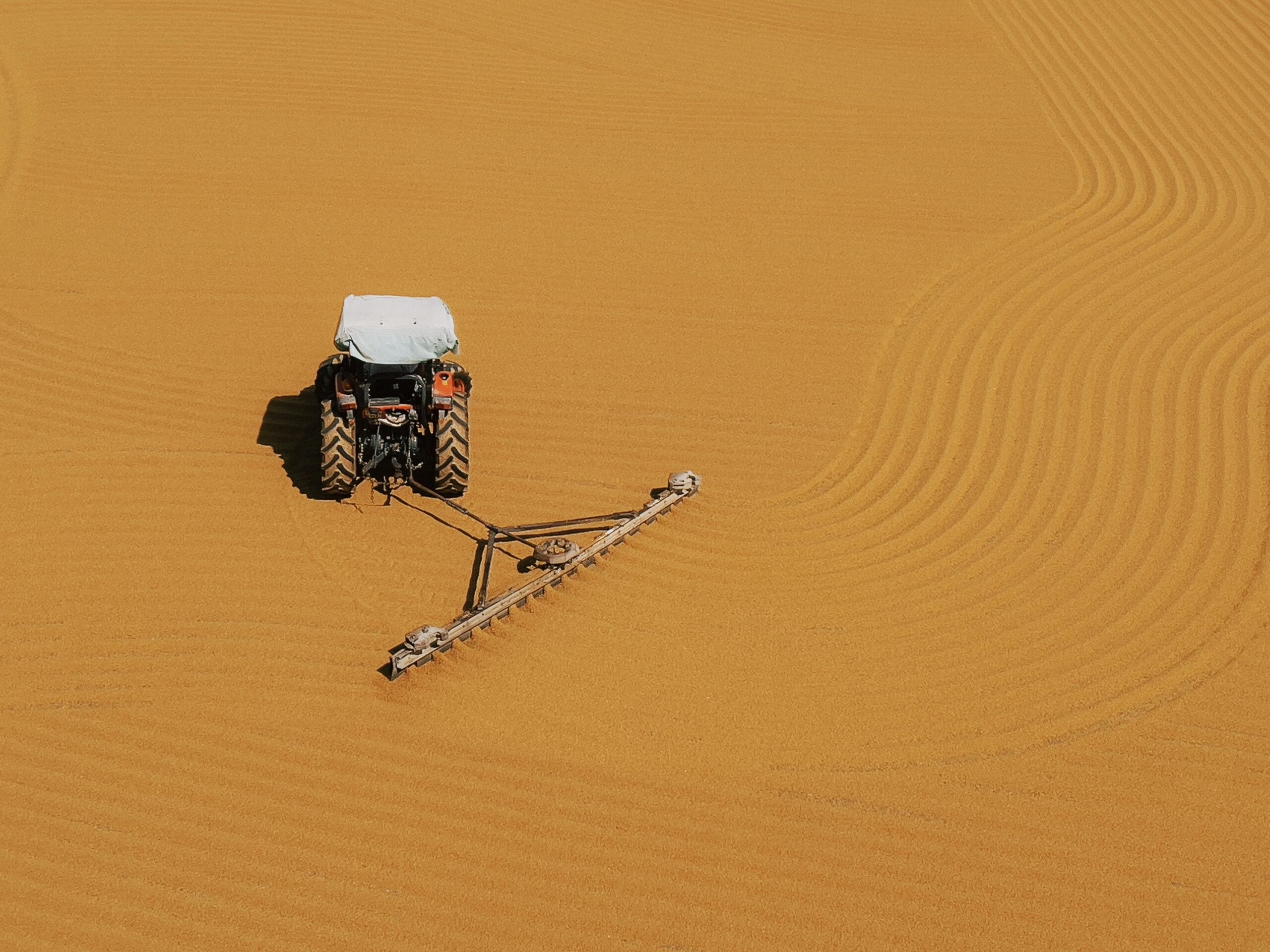
One of the clearest images of farm AI is a tractor moving across a prairie field with guidance software, sensors and cameras doing part of the work. These systems can reduce overlap in seeding and spraying, which helps save fuel, seed and crop inputs that have become more expensive in recent years.
Canada has strong farms and advanced equipment dealers, but adoption is uneven, especially for smaller operations facing tight margins and high borrowing costs. AI tools often require expensive machinery, software subscriptions and reliable connectivity, so the farms that could benefit most are not always the ones that can afford to move first.
A drone checking crop stress
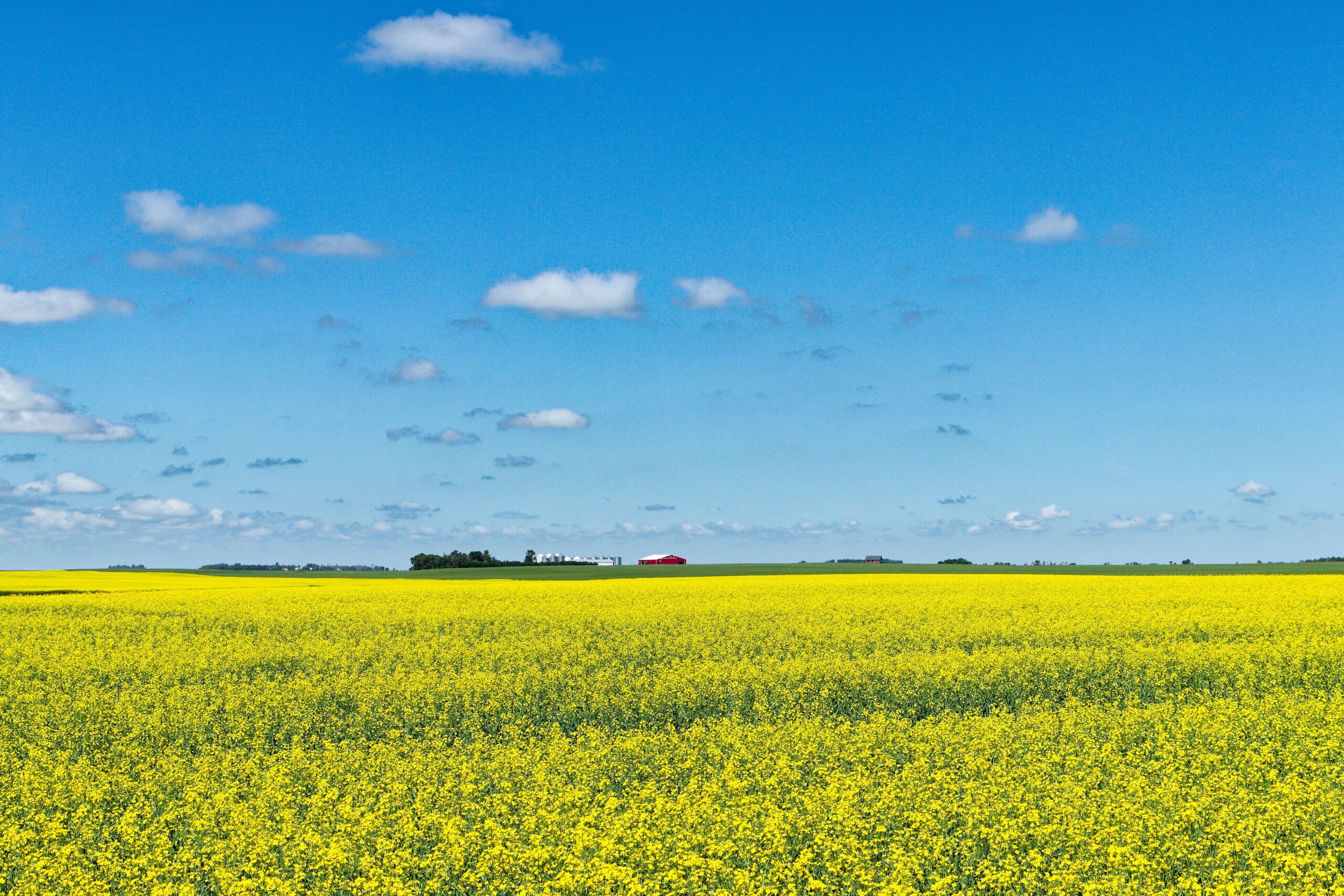
A drone flying over a canola or wheat field can capture signs of crop stress long before they are obvious from the ground. With AI analysis, those images can flag uneven growth, pest pressure or water problems early enough for farmers to target their response instead of treating an entire field the same way.
That matters because targeted action can lower waste and protect yields at the same time. If Canadian farms adopt those tools more slowly than competitors in other major agricultural exporters, the result could be higher production costs per acre and less resilience when drought, plant disease or volatile fertilizer prices put pressure on the system.
A robot in a greenhouse
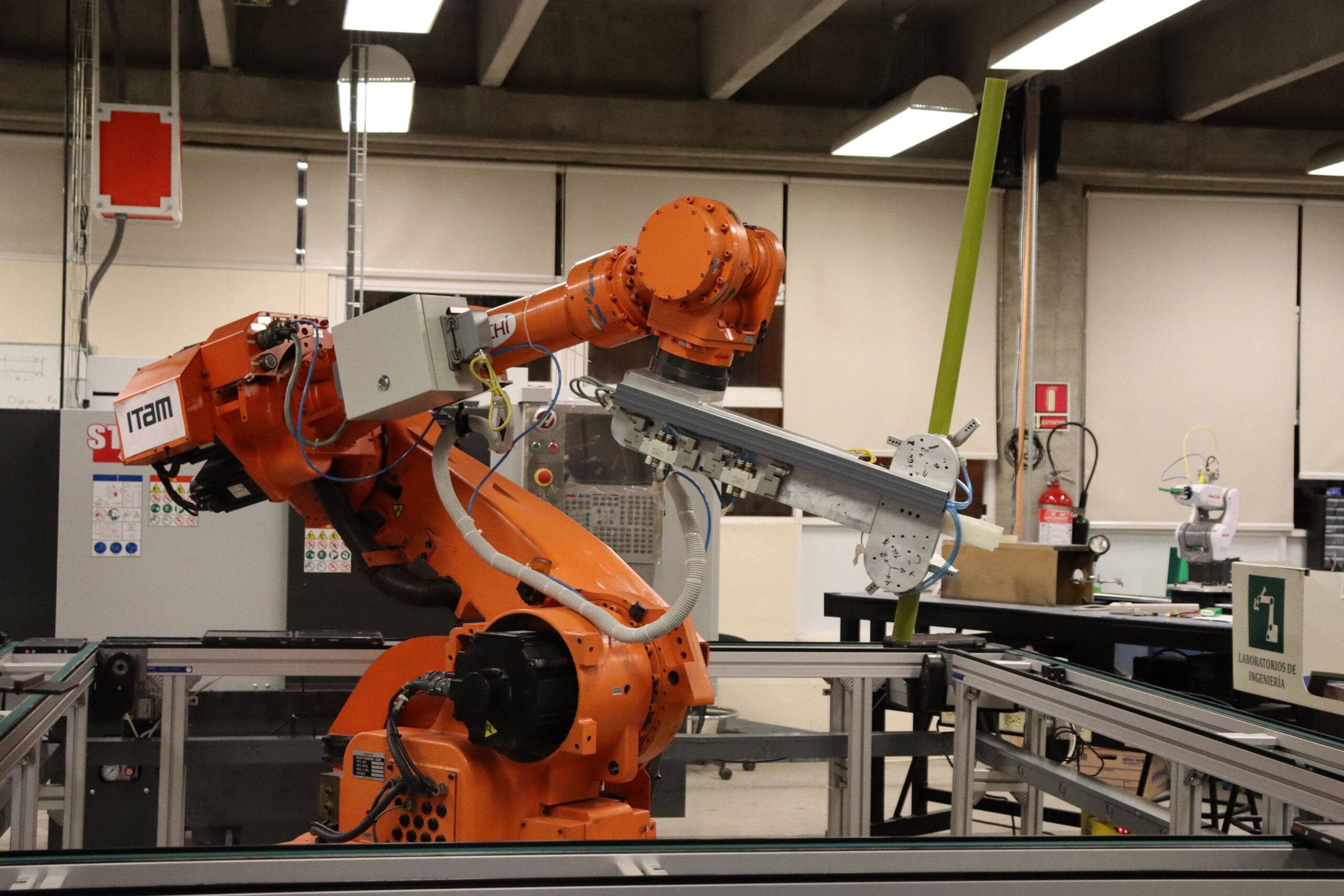
Greenhouses and indoor farms are another place where AI can shift the economics of food production. Computer vision systems can help monitor plant health, while automated equipment can support repetitive work like sorting, grading and tracking produce quality, which is important in a sector where labour shortages are a constant concern.
Canada already depends heavily on imported fresh produce during much of the year, so productivity matters. If domestic greenhouse operators lag in automation while producers in the United States, the Netherlands or other advanced growing regions pull ahead, Canadian consumers could face a wider gap between imported and locally grown prices at the store.
A barn using smart livestock sensors
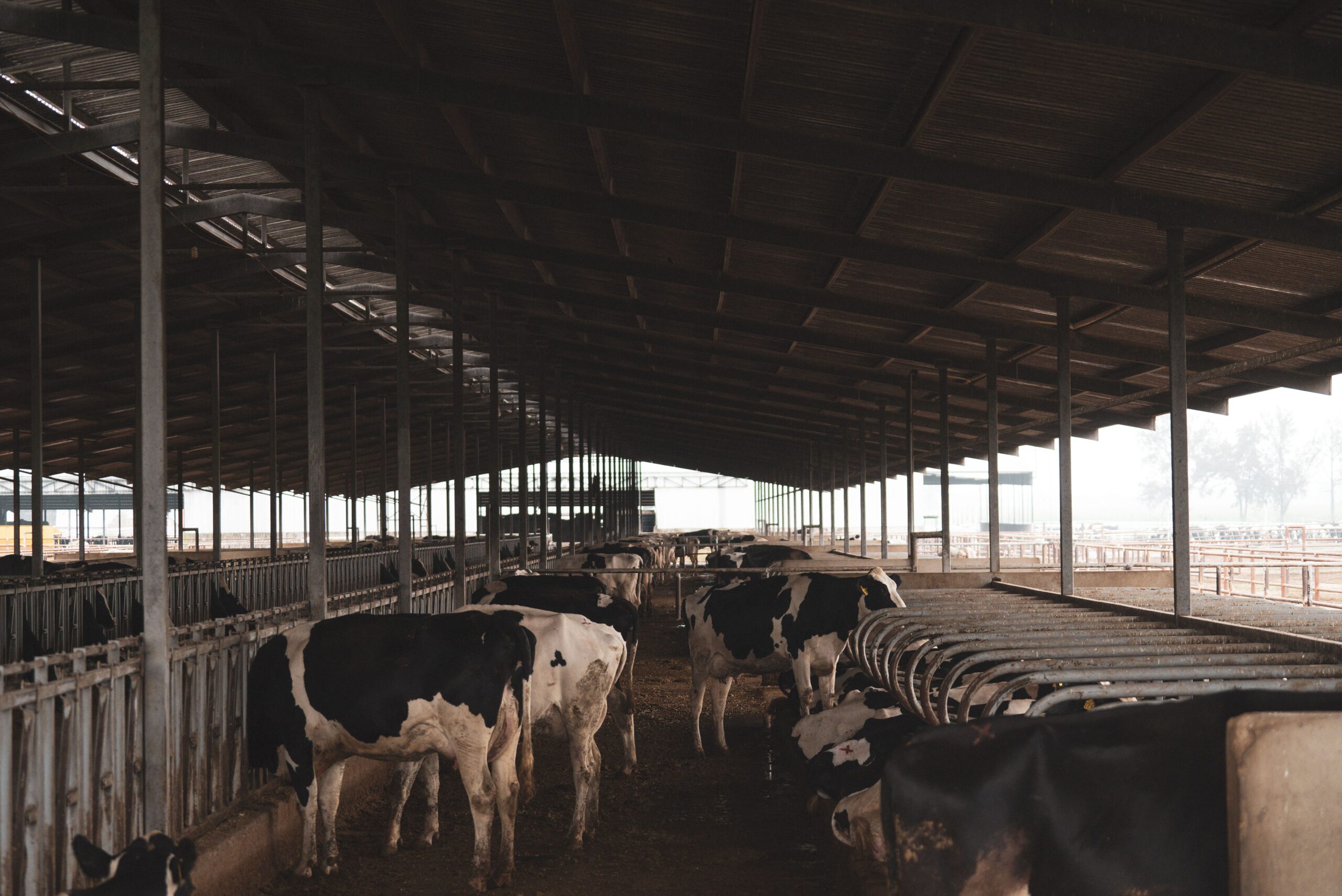
AI is not only about crops. In dairy, poultry and hog operations, sensors and software can monitor animal movement, feed intake and signs of illness. That can help producers catch health issues sooner, improve welfare and reduce losses, all while giving farmers better data for everyday decisions.
The challenge is that these systems work best when they are connected, integrated and backed by training. Rural broadband gaps, cybersecurity worries and the time needed to learn new tools can all slow adoption. When farms fall behind on efficiency gains, those costs do not vanish. They tend to reappear somewhere along the food chain, including on consumer receipts.
A researcher building farm data models

Canada has respected agricultural research institutions, but turning research into everyday farm use is often slower than developing the technology itself. AI needs large, usable data sets, trusted systems for sharing information and practical support that helps producers see a clear return on investment before they commit scarce capital.
This is where policy and industry coordination matter. If data standards are fragmented and pilot projects stay stuck at the trial stage, the country risks creating excellent prototypes without broad adoption. In a global market, that can mean losing export competitiveness while also missing chances to make domestic food production more efficient and stable.
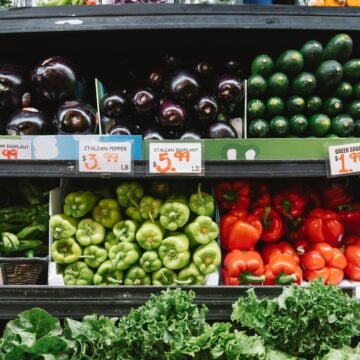
A grocery cart in a supermarket aisle

The most familiar image in this story is not on a farm at all. It is a shopper looking at produce, dairy, meat and bread prices in a supermarket aisle. AI will not solve every reason food costs rise, because inflation, weather, energy and global trade all play a role.
Still, productivity is one of the few levers that can improve supply without simply passing more cost along. If Canada falls behind as other producers use AI to cut waste and improve output, Canadian shoppers could end up paying more for food that is competing in a tougher global market. That is why the AI gap is not just a farm issue.



Leave a Reply