
Starbucks knows how to turn a drink into a cultural event. Now, the company's wildly recognizable Unicorn Frappuccino is making its way to Canada, giving customers north of the border a chance to try one of the brand's most talked-about limited releases.
Why the Unicorn Frappuccino mattered so much

Few Starbucks drinks have generated the kind of immediate buzz the Unicorn Frappuccino created. Its bright pink and blue color palette, sweet fruit-forward flavor, and dramatic visual presentation made it an instant conversation starter in stores and online.
That response was not accidental. Starbucks has long understood that limited-time beverages can do more than add variety to a menu. They create urgency, encourage impulse purchases, and give customers a reason to visit even if they are not regular Frappuccino buyers.
The Unicorn Frappuccino also arrived at a time when Instagram-friendly food and drinks were driving consumer behavior in a major way. A beverage that looked theatrical in the cup had marketing value well beyond its ingredient cost, especially when thousands of customers effectively advertised it through photos and videos.
What Canadian customers can expect from the drink
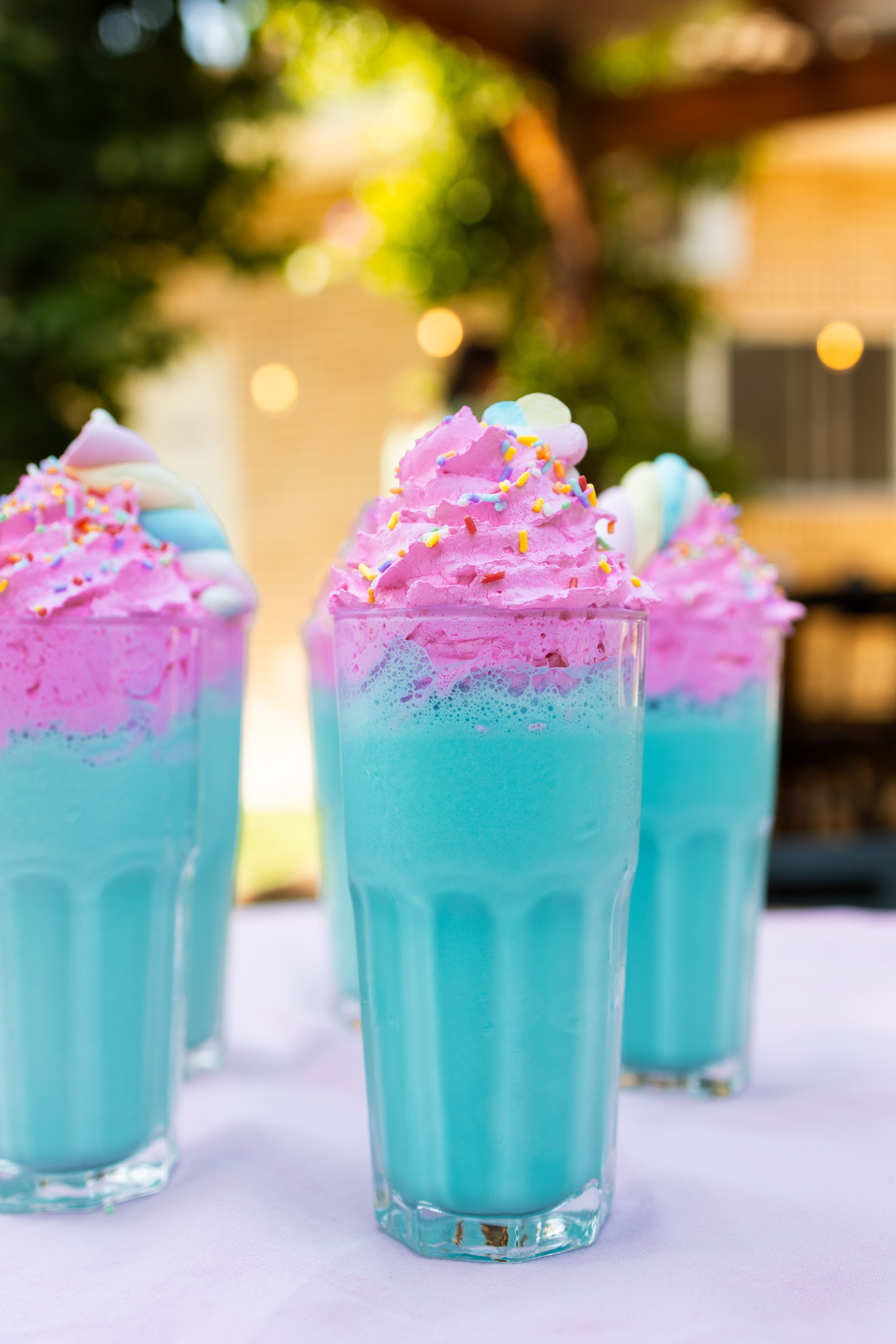
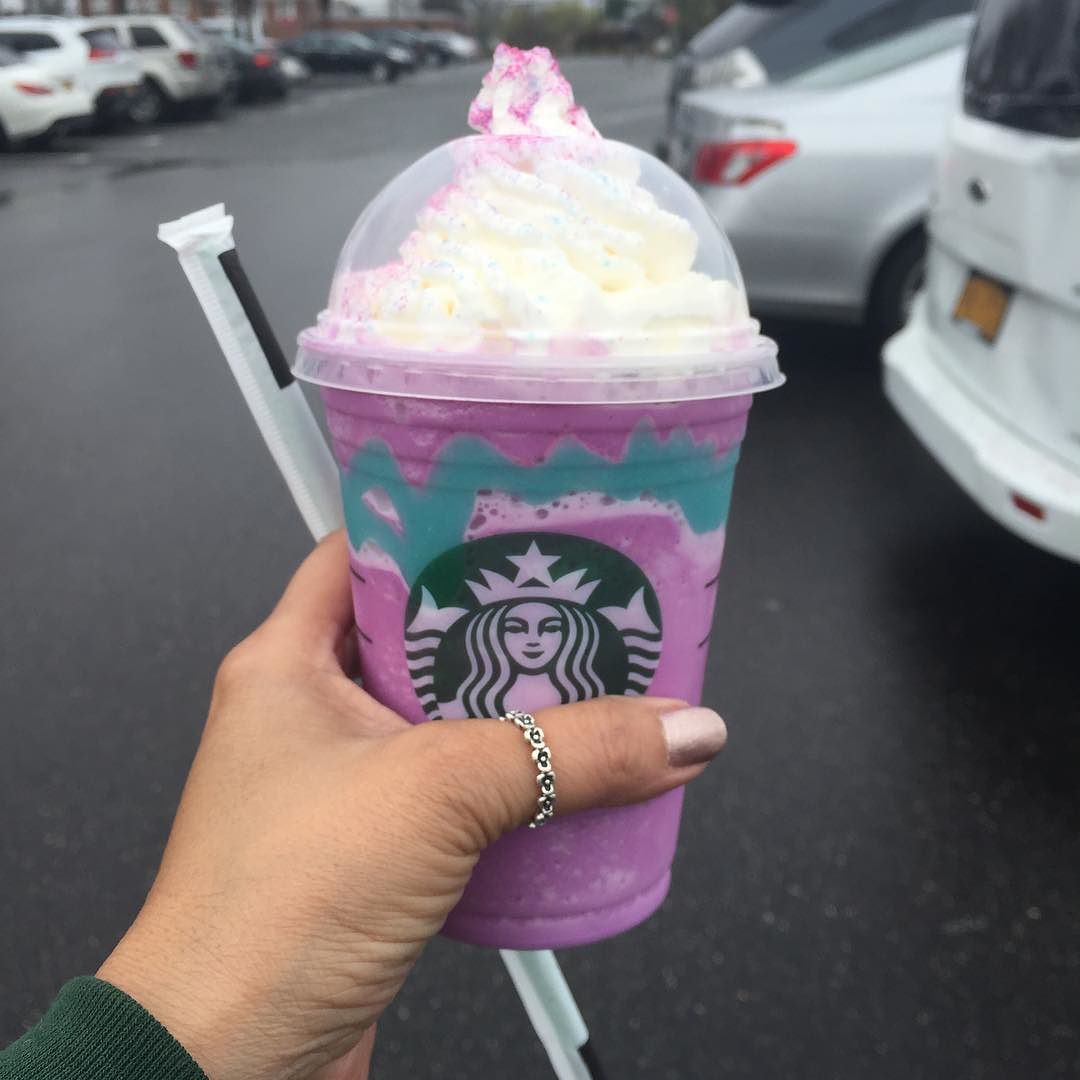
At its core, the Unicorn Frappuccino was designed to be playful rather than subtle. The blended beverage combines a crème Frappuccino base with a mango-style syrup, a sour blue drizzle, and a pink powdered topping that shifts the flavor from sweet to tart as the drink is mixed.
That changing taste profile is part of what made it memorable. Customers were not simply ordering another frozen coffeehouse treat. They were getting a product built around novelty, color contrast, and a deliberately unusual sensory experience.
For Canadian customers, the arrival of the drink represents more than just menu expansion. It signals Starbucks' confidence that demand for trend-driven beverages extends strongly beyond the U.S., particularly in urban markets where younger consumers often respond quickly to visually distinctive seasonal items.
The business strategy behind a limited-time launch
This kind of launch fits a very specific retail strategy. Limited-run drinks help Starbucks create scarcity, and scarcity tends to produce faster buying decisions. When customers believe an item may disappear in days, they are more likely to visit immediately instead of postponing the purchase.
There is also a broader brand benefit. Even people who never intend to order a brightly colored Frappuccino still hear about it, discuss it, and associate Starbucks with innovation and pop-culture relevance. That keeps the chain in the public conversation in ways that standard menu items rarely can.
From an operational standpoint, these promotions can be demanding. Baristas often face surges in orders, customized drink requests, and social media-fueled expectations. Still, the temporary strain can be worth it if the campaign lifts traffic, app engagement, and add-on sales such as snacks or repeat beverage purchases.
Why Canada is a logical market for the rollout
Canada is a natural fit for a launch like this because Starbucks already has a deep footprint there and a customer base familiar with seasonal and specialty beverages. The company does not need to educate the market on what a Frappuccino is. It only needs to create excitement around this particular version.
Consumer behavior in Canada also mirrors many U.S. trends in food retail, especially in major cities such as Toronto, Vancouver, and Montreal. Products that feel limited, photogenic, and shareable often gain traction quickly, particularly among younger customers and urban professionals.
There is another advantage as well. A Canadian rollout allows Starbucks to extend the life of a successful concept without needing a completely new product idea. That is a cost-effective way to capitalize on a proven sensation while still making the launch feel fresh to a new national audience.
The role of social media in the drink's popularity

The Unicorn Frappuccino was practically built for social platforms. Its swirling colors, whipped topping, and dramatic drizzle gave customers an easy visual story to post, which helped the drink travel far beyond Starbucks stores.
That kind of exposure matters because social media can function like unpaid advertising at scale. A single limited-time beverage can dominate feeds for days if it looks unusual enough and sparks enough curiosity, debate, or enthusiasm.
At the same time, viral drinks can be polarizing. Some customers love the spectacle, while others dismiss it as gimmicky or overly sweet. Yet even criticism can help a campaign. In consumer marketing, a product that everyone is talking about often has more power than one that quietly earns broad approval.
What this launch says about Starbucks today
Bringing the Unicorn Frappuccino to Canada reflects a larger truth about Starbucks. The company is not only selling coffee and cold drinks. It is selling experiences, moments, and products designed to feel timely within a fast-moving consumer culture.
That approach has become increasingly important as competition in beverages has intensified. Chains, convenience retailers, and independent cafés all fight for attention, so a drink that creates national conversation can deliver value far beyond direct sales.
For Canadian fans, the appeal is simple: a chance to try a beverage that became famous before many of them could order it locally. For Starbucks, the calculation is equally clear. When a product is this recognizable, bringing it to a receptive market is both smart branding and smart business.


Leave a Reply