
Living alone offers freedom, but it also makes everyday essentials more expensive. Groceries are one of the clearest examples of that single-person premium.
The price gap reflects a real household disadvantage

The difference between $102 a week for single Canadians and $80 per person in shared households is not a small budgeting quirk. Over a year, that adds up to roughly $1,144 more for someone living alone. For many renters, students, and older adults, that is money that could otherwise cover utilities, transit, or savings.
This gap exists because grocery pricing still favors volume. A family can split large packs of yogurt, meat, bread, and produce before anything spoils. A solo shopper often pays more per unit for smaller formats or risks buying bigger packs that lead to waste.
Economists and food policy experts have long noted that household size changes spending efficiency. Shared households spread fixed costs across more people, from cooking oil and spices to freezer space and transportation. That means the per-person grocery bill naturally falls as more people share the same kitchen.
Buying for one often means paying more per unit
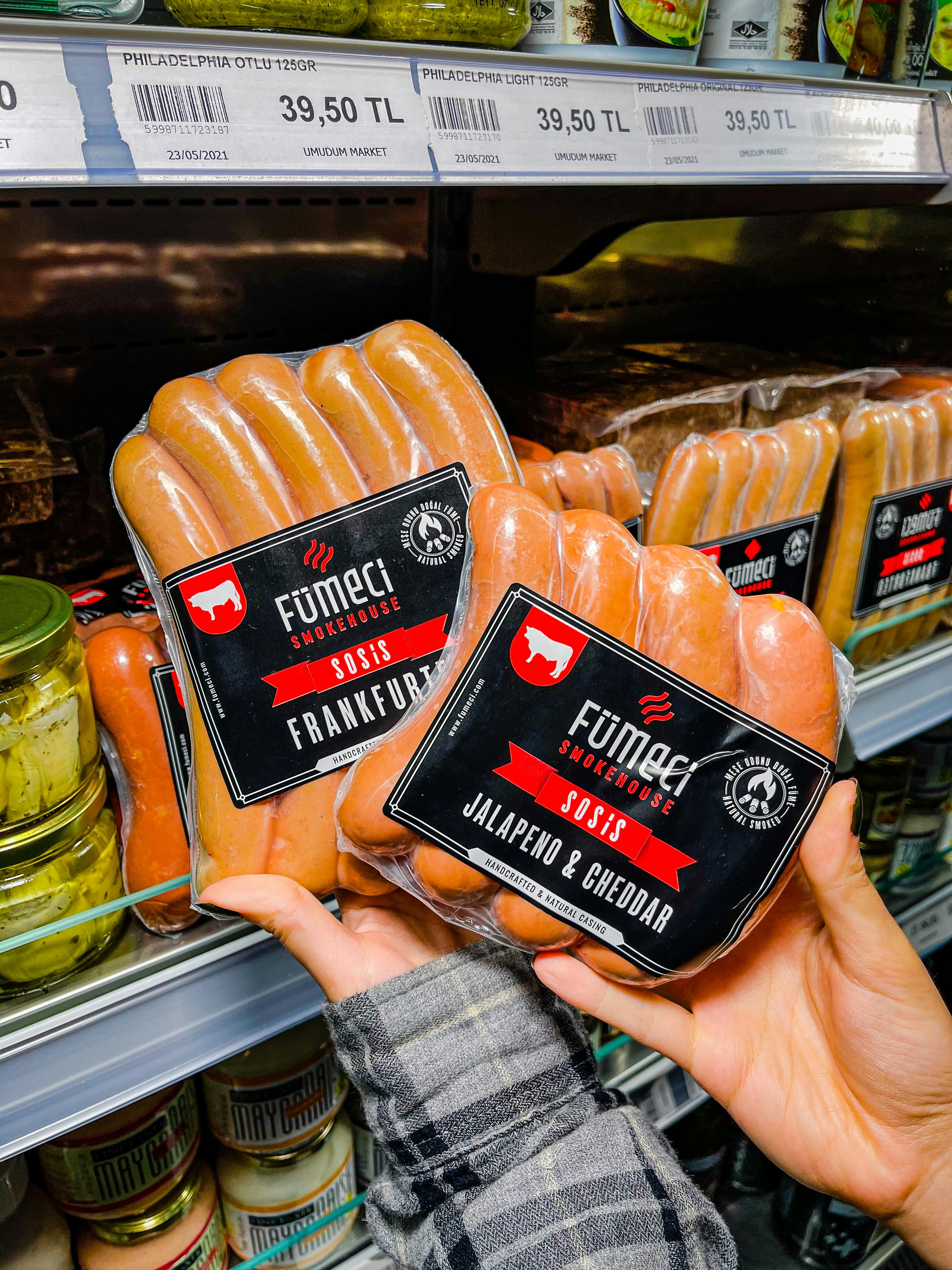
Supermarkets are designed around basket size, not just individual need. Promotions such as 2-for-1 offers, family packs, and member pricing encourage larger purchases. Those deals work well for couples, roommates, and families, but they are far less useful for a person cooking only a few meals at a time.
Smaller packages often carry a higher cost per gram or per litre. A single chicken breast, a half loaf of bread, or a small tub of salad greens can look affordable on the shelf, yet cost noticeably more than larger alternatives when measured by unit price. That hidden premium builds quickly across a full cart.
Prepared foods add another layer. Single shoppers may rely more on pre-cut vegetables, frozen entrees, bagged salads, and ready-made meals to avoid spoilage. Those products save time and reduce waste, but they also come with labor, packaging, and branding costs that raise the weekly total.
Food waste quietly raises the cost of living alone

One of the biggest drivers of higher grocery costs for single Canadians is waste. Fresh produce, dairy, herbs, and bakery items often spoil before one person can finish them. Even careful shoppers can struggle when package sizes are larger than their actual weekly needs.
That wasted food is still money spent. If spinach wilts, milk turns, or berries mold before they are eaten, the effective cost of the food that was consumed goes up. A household of three or four can finish the same items faster, making each purchase more efficient.
This is especially true for ingredients used in small amounts. A recipe may require only a few stalks of celery or a spoonful of fresh dill, but stores often sell far more than one person needs. Without meal planning or freezing options, the extras frequently end up in the garbage.
Shared households benefit from scale beyond the grocery aisle

The savings in shared households are not limited to bulk buying. People living together can coordinate meals, rotate cooking duties, and combine shopping trips. That reduces duplicate purchases and improves the use of perishables, leftovers, and pantry staples throughout the week.
Shared living also makes it easier to take advantage of warehouse stores and larger discount formats. A giant bag of rice, multipack of canned tomatoes, or family-size tray of chicken becomes practical when several people are splitting both the cost and the food itself. For one person, those same bargains may be unrealistic.
Storage matters too. Households with more people often have more incentive to maintain a fuller freezer, better-organized pantry space, and a regular cooking routine. Those systems support lower per-person costs over time, especially when food prices remain elevated across Canada.
Inflation has made the single-person penalty more visible

Food inflation has sharpened every weakness in the economics of solo shopping. When the price of produce, dairy, and protein rises, any waste becomes more expensive. A few uneaten items each week now have a bigger effect on the monthly budget than they did before recent inflation waves.
At the same time, many Canadians are living alone for longer. Higher rates of delayed marriage, aging in place, divorce, and urban migration have increased the number of one-person households. That demographic shift means the grocery system is serving a larger group of shoppers whose needs do not align with standard package sizes.
Retailers have made some adjustments, including more single-serve and convenience-focused products. But those options often prioritize margin and convenience over affordability. As a result, the market acknowledges solo consumers while still charging them a premium for the accommodation.
What single shoppers can do to narrow the gap
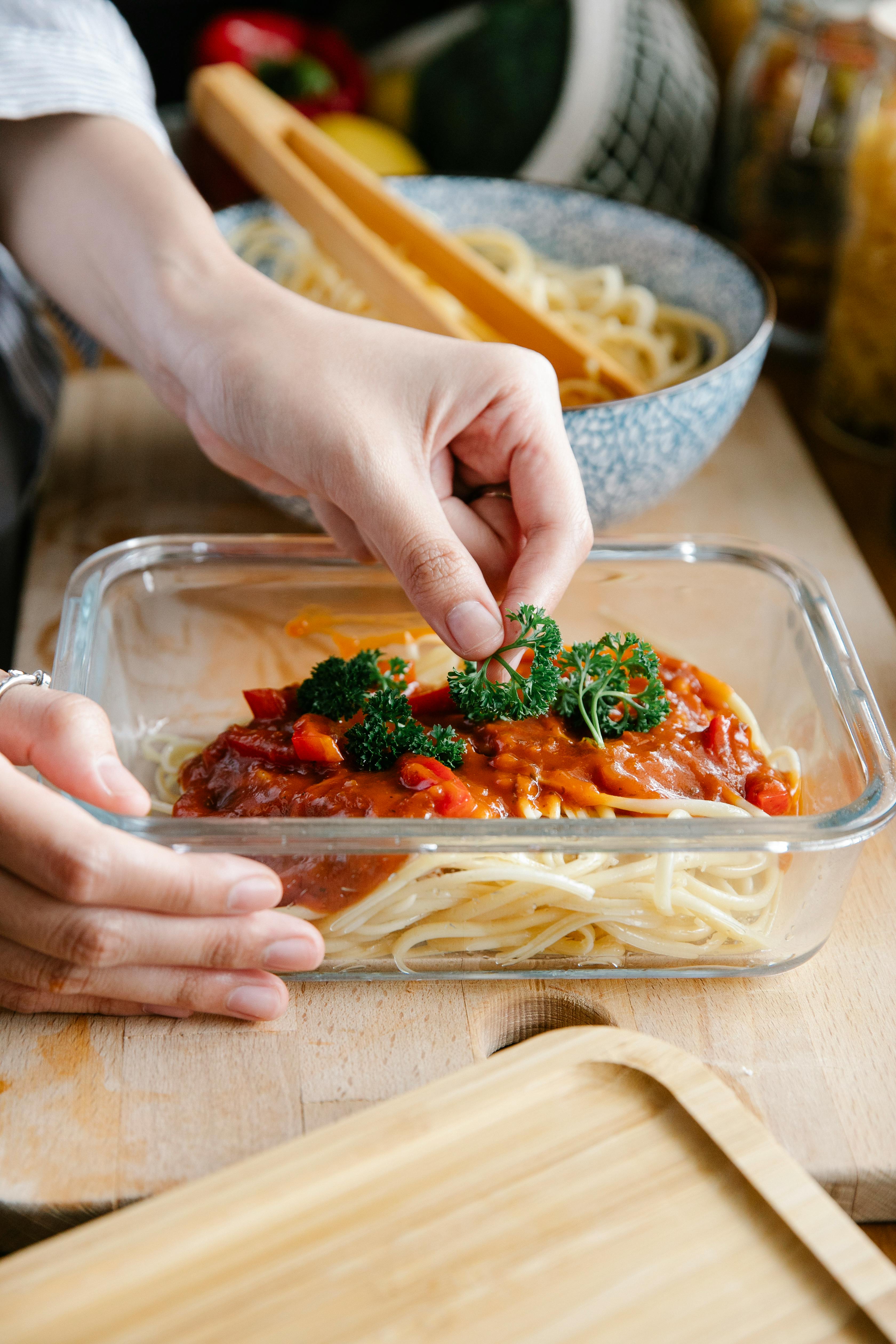
Living alone does not mean the higher grocery bill is unavoidable. Stronger meal planning, freezing portions, comparing unit prices, and choosing versatile ingredients can reduce waste significantly. Staples like eggs, oats, beans, rice, pasta, carrots, and cabbage tend to stretch well across multiple meals without spoiling quickly.
Shopping more frequently in smaller trips can also help, even if it sounds less efficient at first. Buying only what will realistically be eaten over three or four days often saves more than stocking up and throwing food away. Discount stickers on meat and bakery products can be useful when paired with immediate freezing.
There is also room for broader change. Smaller package options with fair unit pricing, better urban access to discount grocers, and clearer labeling around shelf life would all help. Until then, the grocery math remains stubbornly simple: in Canada, living alone usually means paying more to eat.




Leave a Reply