
Canadian grocery shopping is being reshaped in plain sight. What used to be a routine weekly errand has become a careful exercise in budgeting, comparison, and compromise.
A clear signal from Canadian households

The headline figure is striking for a reason. When 64% of Canadians say they have "substantially" changed their grocery shopping habits, it points to more than simple bargain hunting. It suggests a deep and sustained shift in behavior tied to financial stress and changing household priorities.
Surveys tracking consumer sentiment over the past two years have shown similar patterns. Canadians are increasingly price-sensitive, more deliberate about where they shop, and quicker to alter brand preferences than they were before the recent inflation surge. Grocery choices are now closely tied to broader concerns about rent, mortgages, fuel, and childcare.
This matters because food spending is one of the most visible parts of a household budget. Unlike some expenses that are fixed, grocery purchases can be adjusted week by week. That makes the supermarket the place where economic pressure becomes tangible, and where families immediately act on it.
Price inflation has changed the tone of every trip
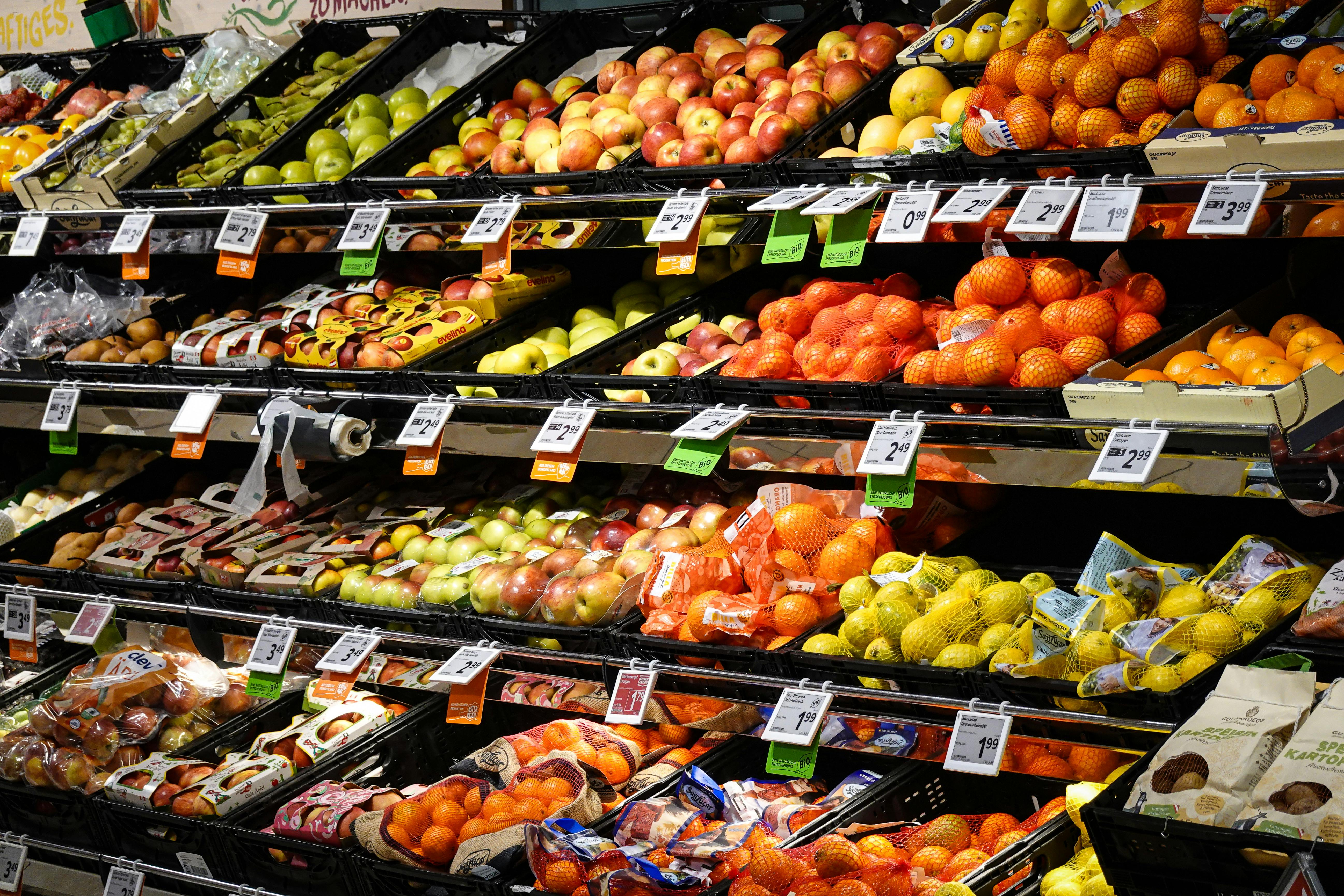
Sticker shock remains the biggest driver behind these changes. Even as overall inflation has cooled from its peak, many Canadians still face elevated prices on essentials such as meat, dairy, produce, and pantry staples. Once prices rise sharply, shoppers tend to remember them, and that memory affects future decisions.
For many households, the issue is not just one expensive item. It is the cumulative impact of dozens of essentials costing a little more each week. A cart that used to feel manageable now forces trade-offs between preferred brands, healthier options, and total affordability.
That is why many shoppers report changing not only what they buy, but how they buy it. They are checking flyers more carefully, timing purchases around promotions, and visiting multiple stores to stretch a budget further. The weekly grocery run has become more strategic and less automatic.
Consumers are adapting with practical new habits

A notable feature of this shift is how disciplined it has become. Canadians are making lists more strictly, reducing impulse purchases, and planning meals around sale items rather than cravings. That behavior reflects a mindset change, not just a temporary reaction to a few expensive weeks.
Private-label products have benefited from this adjustment. Store brands, once treated mainly as backup options, are now winning more space in household baskets because they offer visible savings with acceptable quality. In many categories, shoppers have discovered they can cut costs without feeling they sacrificed too much.
Bulk buying, freezer planning, and reduced food waste are also playing a larger role. Households are using leftovers more intentionally and choosing flexible ingredients that can support several meals. These are quiet changes, but together they mark a broad reworking of everyday food management.
Brand loyalty is weakening across the aisle

One of the most important consequences of prolonged price pressure is the erosion of brand attachment. Consumers who once bought the same cereal, yogurt, or pasta sauce every week are now more willing to switch if a competitor offers better value. Familiarity still matters, but price is winning more often.
This shift creates both risk and opportunity for retailers and manufacturers. Premium brands must work harder to justify their cost, while discount banners and lower-priced alternatives gain attention from shoppers who previously ignored them. The market becomes more fluid when loyalty is no longer guaranteed.
Retail experts have noted that once customers successfully substitute a lower-cost product, they often keep that new habit. In other words, inflation does not just change one purchase. It can permanently reset what shoppers consider normal, acceptable, and worth paying for.
Different households are feeling the strain differently

The pressure is widespread, but it is not evenly experienced. Lower-income households have the least room to absorb higher food costs, so their shopping changes are often the most immediate and severe. They may cut discretionary items first, then reduce quantity, variety, or premium nutrition choices.
Middle-income families are also adjusting in visible ways. Many are still buying similar overall categories, but with more coupon use, more discount hunting, and fewer spontaneous add-ons. Even households that remain financially stable are showing caution, largely because uncertainty has become part of daily decision-making.
Regional conditions can add another layer. Prices, competition, and access to discount grocers differ by province and community, especially in rural and northern areas. For some Canadians, adapting habits is not only about thrift. It is about navigating fewer choices and consistently higher baseline costs.
What this means for the future of grocery shopping
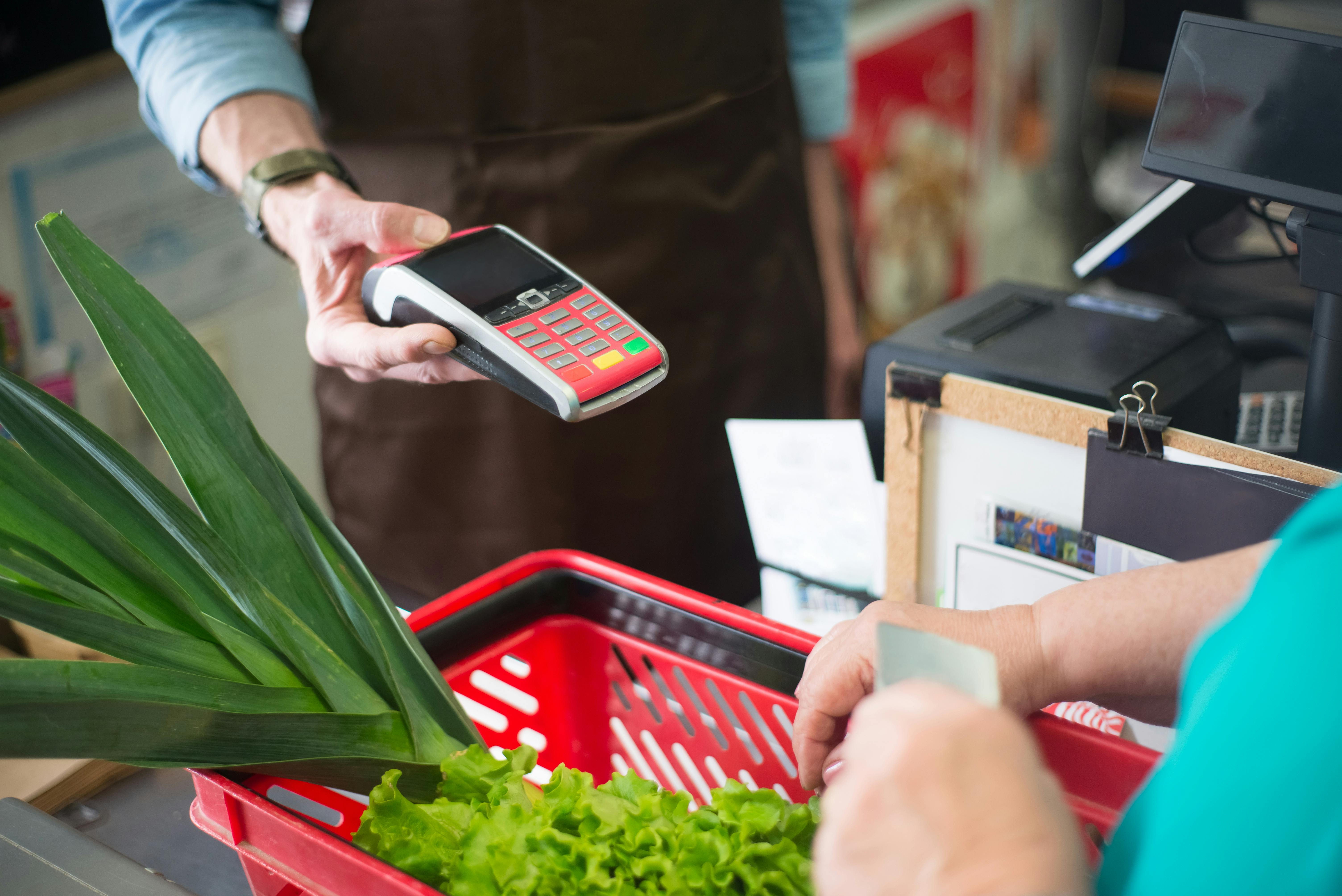
This is starting to look like a lasting recalibration rather than a passing phase. Once people learn to compare prices aggressively, cook more strategically, and switch stores without hesitation, those habits tend to stick. Grocery shopping becomes less about convenience alone and more about control.
Retailers will likely keep responding with stronger loyalty programs, sharper promotions, and expanded private-label offerings. At the same time, shoppers may continue expecting clearer value at every price point. Businesses that fail to communicate that value risk losing customers who have become highly attentive and less forgiving.
The survey's central finding captures a national mood. Canadians are not simply complaining about grocery prices. They are actively rewriting how they shop in response. That makes this moment important not only for consumers, but for the entire food retail system trying to keep pace with a more cautious public.




Leave a Reply