
For Canadians living alone, the grocery aisle is becoming a source of real frustration. Even disciplined shoppers are finding that careful planning no longer guarantees a lower bill.
Why solo shoppers feel inflation more sharply
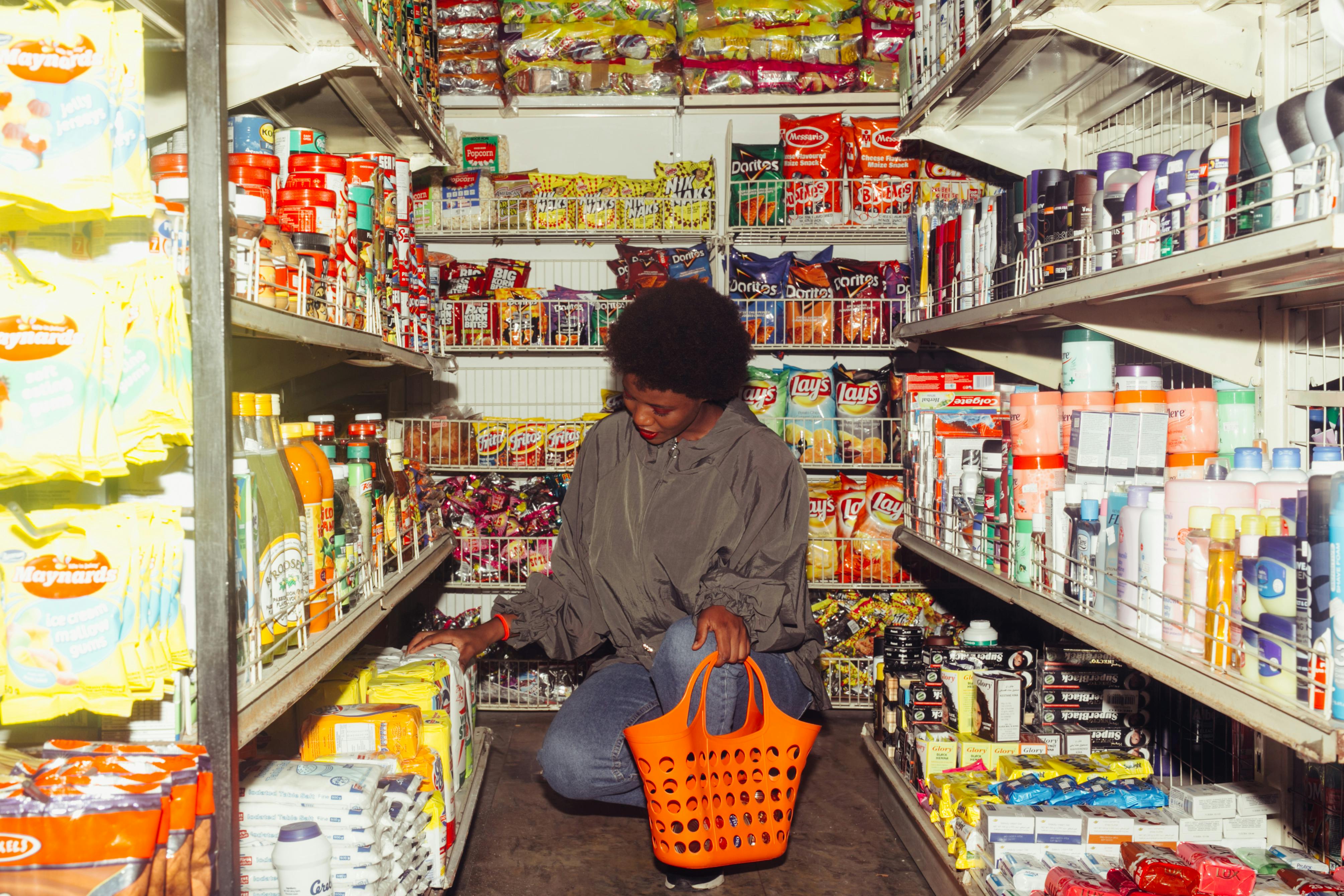
A single-person household has far less flexibility than a family when food prices rise. Many staples are still packaged and priced for couples or larger households, which means solo shoppers often pay more per serving or risk food waste if they buy the larger, better-value option.
That problem has become more visible as food inflation has remained stubborn in key categories. Statistics Canada has repeatedly shown elevated prices for essentials such as meat, dairy, fresh produce, and bakery products, all of which make up a large share of a typical one-person grocery basket.
For someone shopping only for themselves, there is no easy way to spread those increases across a larger household budget. A family may offset a higher unit price through bulk buying, shared meals, and warehouse shopping, but a person living alone often has fewer practical ways to do the same.
What is pushing grocery bills higher

The biggest driver is not one single price shock but a chain of pressures moving through the food system. Higher transportation costs, energy prices, labour expenses, packaging, and climate-related disruptions have all added to the final price consumers see on the shelf.
Poor harvests and extreme weather have also made fresh food less predictable and more expensive. Drought, flooding, and heat waves in major agricultural regions have affected crop yields, while livestock producers have faced rising feed and operating costs that eventually show up in meat and dairy prices.
Retail competition has not fully offset those pressures. Although major grocers still run promotions, many shoppers say sale prices do not feel as meaningful as they once did because regular shelf prices have risen so much that even discounted items remain expensive.
Why common money-saving tactics are falling short
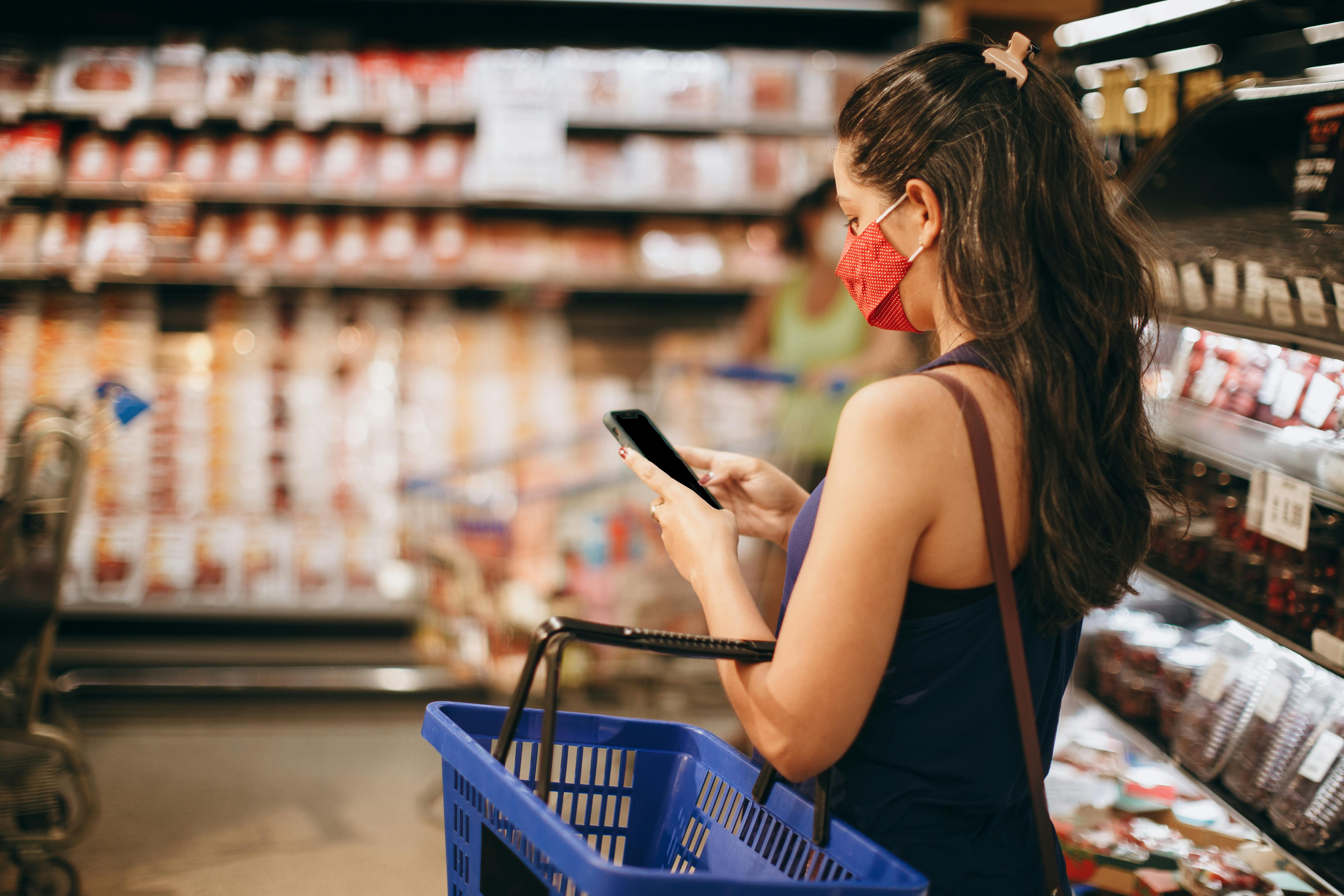
Many solo Canadians are already doing what personal finance experts usually recommend. They are making lists, comparing flyers, switching stores, choosing private-label items, and cutting back on impulse purchases, yet the total at checkout still keeps climbing.
The reason is simple: the easiest savings have already been used up. When shoppers have already traded brand names for lower-cost alternatives and reduced restaurant spending, there are fewer remaining places to trim without sacrificing nutrition, convenience, or variety.
Portion economics also work against them. Buying in bulk can lower the unit cost, but only if the food can be stored, frozen, or used before it spoils. For one person in a small apartment, limited freezer space and slower consumption can turn a bargain into waste.
The hidden cost of living alone
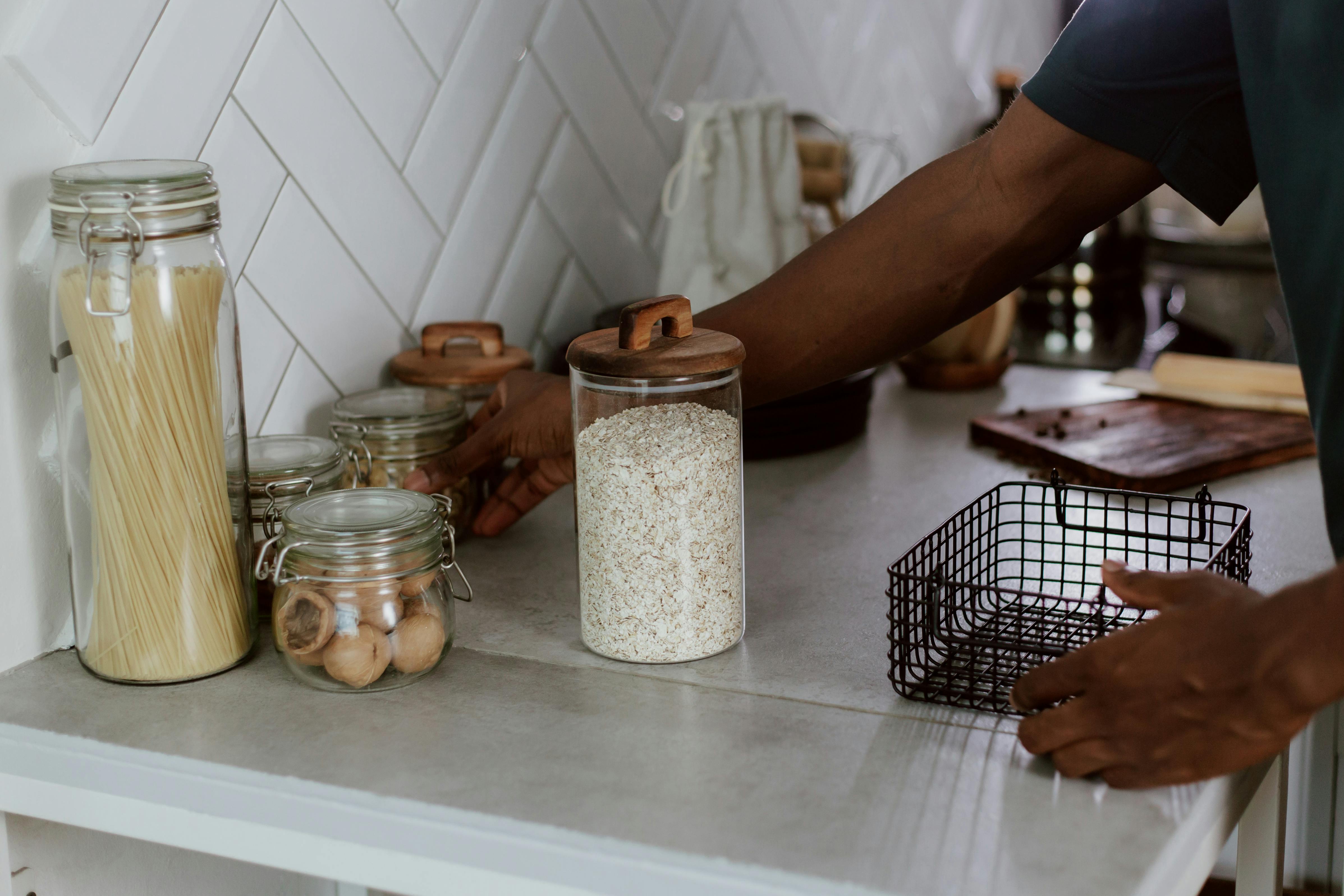
Living alone changes more than the size of a grocery cart. It often means paying the full cost of pantry basics, condiments, spices, oils, and cleaning products without anyone to split those expenses, and these items can quietly add a lot to a weekly bill.
Meal planning can also be harder for one. Recipes, promotions, and multipack pricing are frequently designed around multiple servings, so solo shoppers either eat the same meal repeatedly or buy a wider range of ingredients in small amounts at a higher cost.
There is also a time factor. People living alone may shop more frequently because they buy fresh items in smaller quantities, and every extra trip creates another chance to face price increases, transportation costs, and impulse spending.
How shoppers are adapting in real life
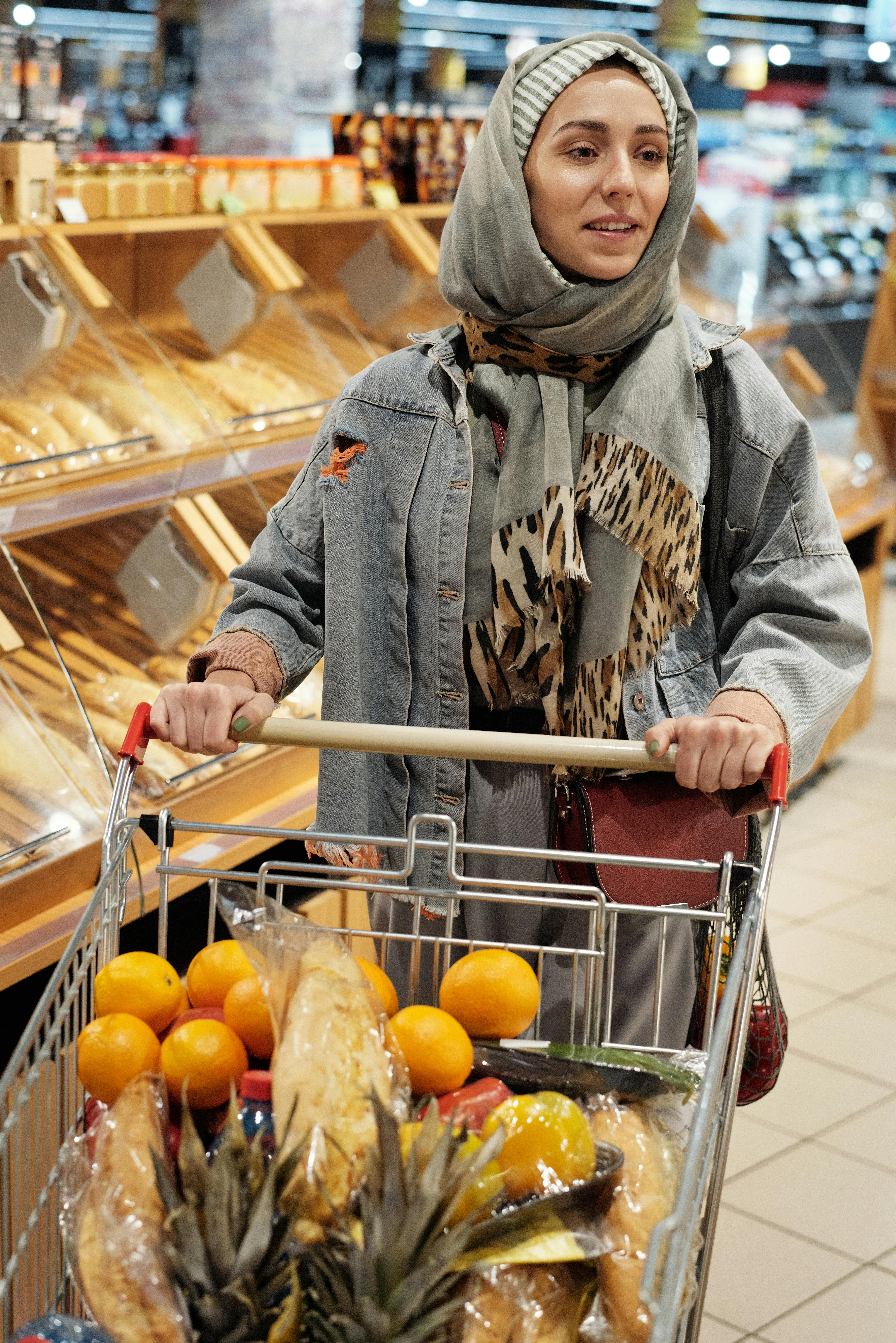
Across Canada, solo consumers are becoming more strategic rather than simply spending less. Many are relying more heavily on frozen vegetables, canned beans, eggs, discount produce racks, and simple repeatable meals that reduce both waste and decision fatigue.
Others are changing where they shop. Discount banners, ethnic grocers, farmers' markets near closing time, and price-matching strategies have become more common tools for stretching a food budget, especially in expensive urban centres such as Toronto and Vancouver.
Some are even organizing informal co-buying with friends or neighbours. Splitting bulk packs of meat, rice, or household supplies allows single shoppers to access better unit pricing without taking on more food than they can realistically use.
What this says about Canada's food affordability problem
When 77% of solo Canadians say their grocery bill keeps climbing no matter what they do, that points to more than personal budgeting frustration. It suggests a structural affordability issue in which household size now plays a major role in how sharply inflation is felt.
The broader concern is nutritional trade-offs. If people living alone consistently respond to higher prices by skipping fresh produce, reducing protein purchases, or narrowing their diets, the long-term impact reaches beyond finances and into public health.
That is why this trend matters. Grocery inflation is no longer just about temporary sticker shock. For many Canadians who live by themselves, it has become an ongoing cost-of-living burden that smart shopping alone cannot fully solve.




Leave a Reply