
Food is no longer just a budget line for many Canadians. It has become a financial breaking point.
The number behind the crisis

The headline figure is stark: 34% of Canadian households have gone into debt to pay for food. That means more than 1 in 3 families are relying on credit cards, lines of credit, or deferred bill payments to cover one of the most basic household needs.
This is not simply a story about poor budgeting. It reflects a deeper affordability squeeze that has built over several years as grocery prices climbed faster than many paycheques. According to national surveys and food insecurity research, Canadians are increasingly making hard trade-offs between food, rent, utilities, and transportation.
The burden is especially heavy for renters, single-parent households, newcomers, and younger adults. These groups often have less savings, less home equity, and fewer financial buffers. When the grocery bill jumps, debt becomes the stopgap.
Why groceries are taking such a large bite
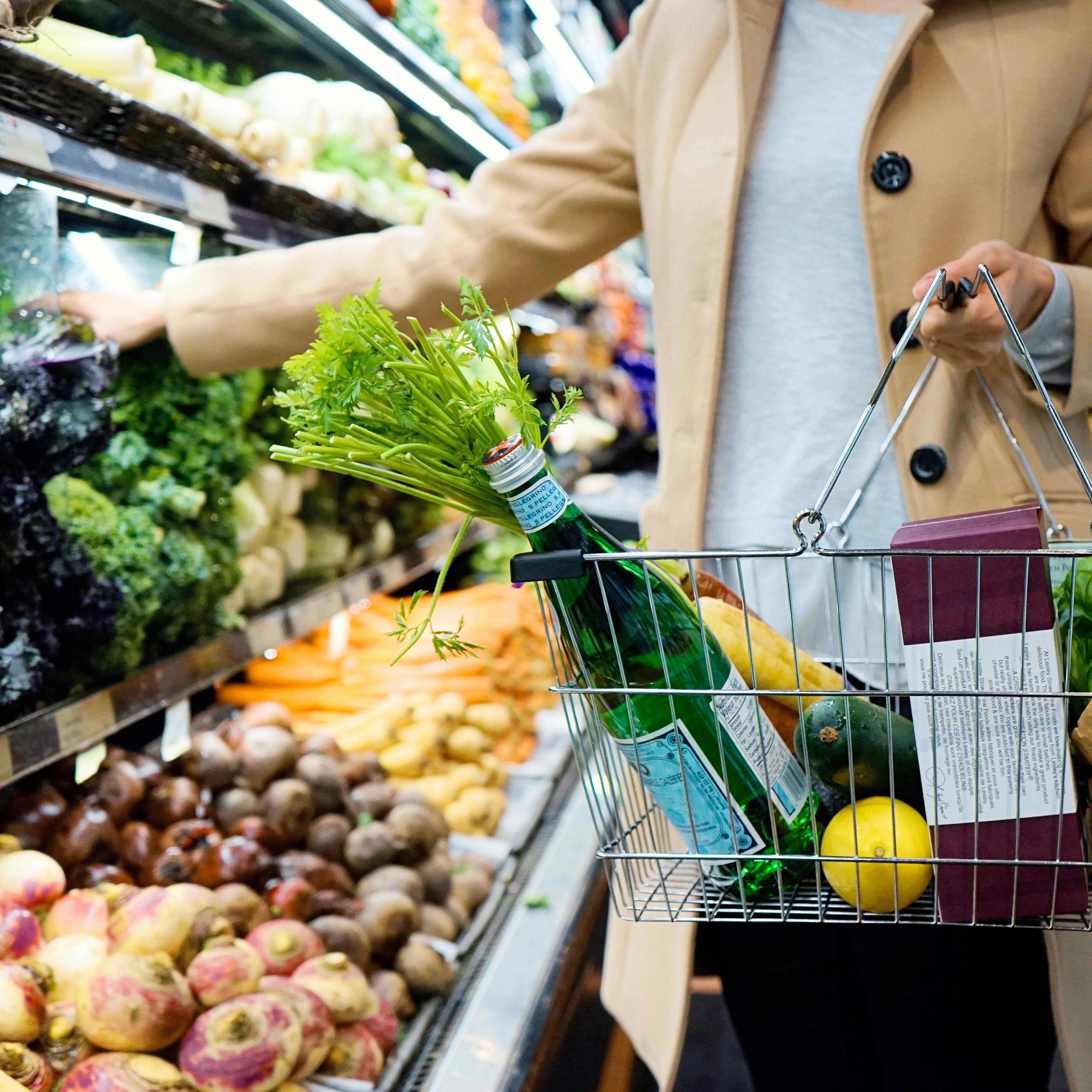
At first glance, food inflation may look like a temporary problem, but its effects have lingered. Even as the pace of inflation has cooled from earlier peaks, prices remain far above where they were just a few years ago, and households are still absorbing that cumulative increase every week at checkout.
Staples such as meat, dairy, fresh produce, and pantry basics have all seen notable rises over time. For families with children, the impact multiplies quickly. School lunches, snacks, and larger weekly shops mean even a modest price increase per item can translate into hundreds of dollars more each month.
Canadians are also dealing with a broader cost stack. Higher rent or mortgage payments, insurance, fuel, and utility bills leave less room for food spending. In many homes, groceries are the most flexible major expense, so when budgets tighten, people cut quality, reduce quantity, or turn to debt.
The debt households are using to cope
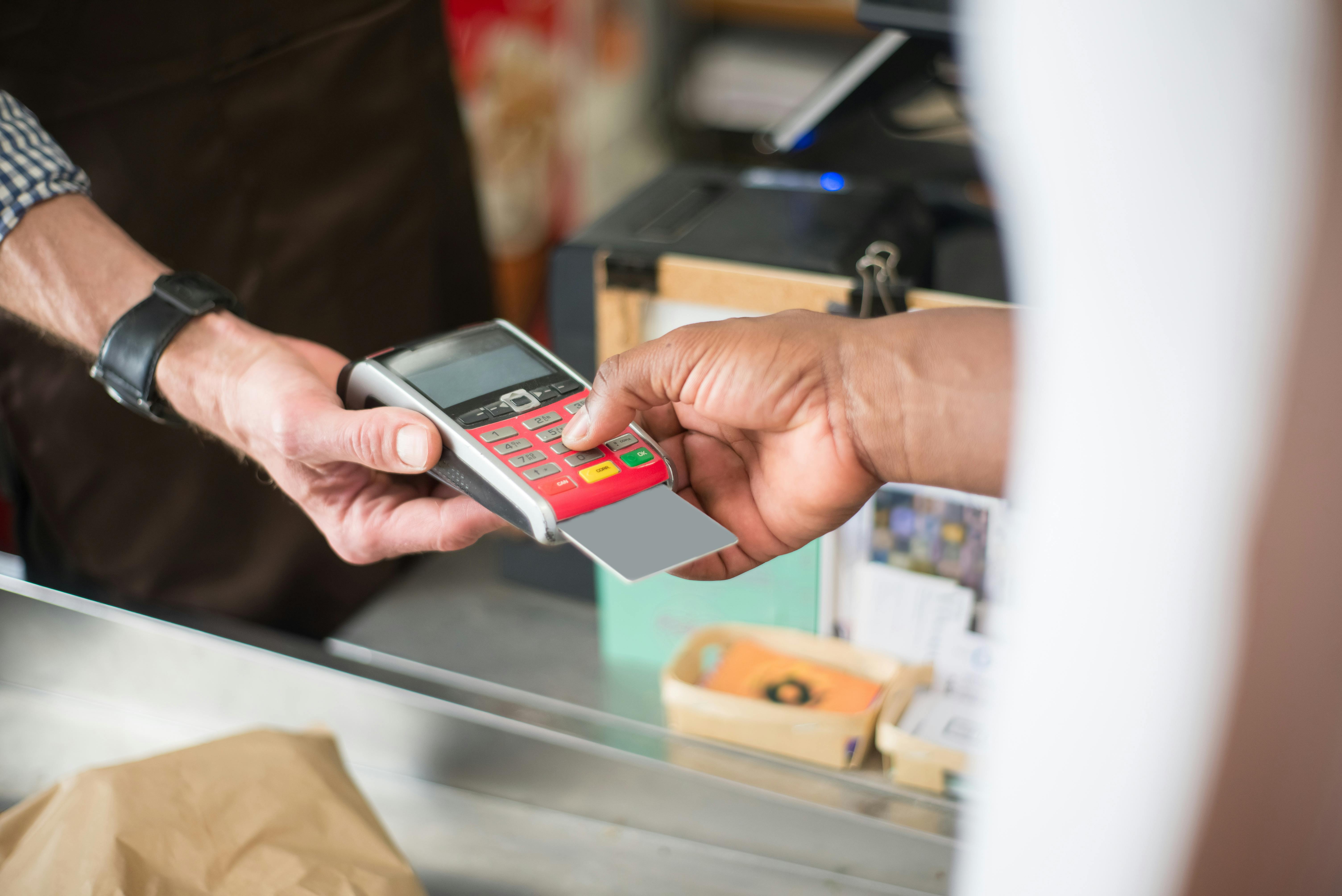
Not all debt is equal, and that matters here. Many households are leaning first on credit cards, which often carry interest rates above 20%. Using high-interest borrowing for groceries can trap families in a cycle where last month's meals are still being paid off long after the food is gone.
Others are tapping lines of credit, borrowing from family, using buy now, pay later services, or delaying other essential payments. In practical terms, that can mean skipping a utility bill, carrying a rent balance, or putting off a prescription in order to keep the fridge stocked.
Financial counsellors often describe this as distress borrowing, not discretionary spending. It is a sign that income no longer covers essentials. Once that gap opens, even a small emergency like a car repair or reduced work hours can push a household further behind.
Who is feeling it most sharply

The pain is not evenly spread across the country. Lower-income households have been under strain for years, but recent affordability pressures have pushed many middle-income families into unfamiliar territory, where steady employment no longer guarantees financial breathing room.
Urban renters are among the most exposed because shelter costs consume such a large share of income. In cities like Toronto and Vancouver, a household can appear stable on paper yet still have almost no flexibility after paying rent, transit, childcare, and groceries.
Northern and remote communities face an added burden because food costs are structurally higher. Indigenous communities, people on fixed incomes, students, and seniors living alone also face elevated risk. For them, debt for food is not an occasional patch. It can become a recurring survival strategy.
What this means for health and the economy

When households borrow to eat, the consequences go far beyond monthly statements. Nutrition often declines first, as people substitute cheaper, more processed foods for fresh and protein-rich options. That can worsen long-term health outcomes, especially for children, seniors, and people managing chronic illness.
Stress is another major cost. Persistent money anxiety affects sleep, mental health, relationships, and productivity at work. Food insecurity is closely linked to depression and family strain, and experts have long warned that financial instability creates harms that compound over time.
There is also a wider economic effect. Families carrying more debt tend to spend less elsewhere, which weakens consumer demand. At the same time, rising reliance on food banks and emergency assistance puts greater pressure on charities, local services, and public systems already under strain.
What needs to change next

Short-term coping strategies are no substitute for structural fixes. Relief can come from targeted support such as stronger income-tested benefits, school food programs, rental assistance, and debt advice services that help families avoid the highest-cost forms of borrowing.
But the longer-term solution is about restoring purchasing power. That means wage growth that keeps up with living costs, more affordable housing supply, and competition measures that improve price pressure in the grocery sector. Better social safety nets also matter when economic shocks hit.
For now, the 34% figure should be read as a warning, not an outlier. When a third of households must borrow to buy food, the issue is no longer personal finance alone. It is a national affordability problem that reaches into kitchens, classrooms, workplaces, and communities across Canada.




Leave a Reply