
A small menu change can spark a surprisingly big argument. Few restaurant issues divide customers faster than the question of whether substitutions should cost extra.
Why substitution fees trigger such strong reactions

At first glance, many diners see substitutions as a basic courtesy. If a customer asks for no onions, dressing on the side, or a different side dish, the request can feel minor and reasonable. From that perspective, an added charge looks less like cost recovery and more like a penalty for having preferences, allergies, or dietary goals.
That view is especially common when the swap appears cost-neutral. Replacing white toast with wheat toast or switching mashed potatoes for steamed vegetables may not seem like a meaningful burden. Customers often assume the restaurant is using ingredients it already has in stock, so they expect flexibility to be built into the meal price.
Restaurants, however, tend to see the issue through an operational lens. A substitution can affect prep routines, inventory forecasting, plating standards, and ticket timing during busy service. What looks simple at the table may require extra communication between server, expo, and kitchen staff, increasing the chance of mistakes and remakes.
That disconnect explains the tension. Diners are thinking about fairness in a single transaction, while operators are thinking about cumulative cost across hundreds of orders. When both sides use a different definition of what counts as "small," disagreement becomes almost inevitable.
Not all substitutions cost the same to a restaurant
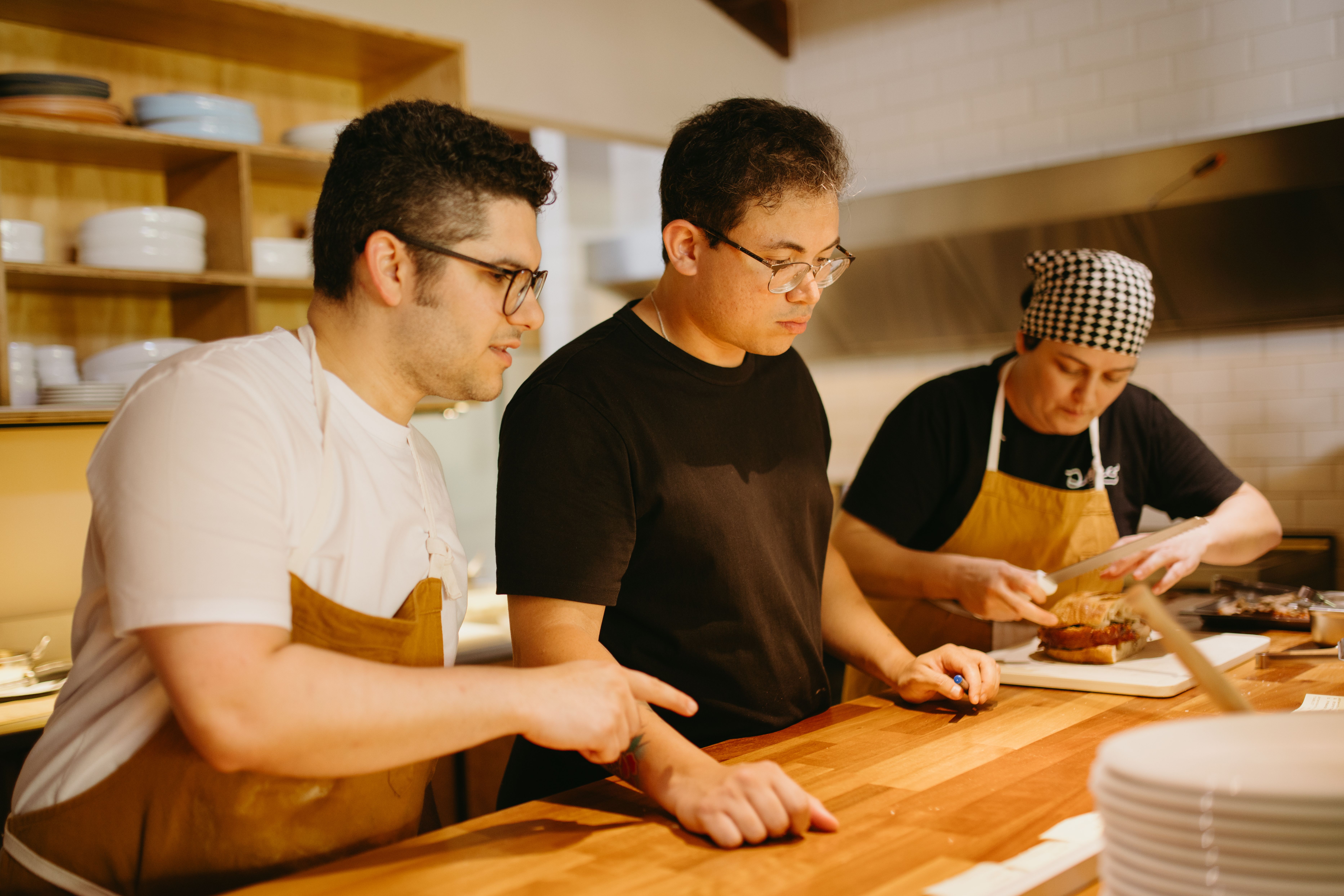
One important point often gets lost in this debate: substitutions are not all equal. Asking for pickles to be removed is very different from replacing fries with avocado, gluten-free bread, or a premium protein. The labor, food cost, and complexity vary widely, which is why blanket policies can frustrate both customers and restaurant owners.
In many full-service restaurants, food cost targets are tightly managed. Industry benchmarks often place ideal food cost somewhere around 28% to 35% of menu price, depending on concept and location. If a side salad costs significantly more than fries, or gluten-free pasta costs more than standard pasta, absorbing every swap can quickly erode margins that are already thin.
There is also the labor component. Some substitutions require opening a new prep item, changing a cooking method, or sanitizing tools to avoid cross-contact for allergens. According to the National Restaurant Association, labor and food remain two of the biggest cost pressures on operators, especially after years of inflation in ingredients, wages, and utilities.
Still, restaurants weaken their own argument when they charge identical fees for dramatically different requests. Customers are more likely to accept a charge for premium ingredients than for deleting an item or making a simple like-for-like swap. The more precise the pricing, the more legitimate it feels.
The customer objections are not just about money

For many guests, the irritation is not the extra $1 or $2 alone. It is the feeling that restaurants are monetizing every minor preference. In an era of service fees, delivery markups, and rising menu prices, substitution charges can become a symbol of nickel-and-diming, even when the amount itself is small.
Dietary needs intensify that frustration. People who avoid dairy, gluten, meat, or high-sodium foods often feel they are being charged to make a dish edible for them. Parents ordering for children, older diners with medical restrictions, and people with allergies may see added fees as unfair because the request is not about luxury but necessity.
There is also a consistency problem. One restaurant may swap sides freely, another may charge only for premium items, and another may refuse substitutions entirely. That unpredictability makes customers feel they are navigating hidden rules. Research in consumer behavior has repeatedly shown that people tolerate higher prices better than surprise charges that appear late in the ordering process.
Some diners also object on principle when a substitution lowers the restaurant's cost. If they remove bacon, skip cheese, or decline a sauce, they may reasonably wonder why the bill stays the same or rises. When the economics are not obvious, trust becomes the real casualty.
How pricing transparency can reduce friction

Clear communication changes the tone of this issue almost immediately. Customers are far more accepting of fees when they are stated plainly on the menu, repeated in online ordering systems, and explained consistently by staff. Surprise is what turns an operational policy into a customer service problem.
The best operators separate substitutions into understandable categories. For example, no-charge modifications might include removing ingredients or switching among equal-cost sides. A modest upcharge could apply to premium substitutes such as fruit, soup, gluten-free buns, or extra protein. That structure signals that the fee is tied to cost, not arbitrary revenue extraction.
Menu design matters as well. Build-your-own formats at fast-casual chains have trained customers to expect visible pricing for add-ons and swaps. By contrast, traditional fixed-plate menus can make extra charges feel less intuitive. Some restaurants are responding by listing side upgrade prices directly under entrees so guests can make choices without asking.
Staff training is equally important. A server who says, "You can swap fries for salad for $2 because it is a higher-cost side," is giving context rather than just delivering bad news. That brief explanation often preserves goodwill and reduces conflict at the table.
What industry practices reveal about the debate

Different segments of the restaurant industry handle substitutions in noticeably different ways. Fast-food chains usually allow limited customization because speed and consistency matter most. Fast-casual brands often encourage customization, but they price it into a modular system where every extra or upgrade has a clear cost attached.
Independent full-service restaurants face a harder balancing act. They rely more heavily on hospitality and guest loyalty, but they also have less purchasing power than national chains. A neighborhood bistro may want to be accommodating, yet repeated off-menu requests can disrupt a small kitchen more than customers realize, especially during peak hours.
Fine dining brings another model. Tasting-menu restaurants frequently restrict substitutions except for allergies or serious dietary needs because dishes are designed with precise balance. In those settings, the issue is not just food cost but culinary intent, prep sequencing, and service flow. Guests may accept that structure because expectations are set early.
Across the industry, one pattern is clear: policies work best when they match the restaurant's concept. Problems arise when the service style promises flexibility but the pricing feels rigid, or when customization is allowed informally without a coherent system behind it.
A fair policy balances hospitality with economic reality

The strongest argument against universal substitution fees is simple: hospitality should include a reasonable degree of accommodation. If a guest wants tomatoes removed or asks for one standard side in place of another, charging extra can seem petty and damaging to the relationship. Restaurants live on repeat business, and small acts of flexibility often build disproportionate loyalty.
The strongest argument for charging, however, is just as practical. Restaurants operate on narrow margins, and a growing number of substitutions involve premium ingredients, allergy protocols, or labor-intensive changes. Treating every request as free may please some guests in the moment, but it can quietly weaken profitability and create inconsistency across the menu.
The most defensible middle ground is a tiered approach. No-charge changes should cover removals and simple equal-value swaps. Extra charges should apply only when the restaurant is providing more expensive ingredients, more labor, or more complexity. That standard is easy for staff to explain and easier for customers to accept.
In the end, customers are divided because both sides have valid concerns. People want fairness and flexibility, while restaurants need predictable costs and smooth execution. The debate is not really about a side of fries or a gluten-free bun. It is about whether pricing feels reasonable, visible, and respectful.



Leave a Reply