
War reached deep into Canadian kitchens. What people ate, saved, traded, and even whispered about at the butcher's counter became part of the national war effort.
Selling rationed food privately could bring criminal charges

The most shocking rule to modern readers is simple: reselling rationed food outside the legal system was a crime. During WWII, the federal Wartime Prices and Trade Board oversaw rationing and price controls, and black market dealing in essentials such as butter, sugar, tea, coffee, and meat was treated as an attack on fairness and supply.
This was not seen as a minor side hustle. Authorities believed private sales diverted food away from soldiers, war workers, and families following the rules. Newspaper coverage from the period shows that prosecutions were public, deliberate, and meant to discourage anyone tempted to make easy money from scarcity.
Penalties could include fines, seizure of goods, and prosecution under wartime regulations. In practical terms, a neighbour quietly selling extra butter or meat for cash was not just bending the rules. In the eyes of the state, that person was undermining the war effort itself.
Coupons, not cash, determined what you were allowed to buy

Money alone could not always buy food. That idea clashes hard with modern consumer life, but ration books made coupons as important as dollars, and often more important. If you lacked the correct coupon, a shopkeeper could not legally complete the sale, even if shelves still held the item.
Canada introduced food rationing in stages, beginning with products under heavy wartime pressure. Sugar was among the first major targets, followed by butter, tea, coffee, and preserves, while meat rationing arrived later as supply and shipping demands tightened.
This system was designed to spread shortages evenly across the population. Officials argued that rationing protected low-income households from being priced out by wealthier buyers. It also gave the government a way to direct national consumption without banning foods outright, a balance that looked practical then and deeply intrusive now.
Shopkeepers had to police customers and keep records

Retailers were not just sellers. They became frontline enforcers of federal policy, expected to collect coupons, respect ceiling prices, and maintain records that could be inspected. A grocer who ignored the rules risked losing more than inventory. Their licence, reputation, and legal standing could all be damaged.
This turned ordinary shopping into a paper trail. Butchers, grocers, and dairy sellers had to verify that each rationed purchase matched the rules, and customers often faced suspicion if books appeared altered, overused, or inconsistent with family allotments.
For small businesses, compliance brought real strain. Staff needed training, bookkeeping became heavier, and mistakes could look like fraud. The state effectively deputized local merchants, making them responsible for balancing customer service with wartime enforcement in a way that would feel extraordinary in peacetime Canada.
Hoarding food was treated as selfish and dangerous
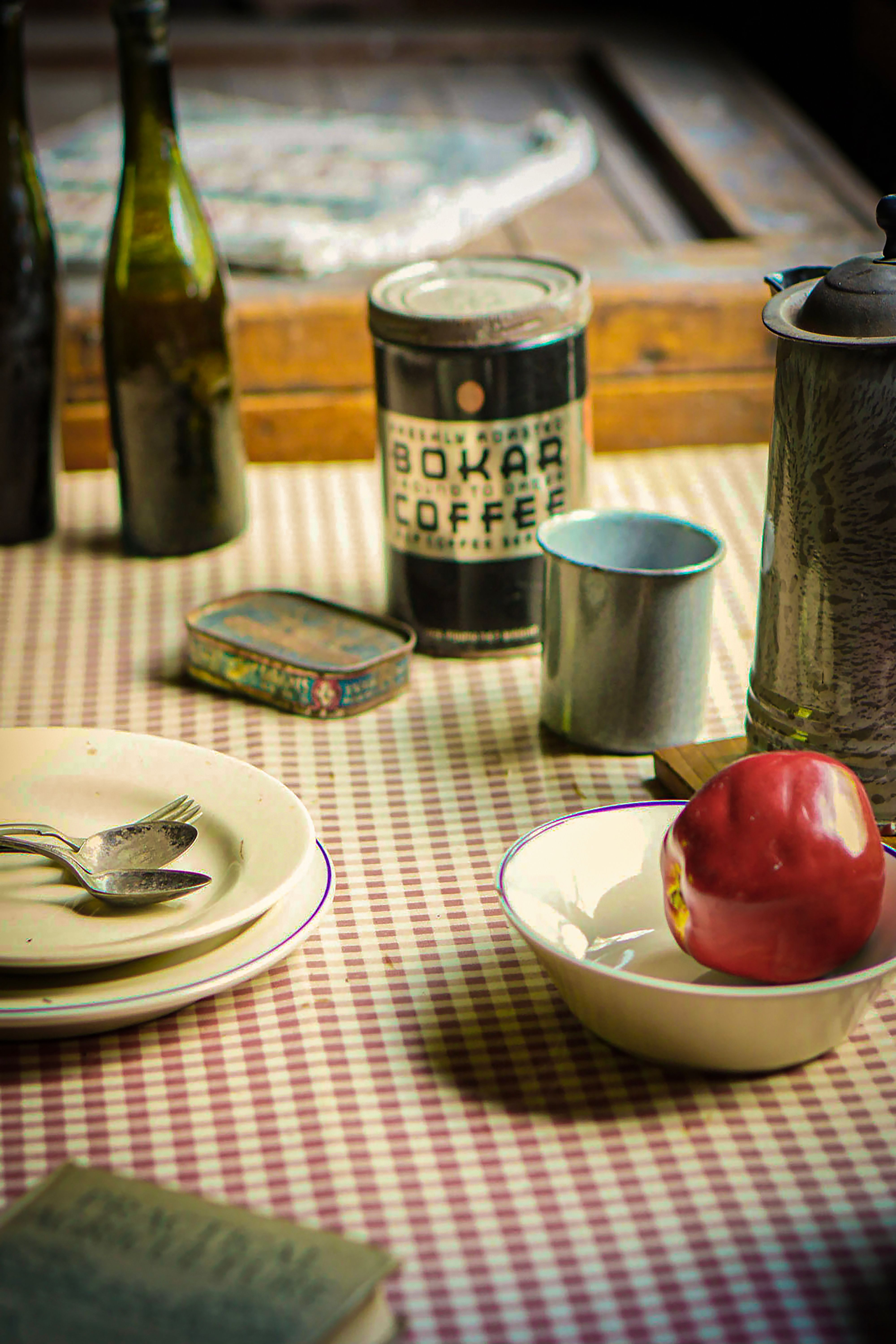
Buying extra for comfort was no longer a private choice. Hoarding rationed goods was condemned because it disrupted distribution and encouraged panic buying. Government campaigns framed restraint as patriotic, warning that stockpiling sugar, butter, or canned goods hurt neighbours and weakened national discipline.
The logic was straightforward. If enough people bought more than they needed, shelves emptied faster, prices came under pressure, and black markets became more profitable. Hoarding also complicated transport and storage planning at a time when shipping space, rail capacity, and imported supply lines were under wartime stress.
Officials responded with inspections, publicity campaigns, and penalties for violations. Social pressure mattered too. In many communities, being seen as greedy during rationing could damage your standing. The wartime message was clear: food was not just personal property, it was part of a managed national resource.
Price ceilings meant charging too much could be punished

It was not only what you sold, but the price you asked. The Wartime Prices and Trade Board imposed ceilings to prevent inflation, profiteering, and bidding wars over essentials. In effect, a merchant could not simply raise prices because demand was high and supply was tight.
This mattered enormously in a wartime economy. Millions of households faced uncertainty, and Ottawa feared that unchecked food inflation would punish workers' families, trigger unrest, and make rationing meaningless. Price control was therefore paired with coupon control, creating a system that regulated both access and affordability.
Violations could lead to prosecution and public embarrassment. Authorities wanted examples made of offenders because profiteering was politically toxic. Today, surge pricing is normal in many sectors. In 1940s Canada, charging above the approved level for key foods could mark a seller as exploiting the country in wartime.
Even home-front eating habits became a matter of state policy

The strangest rule of all may be the broadest one: the government actively tried to shape what Canadians ate. Through posters, radio messaging, cookbooks, and women's pages in newspapers, officials promoted substitute ingredients, waste reduction, home gardening, and careful meal planning to stretch rationed supplies.
This was not merely friendly advice. It formed part of a coordinated home-front policy tied to nutrition, morale, and logistics. Housewives, in the language of the era, were urged to save fats, preserve produce, use leftovers intelligently, and serve meals that balanced health with restriction.
The result was a food culture built around obedience, thrift, and surveillance. Seen from today's perspective, these rules can sound extreme. Yet in wartime Canada, they reflected a government convinced that victory depended not just on factories and battlefields, but on what happened at every dinner table.




Leave a Reply