
Some foods feel timeless only after you learn how long they have actually been around. Peanut butter is a perfect example, and it opens the door to several even older culinary surprises.
Peanut butter's "modern" origin is older than most people think

Peanut butter often seems like a 20th-century pantry staple, yet one of its key early milestones came in 1884. That year, Montreal chemist Marcellus Gilmore Edson received a Canadian patent for a peanut paste made by milling roasted peanuts between heated surfaces until the product reached a buttery consistency.
Edson was not claiming to invent peanuts, roasted nuts, or even nut pastes in the broadest sense. What made the patent notable was the process and the clear intention to create a spreadable, stable food that could be eaten easily, including by people who had trouble chewing solid foods.
Commercial peanut butter as people know it today developed later, especially in the United States through improved grinding, hydrogenation, and mass production. Still, the Quebec patent matters because it anchors peanut butter in a documented industrial history that is far older than many shoppers would guess from a modern supermarket shelf.
Pasta existed long before the age of Italian nationhood
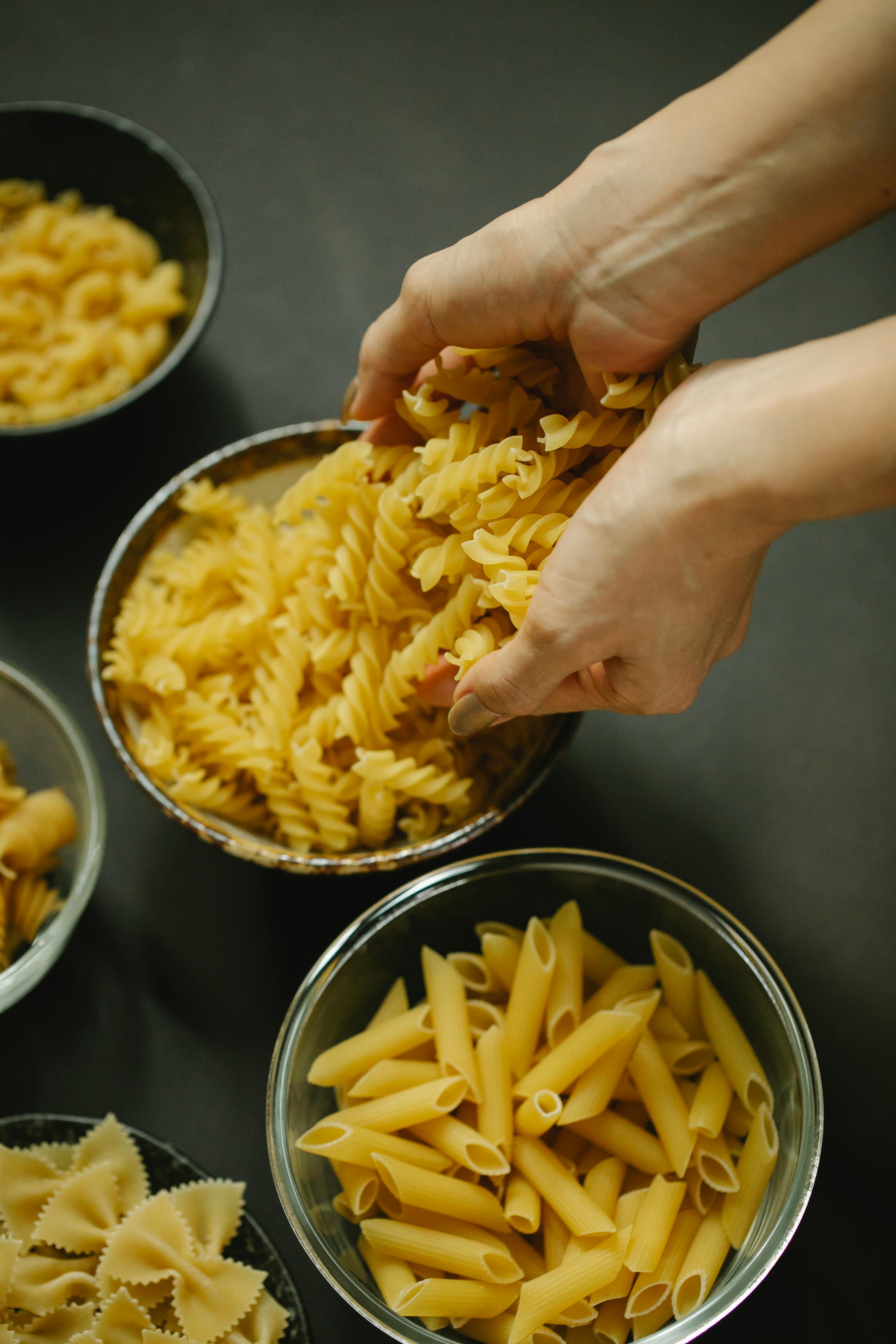
Pasta is so strongly tied to modern Italy that many assume it emerged relatively late. In reality, historians have traced noodle-like and pasta-like foods deep into the ancient Mediterranean world, with evidence from writers in classical antiquity and from later medieval records describing doughs cut into strips or shapes and then cooked.
By the Middle Ages, dried pasta was already well established in parts of the Italian peninsula, especially in Sicily, where cultural exchange across the Mediterranean helped shape food traditions. Arab influence is frequently cited by food historians, particularly in techniques for drying dough for storage and trade.
The result is that pasta predates Italy as a unified nation by many centuries. What now feels like a national symbol was, in fact, built over long periods of agricultural change, trade, and regional adaptation, making its history much older and more layered than popular myths suggest.
Yogurt has roots in early herding societies

Yogurt may look like a sleek refrigerated product of modern nutrition culture, but its beginnings are ancient. Food historians generally connect yogurt to early pastoral peoples in West and Central Asia, where milk carried in animal-skin bags or stored in warm conditions would naturally ferment through bacterial activity.
That fermentation was not a flaw. It improved shelf life, changed texture, and made milk easier for many people to digest. Long before probiotic marketing language existed, herding communities were relying on fermented dairy because it was practical, nutritious, and relatively resilient in environments without refrigeration.
Over time, yogurt spread across the Middle East, South Asia, the Balkans, and beyond, taking on local forms in drinks, sauces, and cultured dishes. Its age is a reminder that many "functional foods" celebrated today are, in truth, deeply traditional foods refined by necessity and observation over thousands of years.
Mustard was seasoning ancient meals before modern condiments existed
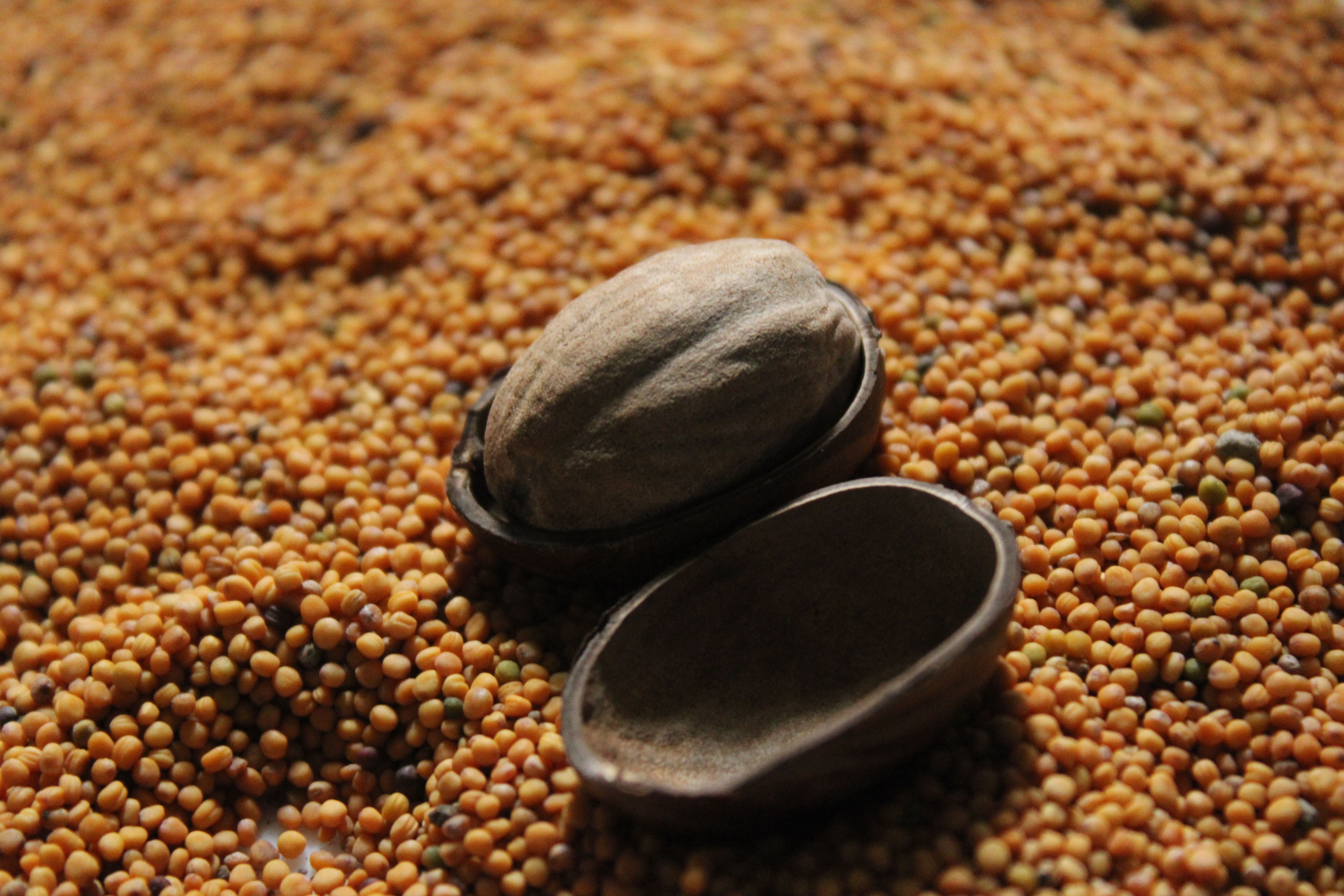
Mustard often gets mentally filed next to hot dogs, baseball games, and squeeze bottles. Yet mustard seeds were used in antiquity, and prepared mustard has roots in ancient civilizations, including the Romans, who mixed crushed seeds with unfermented grape juice, or must, which is where the condiment's name is believed to come from.
Because mustard grows widely and seeds keep well, it became one of the most durable seasonings in the historical record. Medieval monasteries and households across Europe helped preserve and refine mustard-making, turning it from a simple pungent mixture into a recognizable condiment with regional identities.
What is striking is how little the core idea has changed. Grind seeds, add liquid, and create heat, aroma, and depth. In culinary terms, mustard is a very old technology still hiding in plain sight inside one of the most ordinary bottles on the table.
Ice cream's ancestors cooled palates centuries before freezers
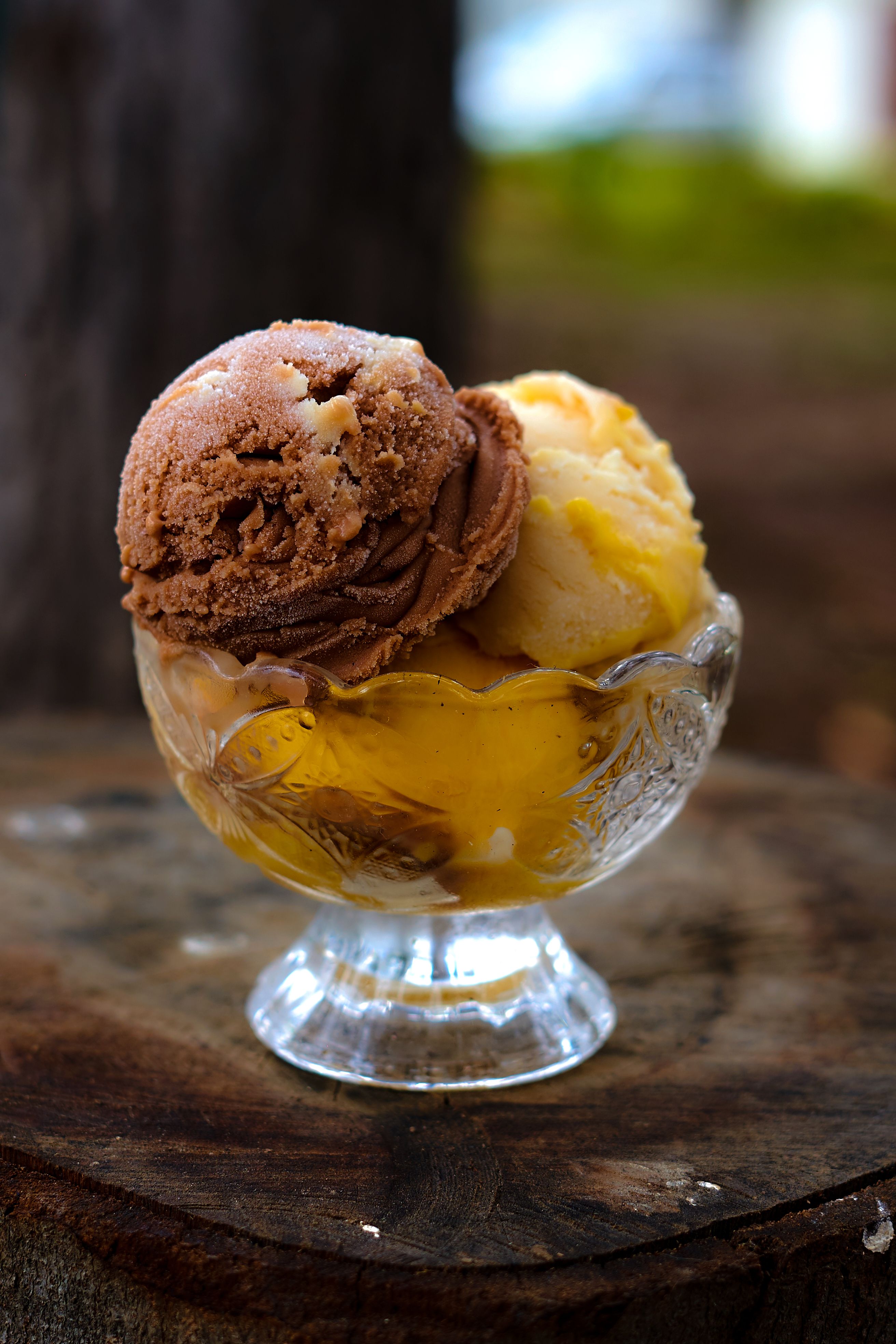
Ice cream sounds inseparable from industrial refrigeration, but frozen desserts predate the modern freezer by a wide margin. Ancient societies, including Persians and later culinary traditions in parts of Asia and Europe, created chilled sweets using snow, ice, fruit syrups, and clever storage methods long before mechanical cooling existed.
The texture was not always identical to a modern scoop, and the ingredients varied by place and era. Still, the underlying idea of combining sweetness with controlled cold was established centuries ago, especially among elites who could afford the labor required to harvest, store, and transport ice.
By the 17th and 18th centuries, frozen desserts were circulating through European courts and urban food culture. Modern ice cream is the descendant of those earlier experiments, proving that even one of today's most familiar treats belongs to a surprisingly old culinary lineage.




Leave a Reply