
In some Canadian schools, lunch is becoming a lesson in history, health, and belonging. What appears on the plate now carries meaning far beyond calories.
More Than a Menu Change

This shift is not simply about adding unfamiliar ingredients to cafeteria trays. In many Indigenous communities, "country foods" refers to traditional foods harvested from the land and water, such as moose, caribou, Arctic char, salmon, bannock, berries, and wild rice. These foods are deeply tied to place, seasonal knowledge, and community identity.
Schools in parts of Nunavut, the Northwest Territories, northern Ontario, Manitoba, and British Columbia have begun incorporating such foods into meal programs where local supply, regulations, and community partnerships make it possible. In some cases, meals are prepared by community cooks. In others, Elders and harvesters help guide what is served and how it is discussed with students.
The result is a meal program that does more than feed children. It signals that Indigenous knowledge belongs inside schools, not outside them.
Why Traditional Foods Matter for Student Health
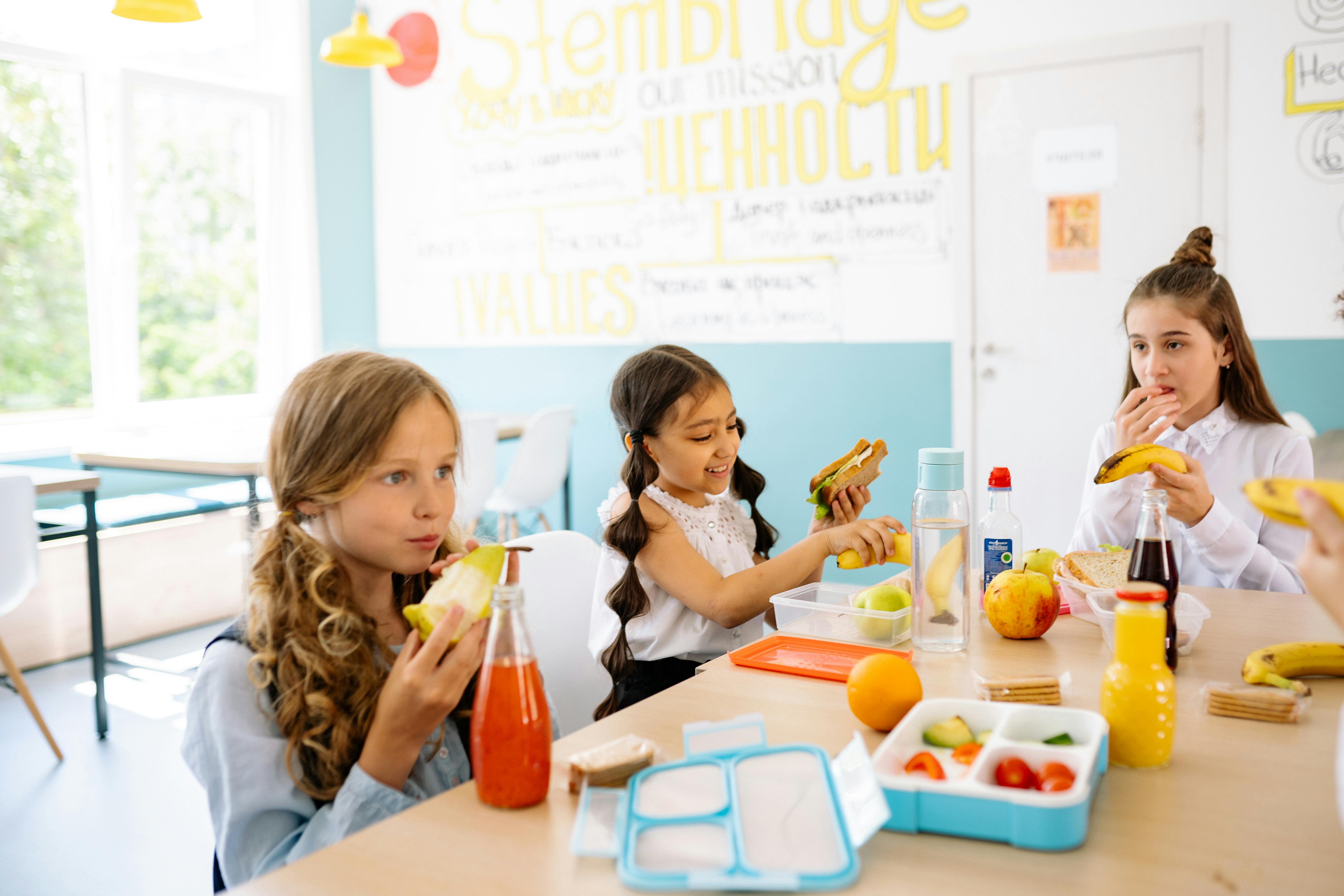
The strongest case for country foods starts with nutrition. In many remote communities, store-bought food is expensive, highly processed, and often arrives with limited freshness because of transportation challenges. According to reporting by CBC and public health researchers, the cost of basic groceries in northern Canada can be dramatically higher than in southern cities.
Traditional foods can offer lean protein, iron, omega-3 fatty acids, and other nutrients that support growth and concentration. Fish, game meats, and gathered foods often compare favorably with processed alternatives that are high in sodium and sugar. For students, better food quality can improve energy, classroom focus, and overall well-being.
There is also a mental and emotional health dimension. Familiar foods can create comfort, pride, and a sense of cultural safety, especially for Indigenous children who have not often seen their traditions respected in formal school settings.
Teaching Culture Through Food

Food teaches in ways textbooks cannot. When schools serve country foods alongside lessons about harvesting seasons, respectful use of animals, preservation methods, and sharing practices, students learn that eating is part of a larger relationship with the land.
This approach matters because Canadian schools have long failed to value Indigenous knowledge systems. The Truth and Reconciliation Commission called for stronger education about Indigenous histories and cultures, and food-based learning offers a practical way to do that. It moves reconciliation from abstract statements into daily experience.
Elders often play a central role. They may explain why nothing is wasted after a hunt, how gratitude is expressed, or why certain foods are prepared for gatherings. These teachings help all students, Indigenous and non-Indigenous alike, understand that food can carry law, ethics, and memory.
The Push for Food Sovereignty

At the heart of this movement is a bigger idea: Indigenous food sovereignty. That means communities having greater control over how food is harvested, distributed, prepared, and taught. School meal programs can support that goal by creating steady demand for local foods and by recognizing local decision-making.
This is especially important in regions where colonial policies disrupted traditional food systems. Forced relocations, residential schools, land restrictions, and environmental damage all weakened access to customary foods. Bringing those foods into schools is, in part, a response to that history.
Programs work best when communities lead them. Nutrition experts, school administrators, hunters, harvesters, and families must coordinate around safety standards, funding, storage, and cultural protocols. When that happens, school food becomes a tool of recovery rather than assimilation.
The Practical Challenges Schools Must Navigate

Good intentions alone do not put country foods on plates. There are real hurdles involving federal and provincial food safety rules, liability concerns, inconsistent funding, and the difficulty of sourcing enough locally harvested food for regular school service. In remote areas, storage and kitchen infrastructure can also be limited.
There is also no single model that fits every region. What makes sense in a coastal community with access to salmon may not work in the Arctic or in urban schools serving diverse Indigenous populations from many Nations. Programs must reflect local traditions rather than offering a generic version of "Indigenous food."
That is why the most successful efforts are flexible. They often combine traditional foods with standard meal items, integrate land-based education, and rely on long-term partnerships instead of one-time cultural events.
Why This Change Resonates Beyond Indigenous Communities

What is happening in these schools speaks to a broader Canadian conversation about whose knowledge counts. A meal that includes wild game, fish, or gathered plants, paired with traditional teachings, tells students that learning can be local, relational, and rooted in respect.
It also offers a model for better school food generally. Across Canada, advocates have pushed for meal programs that are healthier, more culturally relevant, and less dependent on ultra-processed products. Country food initiatives show that school meals can reflect both nutritional science and community knowledge.
For many families, that combination is powerful. It helps children eat well, see their identities affirmed, and understand the living traditions of the places they call home.




Leave a Reply