
Some snacks disappear with the decade that made them famous. These five Canadian originals did the opposite.
Ganong Chicken Bones
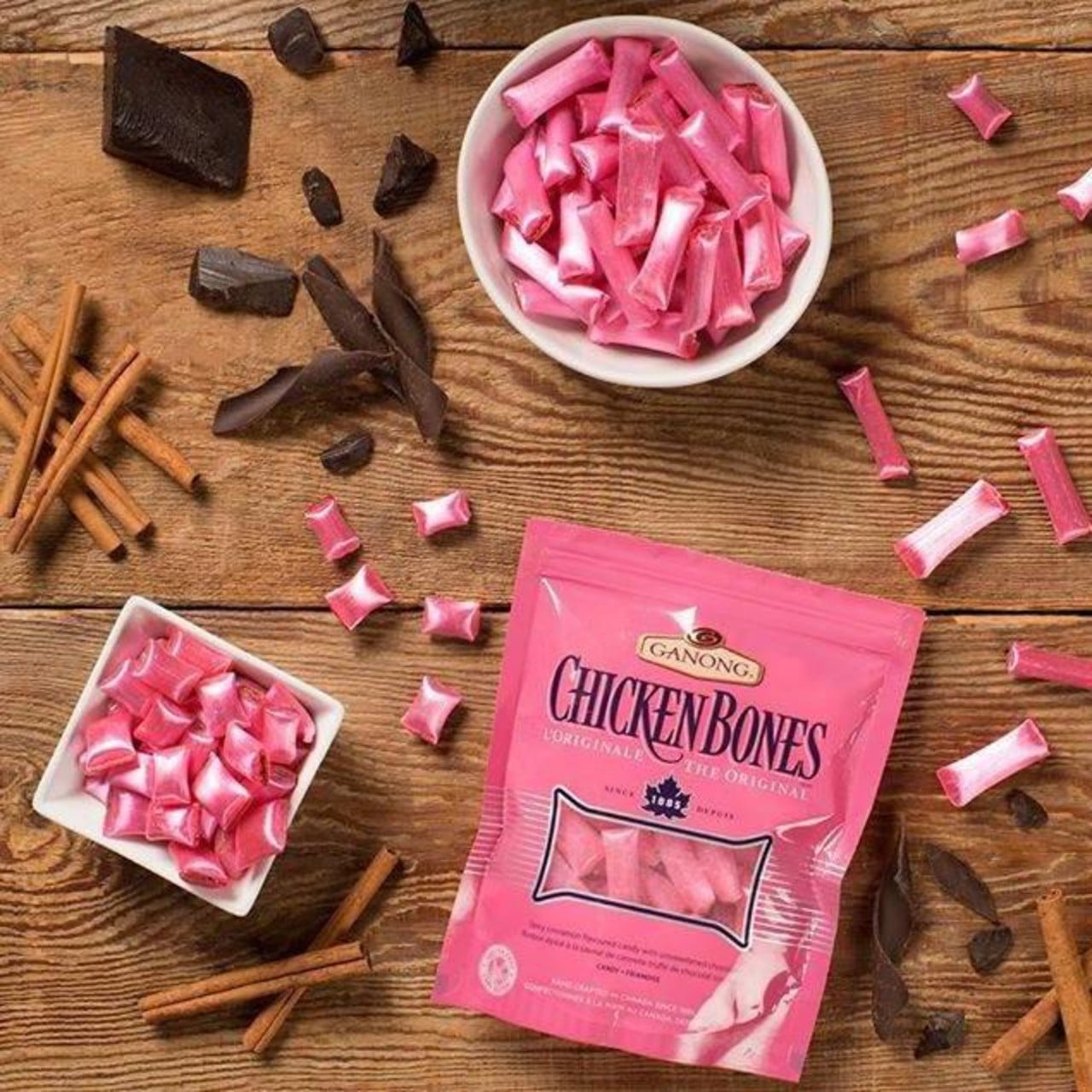
Few candies announce themselves like Chicken Bones. Created by Ganong in New Brunswick in the 1880s, they are thin pink cinnamon shells wrapped around bittersweet chocolate, a combination that still feels unusual today. That contrast is exactly why they endure.
The candy was invented in St. Stephen, a town deeply tied to Canada's chocolate history. Ganong, founded in 1873, is one of the country's oldest candy companies, and Chicken Bones became one of its signature products well before World War II. Their seasonal popularity, especially around Christmas, helped preserve demand across generations.
What makes Chicken Bones historically important is not just age but continuity. Many nineteenth-century sweets vanished as tastes shifted or production changed hands. Chicken Bones survived because Ganong kept the recipe recognizable while scaling it for modern retail, proving that a regional specialty can become a national tradition without losing its identity.
Hawkins Cheezies

Crunch matters in snack history, and Hawkins Cheezies built a reputation on it. Introduced in 1949, Cheezies are often described as old-school compared with lighter corn puffs, but their dense texture and bold cheddar flavour are exactly what set them apart on Canadian shelves.
Although Cheezies miss the strict pre-World War II cutoff, their roots are closely tied to an earlier food-processing era in Canada when domestic manufacturers were developing durable packaged snacks for mass sale. Hawkins, based in Ontario, kept the product family-owned and largely unchanged, which is rare in a category dominated by reformulations and multinational ownership.
Their staying power comes from consistency. Canadians know the bright orange fingers, the strong cheese seasoning, and the unmistakable crunch. In a market that constantly chases novelty, Cheezies became a case study in how a simple formula can outlast trends by refusing to imitate softer, airier competitors.
Christie Peek Freans Digestive
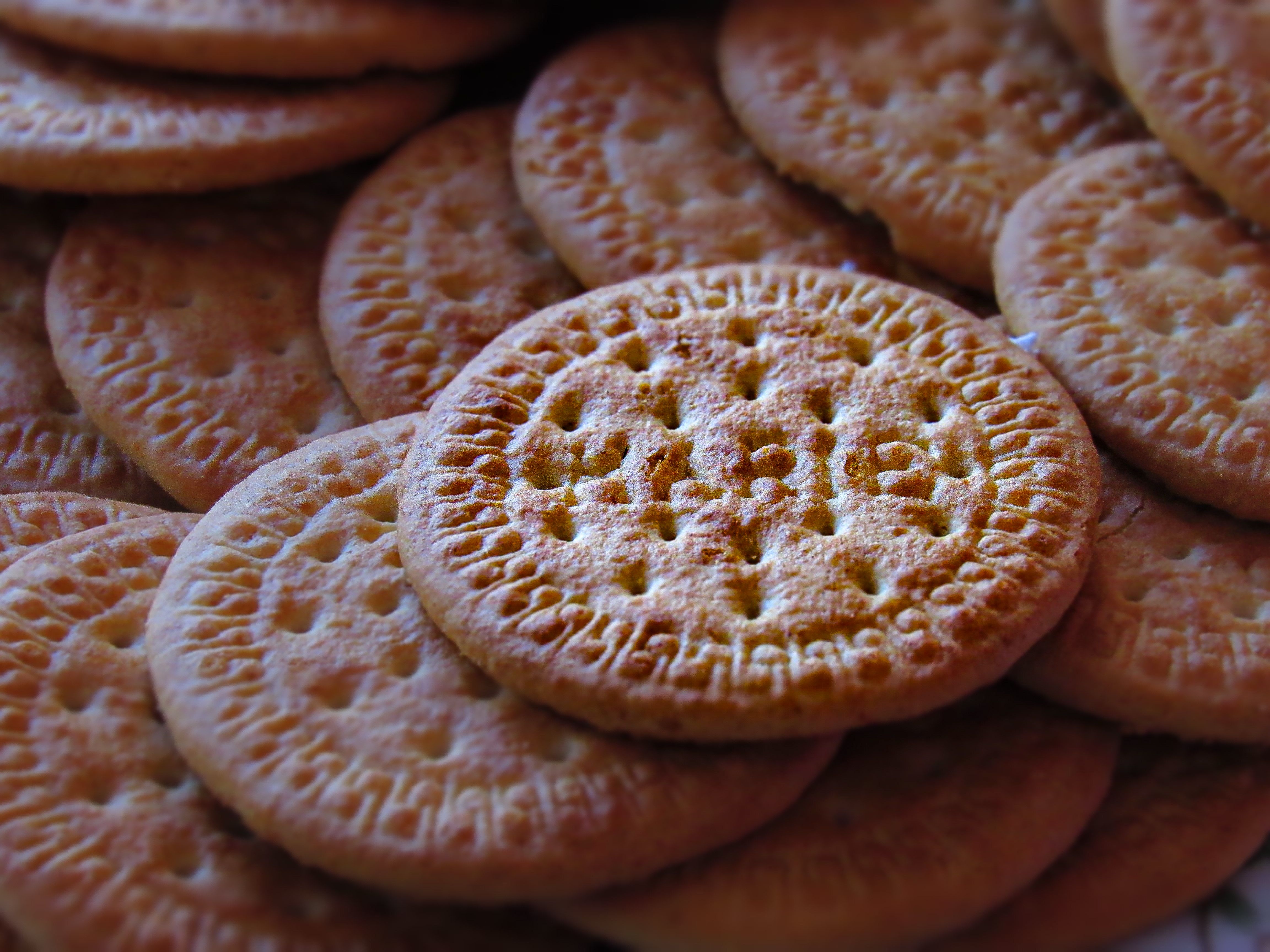
Some enduring snacks succeed by feeling dependable rather than flashy. Digestive biscuits, sold in Canada through Christie and later Christie Peek Freans lines, became pantry staples in the early twentieth century as tea biscuits and semi-sweet crackers gained traction with Canadian households.
By the 1920s and 1930s, packaged biscuits were benefiting from better factory production, longer shelf life, and broader rail distribution. Canadian consumers embraced products that could work as a snack, dessert base, or lunchbox filler. Digestives fit that need neatly, offering a mildly sweet, wheaty taste that paired easily with cheese, jam, or tea.
Their survival says a great deal about habit. Snacks do not always last because they are exciting; often they last because they are useful. Digestives remained relevant by bridging categories, sitting somewhere between cookie and cracker, and adapting smoothly to both everyday eating and recipes like crumb crusts.
Ganong Pal-o-Mine

Before protein bars and energy snacks, there was a chocolate bar with heft. Ganong's Pal-o-Mine, introduced in 1923, combined peanuts and a soft fudge-style centre under chocolate, making it one of Canada's earliest enduring bar-format snacks.
Its timing mattered. The 1920s were an important decade for confectionery manufacturing, with companies refining methods for enrobing, portioning, and shipping chocolate more reliably. Pal-o-Mine entered the market as an affordable indulgence, and its peanut-and-fudge profile offered a richer bite than many simpler bars of the era.
Today, Pal-o-Mine stands as a reminder that longevity often comes from balance. It is sweet but not one-note, filling without being oversized, and nostalgic without feeling obsolete. For many Canadians, especially in Atlantic Canada, it represents the kind of regional classic that survived by staying true to its original appeal.
Christie Arrowroot Biscuits
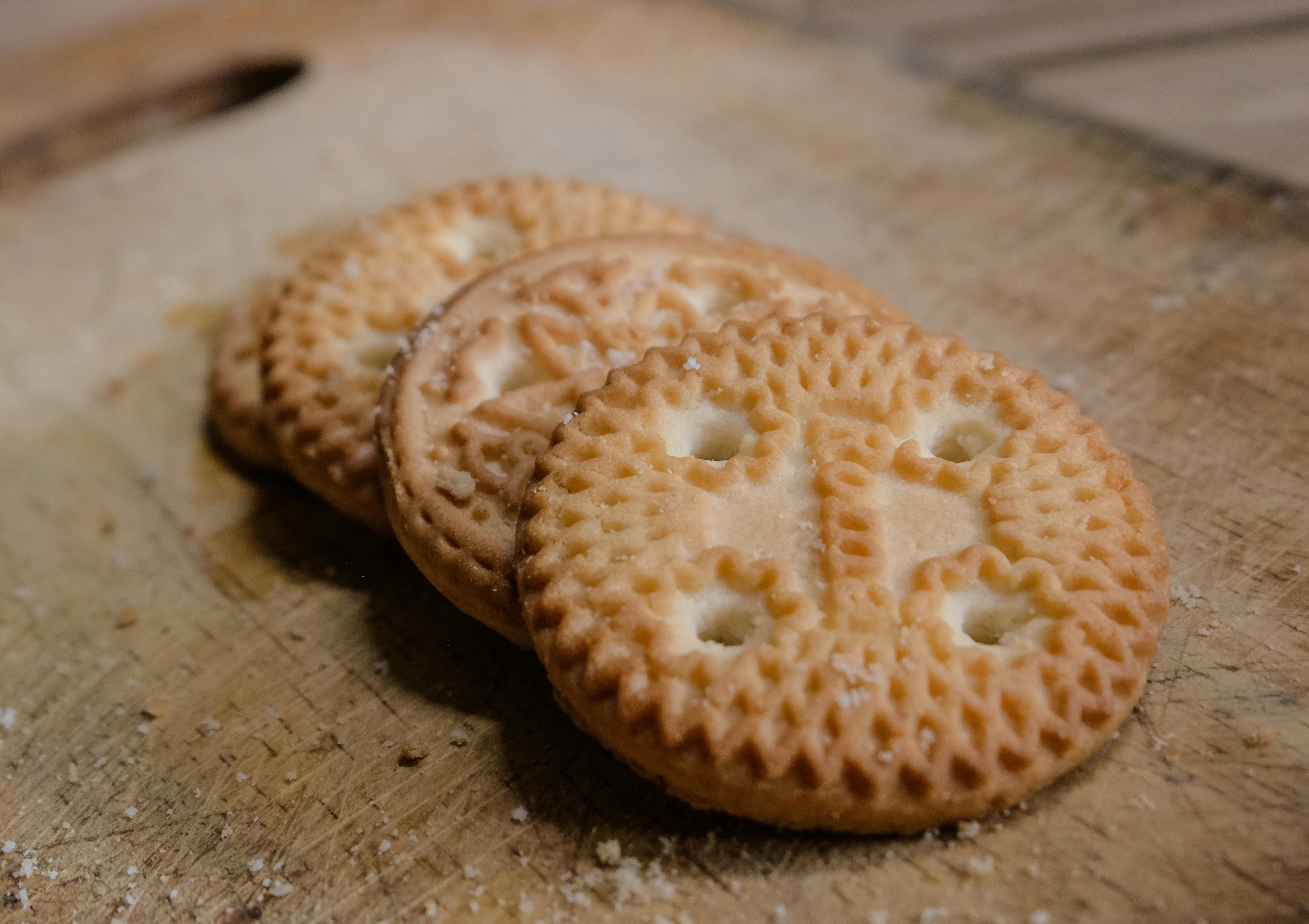
Plain-looking snacks can have remarkable staying power. Christie Arrowroot biscuits were already well established in Canada before World War II, and their gentle sweetness made them a staple for children, tea tables, and households that preferred simple packaged treats.
Arrowroot biscuits reflect an older philosophy of snacking, one shaped by digestion, restraint, and routine. In the early twentieth century, many families wanted foods that felt reliable and modest rather than decadent. Christie's manufacturing reach helped make that style of biscuit widely available across Canada, turning a humble product into a familiar national presence.
Their continued existence is no accident. Arrowroot biscuits remain useful in ways trend-driven snacks rarely are: they suit toddlers, travel well, crumble neatly into desserts, and carry strong nostalgic value. That combination of practicality and memory has kept them alive long after countless more fashionable snacks faded away.




Leave a Reply