
Higher gas prices don't just make driving more expensive. They quietly ripple through the restaurant industry twice, raising business costs while also shrinking customers' dining budgets.
Higher Fuel Prices Reach Far Beyond the Gas Pump

When gas prices rise, the impact stretches well beyond commuters filling their tanks. For Canadian restaurants, higher fuel costs create a chain reaction that affects nearly every stage of the business. From transporting ingredients to delivering finished meals, fuel is an essential part of getting food from farms to customers' tables.
Restaurants rely on a complex supply network involving farmers, food processors, warehouses, and trucking companies. Every vehicle in that chain consumes fuel, and when fuel becomes more expensive, transportation costs often increase as well. Those added expenses eventually reach restaurants through higher prices for ingredients and supplies.
This is why fuel prices matter even if a restaurant doesn't own delivery vehicles. Every shipment of fresh produce, dairy products, meat, beverages, and kitchen essentials carries transportation costs, making gasoline an important factor in overall operating expenses.
Every Delivery Costs More Than Before
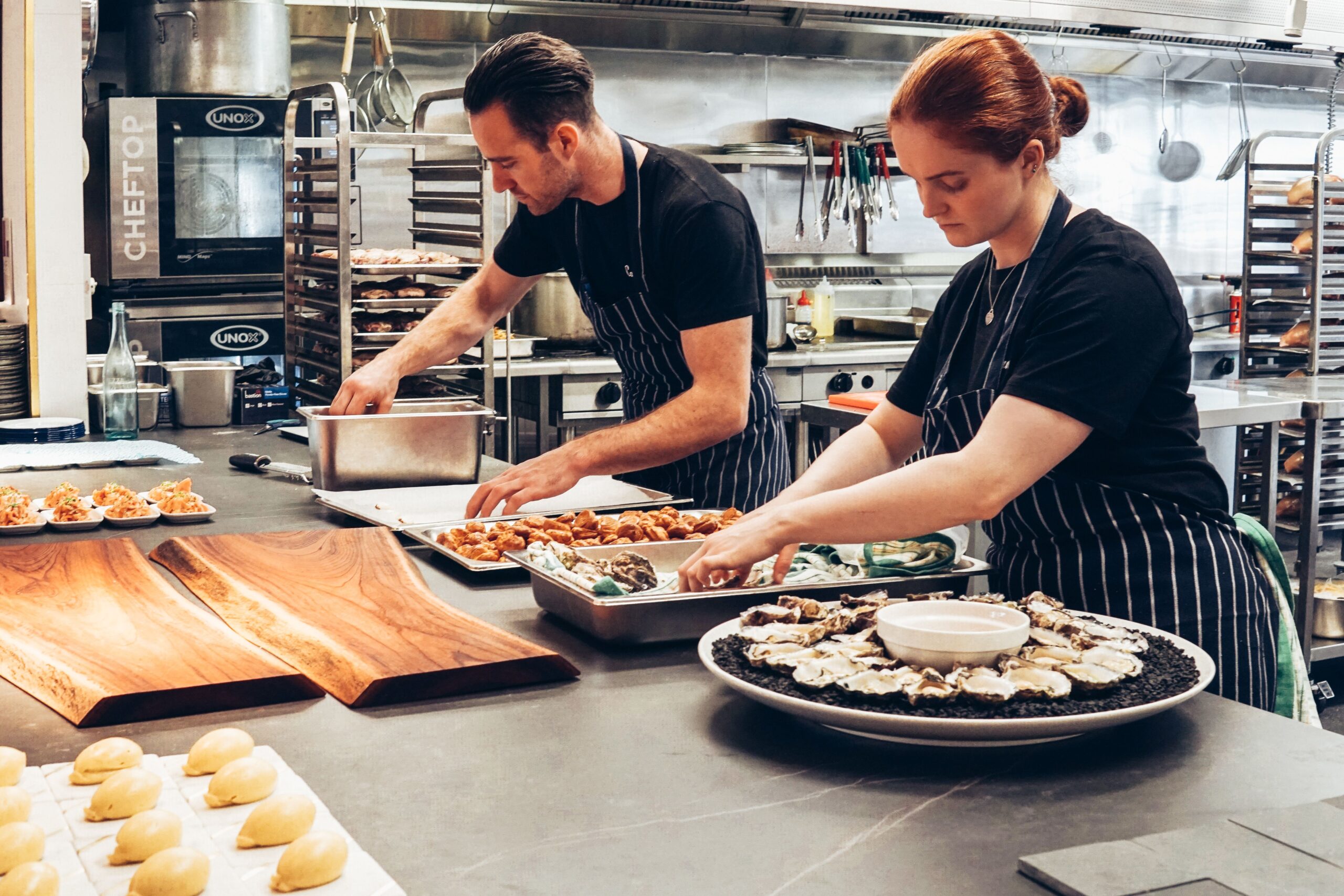
A restaurant receives far more deliveries than many customers realize. Fresh ingredients, frozen foods, beverages, cooking oil, packaging materials, cleaning supplies, and even replacement kitchen equipment all arrive by truck, often several times each week.
As fuel prices climb, transportation companies frequently face higher operating costs. Delivery businesses may respond by increasing shipping charges, applying fuel surcharges, or adjusting service fees to offset rising expenses. These additional costs gradually make their way into restaurant budgets.
Since restaurants depend on frequent deliveries to keep ingredients fresh, reducing transportation is rarely an option. Operators must either absorb the higher costs themselves or adjust menu prices, both of which place additional pressure on already narrow profit margins.
Customers Feel the Same Financial Pressure

The second challenge comes from the people restaurants depend on most: their customers. When Canadians spend more money on gasoline, they often have less disposable income available for entertainment and dining out.
Many households respond by eating at home more often or choosing less expensive restaurant meals. Even customers who continue dining out may skip appetizers, desserts, specialty drinks, or extra menu items to reduce the total cost of their visit.
For restaurants, this creates a difficult situation. Operating costs continue climbing while average customer spending slows. A dining room can appear busy, yet lower spending per table may still leave the business struggling to generate healthy profits.
Food Delivery Becomes More Expensive Too

The popularity of takeout and delivery has added another layer to the fuel challenge. Every delivery driver spends hours on the road each day, making gasoline one of the largest operating costs for delivery services.
When fuel becomes more expensive, delivery platforms and courier companies often adjust their pricing. Customers may notice higher delivery charges, fuel fees, or service costs added to their orders, while restaurants continue paying commissions to delivery platforms.
Some customers respond by ordering delivery less frequently or switching to pickup instead. While pickup helps reduce delivery expenses, restaurants may still see fewer total orders if rising delivery costs discourage customers from placing orders in the first place.
Smaller Restaurants Have Less Room to Absorb Costs
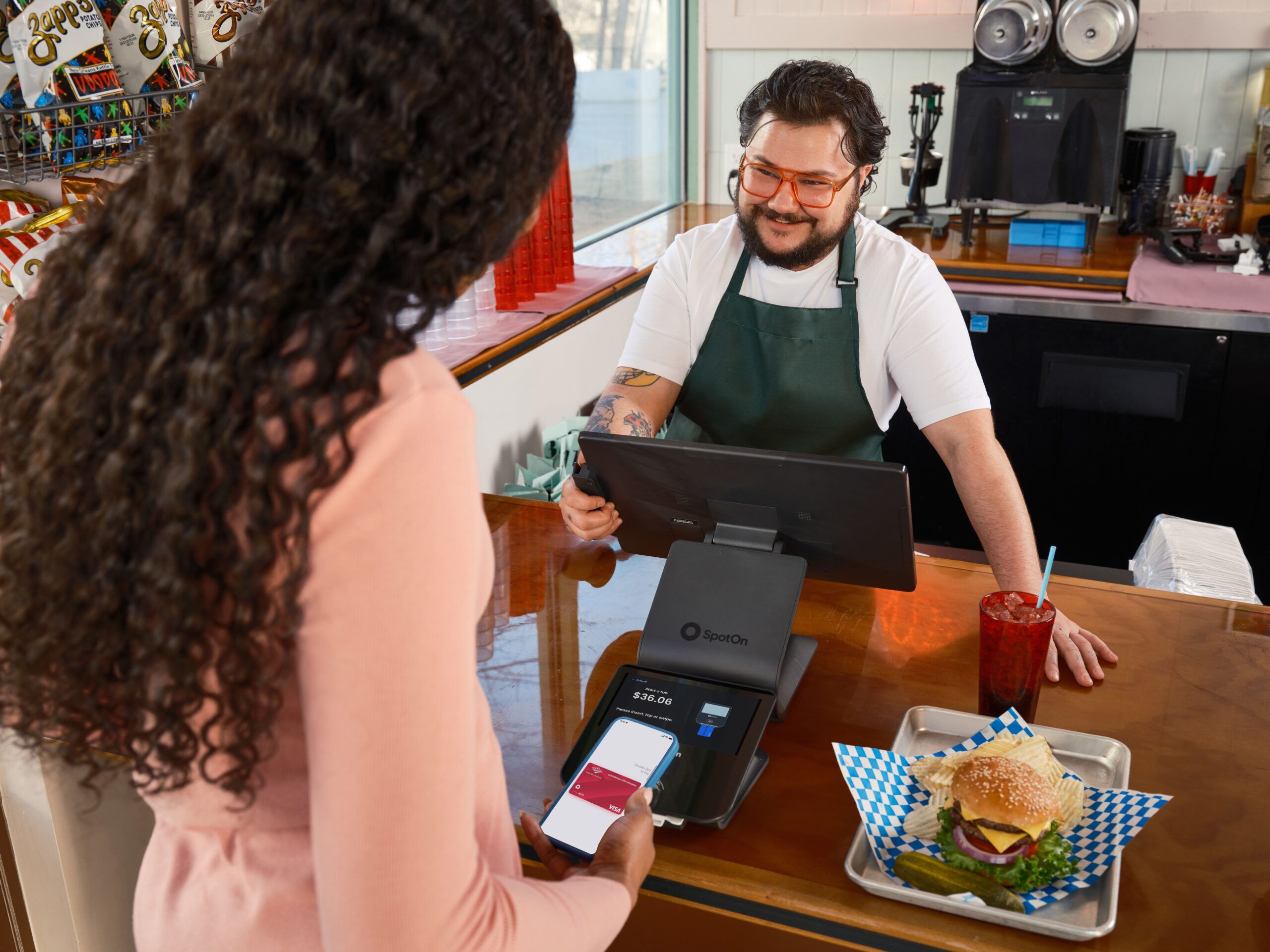
Independent restaurants often feel the impact more sharply than large national chains. Smaller businesses usually purchase lower volumes of ingredients, giving them less bargaining power when negotiating prices with suppliers and distributors.
Large restaurant companies may have centralized purchasing systems, long-term transportation contracts, or multiple locations that spread operating costs across a wider network. Independent restaurants typically lack those advantages and must absorb price increases more directly.
As expenses continue rising, many owners face difficult decisions about menu pricing, staffing levels, operating hours, and promotional offers. Even modest increases in transportation costs can have a meaningful effect on businesses that already operate with very slim profit margins.
Fuel Prices Shape the Entire Restaurant Industry

Gasoline prices influence much more than the cost of driving. They affect farming equipment, food manufacturing, refrigerated transportation, ingredient distribution, delivery services, and ultimately the price customers pay for a meal.
This creates what many industry experts describe as a double impact. Restaurants spend more to receive food and supplies while customers become more cautious about dining out because their own transportation expenses have increased.
For Canadians, understanding this connection helps explain why restaurant prices may continue rising even when businesses are struggling financially. Fuel costs ripple through the entire food service supply chain, making them one of the most significant hidden factors behind the cost of eating out.




Leave a Reply