
Downtown dining is not dying, but it is being radically reshaped. What looks like a collapse in appetite is, in many cases, a relocation of appetite.
The problem is less about empty tables than unstable foot traffic
At first glance, the story seems simple: downtown restaurants are struggling because fewer people are going out. That explanation is too shallow. In many Canadian cities, people are still spending on food away from home, but they are doing it closer to where they live rather than where they once worked.
The old downtown formula relied heavily on office workers filling seats at breakfast, lunch, happy hour, and pre-event dinner. Hybrid work weakened that rhythm. A restaurant that once counted on five strong weekdays now often gets two or three, making staffing, prep, and inventory far harder to manage profitably.
Industry groups and commercial real estate analysts have repeatedly pointed to uneven office attendance in Toronto, Vancouver, Calgary, Ottawa, and Montreal. Even when towers are not empty, they are less predictable. For restaurants operating on slim margins, unpredictability can be more damaging than an outright slowdown because waste, labour scheduling, and fixed rent all become harder to control.
Hybrid work changed downtown economics more than most owners expected
The real surprise is not that remote work hurt lunch counters. It is that hybrid work altered the entire economics of prime urban locations. Downtown leases were built around premium pedestrian volume, but if the crowd only shows up midweek, the premium no longer makes as much sense.
That mismatch is now visible across Canada. Operators who signed leases years ago under older assumptions are facing occupancy costs that no longer line up with current sales patterns. Rent, common area fees, insurance, utilities, and property taxes still rise, even when Monday and Friday sales soften sharply.
Many restaurateurs can live with lower volume if it is steady. What they struggle with is volatility. A suburban plaza with dependable family traffic, nearby schools, and evening takeout can now outperform a downtown address that looks prestigious but swings wildly from busy Tuesday to quiet Friday.
The suburbs are winning because demand moved with households
A crucial shift happened during and after the pandemic: population growth strengthened outer neighbourhoods and commuter belts. Families spent more time near home, and many newcomers settled where housing was relatively attainable. Restaurant demand followed them.
That trend helped suburban main streets, strip plazas, and mixed-use communities become stronger food markets. In places around the Greater Toronto Area, Metro Vancouver, Edmonton, and Calgary, operators found they could build repeat business from local residents instead of relying on office workers, tourists, and event crowds.
The appeal is practical. Customers in suburban areas often arrive by car, order for groups, and return regularly. They may spend across lunch, dinner, and weekend periods with fewer sharp peaks and troughs. For owners, that can mean better forecasting, lower delivery friction, and a more balanced sales mix throughout the week.
Costs downtown remained high even as customer patterns became weaker
Here is the pressure point many diners never see. Restaurants do not need packed rooms to survive, but they do need enough reliable revenue to cover fixed costs. Downtown locations usually carry the heaviest burden, especially for rent and labour.
Operating costs rose sharply across Canada after 2021. Food inflation, higher interest rates, insurance, wage increases, and equipment expenses all hit margins. According to Statistics Canada data tracked through the food service sector, many operators faced rising input costs at the same time as sales became more erratic.
Downtown sites also bring added friction: paid parking, delivery congestion, construction, transit gaps, and security concerns that can affect late-night trade. None of those issues alone explains the exodus. Together, however, they make central business districts a tougher operating environment than nearby neighbourhood hubs that offer easier access and lower overhead.
Some restaurants are not closing at all, they are simply relocating strategically
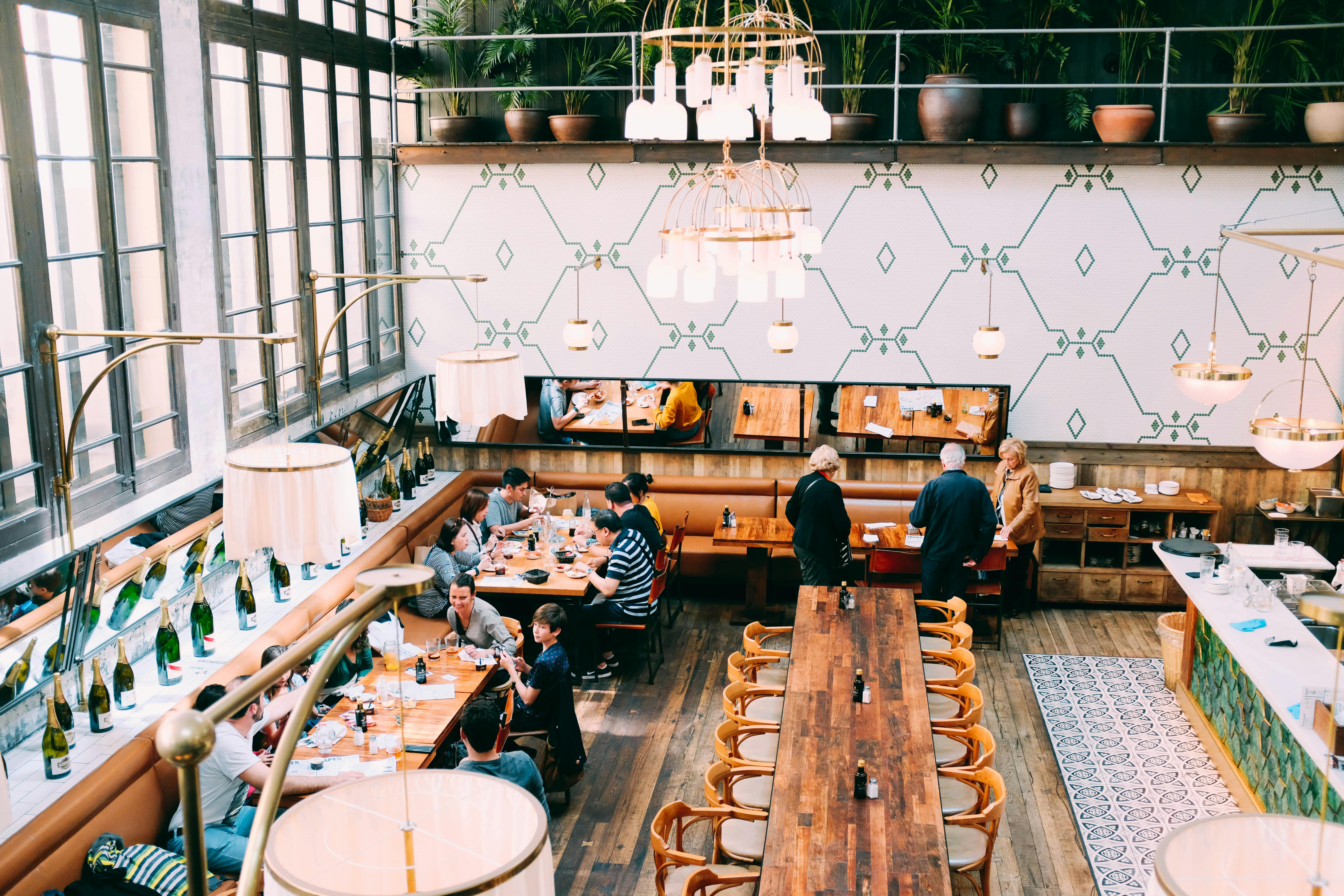
This is where the headline can mislead. A restaurant leaving downtown is not always a failed business. Often it is a business choosing a better map. Owners are moving to residential corridors, suburban centres, and smaller high-street districts where customer behaviour is easier to read.
Chains have been especially quick to adapt because they study traffic patterns closely. But independent operators are making the same calculation. If a chef-driven concept can keep its audience while cutting occupancy costs and gaining parking, patio room, or delivery efficiency, relocation becomes a rational decision rather than a retreat.
In several Canadian markets, newer restaurant openings have clustered in growing nodes outside the traditional core. That includes lifestyle centres, transit-linked suburban districts, and neighbourhood retail strips with dense condo populations. The opportunity is not necessarily cheaper space alone. It is access to a steadier daily customer base.
What comes next for downtown dining in Canada
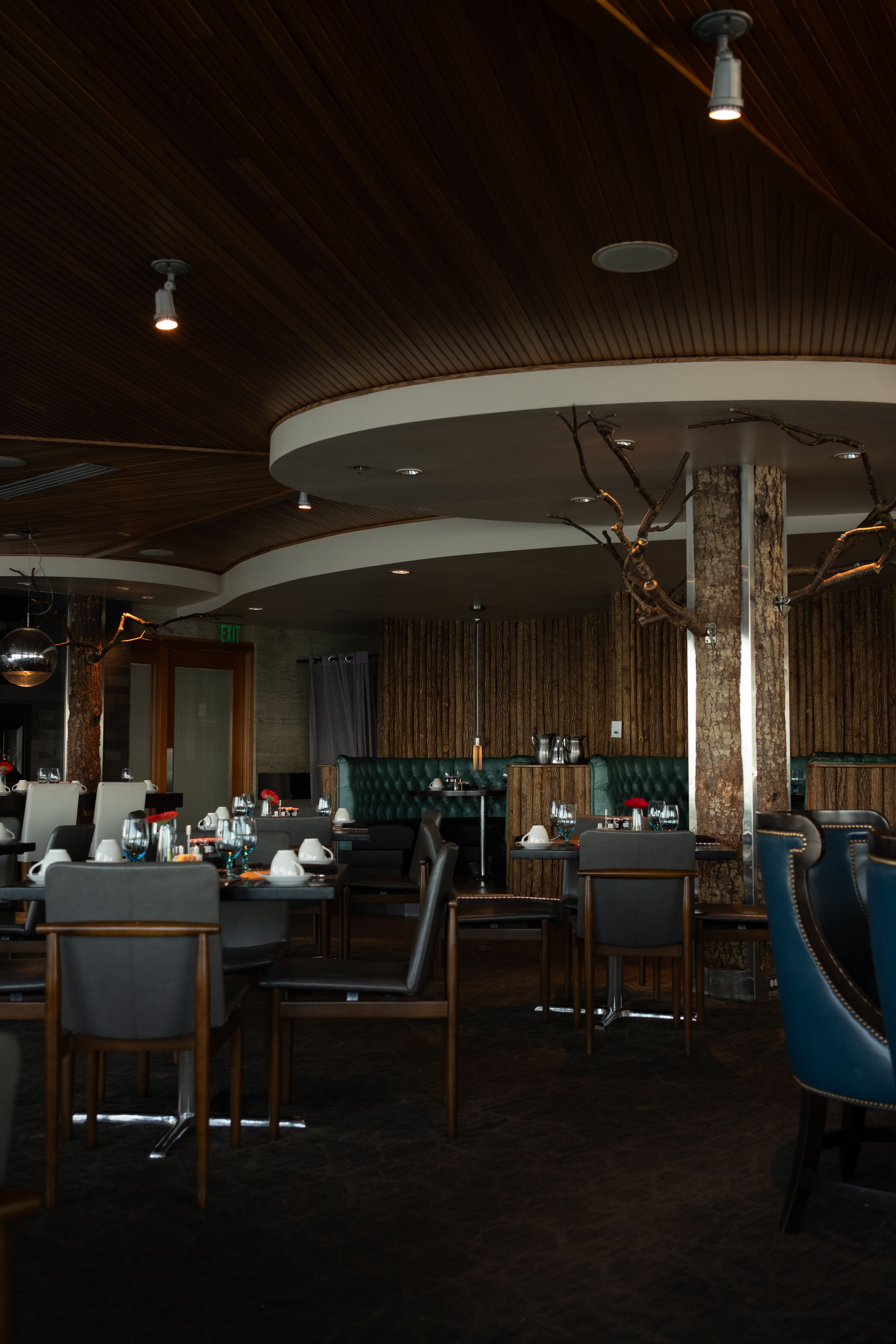
Downtowns are unlikely to empty out permanently, but their restaurant mix will continue to change. The winners will probably be concepts that fit the new rhythm: destination dining, quick service built for delivery and pickup, event-driven venues, and operators with enough capital to survive uneven weekdays.
City planners, landlords, and employers all matter here. If more housing is added to downtown cores, demand can rebalance over time. If office attendance stabilizes, lunch business may recover somewhat. If landlords become more flexible on lease terms, independent restaurants may find the core less risky again.
For now, the shift is clear. Restaurants are not just fleeing weakness. They are following consistency. In today's market, predictable neighbourhood demand often beats prestigious downtown exposure, and that simple change is redrawing Canada's dining map faster than many expected.




Leave a Reply