
Eating out feels more expensive because it is. The gap between restaurant inflation and grocery inflation is not random, and the numbers explain a lot.
The same food is not the same product
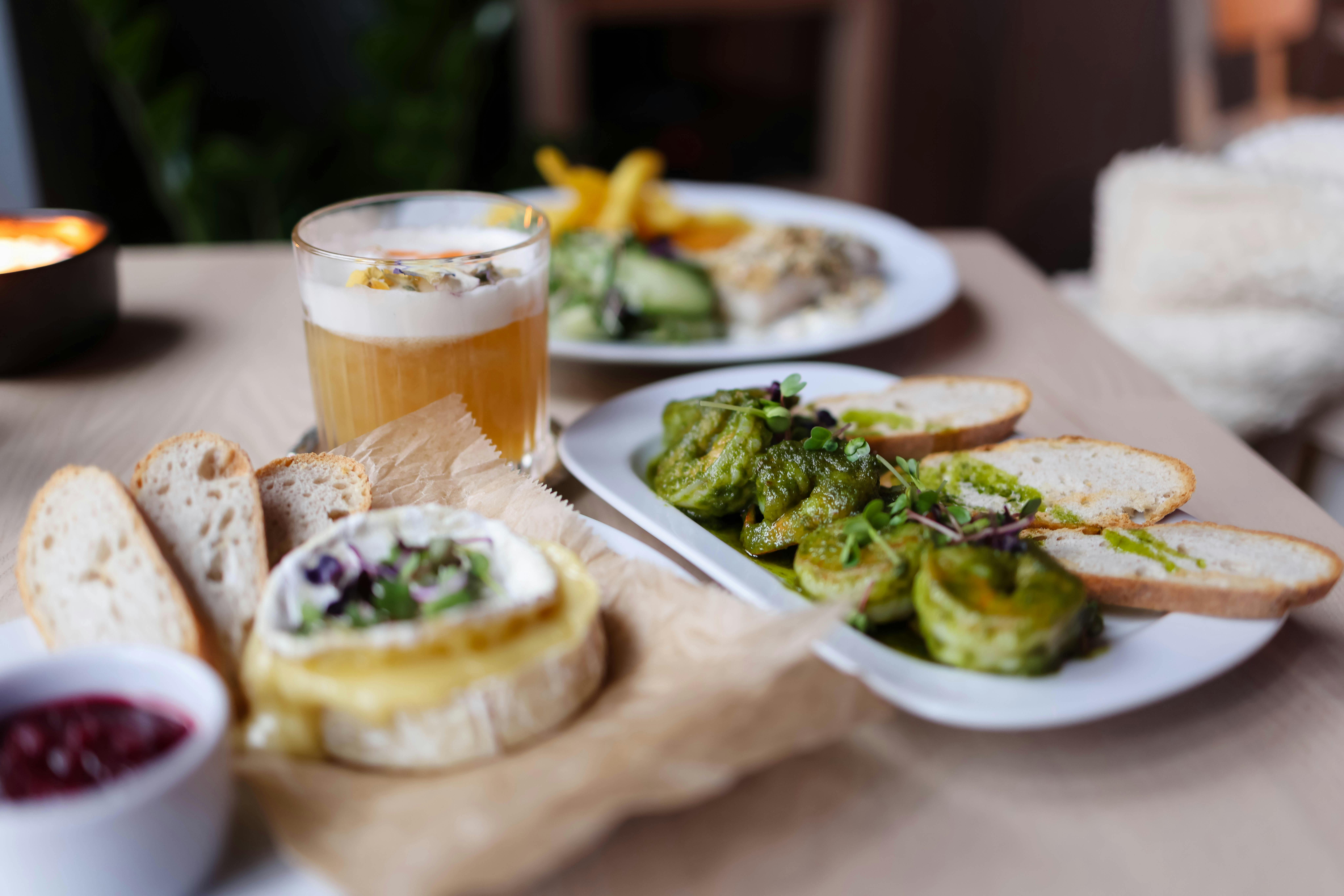
A grocery cart and a restaurant meal may both start with chicken, lettuce, bread, or beef, but they are not priced the same way. At the supermarket, you are mostly paying for the food itself, plus transportation, packaging, retail overhead, and a profit margin. In a restaurant, that same ingredient becomes part of a much more labor-heavy service product.
According to widely cited consumer inflation forecasts, food away from home is expected to rise about 4.6% this year while food at home rises around 1.7%. That difference reflects two separate businesses. Grocers sell volume through efficient supply chains, while restaurants sell prepared meals, seating, staffing, cleaning, equipment use, and time.
A $16 pasta dish is not just noodles and sauce. It also includes prep cooks, line cooks, dishwashers, servers, utilities, lease costs, point-of-sale fees, and waste from ingredients that expire before they are sold. The customer sees one plate, but the operator is pricing an entire system.
Labor is the biggest reason the gap stays wide
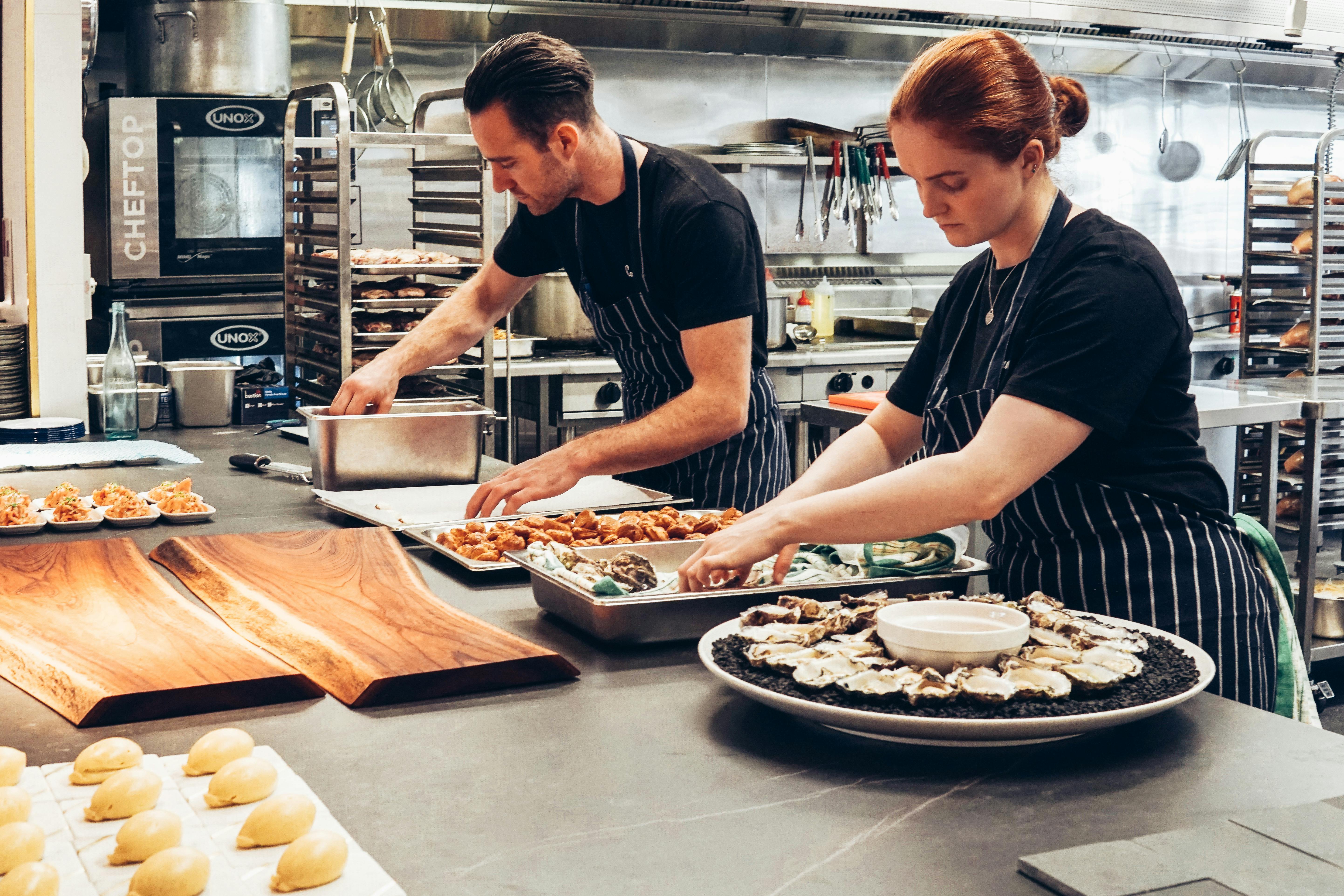
The simplest explanation is labor. In many restaurants, labor is one of the largest costs, often rivaling or exceeding ingredient costs depending on the concept. Grocery stores employ workers too, but their staffing model spreads wages across thousands of items sold each day, with far less hands-on preparation per unit.
Restaurant work is also harder to automate. A cashier station can become self-checkout in retail, but a full-service meal still needs cooks, cleaning crews, hosts, runners, and often servers. Even quick-service chains that invest in kiosks still rely heavily on back-of-house labor, and wages have been rising across the hospitality industry.
Take a basic example. If a restaurant's labor costs represent 30% of every dollar in sales and wages rise 5%, that alone adds 1.5% to total costs before food, rent, or insurance move at all. A grocer with a lower labor share and greater scale can absorb a smaller wage shock much more easily.
Rent, insurance, and utilities hit restaurants harder
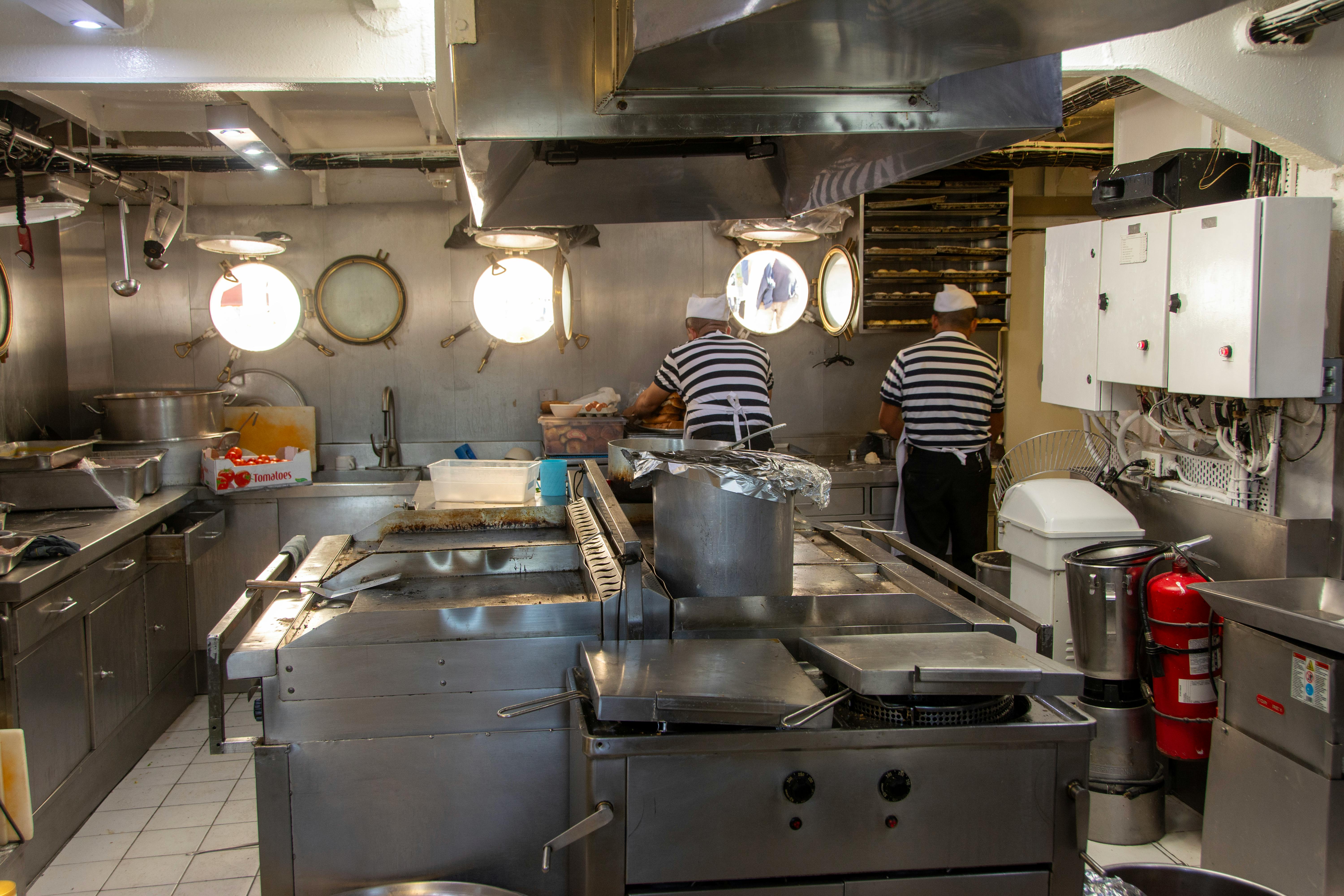
The next piece of the puzzle sits outside the kitchen. Restaurants occupy expensive commercial space and need high-output equipment, refrigeration, ventilation, lighting, and water use every day. Grocery stores have big utility bills too, but they benefit from scale, larger baskets, and stronger bargaining power with landlords, distributors, and insurers.
Restaurants also face rising occupancy costs in dense retail corridors where visibility matters. A neighborhood bistro cannot easily move to a cheaper warehouse district and keep the same traffic. If rent rises 6% and occupancy already accounts for 10% of revenue, that adds another 0.6% pressure to menu prices.
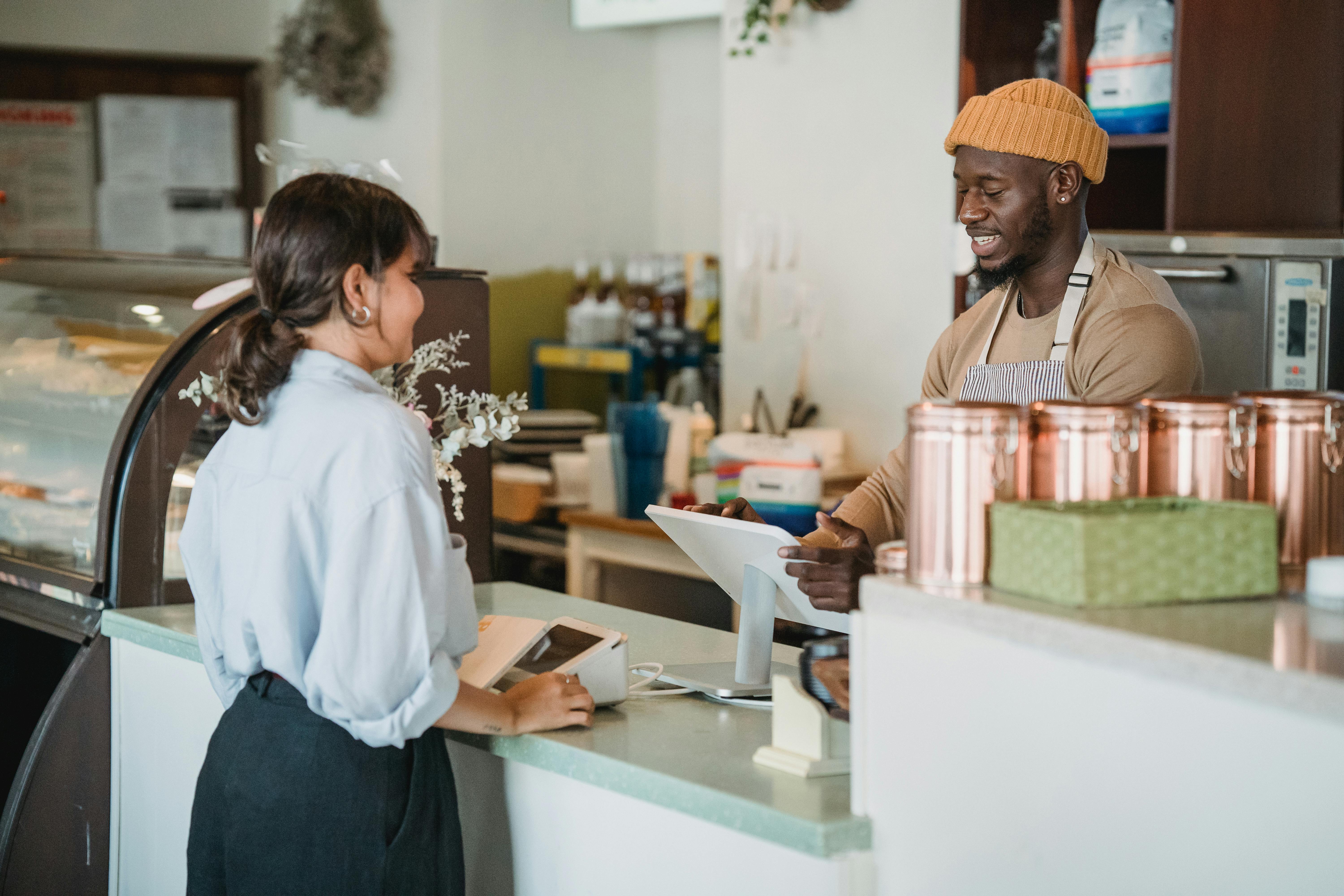
Insurance has become another stubborn cost. Coverage for liability, workers' compensation, property damage, and business interruption has risen in many markets. Add credit card processing fees on every transaction, and a business with thin margins quickly needs higher menu prices just to hold steady.
The math of margins leaves little room to absorb costs
Many diners assume restaurants simply charge more because they can. In reality, the industry often runs on very slim profit margins, frequently in the low single digits after all expenses are paid. That means even modest increases in several cost categories can force visible menu price changes.
Imagine a restaurant with a $20 entrée. If labor adds 1.5%, rent adds 0.6%, insurance and utilities add 0.5%, and ingredients add another 1.0%, total cost pressure reaches 3.6% quickly. Add compliance costs, maintenance, linen service, and payment processing, and getting to a 4.6% menu increase is not hard at all.
By contrast, grocery inflation can look softer because supermarkets can substitute suppliers, promote store brands, and lean on high-volume contracts. They also sell many items with lower preparation intensity. A gallon of milk or a bag of rice does not require a cook, a plate, a table, or a dishwasher.
Why grocery inflation has cooled more quickly
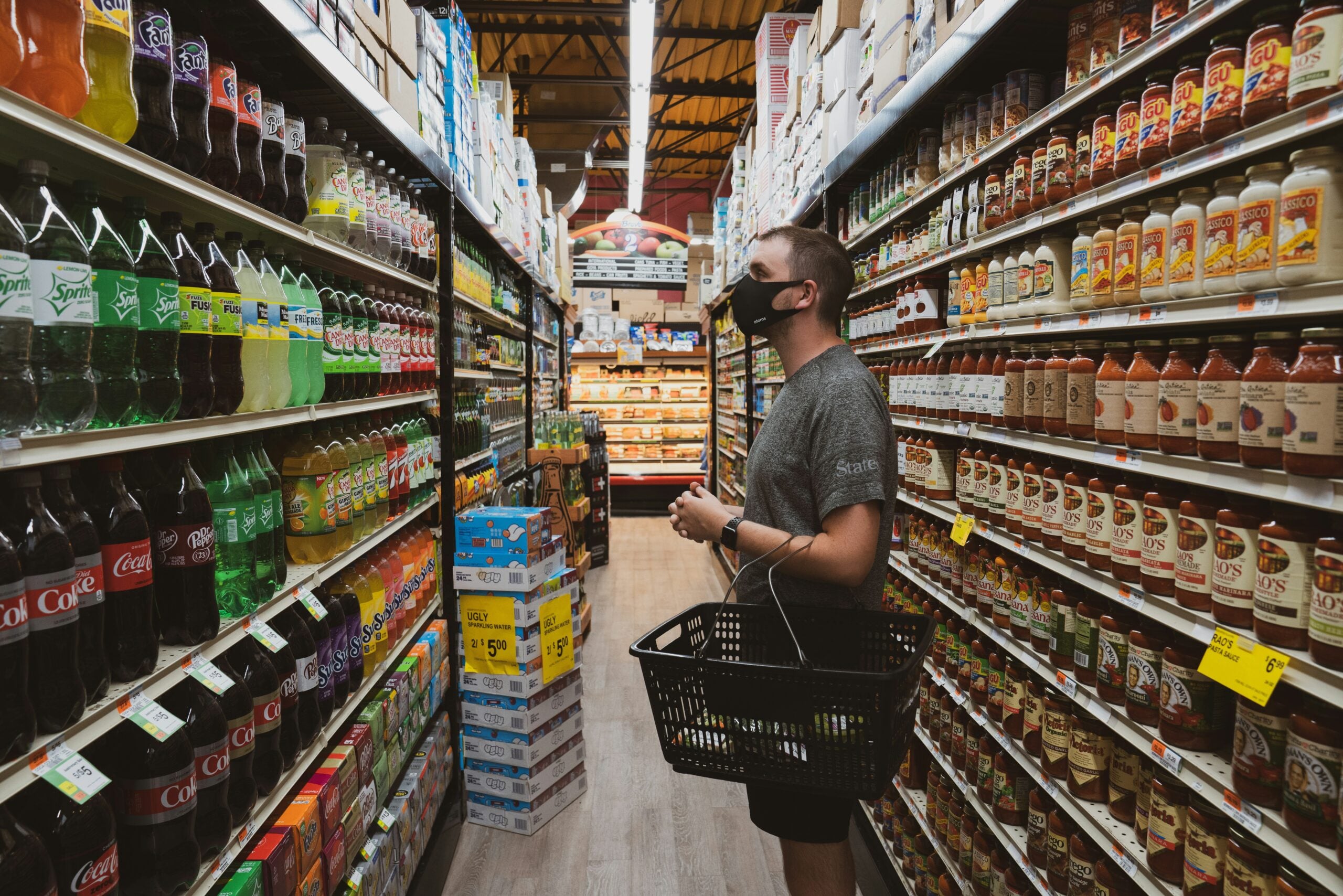
Supermarket inflation has slowed in part because pandemic-era supply disruptions eased, freight costs normalized, and some commodity prices came down from their peaks. Major grocery chains also have stronger leverage over suppliers and can use promotions strategically to keep shoppers from trading down or switching stores.
Consumers have also become more price sensitive in the grocery aisle. When steak gets too expensive, people switch to chicken, beans, pasta, or private-label alternatives. That flexibility creates pressure on grocers to hold the line. Restaurants have less room to swap ingredients without changing the dish or disappointing repeat customers.
There is also a visibility issue. Grocery shoppers notice every item in the basket and compare weekly totals closely. Restaurant pricing is experienced dish by dish, often in social settings where convenience and occasion matter. That makes price hikes more tolerable for some customers, even when they are frustrating.
What diners should expect next
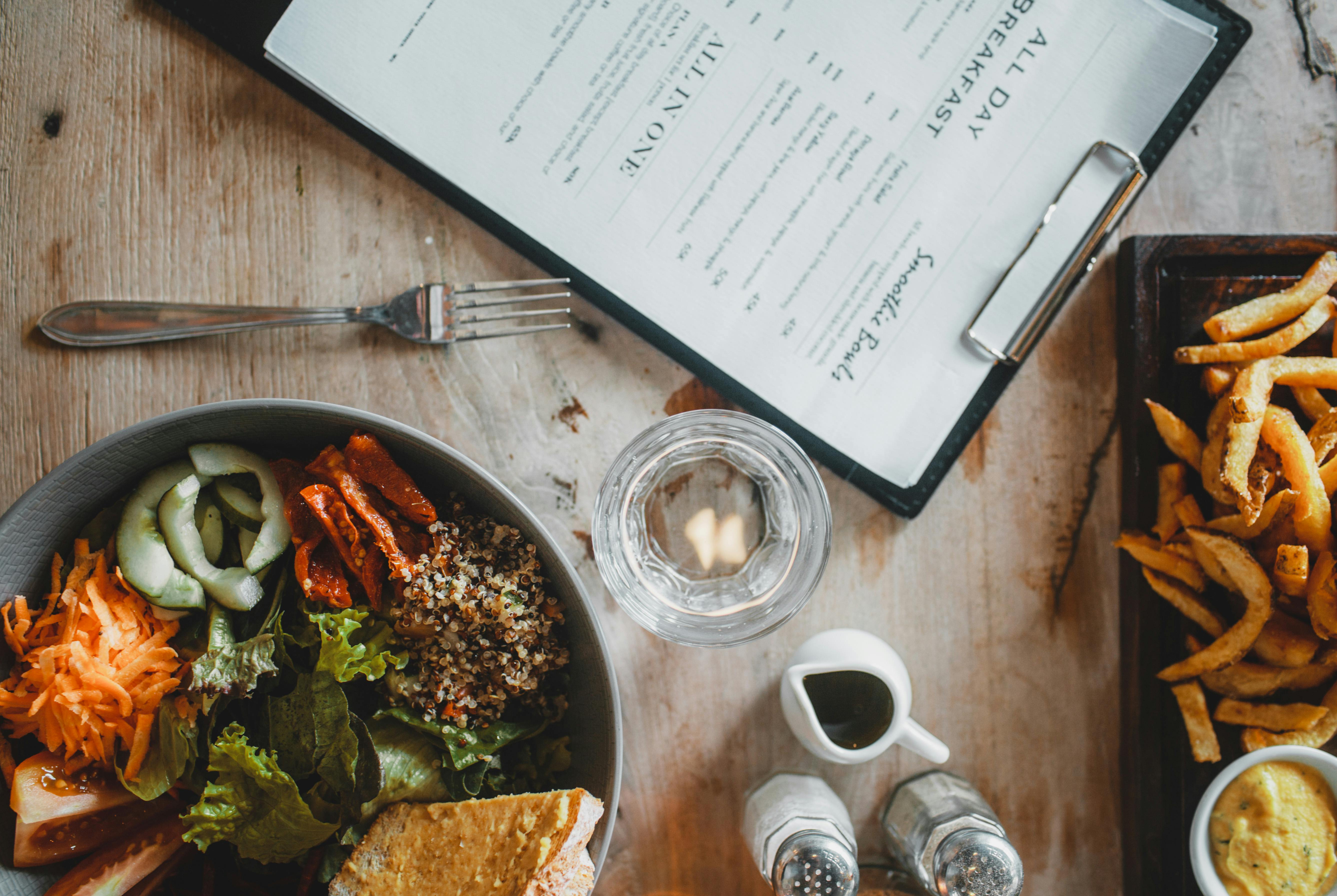
The broad trend suggests restaurant prices may keep rising faster than grocery prices unless wage growth, rent pressure, and insurance costs cool significantly. That does not mean every menu will jump equally. Fast-food chains, casual dining brands, and independent restaurants all face different cost structures and customer expectations.
Some operators will respond with smaller portions, service fees, fewer low-margin menu items, or more dynamic pricing across dayparts. Others will protect traffic with value meals and limited promotions. In both cases, the goal is the same: preserve already-thin margins without pushing diners away.
For consumers, the clearest takeaway is that restaurant inflation is not just about food. You are paying for labor, real estate, energy, and service wrapped around that meal. When groceries rise 1.7% and restaurants rise 4.6%, the gap is really the cost of turning ingredients into an experience.


Leave a Reply