
A full dining room no longer guarantees a healthy restaurant. In Toronto and Vancouver, rent has become one of the hardest bills to outrun.
Rent Is Taking a Bigger Bite Than Restaurants Can Afford
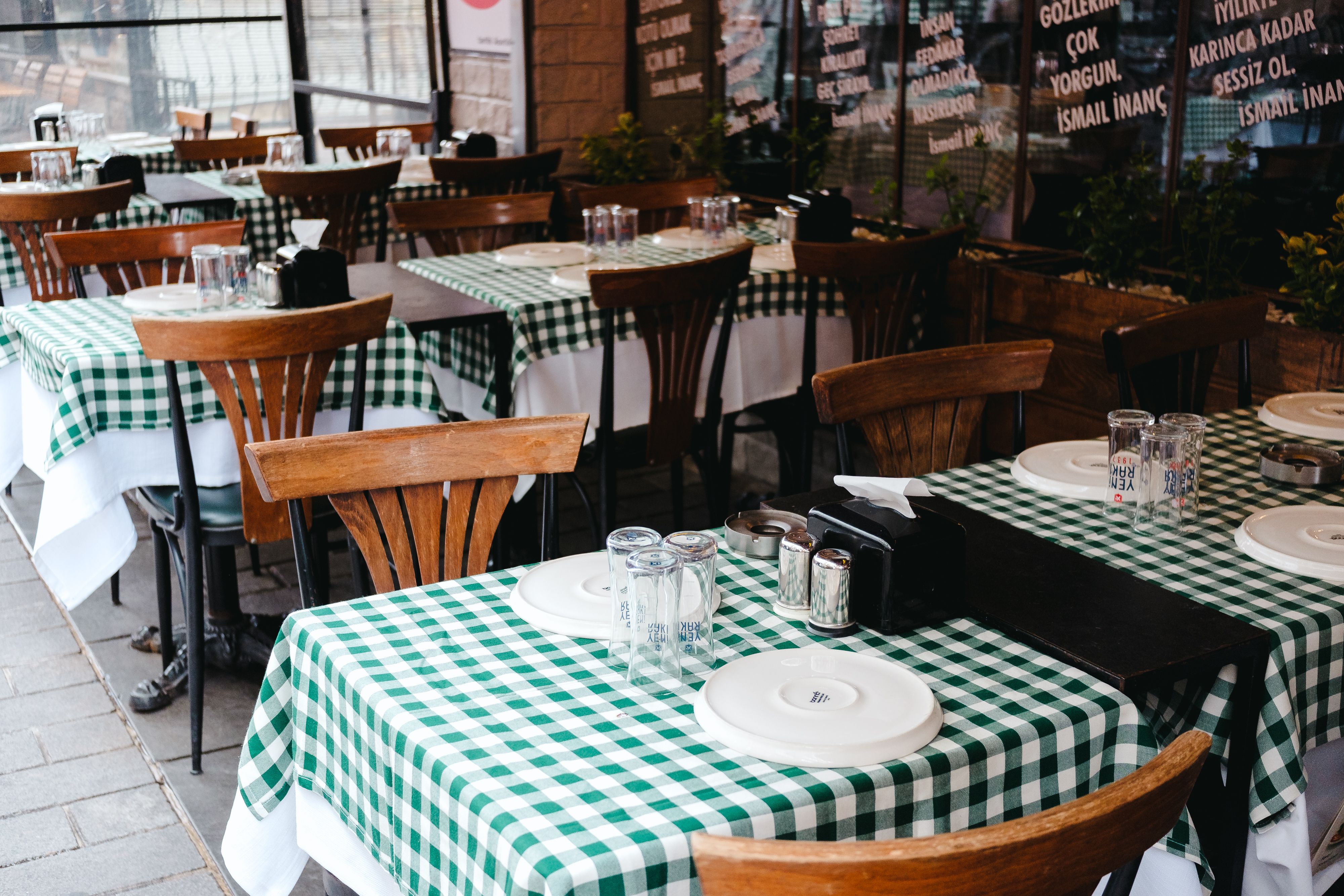
For many independent restaurants, occupancy costs were once expected to land closer to 6% to 10% of sales. In Canada's most expensive urban markets, operators now say rent and common area charges can climb toward 15%, a level that puts enormous pressure on already thin margins.
That matters because restaurants do not keep much of each dollar they make. After food, labour, utilities, insurance, payment processing, and taxes, profit can shrink to just a few cents on the dollar. When rent rises faster than menu prices, the math quickly turns punishing.
Industry groups such as Restaurants Canada have repeatedly warned that foodservice businesses operate on fragile economics. A modest dip in traffic, a bad weather week, or a rise in ingredient costs can erase profitability when lease obligations remain fixed and unforgiving.
Toronto and Vancouver Are Especially Difficult Markets

These two cities sit at the centre of Canada's real estate affordability problem. Commercial landlords face high property values, borrowing costs, and operating expenses of their own, and those pressures often flow straight through to tenants in the form of higher base rents and additional charges.
Neighbourhoods that attract diners also attract premium pricing. Queen West, King West, Kitsilano, Mount Pleasant, Yaletown, and parts of downtown Toronto and Vancouver offer visibility and foot traffic, but the rent attached to that exposure can be overwhelming for small operators without chain-level backing.
New restaurants are often told that prime locations are essential for survival. Yet the same locations can lock them into leases that leave too little breathing room, especially in the first two years when sales patterns are still unpredictable and brand loyalty is still forming.
High Sales Do Not Always Mean Healthy Finances
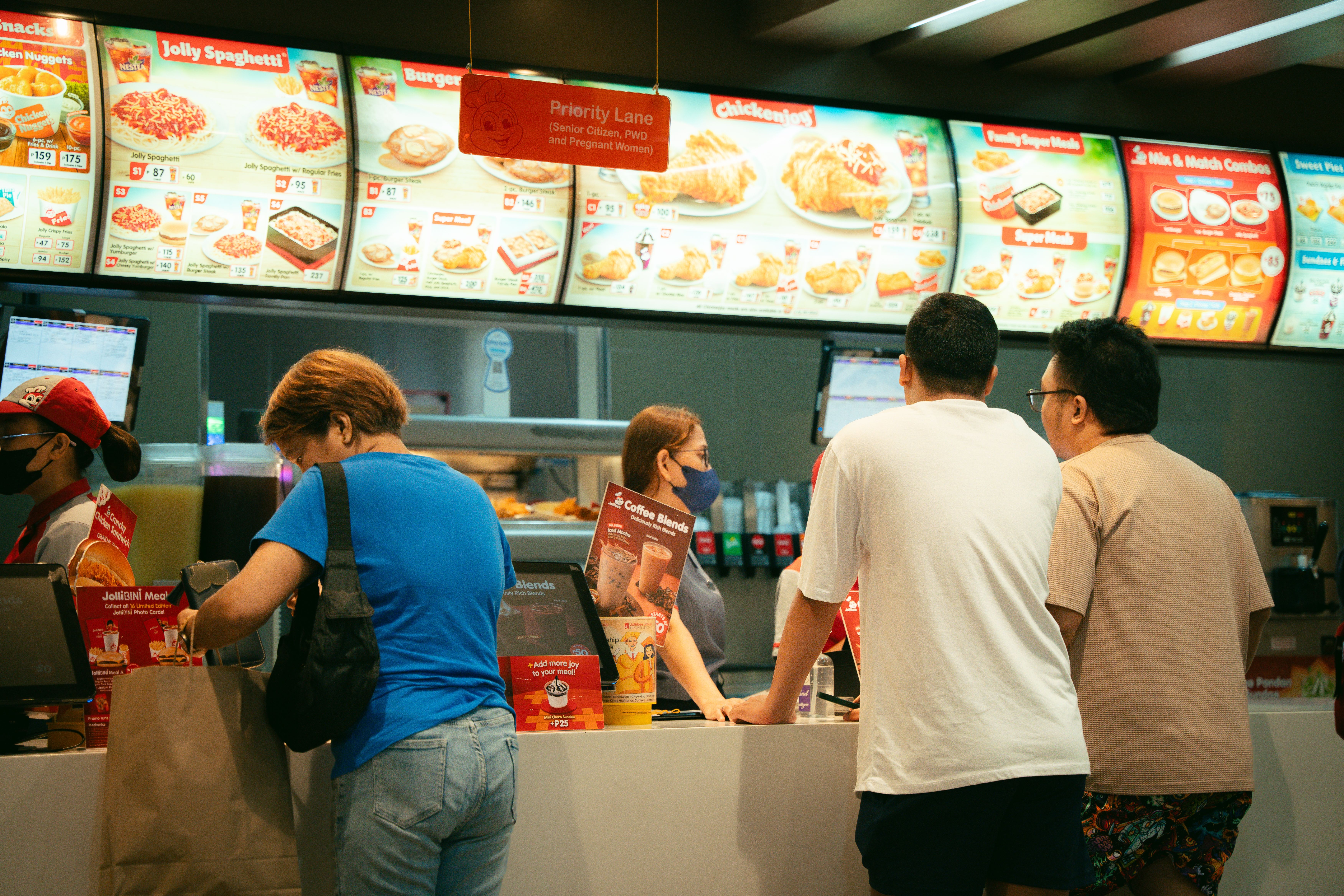
A restaurant can look busy every night and still struggle to pay its bills. Gross revenue is not the same as profit, and many customers do not see the hidden costs behind each plate, from prep labour and spoilage to delivery commissions and rising card transaction fees.
The challenge becomes sharper when guests pull back on discretionary spending. Inflation has changed dining habits across Canada, with some consumers eating out less often, ordering fewer extras, or trading full-service meals for quick-service alternatives that feel easier on the wallet.
That creates a painful squeeze. Operators need stronger sales to cover high rent, but pushing menu prices too far can drive customers away. In competitive dining markets, restaurants often absorb part of the cost increase rather than risk losing traffic to nearby rivals.
Labour, Food Costs, and Debt Add to the Pressure
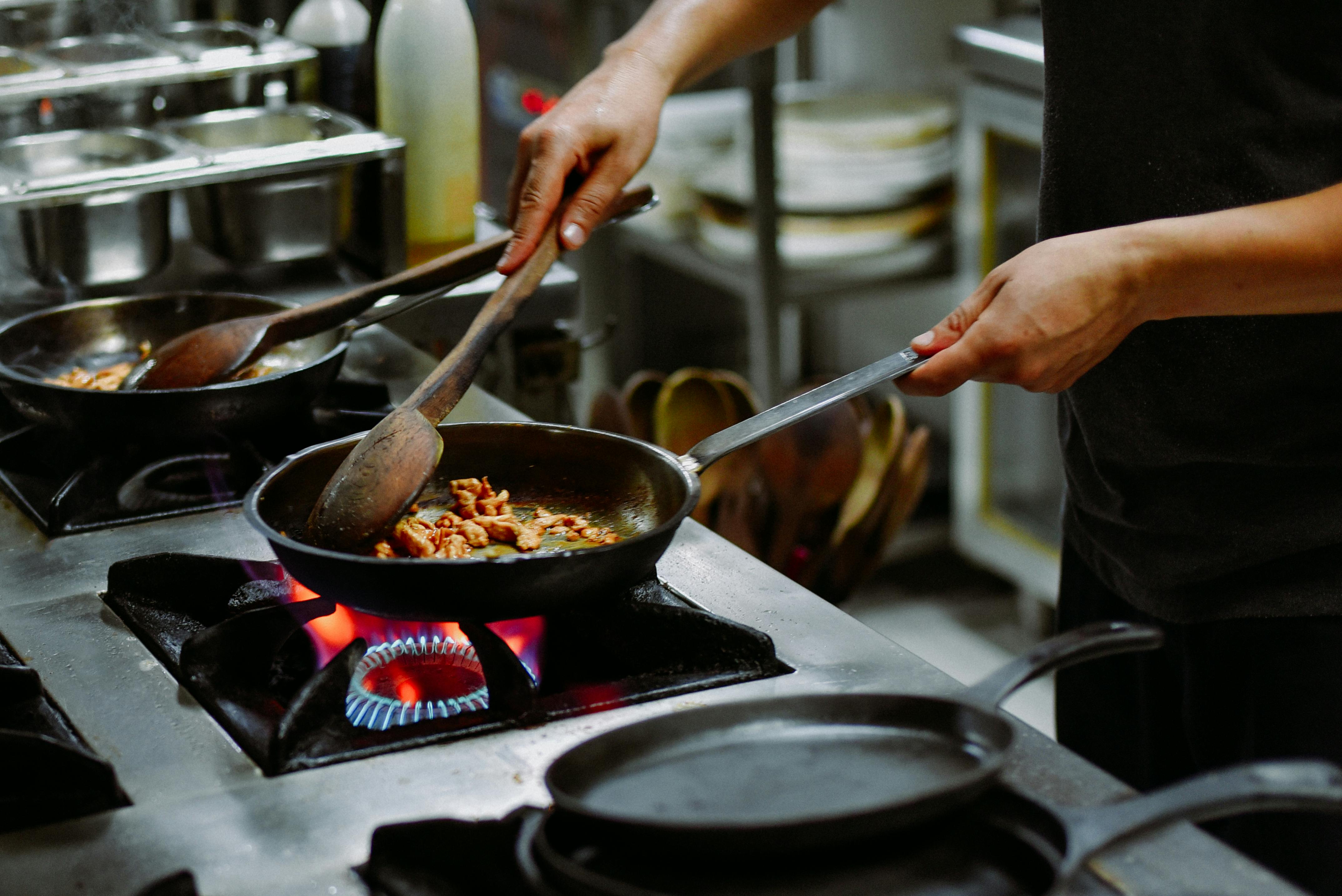
Rent is rarely the only problem. Labour costs have risen alongside minimum wage increases and a tight hiring environment, while food inputs remain volatile due to supply chain disruptions, climate-related harvest issues, and global commodity shocks that affect everything from cooking oil to proteins.
Many restaurants are also still carrying debt from the pandemic years. Government support helped some survive, but deferred obligations, tax balances, and commercial arrears left others entering the recovery period with weakened balance sheets and little room for fresh shocks.
Utilities and insurance have become heavier burdens too. A jump in electricity, natural gas, refrigeration costs, or liability premiums may not grab headlines, but together they steadily chip away at operating cash, making a high-rent lease even harder to sustain.
Closures Are Reshaping Main Streets and Food Culture

When a restaurant closes, the loss extends beyond one business. It can mean fewer jobs, less street activity, and the disappearance of neighbourhood gathering places that gave an area identity, especially when independent family-run spots are replaced by businesses better able to absorb premium rents.
Toronto and Vancouver have both seen a steady churn of openings and closures. Some owners downsize, move into food halls, pivot to takeout-first models, or abandon full-service dining altogether because the traditional standalone restaurant model no longer works in many high-cost corridors.
This reshaping affects culture as much as commerce. Independent restaurants are often where new chefs take risks, immigrant families share regional cuisines, and communities build loyalty. When only well-capitalized groups can survive, city dining scenes can become narrower and less distinctive.
What Could Help Restaurants Keep the Lights On

There is no single fix, but lease structures need more flexibility. Percentage-rent arrangements, longer ramp-up periods, tenant improvement support, and limits on steep annual escalations could give operators a better chance to survive the early and most fragile years of a restaurant's life.
Municipal policy matters as well. Faster permitting, more predictable patio rules, reduced red tape, and tax relief for small commercial tenants could lower the non-food costs that stack up around rent. Business advocates have argued that survival depends on attacking several cost pressures at once.
Operators themselves are adapting where they can. Smaller menus, tighter inventories, better reservation management, daytime revenue streams, and carefully engineered pricing all help. But in Toronto and Vancouver, many restaurateurs say efficiency alone cannot solve a rent burden that has simply grown too large.




Leave a Reply