
Office snack shelves can say a lot about work culture. In Canada, the sudden rise of popcorn and pretzels is a clear signal that office life is changing in practical, measurable ways.
A simple snack shift with a bigger meaning
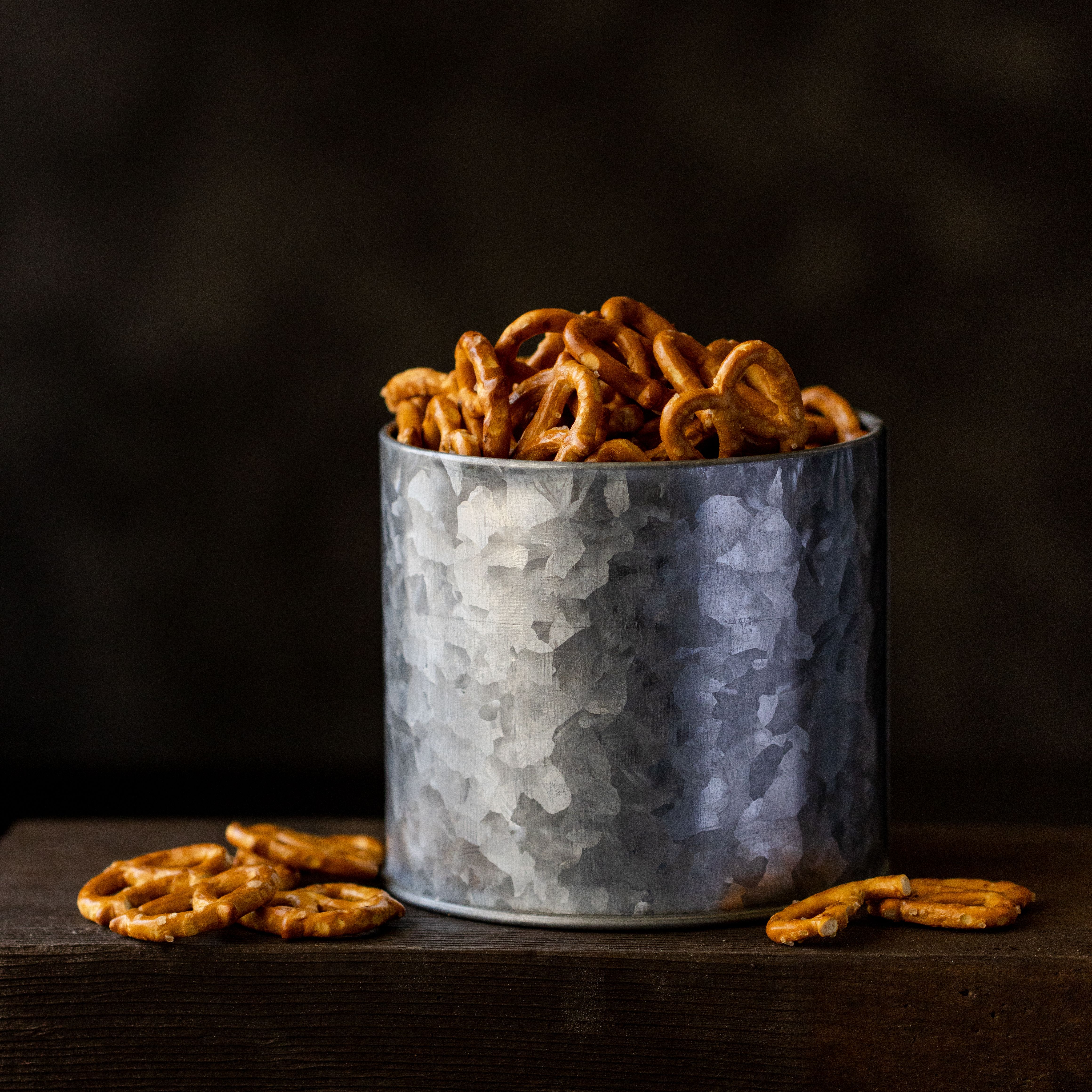
At first glance, a 191% increase in popcorn and pretzels in Canadian office kitchens sounds like a minor purchasing detail. In reality, it points to a broader reset in how employers think about food at work. Snack choices are becoming more deliberate, especially as companies try to balance budgets, employee satisfaction, and return-to-office goals.
Office kitchens used to lean heavily on sugary bars, chips, and individually wrapped treats. That model now looks dated. Many workplace managers are choosing options that feel lighter, cleaner, and easier to stock in large volumes without making the snack station seem cheap or uninspired.
This shift also reflects a more data-driven approach to workplace perks. Employers increasingly track what gets eaten, what gets wasted, and what people request repeatedly. Popcorn and pretzels perform well on all three measures because they are familiar, affordable, and broadly appealing across age groups and dietary preferences.
Cost pressure is changing what companies buy

The most immediate reason for the jump is financial. Food inflation has pushed office managers to rethink kitchen spending, and popcorn and pretzels offer strong value compared with premium protein bars, fresh prepared snacks, or specialty baked goods. They help stretch a budget without removing the sense that something useful is being offered to staff.
These snacks are also easier to source consistently. Supply chains for fresh items can be uneven, especially for smaller offices or businesses outside major downtown cores. Shelf-stable foods such as pretzels and popcorn reduce spoilage, simplify restocking, and make purchasing more predictable month after month.
There is also a labor angle. Office administrators and facilities teams want products that require little handling and create fewer logistical headaches. A case of popcorn bags or pretzel packs can be stored, counted, and replenished quickly, which matters in hybrid offices where headcount changes from day to day.
Health perception matters more than ever

People do not just want snacks that taste good. They increasingly want snacks that feel acceptable in the middle of a workday, especially when many employees are more conscious of sodium, sugar, additives, and portion size than they were a few years ago. Popcorn and pretzels benefit from being seen as relatively sensible choices.
Air-popped popcorn, in particular, carries a strong wellness halo. It is often associated with whole grains, lighter eating, and better portion control than fried snacks. Pretzels, while not always low in sodium, still tend to look like a more restrained option beside cheese crackers, candy, or heavily seasoned chips.
That perception matters in office environments where employers want to support well-being without appearing overly controlling. Offering snacks that seem balanced allows companies to signal care and modernity while leaving room for personal choice. It is a subtle but important part of workplace culture.
Hybrid work has changed snack behavior
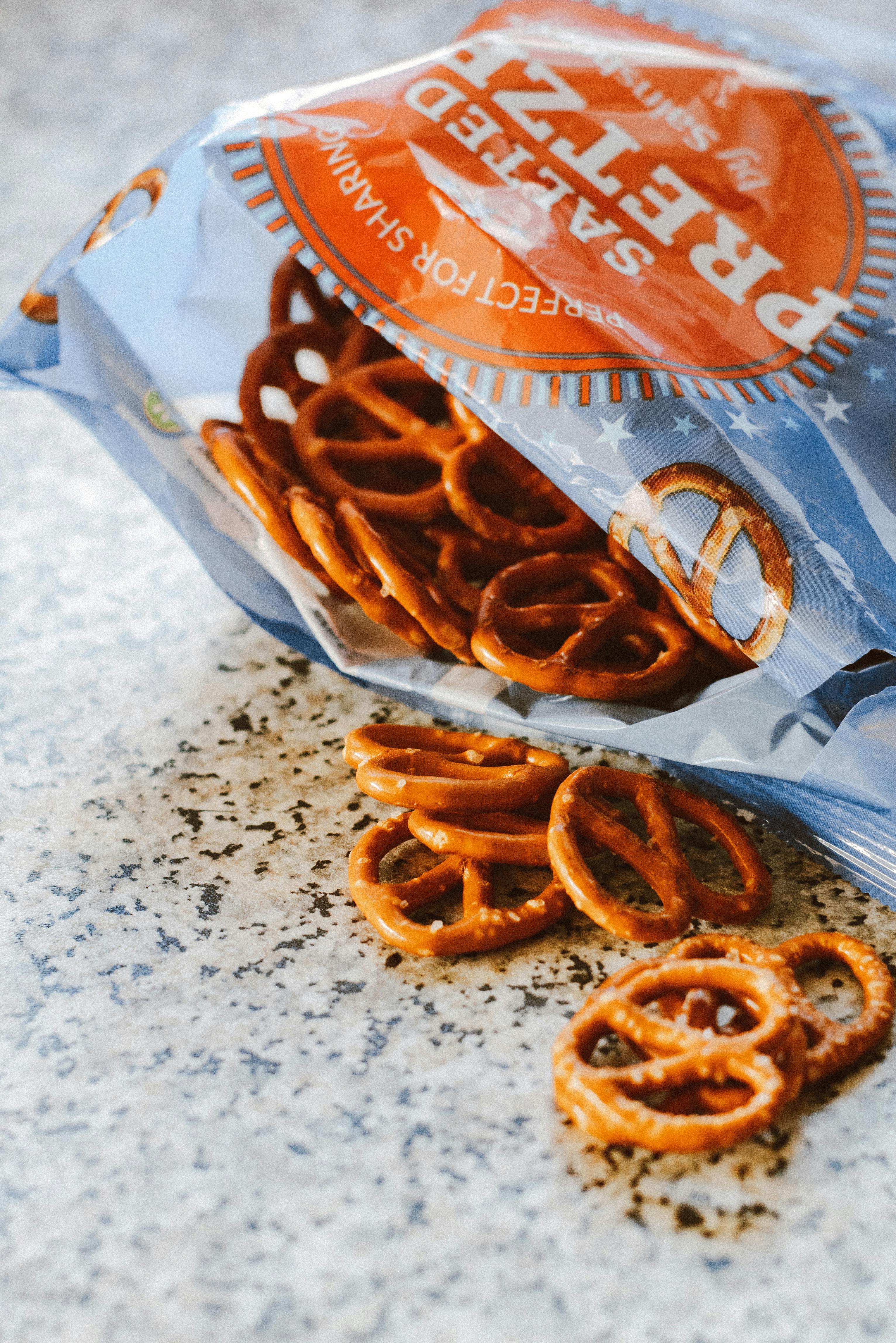
The return to office did not bring back old eating patterns exactly as they were. In hybrid workplaces, employees often come in for shorter, more meeting-heavy days and want quick, low-mess snacks they can grab between calls. Popcorn and pretzels fit that rhythm better than yogurt cups, cut fruit, or pastries.
These foods also work well during shared office moments. A bowl of pretzels in a meeting room or a basket of popcorn bags near a coffee station encourages casual snacking without requiring refrigeration or cleanup. That makes them useful for both individual grazing and light hospitality.
There is a psychological factor too. Employers are trying to make the office feel welcoming again, but not extravagant. Popcorn and pretzels hit that middle ground. They are comfort foods, recognizable and easy, which helps create a low-pressure sense of care without turning the kitchen into an expensive perk program.
Waste reduction is part of the story

Every office kitchen manager knows that waste quietly drains budgets. Fresh foods spoil, niche products sit untouched, and trendy snacks often lose their appeal quickly. Popcorn and pretzels solve many of those problems because they have long shelf lives and steady demand, which makes inventory planning much easier.
That matters more now because companies are under pressure to show operational discipline. A well-stocked kitchen should not look excessive, and executives increasingly want proof that employee perks are being used efficiently. Snacks with predictable turnover help justify the spend in a way that fragile or premium items often cannot.
There is also less packaging complexity in many modern snack formats. Bulk options, recyclable containers, and right-sized portions appeal to offices trying to cut both food waste and visible environmental waste. In that sense, the rise of these snacks is tied to sustainability as much as cost.
What this trend says about the modern workplace

The sharp rise in popcorn and pretzels is really a story about workplace pragmatism. Canadian employers are redesigning office kitchens around foods that are economical, easy to manage, and acceptable to the widest number of people. The winning snacks are not necessarily the trendiest ones. They are the ones that solve multiple problems at once.
This is why the 191% figure matters beyond food. It shows how even small office perks are being reshaped by inflation, hybrid schedules, wellness expectations, and closer scrutiny of spending. Snack stations have become miniature strategy zones where culture, operations, and employee experience now meet.
In that environment, popcorn and pretzels make perfect sense. They are familiar, low-risk, and adaptable to the new realities of office life. What looks like a simple pantry preference is actually a concise snapshot of how work itself has evolved across Canada.



Leave a Reply